3 weeks ago
India scraps equalisation levy, taxing digital profits complicated

Big internet companies like Google, Amazon and Meta earn lots of money in India, but they don't have offices or warehouses there, which makes collecting taxes from them hard.
So in 2016, India introduced a special tax called the equalisation levy, also known as the 'Google Tax', on online advertising.
In 2020, India added another 2% tax on online shopping services from foreign companies.
Later, India removed both of these taxes.
Around the same time, US President Donald Trump said America would charge a huge 100% tax on goods from countries that tax American tech companies.
The special tax did not bring in much money for India, only about Rs 3,900 crore at its peak.
Now India has no dedicated digital services tax, which makes it complicated to collect revenue from tech giants.
Some countries, like the UK, France, Italy and Spain, still have similar taxes.
Experts say the rules for taxing digital companies were made long ago and don't fit today's internet world very well.

India scrapped its equalisation levy on foreign tech companies, ending the 2% e-commerce levy in 2024-25 and the 6% 'Google Tax' in 2025.
US President Donald Trump threatened a 100% tax on imports from any country imposing a digital services tax on American technology companies.
At its peak, the equalisation levy raised only around Rs 3,900 crore, which experts describe as minuscule in the overall scheme.
Taxing digital profits is difficult because Big Tech firms like Amazon, Google and Meta lack a physical presence or permanent establishment in India.
The UK, France, Italy and Spain continue to have digital levies, while India and Canada have done away with theirs.
- Who
- India's government, US President Donald Trump, and Big Tech companies including Amazon, Google and Meta.
- What
- India abolished its equalisation levy (the Google Tax), leaving no dedicated digital services tax and complicating the taxation of foreign tech companies' digital profits.
- Where
- India, with wider implications for the US, UK, France, Italy, Spain and Canada.
- When
- The 2% e-commerce levy was abolished in the Union Budget 2024-25, the 6% levy was scrapped in 2025, and Trump's tariff threat came in late June.
- Why
- The levy was withdrawn amid trade tensions with the US; experts also note it raised little revenue and that companies like Meta and Google pay tax through their Indian entities.
Backers of a digital services tax
Opponents of the equalisation levy
Reintroducing the equalisation levy
Backers of a digital services tax
India should keep a dedicated tax to capture revenue from foreign tech giants earning from Indian advertisers and consumers without a physical presence.
Opponents of the equalisation levy
India cannot unilaterally reintroduce the levy without inviting displeasure from other countries and the tech giants; it raised only around Rs 3,900 crore at its peak, and Meta and Google already pay tax through Indian entities.
US tariffs vs digital levies
Backers of a digital services tax
Countries such as the UK, France, Italy and Spain keep digital services taxes because Big Tech profits should be taxed where consumers are located.
Opponents of the equalisation levy
The US says these taxes unfairly target American companies, with Trump threatening a 100% import tax on any country imposing a digital services tax on US tech firms.
Taxing profits without physical presence
Backers of a digital services tax
Traditional tax rules requiring a physical permanent establishment let foreign tech companies escape taxation, so a separate digital tax framework is needed.
Opponents of the equalisation levy
Transfer-pricing regulations already ensure inter-company payments are at arm's length, so it may not be appropriate to conclude there is a diversion of profit requiring a special levy.
Key facts
- Tax name
- Equalisation levy, commonly called the Google Tax
- Original rate (2016)
- 6% on online advertisement services
- Expanded rate (2020)
- 2% on non-resident e-commerce supply and services
- Peak revenue raised
- Around Rs 3,900 crore
- Google search market share in India
- Over 97% (Statcounter Global Stats)
- Meta users
- Over 1 billion across Facebook, WhatsApp and Instagram
- Amazon share of India e-commerce
- At least 30%
- OECD global revenue loss estimate
- $100-240 billion annually, or 4-10% of global corporate income tax
Quotes

Donald Trump
President of the United States
“Because transfer pricing is precisely the mechanism to ensure that inter-company payments are appropriate, at arm’s length, and aligned with where the profit should actually belong.”
 businesstoday.in
“India currently does not have a dedicated digital services tax applicable to foreign technology companies.”
businesstoday.in
Sources
Related news
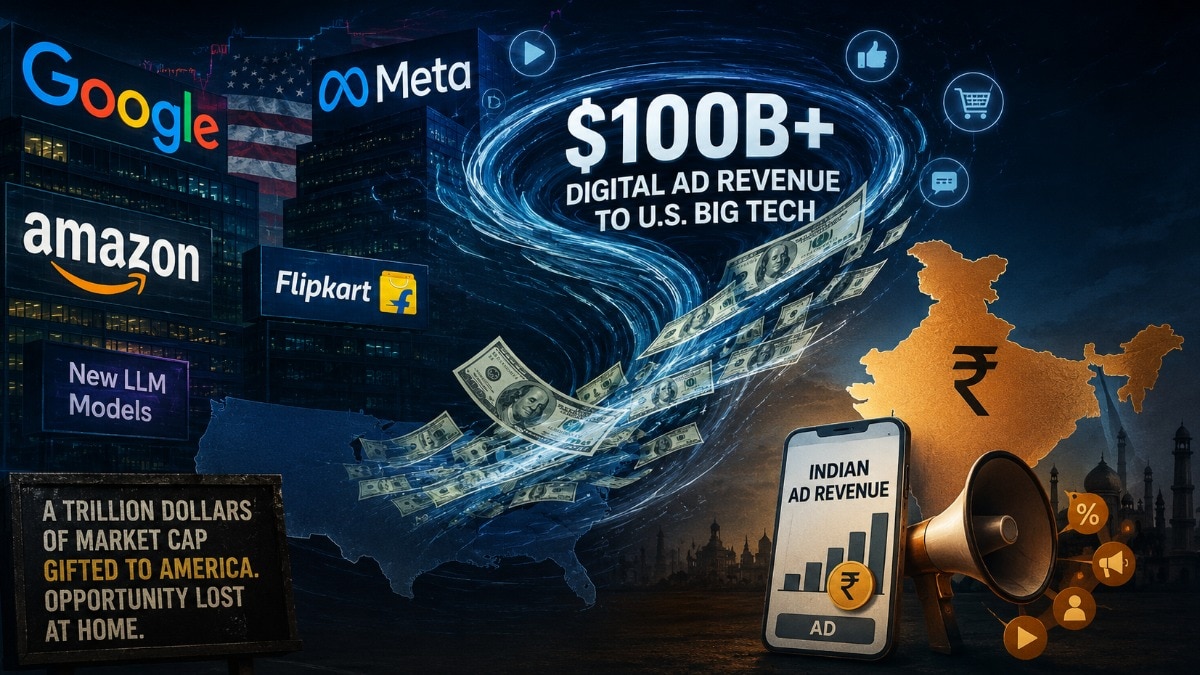
Fund manager warns India sleepwalking into trillion-dollar Big Tech loss
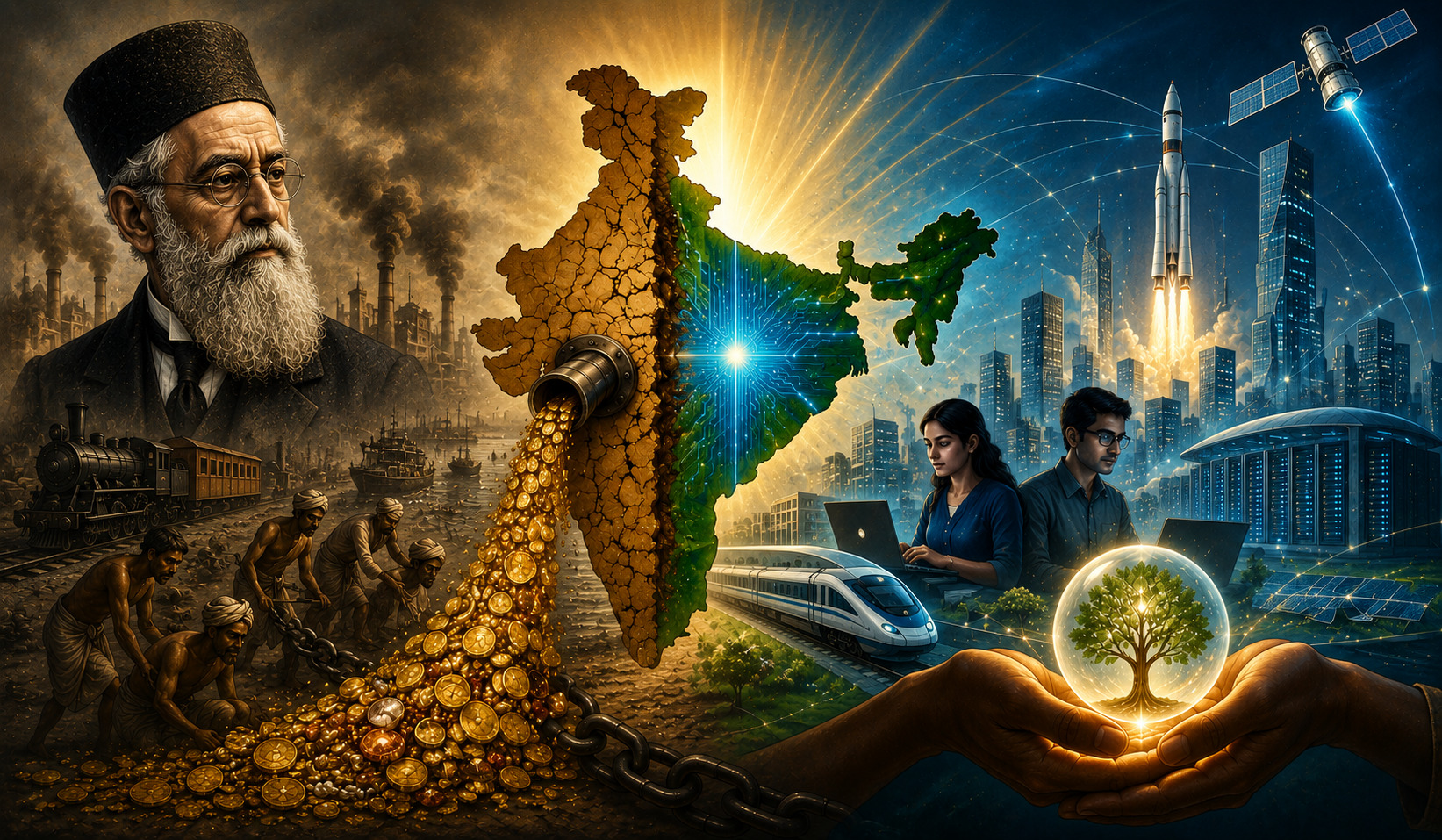
Drain of Wealth 2.0: India's Data and Tech Sovereignty
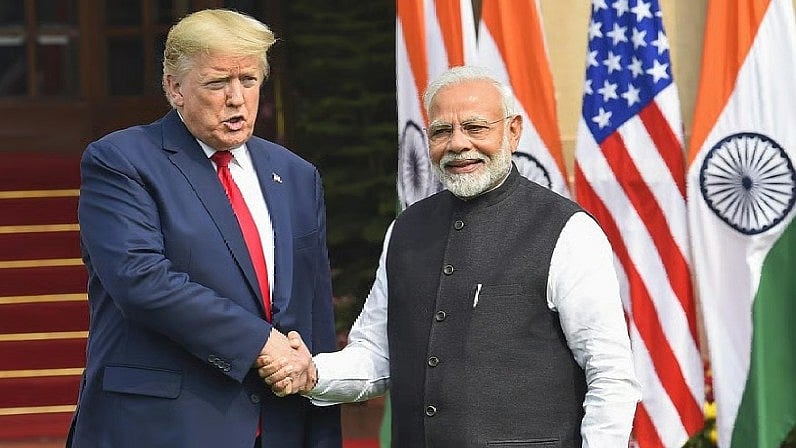
India-US Trade Talks Focus on Digital Rules, Barriers

India Expands Technology Use to Improve Tax Compliance
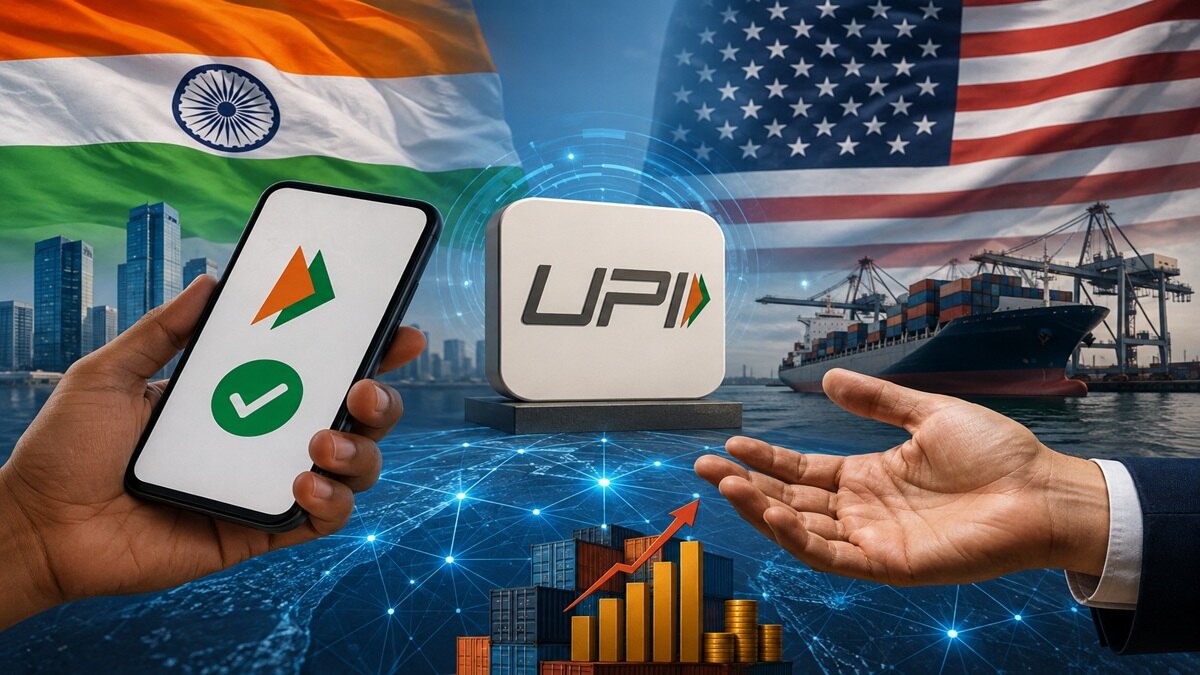
India's UPI MDR Debate Raises Questions of US Trade Pressure
US pressure behind India's proposed UPI-RuPay transaction fee levy

Social Media Companies Intensify Efforts to Identify Child Users

Yorkville America Expands Beyond Trump-Linked ETFs With AI Strategy
Meta’s $18-Billion Child Safety Settlement Faces Praise and Criticism

School Awards Honour Courage, Commitment and Educational Excellence

AI Expansion Puts Jamnagar and Thane Under Water Stress