1 week ago
India-US Trade Talks Focus on Digital Rules, Barriers
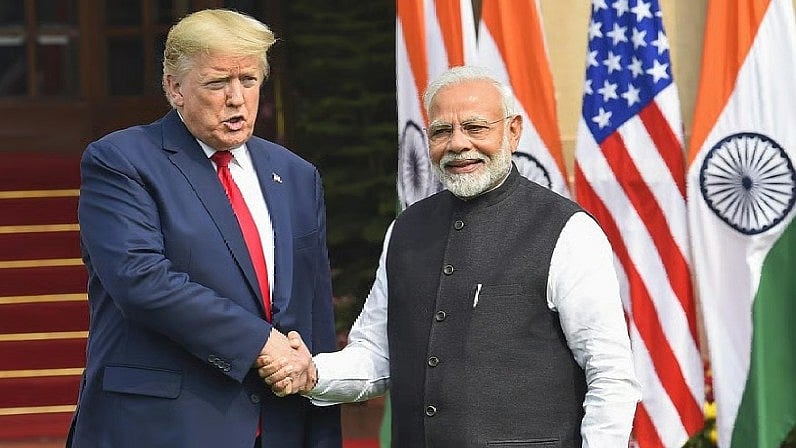
India and the United States are negotiating a trade agreement.
They are discussing rules for online business and how data can move between the two countries.
The United States is concerned that some Indian rules make it harder for American companies to operate there.
India may offer some concessions, but the talks are not finished.
The countries are also discussing medical devices, computers, testing standards and farm products.
Both sides previously agreed to work on several trade barriers.
India recently accepted wider digital-trade rules in its agreement with the European Union.
The proposed deal could change tariffs on some goods if negotiations succeed.

India and the United States are holding virtual discussions on digital trade, data rules and non-tariff barriers.
India may consider concessions affecting digital trade, but no decision has been finalized.
Negotiators are discussing data governance, digital-services market access, cross-border data flows and data localization.
Other disputed areas include medical devices, ICT import licensing, standards, testing and agricultural products.
The February framework linked progress on the agreement to tariff changes, including an 18% rate for qualifying Indian goods.
- Who
- India and the United States, including officials negotiating their proposed bilateral trade agreement.
- What
- The countries are discussing digital trade, data governance, market access and other non-tariff barriers.
- Where
- The current negotiations are being held virtually; related trade discussions took place at the World Trade Organization.
- When
- The discussions are ongoing following a broader framework agreed in February; related issues were also raised at the World Trade Organization review in July.
- Why
- The talks aim to address trade barriers and advance the proposed bilateral agreement, including tariff and market-access issues.
India’s Regulatory Framework
United States’ Trade Priorities
Digital rules and data governance
India’s Regulatory Framework
India may consider concessions in some digital-trade areas, while the February framework recognizes that both countries will retain their domestic laws and regulations.
United States’ Trade Priorities
The United States has raised concerns about India’s digital regulations, data-related rules and market access for American technology companies.
Non-tariff barriers
India’s Regulatory Framework
India and the United States are discussing ways to address the barriers listed in their February framework, but the negotiations remain unresolved.
United States’ Trade Priorities
The United States has criticized Indian barriers involving ICT imports, medical devices, licensing, standards, testing and agricultural products.
Cross-border data flows
India’s Regulatory Framework
India has recently accepted broader commitments on cross-border data flows in its trade agreement with the European Union.
United States’ Trade Priorities
The United States is seeking bilateral rules covering digital commerce and has identified cross-border data flows and localization as issues for discussion.
Key facts
- Negotiation status
- Virtual discussions are ongoing, and no decision on digital-trade concessions has been finalized.
- Digital issues
- Talks cover data governance, digital-services market access, cross-border data flows and data localization.
- Other barriers
- The framework identified medical devices, ICT import licensing, standards, testing, agriculture and food products.
- February framework
- India and the United States agreed to address discriminatory or burdensome practices and explore rules for digital commerce.
- US tariff rate
- The framework envisaged an 18% reciprocal tariff rate for qualifying Indian goods.
- Additional tariff relief
- Further relief for Indian goods was linked to successful completion of the agreement.
- EU comparison
- India’s recent agreement with the European Union includes provisions on electronic transactions, paperless trade, e-invoicing, e-contracts, cybersecurity, consumer protection, source-code protection and cross-border data flows.
Sources
Related news
India, US Continue Trade Talks Amid Tariff Uncertainty

India-US Trade Talks Drive September 1 Exporter Meeting
India-US Trade Pact Talks Intensify Amid Exporter Tariff Concerns

India-US Trade Deal Likely to Retain Tariff Safeguard Amid Uncertainty
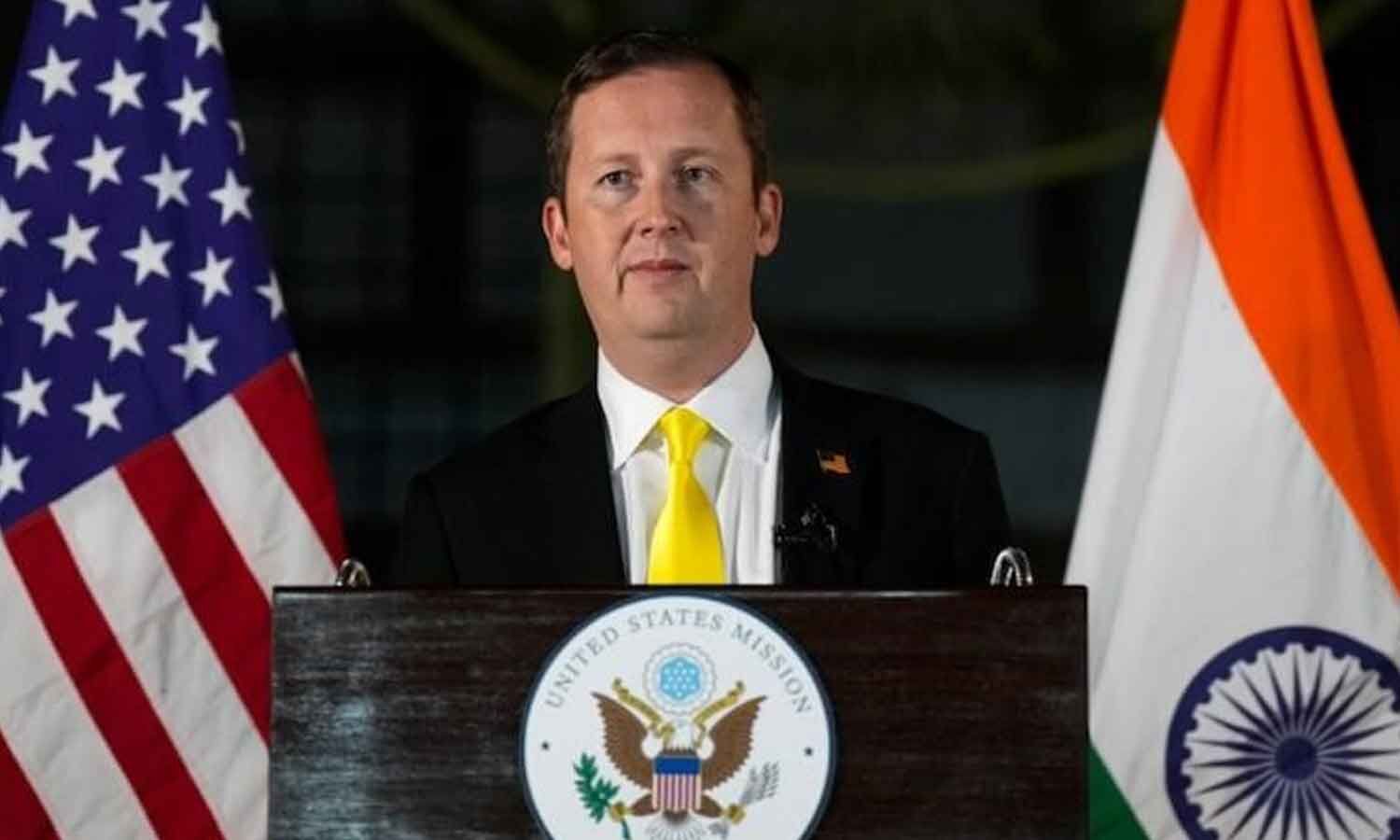
India-US Trade Deal Nears Completion Amid Tariff and Alliance Questions
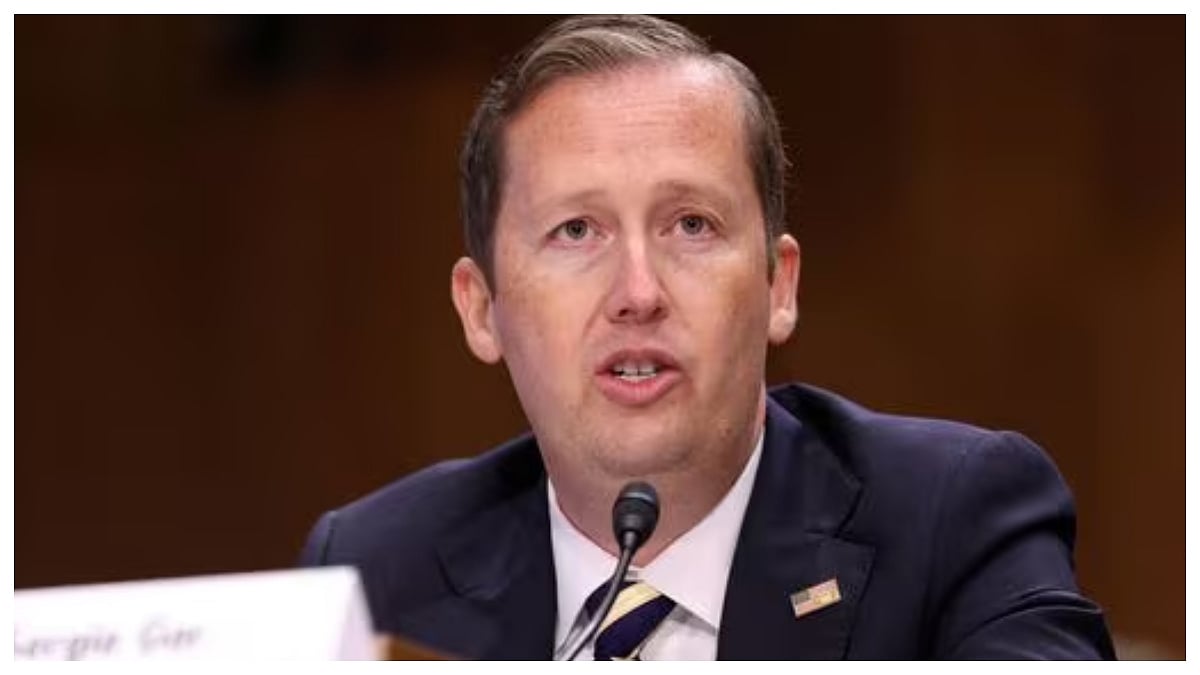
US Envoy Sergio Gor Says India-US Trade Has Incredible Potential

Canada Suspends US Trade Talks as 50% Tariffs Begin

US-Canada Trade Talks Collapse as Tariffs Trigger Retaliation

Lula and Trump Revive Brazil Tariff Talks Ahead of Election

Norway Challenges US Tariffs During Trade Talks in Washington