2 days ago
AI Expansion Puts Jamnagar and Thane Under Water Stress
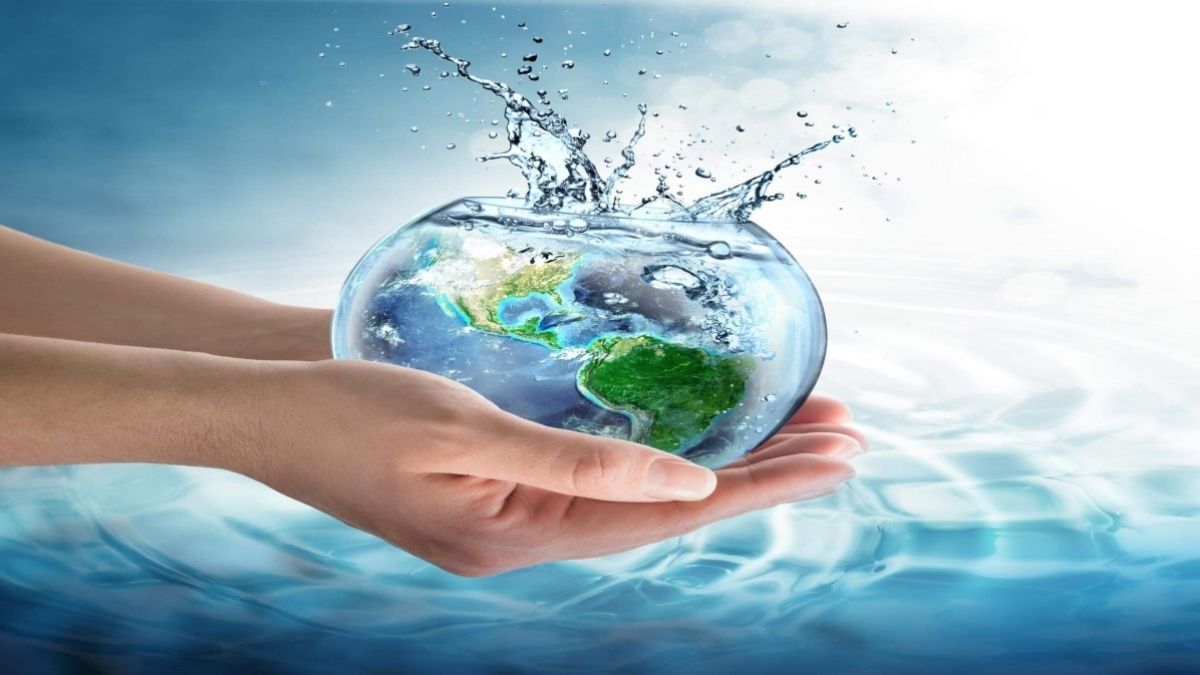
Data centres are large buildings that help run AI services and need cooling because their computers produce heat.
Some data centres use a lot of water to stay cool.
Jamnagar and Thane in India are already facing water stress, so more data centres could make the problem harder.
Rystad Energy estimates that data centres worldwide used 222 billion litres of water directly for cooling in 2025.
Without stronger water-saving measures, that amount could reach nearly 644 billion litres each year by 2030.
Using better cooling systems could reduce the total significantly.
Dry cooling uses less water at the data centre but needs more electricity.
That electricity production may use additional water elsewhere.

Jamnagar and Thane are among locations highly exposed to data centre-driven water stress, according to Rystad Energy.
Global direct water use by data centres could rise from 222 billion litres in 2025 to nearly 644 billion litres annually by 2030.
High- and extremely high-water-stress regions could represent 34% of global direct data centre water consumption by 2030.
Aggressive water-efficiency measures could limit 2030 consumption to about 388 billion litres, compared with 543 billion litres under a moderate scenario.
Dry cooling can save water but requires more electricity, potentially shifting part of the water footprint to power generation.
- Who
- Data centre operators, AI infrastructure developers and communities in water-stressed regions; Rystad Energy provided the projections.
- What
- The expansion of AI-focused data centres could sharply increase direct cooling-water consumption, especially in Jamnagar and Thane.
- Where
- Jamnagar and Thane in India are highlighted, along with Reeves County in Texas; the projections are global.
- When
- Data centres used 222 billion litres directly in 2025, with projections covering 2030 and the next four years.
- Why
- AI servers produce substantial heat and require cooling, while data centre growth is occurring in places that may already have limited water availability.
Water Conservation Priorities
AI Infrastructure Expansion
Cooling technology
Water Conservation Priorities
Using the least water-intensive cooling systems, including dry cooling and rack-level liquid cooling, could substantially reduce direct water consumption.
AI Infrastructure Expansion
AI servers generate more heat than conventional computing equipment, making cooling essential as computing capacity expands.
Resource trade-off
Water Conservation Priorities
Data centre growth in water-stressed areas could intensify pressure on local water supplies, particularly in Jamnagar and Thane.
AI Infrastructure Expansion
Reducing direct water use through dry cooling may require more electricity and shift part of the water footprint to power generation.
Key facts
- 2025 direct water consumption
- 222 billion litres annually for data centre cooling.
- 2030 central projection
- Nearly 644 billion litres annually if water-saving measures fail to keep pace with AI-led expansion.
- 2030 moderate scenario
- About 543 billion litres annually.
- 2030 aggressive efficiency scenario
- About 388 billion litres annually.
- High-stress regions’ projected share
- 34% of global direct data centre water consumption by 2030.
- Potential reduction
- Mandating the least water-intensive cooling technologies in highly stressed locations could cut consumption by up to 45%.
- Dry-cooling trade-off
- Dry cooling can save about 2.15 litres of water per kWh of IT load but requires an additional 0.30–0.74 kWh of electricity.
Quotes
Minh Khoi Le
Global head of data centre and hydrogen research at Rystad Energy
“Data centres consumed 222 billion liters of water directly for cooling in 2025, but that figure could nearly triple to just under 644 billion liters by 2030 in our risked central case”
 financialexpress.com
“More water-efficient pathways could bring this down to 543 billion liters in the moderate case or as low as 388 billion liters in an aggressive water-saving scenario”
financialexpress.com
Sources
Related news
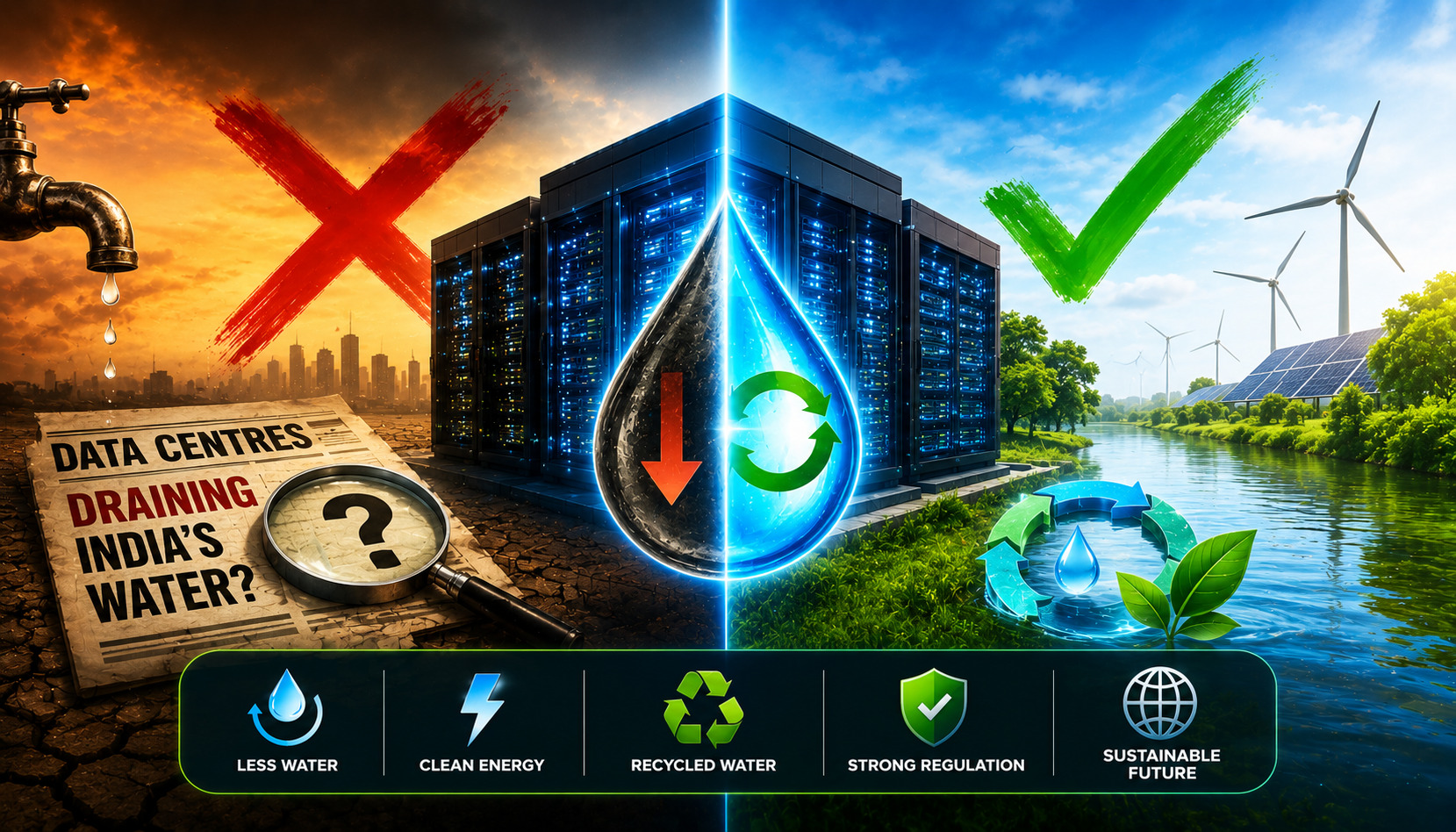
Data centres and India's water: claims versus the evidence

Lokesh Defends Vizag Data Centres Amid Water Concerns
India's data centre capacity surges four-fold to 1,575 MW
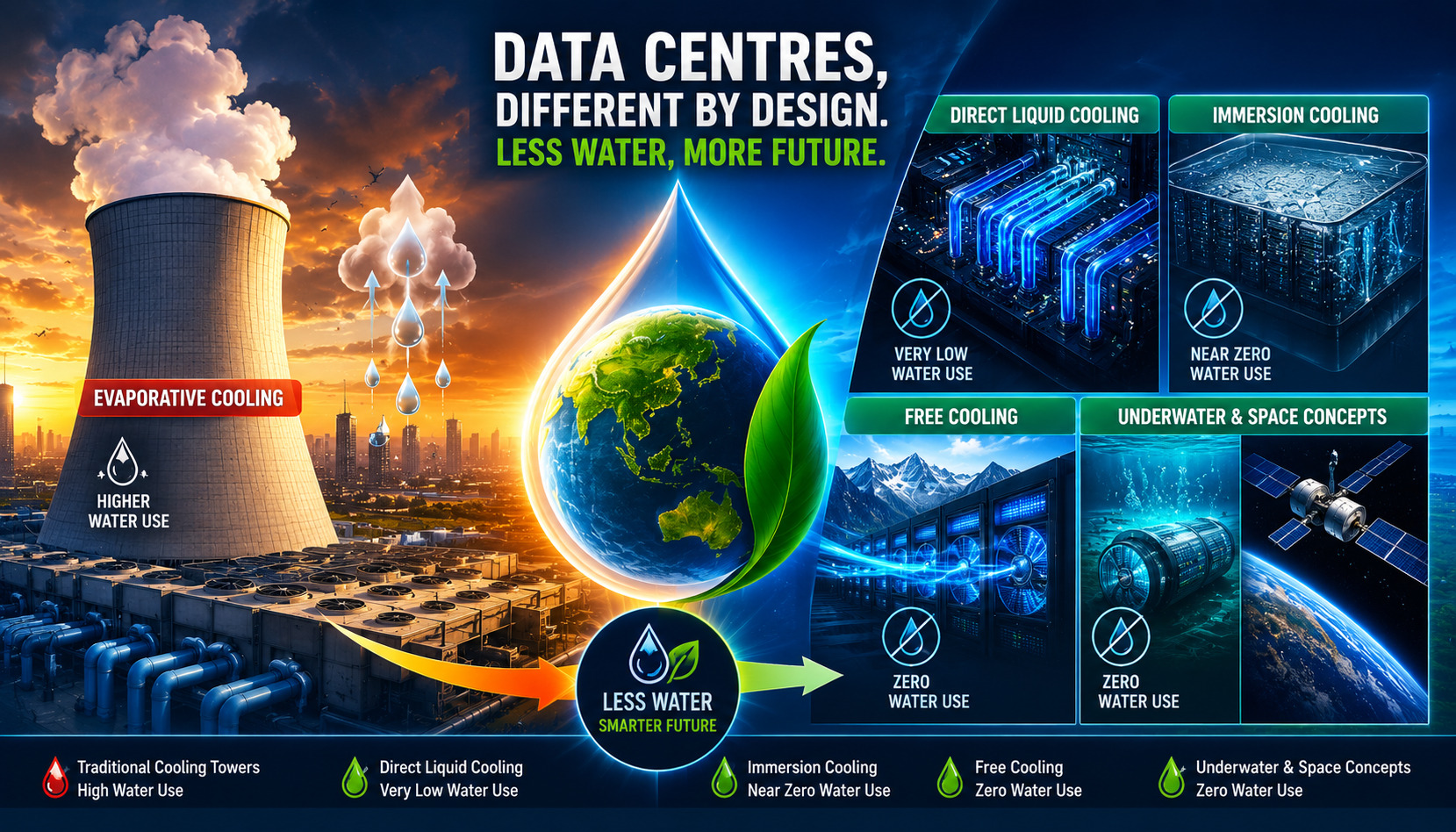
Data Centre Cooling Evolves from Water Towers to Liquid Systems
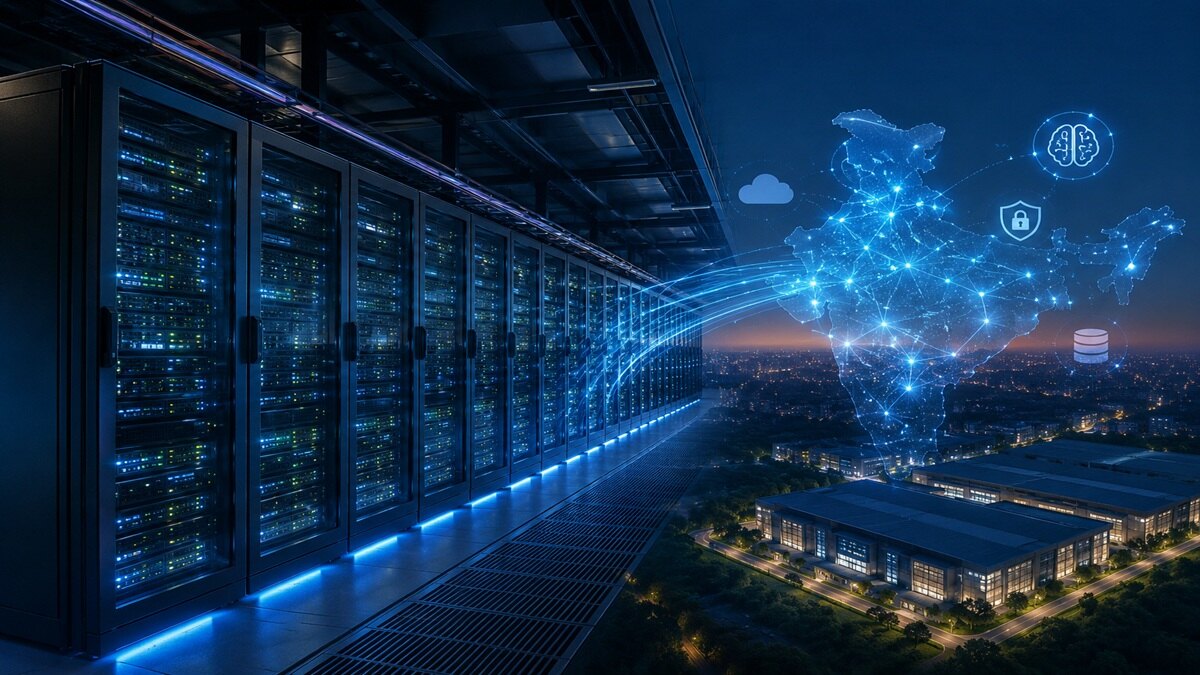
India’s Data Centre Capacity Could Triple by 2030
India's data centre capacity quadruples to 1,575 MW since 2020

Social Media Companies Intensify Efforts to Identify Child Users

Yorkville America Expands Beyond Trump-Linked ETFs With AI Strategy
Meta’s $18-Billion Child Safety Settlement Faces Praise and Criticism

School Awards Honour Courage, Commitment and Educational Excellence