1 hr ago
Israel’s Technology Economy Endures War, With Costs and Risks
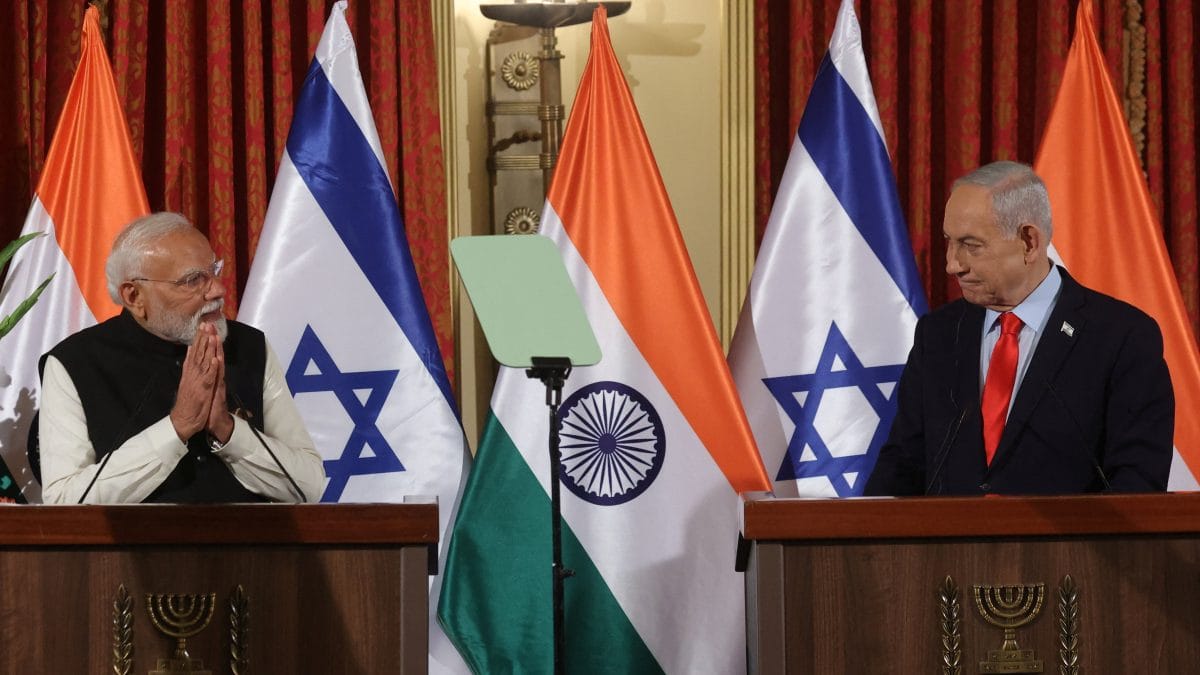
Israel’s economy had to keep working while the country was at war.
Its technology companies continued selling products and services to customers around the world.
In 2025, the technology sector grew and brought in large amounts of export and investment income.
But the recovery was not shared equally: some new companies found it harder to raise money, and some research jobs moved abroad.
The war also increased government debt and disrupted workers’ lives.
The article says Israel’s worldwide business connections helped its technology sector keep going.
It suggests India can learn from Israel by building partnerships between researchers, companies and institutions.
It also says India should adapt those lessons to its own needs rather than simply copy Israel.

Israel’s high-tech output rose 8.2% in 2025 to NIS 352 billion, about 18.3% of GDP.
High-tech exports reached $85 billion, while companies raised about $14.6 billion in funding.
The reported $84 billion in 2025 exits includes deals signed in 2025 but approved in 2026; completed 2025 transactions were much lower.
The sector faced slower employment growth, a decline in domestic R&D jobs, fewer small funding rounds and more activity shifting abroad.
The article argues Israel’s global commercial links and technology partnerships offer lessons for India, while noting Israel’s rising debt and continuing security risks.
- Who
- Israel’s economy, particularly its high-tech sector; the article also discusses India and Israeli-Indian cooperation.
- What
- Israel’s technology sector continued growing during the war, while facing economic, workforce and fiscal pressures.
- Where
- Israel, with implications for India and international technology partnerships.
- When
- The article reports mainly on 2025 and developments through July 2026, following the October 7, 2023 attacks.
- Why
- The article attributes the sector’s resilience partly to overseas customers, exports, foreign investment and established innovation networks.
Evidence of resilience
Costs and vulnerabilities
Technology-sector performance
Evidence of resilience
Output, exports and fundraising increased in 2025, and the article describes substantial international demand and investment.
Costs and vulnerabilities
Growth was concentrated: large funding rounds and a few major acquisitions accounted for much of the totals, while smaller companies faced tougher fundraising.
Economic and financial outlook
Evidence of resilience
The article reports improved sovereign outlooks, a stronger shekel and credit-risk pricing near pre-war levels.
Costs and vulnerabilities
Ratings remained below pre-war levels, with agencies warning about security and fiscal pressures; public debt and defence costs have risen.
Workforce and domestic capacity
Evidence of resilience
Remote work, overseas customers and international operations helped firms continue operating despite disruption.
Costs and vulnerabilities
Reserve service disrupted work, domestic R&D employment fell, and a smaller share of technology-company workers were based in Israel than in 2019.
Key facts
- High-tech output
- NIS 352 billion in 2025, up 8.2% in real terms.
- Share of GDP
- High-tech reached 18.3% of Israel’s GDP in 2025.
- High-tech exports
- $85 billion in 2025, or 58% of Israel’s total exports.
- Technology funding
- Israeli technology companies raised about $14.6 billion in 2025, 30% more than in 2024.
- Exit-value caveat
- The approximately $84 billion figure includes deals signed in 2025 and approved in 2026; completed transactions during 2025 were much lower.
- Employment and R&D
- High-tech employment grew 2.5% in 2025, while the number of R&D employees in Israel fell by about 3,500.
- Public debt
- Public debt was around 69% of GDP, materially above its pre-war level.
- India cooperation
- Agreements and mechanisms announced after Prime Minister Narendra Modi’s February 2026 visit included plans for cyber and agricultural innovation centres.
Sources
Related news
India Stays During Netanyahu UN Speech Amid Diplomatic Walkout

Sitharaman Urges Resilience and Open Global Economic Ties

Israeli Audio Manufacturing Signals a New Indian Supply-Chain Opportunity

Gen Z Survey Finds Stronger Perceptions of India-Israel Defence Ties

Radhakrishnan Says India Must Adapt to Global Economic Shifts

Iran Seeks BRICS and India Support Amid US Economic Pressure

BJP Leader Objects to Stage Seating at Maihar Event
US Wants India’s Power Without Its Strategic Autonomy

Jewar Airport Set to Be Named Narendra Modi International Airport
India Voter Roll Deletions Spark Protests and Political Dispute