

2 hrs ago
Sanjaya Baru Urges India to De-Risk from China and US
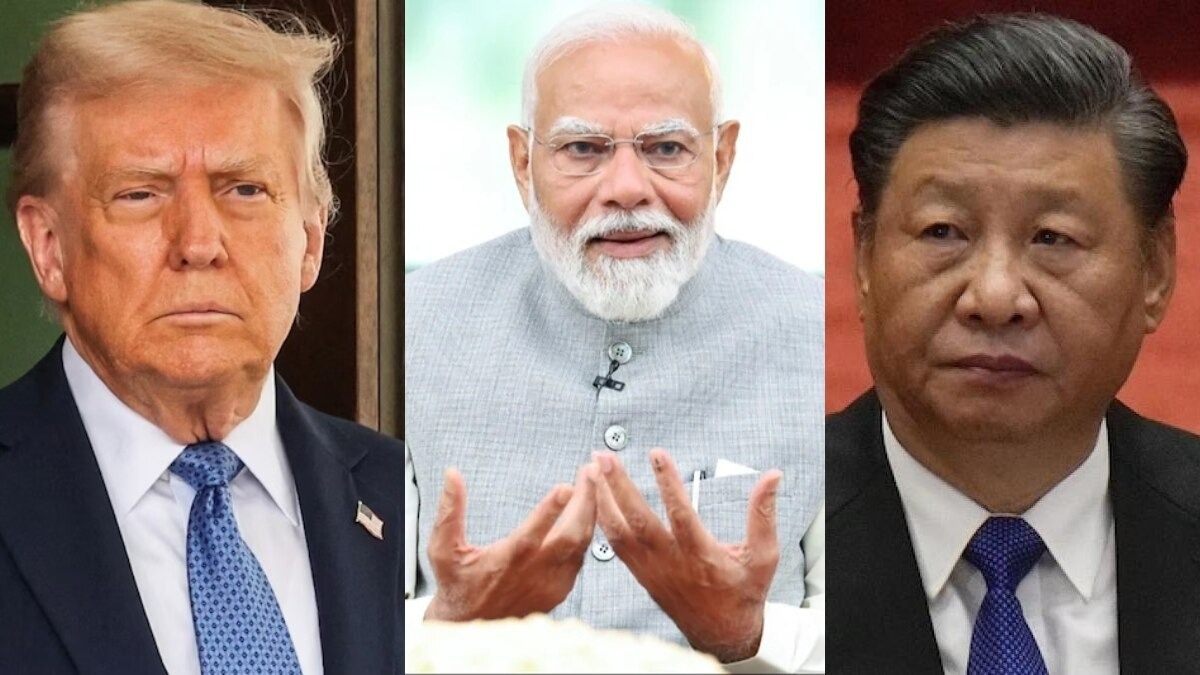
Sanjaya Baru says India should not rely too heavily on either China or the United States.
He calls this strategy “de-risking,” which means reducing danger without completely ending relationships.
India sells many goods and services to the United States.
Indians and Americans also have strong business and personal connections.
The United States is important to India’s defence relationship, although India now has more choices.
China is also an important country that India must manage carefully.
Baru’s comments come as India faces a possible 100% US tariff on its goods.
He says India should diversify its energy, trade, defence, and manpower links.
However, he believes India and other countries cannot completely separate from either major power.

Sanjaya Baru says India must reduce dependence on both China and the United States.
He argues that fully separating from the United States is unrealistic because of strong economic, business, people-to-people, and defence ties.
His comments follow the threat of possible 100% US tariffs on Indian goods under a proposed sanctions law.
Baru says India has been diversifying its defence, energy, trade, and manpower dependencies.
He argues that countries cannot afford to fully decouple from either the United States or China, despite seeking to reduce risks.
- Who
- Sanjaya Baru discussed India’s external dependencies and relations with China and the United States.
- What
- Baru argued that India should de-risk from both China and the United States without fully decoupling from either.
- Where
- The discussion concerns India’s foreign, economic, energy, defence, and trade relationships.
- When
- His remarks came amid a looming threat of 100% US tariffs on Indian goods.
- Why
- India faces dependence on major powers and must manage risks from a rising China and an assertive United States.
Complete De-Americanisation
De-Risking Without Decoupling
India’s relationship with the United States
Complete De-Americanisation
Some analysts have suggested that India should pursue a “de-Americanisation” of its foreign policy, especially because trust has declined during Donald Trump’s presidency.
De-Risking Without Decoupling
Sanjaya Baru says complete separation is not realistic because the United States remains an important market and India has strong business, personal, and defence connections with it.
Managing major-power dependence
Complete De-Americanisation
Reducing strategic dependence on the United States could protect India from policy shifts and tariff pressure.
De-Risking Without Decoupling
Baru argues that India should diversify and reduce risks from both China and the United States, but cannot afford to decouple completely from either.
Key facts
- Analyst
- Sanjaya Baru
- Main recommendation
- India should de-risk from both China and the United States.
- Potential tariff threat
- The article says Indian goods could face 100% US tariffs.
- Areas for diversification
- Defence, energy, trade, and manpower.
- US relationship
- Important because of export markets, business and people-to-people ties, and defence links.
- China relationship
- India seeks to reduce risks while maintaining ties.
- Broader context
- The BRICS Summit included Xi Jinping and Vladimir Putin.
Quotes

Sanjaya Baru
Indian commentator whose analysis of India’s foreign dependencies is quoted in the article
“The 21st-century US is no 20th-century Britain. It will continue to assert its dominance – military, technological and economic.”
 businesstoday.in
“India has to de-risk from both China and the US.”
businesstoday.in
Sources
Related news
India Seeks to De-Risk Ties With America, China
India Must Balance National Interest With Vital US Ties
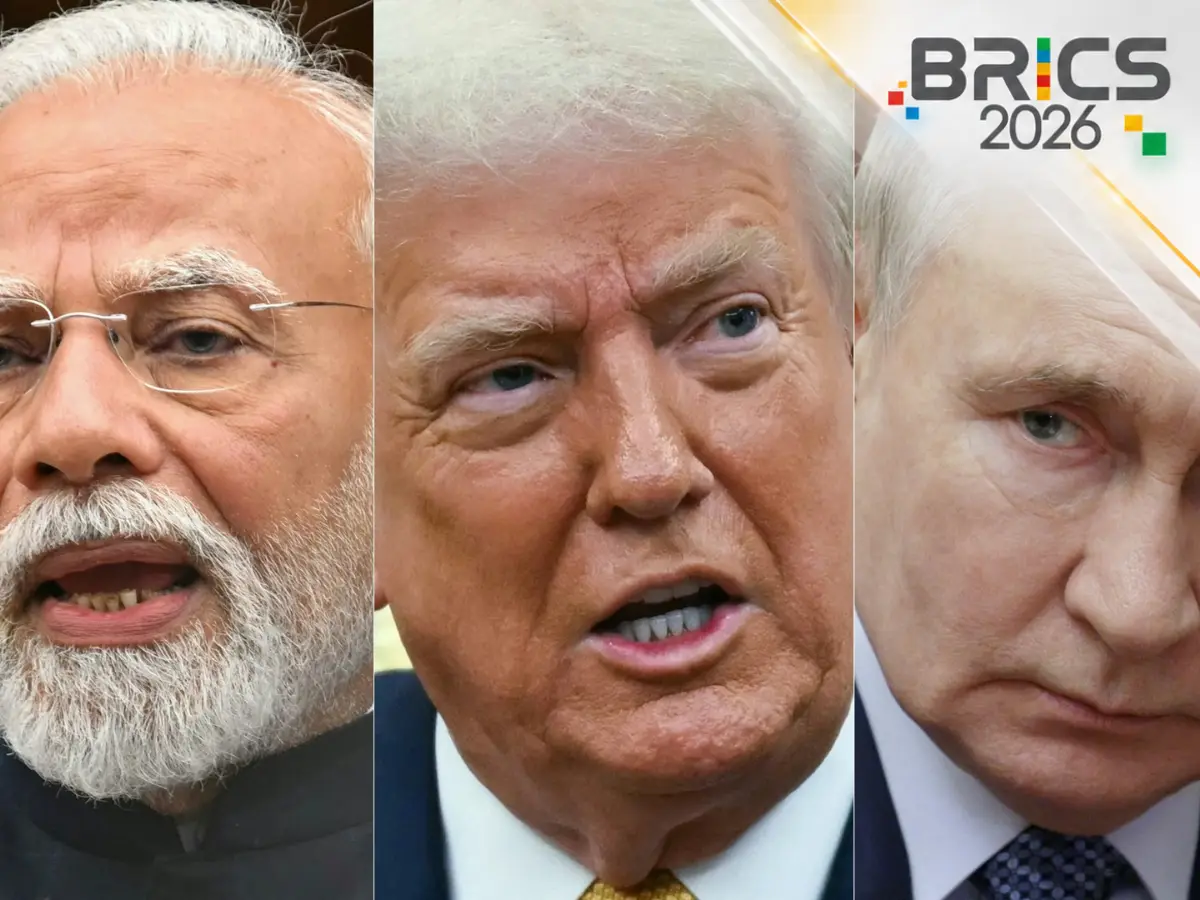
BRICS Summit Tests India’s Vision Amid U.S. Pressure
India Warns US Russian Oil Tariffs Could Harm Ties
US Russia Sanctions Bill Raises India Tariff Risk
India Warns US Sanctions Bill Could Strain Ties

Sensex Jumps 448 Points as Nifty Tops 23,350 Early

Himanshu, Rudrankksh Lead India to Double Air Rifle Podium
South Korea Exports Surge 78 Percent on Semiconductor Shipments

Typhoon Dujuan Threatens Aichi-Nagoya Games As India Wins Silver
