

1 hr ago
Iran and Oman near deal on temporary Hormuz shipping route

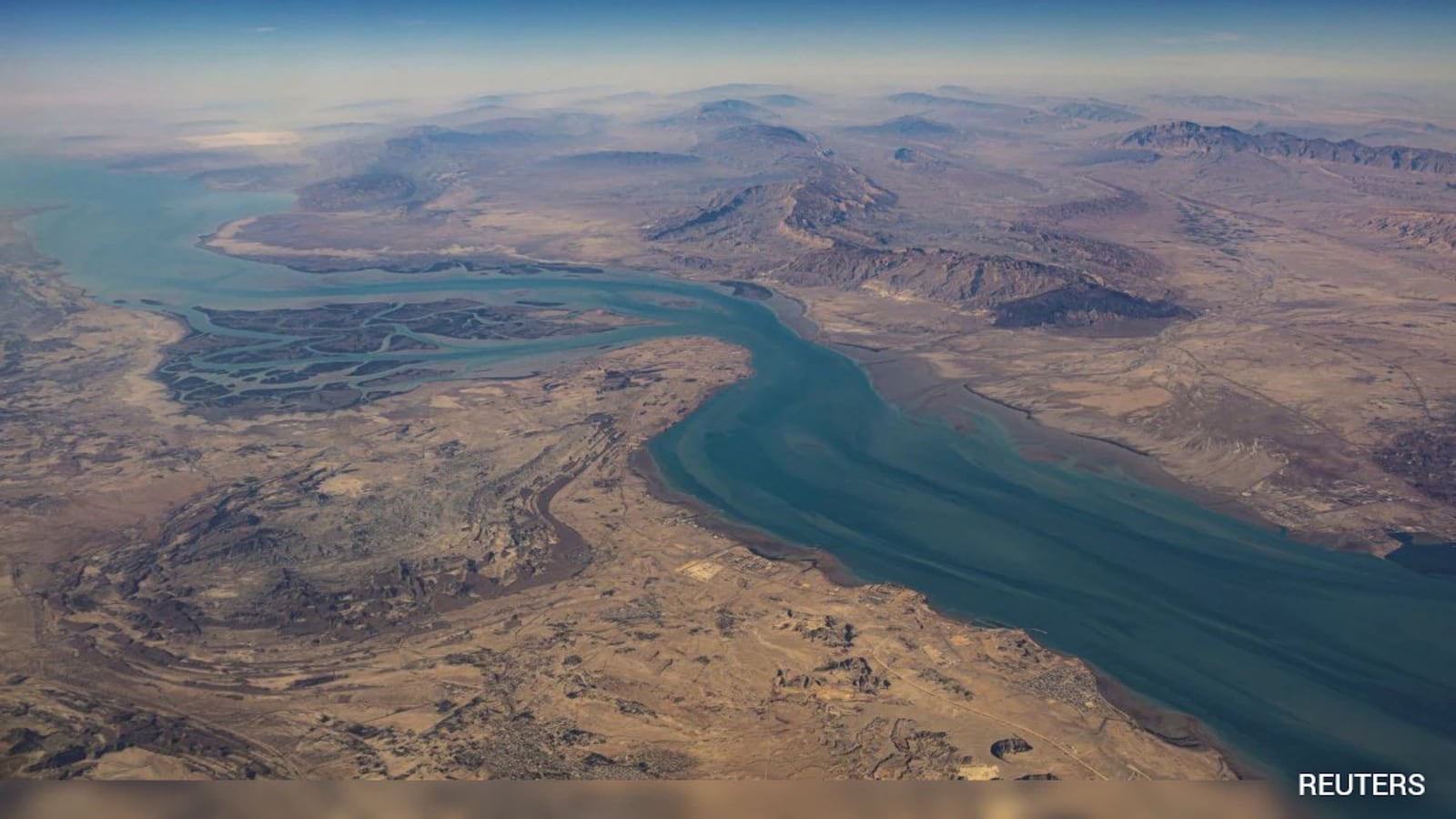
Iran and Oman are discussing a temporary safe path for ships crossing the Strait of Hormuz.
Iran says the talks are nearly finished and have made very good progress.
The plan would be recorded with the International Maritime Organization.
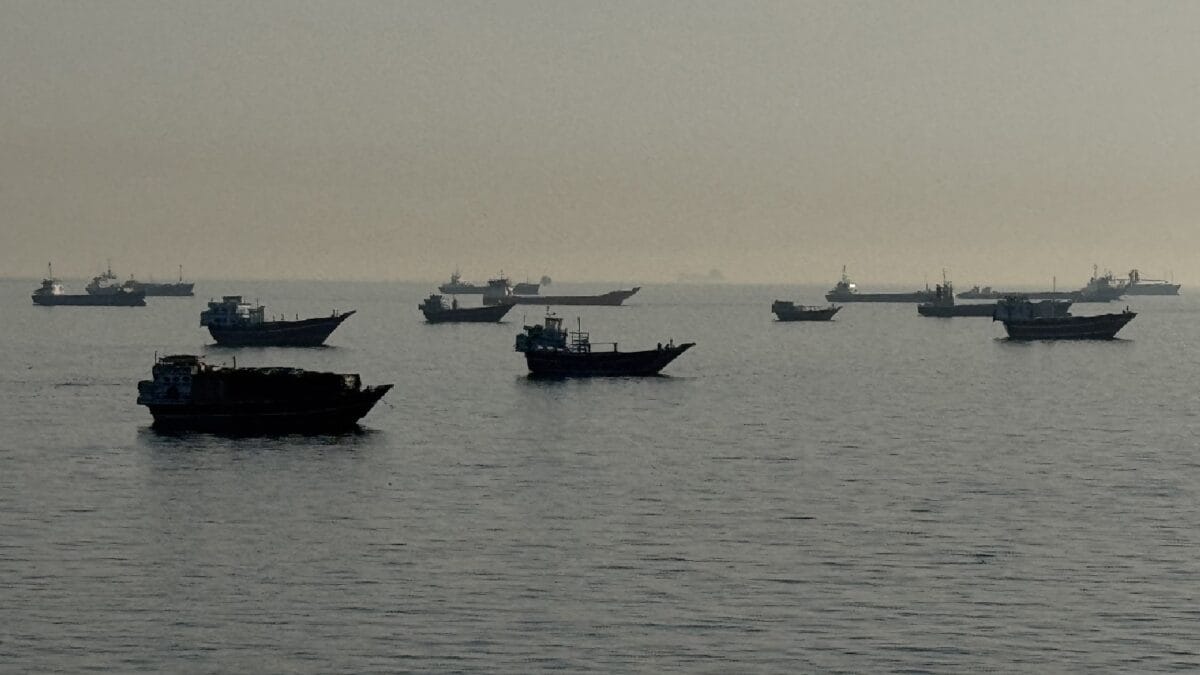
Much less oil is now passing through the strait than before the war.
Iran wants more control over the waterway, while the United States wants it to remain freely accessible.
Attacks and military strikes have made ship travel more dangerous.
The possible safe route gave markets hope that more tankers could move safely.
The war has also made oil, fuel, and natural gas more expensive.

Iran and Oman are close to finalizing an agreement to manage shipping through the Strait of Hormuz.
The proposed arrangement would establish a temporary safe route and be documented with the International Maritime Organization.
About 7 million barrels per day of crude and refined fuels now cross Hormuz, down from roughly 20 million before the war.
Iran has effectively closed the strait since US and Israeli strikes began in late February, sharply reducing shipping activity.
The possible agreement briefly eased oil-price gains, while attacks and the conflict continued to threaten global energy supplies.
- Who
- Iran and Oman are negotiating the proposed shipping arrangement, while the United States opposes restrictions on access to the strait.
- What
- The countries are discussing a temporary safe shipping route through the Strait of Hormuz.
- Where
- The proposed route would pass through the Strait of Hormuz, which borders Iran and Oman.
- When
- The negotiations were described as being in their final stages on Monday; the conflict is in its seventh month.
- Why
- The arrangement is intended to manage shipping and reduce risks after attacks and military strikes sharply reduced tanker traffic.
Iran and Oman’s proposed arrangement
United States’ position
Control of the waterway
Iran and Oman’s proposed arrangement
Iran and Oman are working toward formal arrangements governing traffic, and they may seek service fees from vessels using the route.
United States’ position
The United States wants the Strait of Hormuz to return to its pre-war status as a freely accessible waterway.
Shipping access
Iran and Oman’s proposed arrangement
Iran says a temporary safe route could manage shipping and allow commercial vessels to cross under agreed arrangements.
United States’ position
The United States has been blockading Iranian ports to restrict Iran’s oil exports and has questioned restrictions affecting access through the strait.
Security claims
Iran and Oman’s proposed arrangement
Iran said it attacked three ships using an unauthorized route and three US-linked vessels elsewhere.
United States’ position
The US military said it struck three Iranian crude tankers, destroying one, after Iran’s Revolutionary Guard targeted two US Navy warships with ballistic missiles.
Key facts
- Negotiating countries
- Iran and Oman
- Proposed measure
- A temporary safe shipping route through the Strait of Hormuz
- Documentation
- The arrangement would be documented with the International Maritime Organization
- Current traffic
- About 7 million barrels per day of crude and refined fuels
- Pre-war traffic
- Roughly 20 million barrels per day
- Oil price
- Brent crude was near $97 a barrel after earlier reaching $97.93
- Conflict status
- The war is in its seventh month
Sources
Related news
Iran-Oman strike landmark deal to secure Strait of Hormuz

Iran, Oman Reach Hormuz Revenue Accord Amid US Opposition
Oil Prices Slide as Iran-Oman Talks Ease Hormuz Disruption Fears
Iran, Oman Close to Hormuz Shipping Deal; Aramco Fire Extinguished
Iran and Oman Report Progress Toward Strait of Hormuz Accord
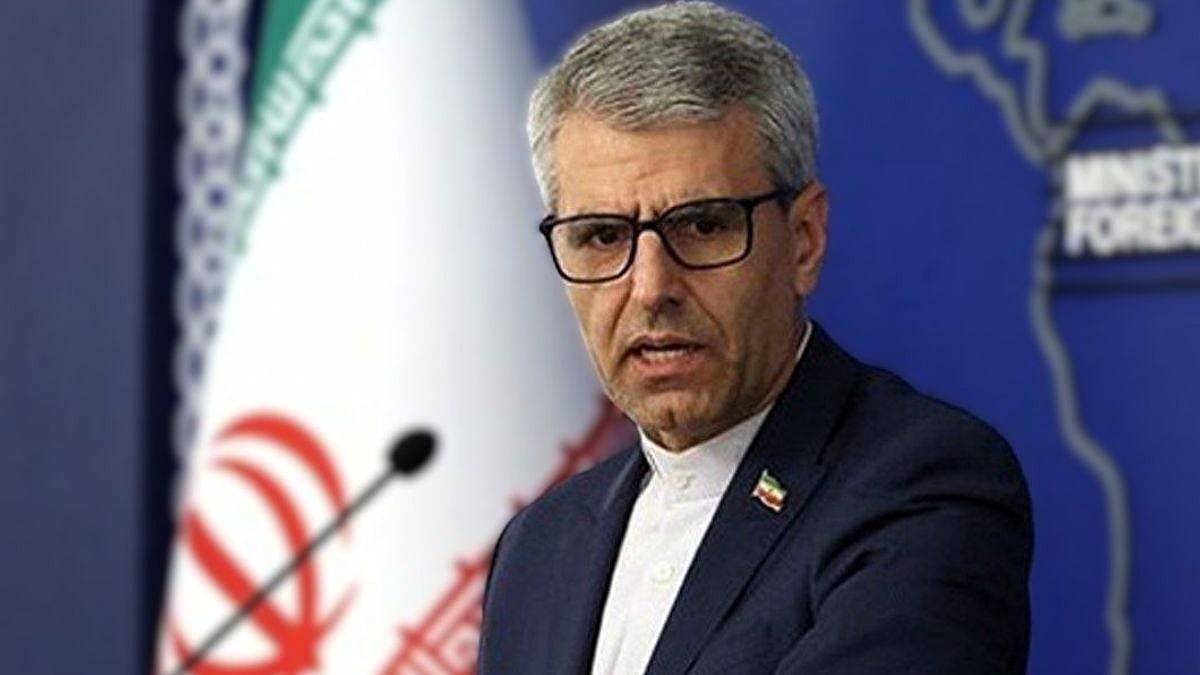
Iran, Oman Finalise Hormuz Transit Deal Amid US Threats

Pentagon Faces Scrutiny Over Benefits for Iran War Casualty
Jaishankar Briefs Panel on Gulf Diplomacy, Energy and Diaspora

Iran Warns U.S. Energy Interests as Hormuz Traffic Falls
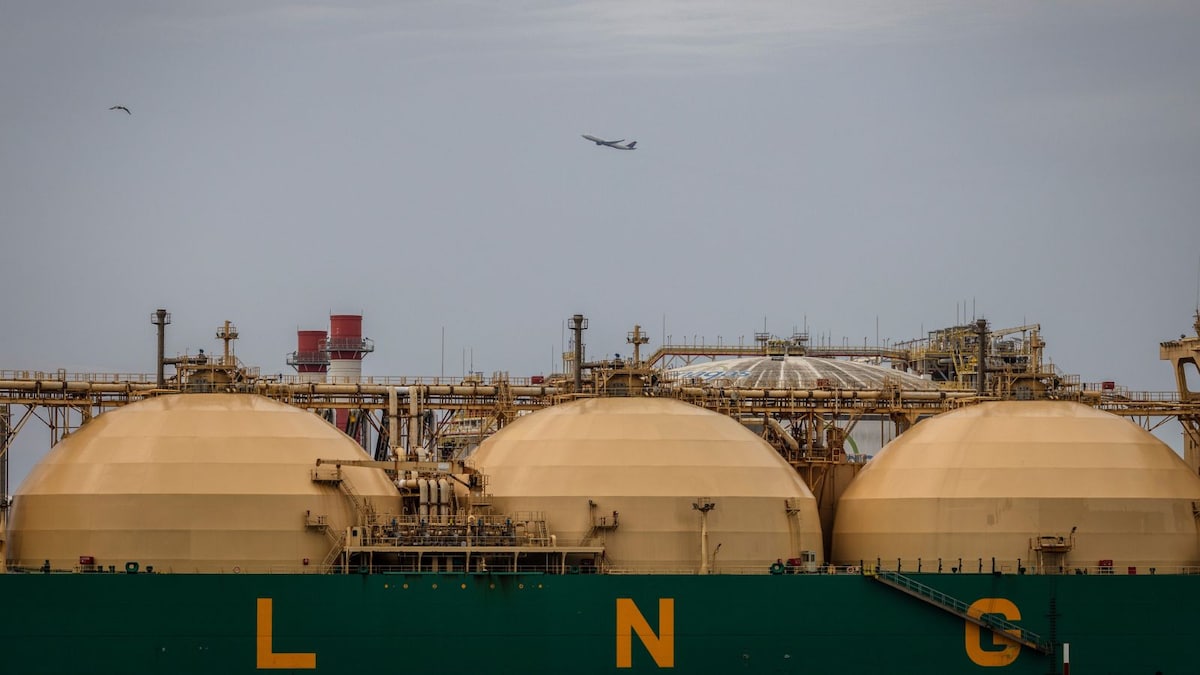
Qatar Repositions Empty LNG Tankers Amid Possible Export Resumption
