1 hr ago
Iran Threatens Retaliation as Hormuz Traffic Reaches Wartime Low
Iran and the United States have been attacking each other during an ongoing conflict.
Iran says it will strike back if the United States attacks Iranian property or forces.
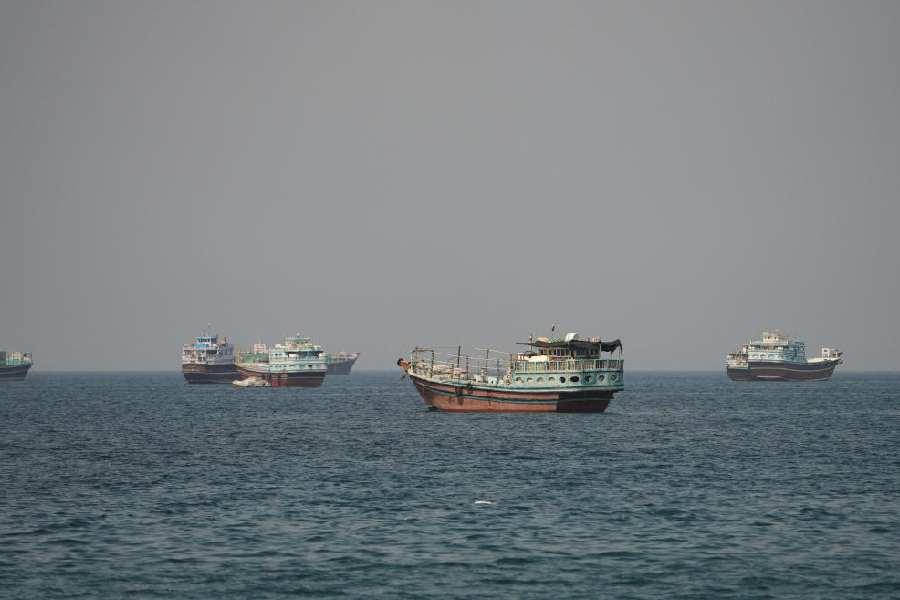
Iranian officials also want to limit some shipping in the Gulf and change how ships use the Strait of Hormuz.
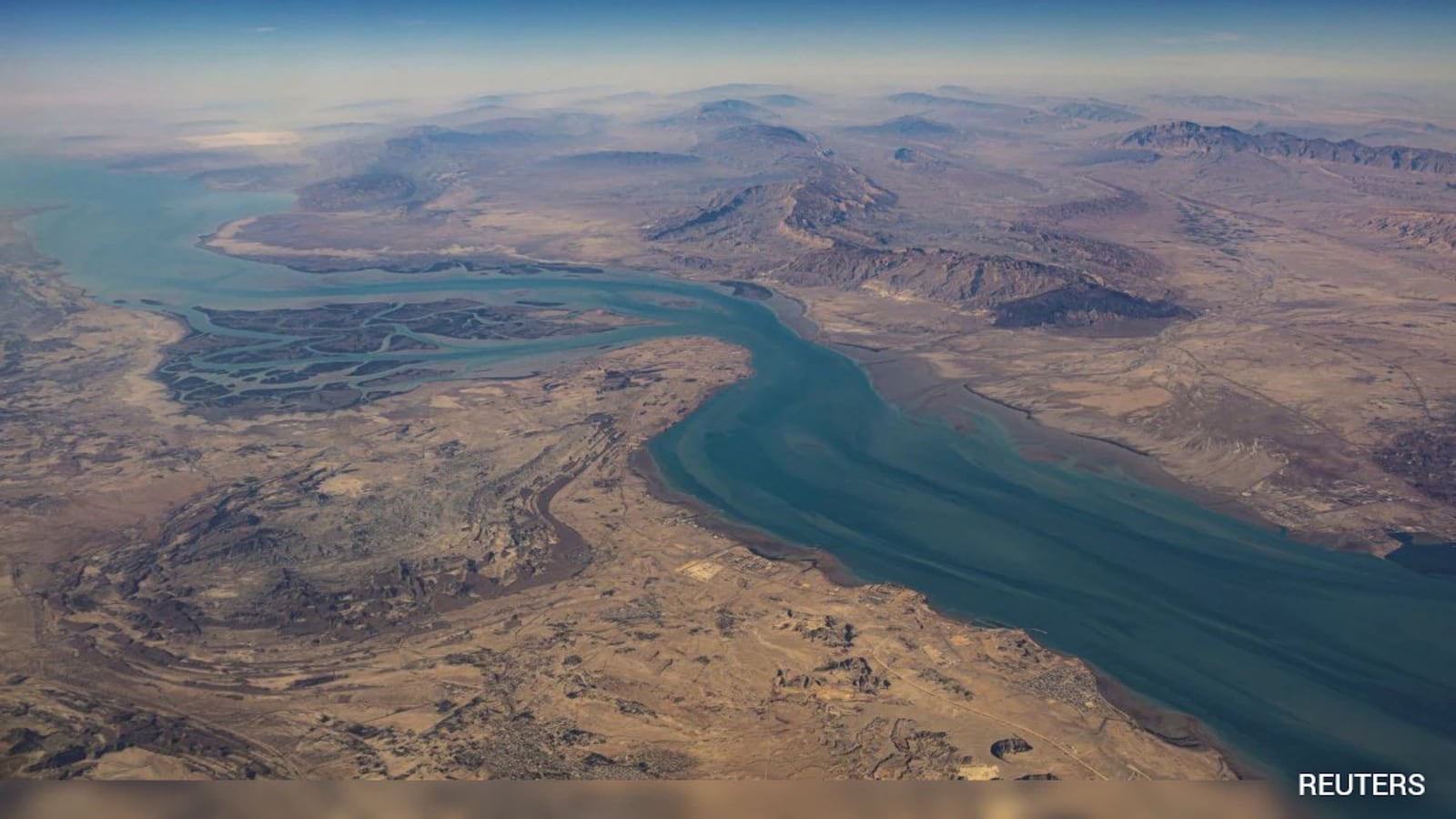
The strait is an important route for oil and gas shipments.
Fewer ships have been using it since the conflict began.
This has helped push oil prices higher.
The United States says it attacked three Iranian oil tankers after Iranian forces attacked U.S. warships.
The fighting and sanctions are putting pressure on Iran’s economy.
Gulf countries and people in the United States are also facing risks from higher energy costs and disrupted trade.

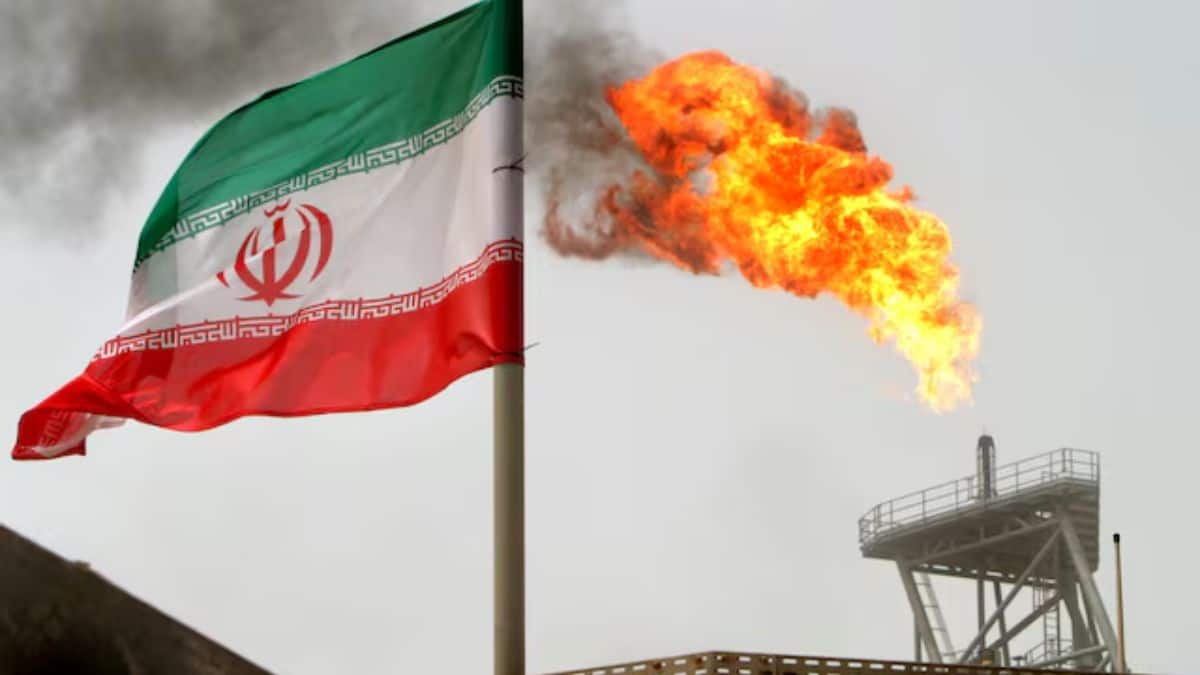
Iranian Parliament Speaker Mohammad Baqer Qalibaf warned that U.S. attacks on Iranian assets would trigger retaliation against exposed regional energy facilities.
Iranian official Mohsen Rezaei said Tehran plans a restricted Gulf zone and a new shipping corridor through the Strait of Hormuz.
An average of 10 commodity ships crossed the strait daily over the previous 10 days, the lowest level since May.
U.S. forces struck three Iranian oil tankers after Iran’s Islamic Revolutionary Guard Corps attacked U.S. warships, according to U.S. Central Command.
Brent crude briefly reached $97.93 a barrel as disrupted shipping raised concerns about energy supplies and fuel prices.
- Who
- Iranian officials, the United States, and regional Gulf states are involved; Mohammad Baqer Qalibaf and Mohsen Rezaei made the reported threats and plans.
- What
- Iran threatened retaliation against U.S. attacks and announced plans for a restricted Gulf zone and a new Strait of Hormuz shipping corridor, while shipping traffic and energy markets were disrupted.
- Where
- The events center on the Strait of Hormuz, the Persian Gulf, Iranian waters, and nearby Gulf states.
- When
- The statements and market movements were reported on Monday, September 7, after attacks over the weekend; the wider conflict began on February 28.
- Why
- Iran said the measures were a response to U.S. attacks, threats, sabotage, and a naval blockade; the United States has said its campaign seeks to constrain Iran’s nuclear program and regional attacks.
Iranian Position
U.S. Position
Retaliation and energy facilities
Iranian Position
Iran says any attack on its assets will be met with retaliation and warns that U.S. oil and gas companies and facilities in the region are exposed.
U.S. Position
The U.S. has continued military operations against Iranian targets, including three oil tankers, after reported attacks by Iranian forces on U.S. warships.
Access through the Strait of Hormuz
Iranian Position
Iran says the strait will be open only after the United States stops what Tehran describes as sabotage, threats, and attacks; it plans a restricted zone and a new shipping corridor.
U.S. Position
The United States seeks to blockade Iranian oil exports and stop sanctions evasion, while continued access to the strait is important to global energy shipments.
War aims and negotiations
Iranian Position
Iran’s leadership aims to emerge stronger, seeks sanctions relief, and hopes to collect fees from ships using the strait.
U.S. Position
President Donald Trump launched Operation Epic Fury to end Iran’s nuclear program, stop its attacks on neighboring countries, and create conditions for a change in Iran’s leadership; the reports say these aims have not yet been achieved.
Key facts
- Strait traffic
- An average of 10 commodity ships crossed the Strait of Hormuz per day during the previous 10 days, the lowest level since May.
- Brent crude high
- Brent crude futures reached $97.93 per barrel on Monday, their highest point since July 24.
- Brent crude later price
- Brent later declined to $96.19 per barrel.
- U.S. strikes
- U.S. forces struck three Iranian oil tankers on Saturday, according to U.S. Central Command.
- Iranian proposal
- Iran said it would establish a restricted zone and approve maps for a new shipping corridor through the Strait of Hormuz.
- Conflict start
- The war began on February 28 with U.S. and Israeli strikes on Iran, according to the reports.
- Prewar shipping importance
- The Strait of Hormuz carried one-fifth of global oil and gas shipments before the war.
Quotes

Mohammad Baqer Qalibaf
Speaker of Iran’s Parliament and Iran’s top negotiator
“It’s simple: the oil and gas production chain here is sprawling, accessible, and exposed. American oil and gas companies across these waters and facilities share that exposure.”
 telegraphindia.com
 theprint.in
“We will only commit to the Strait of Hormuz being open when they (the Americans) stop the sabotage, threats and attacks on Iran.”
telegraphindia.com
theprint.in
Sources

Related news
Iran Plans Hormuz Exclusion Zone After US-Iran Maritime Strikes
US Launches Fresh Iran Strikes Near Strait of Hormuz

US Escalates Iran Economic Pressure as Hormuz Crisis Deepens

Iran Ties Hormuz Passage to End of US Threats
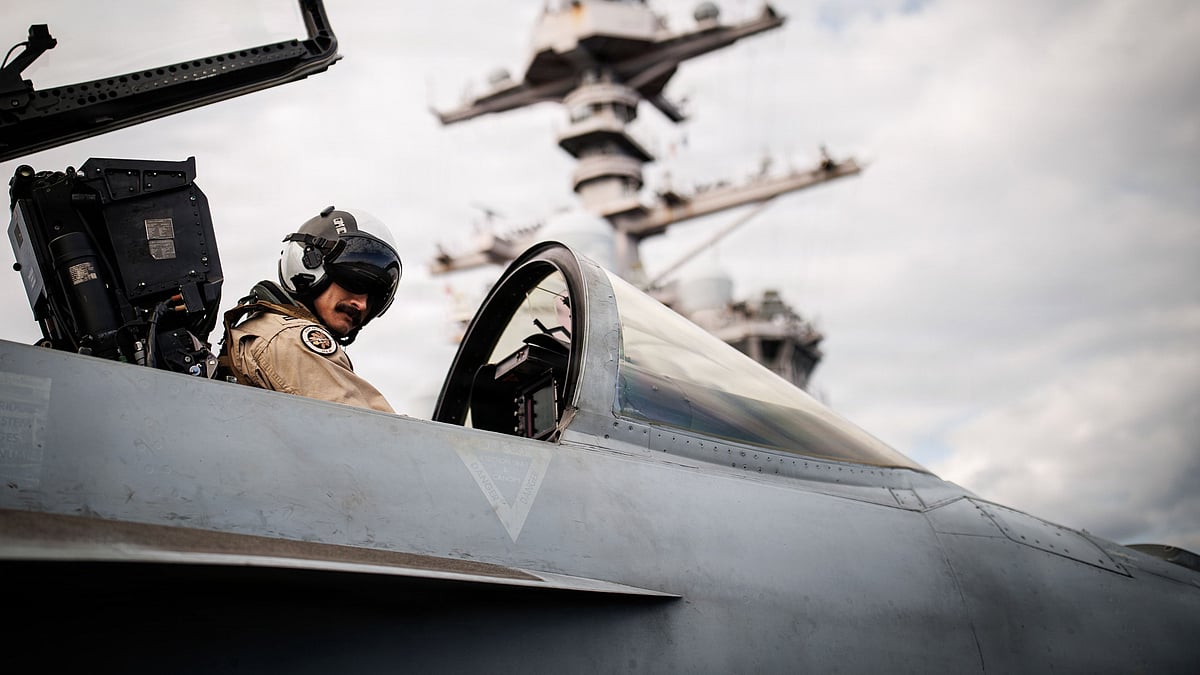
US Strikes Iranian Launchers Near Hormuz, Iran Threatens Retaliation

US-Iran Fighting Escalates, Raising Strait of Hormuz Risks
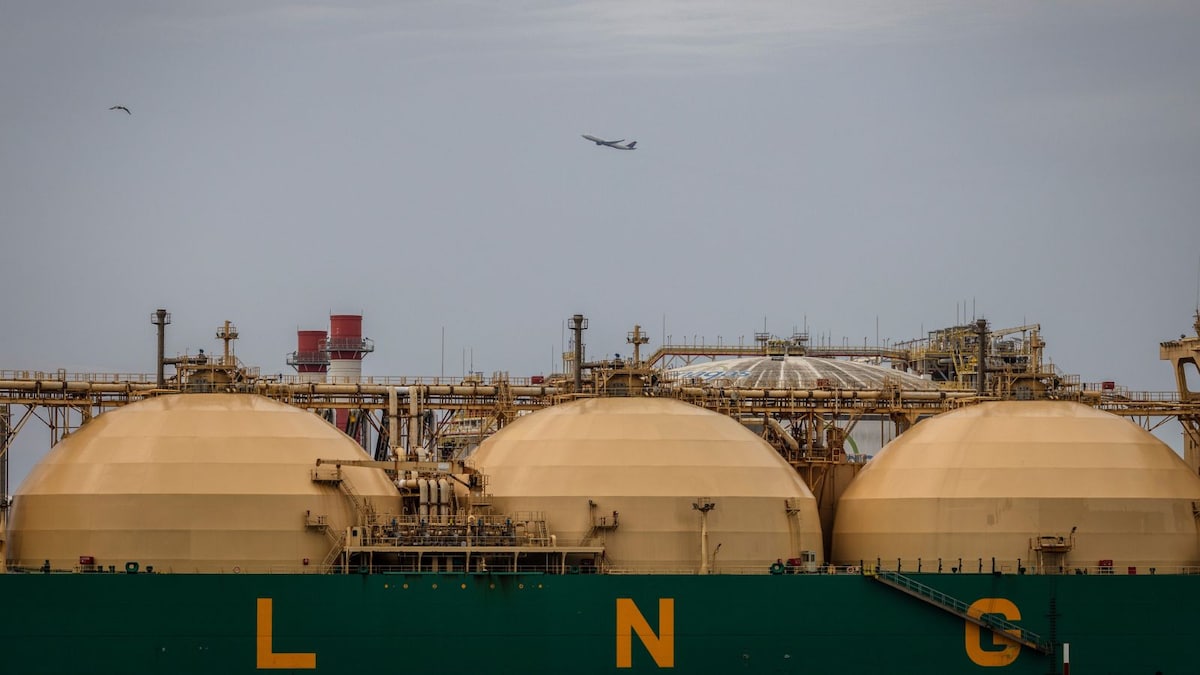
Qatar Repositions Empty LNG Tankers Amid Possible Export Resumption

US Fuel Prices Hit Labour Day Record Amid Iran War

Indian Stocks Fall as Defence, ESDS Shares Gain Midday
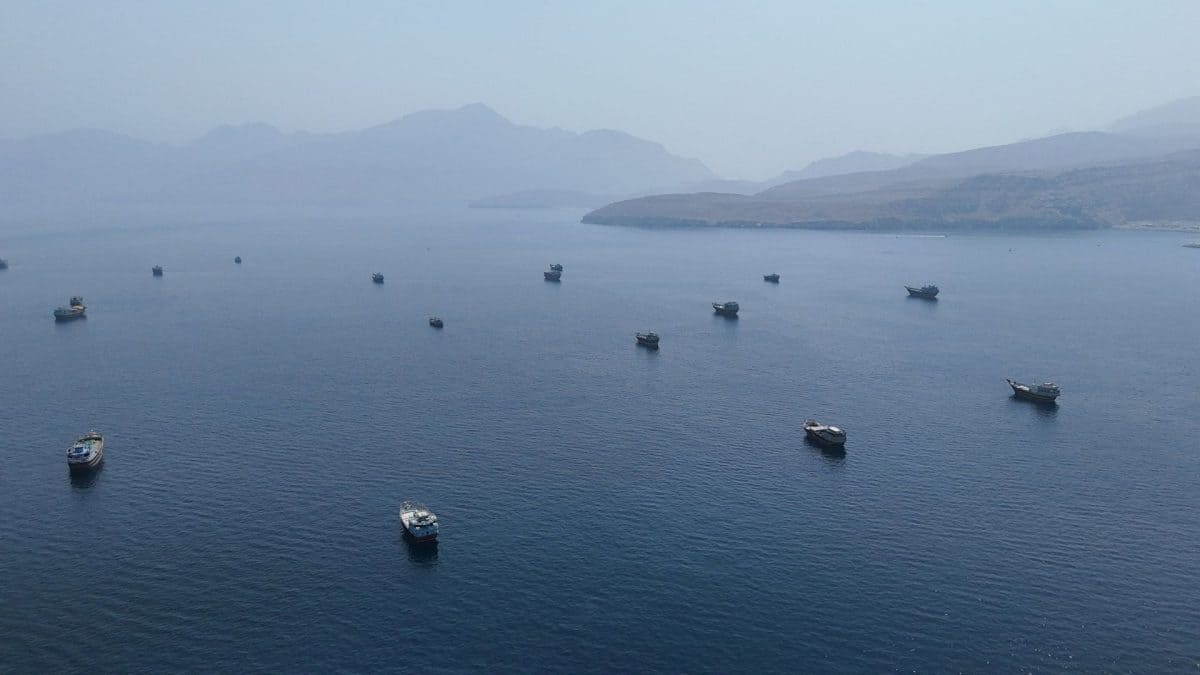
Report: US Navy SEALs Conducted Secret Strait Mine-Clearing Mission