1 month ago
India’s Operation Sindoor: Strategic Strike and Water‑Treaty Suspension
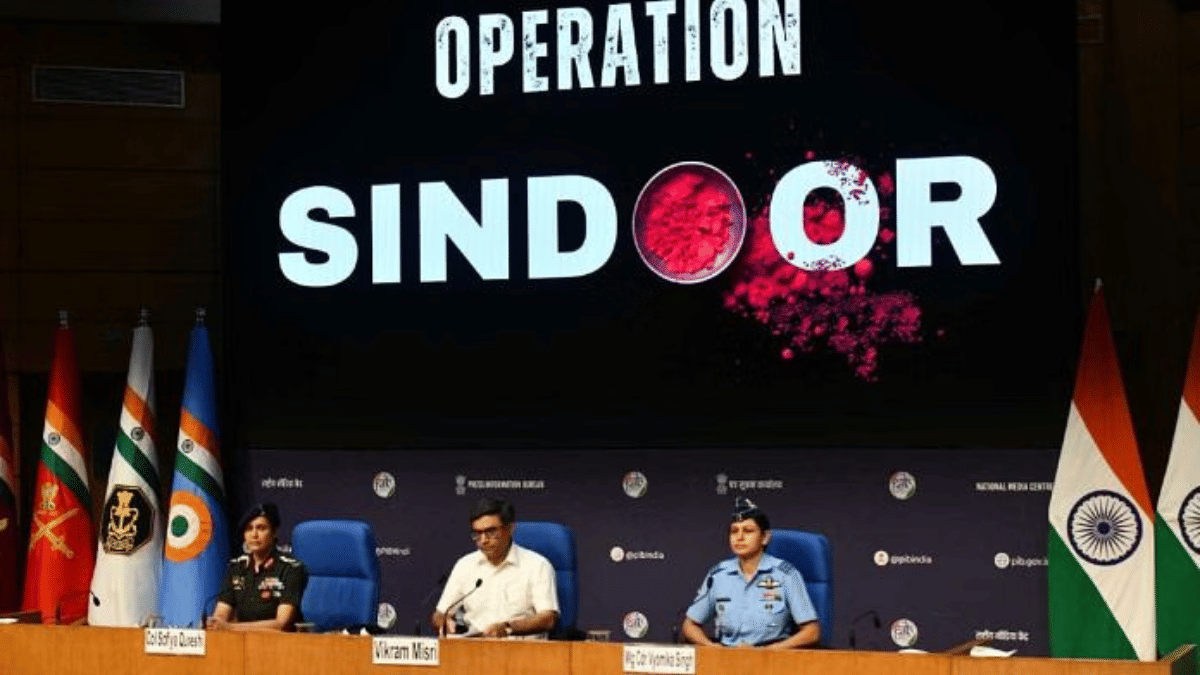
India launched a big military attack called Operation Sindoor in 2025.
It hit two important Pakistani airbases and damaged many weapons and radar systems.
India also stopped a treaty that lets Pakistan use water from the Indus River, which could hurt Pakistan’s farms.
Some Indians think the attack was not strong enough, but the author says it was a careful first move that shows India can now use real force against Pakistan.
The attack made Pakistan lose more planes than India, and it changes how both countries will act in future conflicts.

India struck Pakistani airbases Sargodha and Nur Khan, damaging aircraft, radars, air‑defence systems, and ammunition depots.
The operation led India to suspend the Indus Waters Treaty, threatening Pakistan’s water supply and agriculture.
India lost some aircraft, but Pakistan’s losses were heavier, marking a strategic shift in deterrence.
Critics in India argue the operation falls short of annexing Pakistan‑occupied Kashmir or Balochistan, comparing it to the 1971 war.
The author contends that 1971 conditions were unique; Operation Sindoor is a calibrated opening, not a final move, and sets a precedent for future Indian responses.
- Who
- India (Indian Air Force)
- What
- Operation Sindoor – air strikes on Pakistani targets and suspension of the Indus Waters Treaty
- Where
- Pakistan, Pakistan‑occupied Kashmir, Indus River basin
- When
- 2025
- Why
- To counter terrorism, apply pressure on Pakistan, and shift deterrence posture
Key facts
- Operation
- Operation Sindoor
- Date
- 2025
- Targets
- Pakistani airbases, radar and air‑defence systems, ammunition depots
- Outcome
- Heavy Pakistani losses, some Indian aircraft lost
- Strategic Impact
- Shifted deterrence posture, suspended Indus Waters Treaty
Sources
Related news

Ex-CDS Chauhan: India delayed Pakistan's ceasefire request during Operation Sindoor

Naravane Says Operation Sindoor Shifted India’s Pakistan Approach

President Murmu Hails Operation Sindoor, Backs Indus Waters Treaty Suspension

Bad Weather Redirected India’s Skardu Strike During Operation Sindoor

India Keeps Indus Treaty Suspended as Pakistan Warns Region

Former CDS Details Operation Sindoor Ceasefire and Pakistan Gaps

Sharif Urges Water Treaty Respect at SCO Summit

AIIMS Land Approval Advances Guntur Road Extension Projects

Himalayan Dam Boom Raises Flood and Seismic Risks

Pakistan Accused of Tolerating Terror Networks as Afghan Influence Fades

India-China Border Talks Test Prospects for Early Settlement