

1 week ago
Pakistan’s Dialogue Offer Exposes Limits Of Balochistan Repression
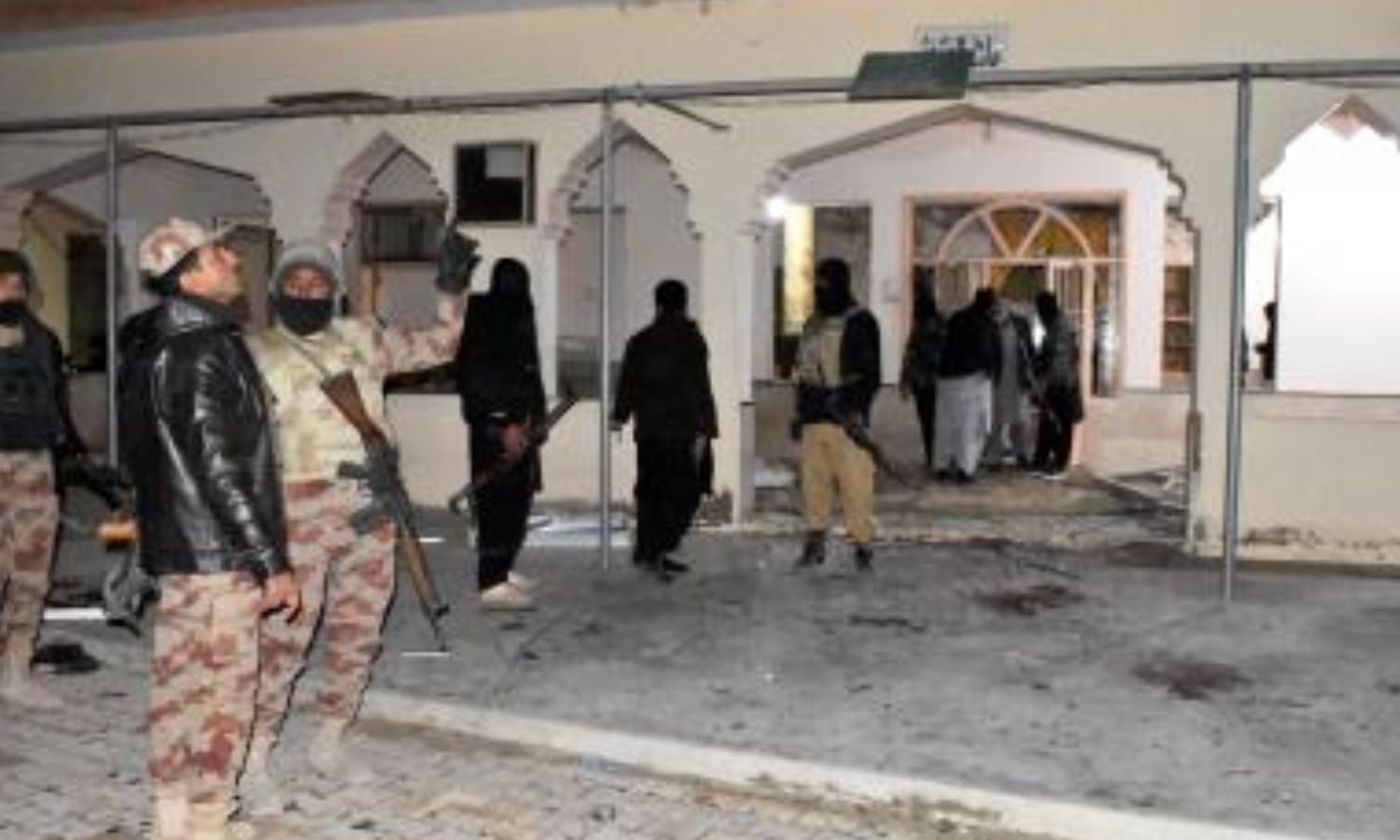
Pakistan has been using its army and other security forces to fight rebels in Balochistan for many years.
The fighting has not stopped, and many people have been killed.
Balochistan is rich in minerals and energy resources, but many residents remain poor.
Local people also say they have too little say in decisions made by Pakistan’s central government.
Some residents fear that mining and large projects will benefit outsiders more than local communities.
Prime Minister Shehbaz Sharif has now suggested holding a broad dialogue with the insurgents.
Supporters of talks see this as a chance to solve political and economic problems peacefully.
Critics of the government’s earlier approach say force has increased anger and recruitment into the insurgency.
The article says lasting peace will require addressing identity, rights, dignity, and resource-sharing.

Prime Minister Shehbaz Sharif has called for a “grand dialogue” with Baloch insurgents and offered to bring them back into the mainstream.
Balochistan recorded 265 violence-linked fatalities in the second quarter of 2026, while Balochistan and Khyber Pakhtunkhwa together accounted for 96 percent of such deaths.
The article argues that decades of military operations have failed to end the insurgency and have intensified resentment among Baloch communities.
Balochistan’s natural resources, limited political representation, and unequal distribution of benefits are identified as central grievances.
The China-Pakistan Economic Corridor and proposed foreign mining projects are portrayed as contributing to concerns over militarisation, identity, and local control.
- Who
- Pakistan’s government, Prime Minister Shehbaz Sharif, Baloch insurgents, and communities in Balochistan.
- What
- The government has offered a “grand dialogue” while violence and separatist unrest continue in Balochistan.
- Where
- Balochistan, Pakistan, with related violence also reported in Khyber Pakhtunkhwa.
- When
- The dialogue call was made this month; the article cites violence figures for the second quarter of 2026 and a July statement by Interior Minister Mohsin Naqvi.
- Why
- The offer seeks to contain escalating violence, while the article links the unrest to military repression, political marginalisation, unequal resource-sharing, and concerns about development projects.
Dialogue and reconciliation
Security and state control
How to address the insurgency
Dialogue and reconciliation
Supporters of dialogue argue that military repression has failed and that Pakistan should address political, economic, cultural, and identity-related grievances.
Security and state control
Pakistan’s security-focused position emphasises enforcing the state’s writ and continuing coercive measures against insurgent groups.
Resource development
Dialogue and reconciliation
Baloch critics argue that the province’s mineral wealth should benefit local communities through equitable resource-sharing and greater political autonomy.
Security and state control
Pakistan’s development approach includes resource extraction and major infrastructure projects, but critics say these initiatives have offered few tangible benefits to ordinary residents.
China-linked projects
Dialogue and reconciliation
Many Baloch residents reportedly view the China-Pakistan Economic Corridor and proposed foreign mining as threats to local identity, land, and control over resources.
Security and state control
The projects are presented as major infrastructure and investment initiatives connecting Pakistan with China, although the article says their local benefits remain disputed.
Key facts
- Dialogue proposal
- Prime Minister Shehbaz Sharif called for a “grand dialogue” and said insurgents could return to the mainstream.
- Fatalities
- Balochistan recorded 265 violence-linked fatalities in the second quarter of 2026.
- Violence concentration
- Balochistan and Khyber Pakhtunkhwa together accounted for 96 percent of violence-linked fatalities in Pakistan during that quarter.
- Natural resources
- Balochistan is described as rich in natural gas, coal, copper, and gold, while its population remains among Pakistan’s poorest.
- Economic corridor
- The China-Pakistan Economic Corridor is described as a $65 billion, 3,000-kilometre network linking Gwadar Port with China’s Xinjiang region.
- Security policy
- Interior Minister Mohsin Naqvi said in July that the state’s writ would be enforced “at all costs.”
- Foreign designation
- The United States labels the Balochistan Liberation Army a terrorist organisation.
Quotes

Shehbaz Sharif
Prime Minister of Pakistan
“mineral wealth belongs to the Baloch people”
 thehansindia.com
“state’s writ will be enforced at all costs”
thehansindia.com
Sources
Related news

Report: Pakistan's 'Hard State' Approach Fuels Insurgency, Turmoil

United Baloch Army Claims Responsibility for Bridge Blast in Pakistan
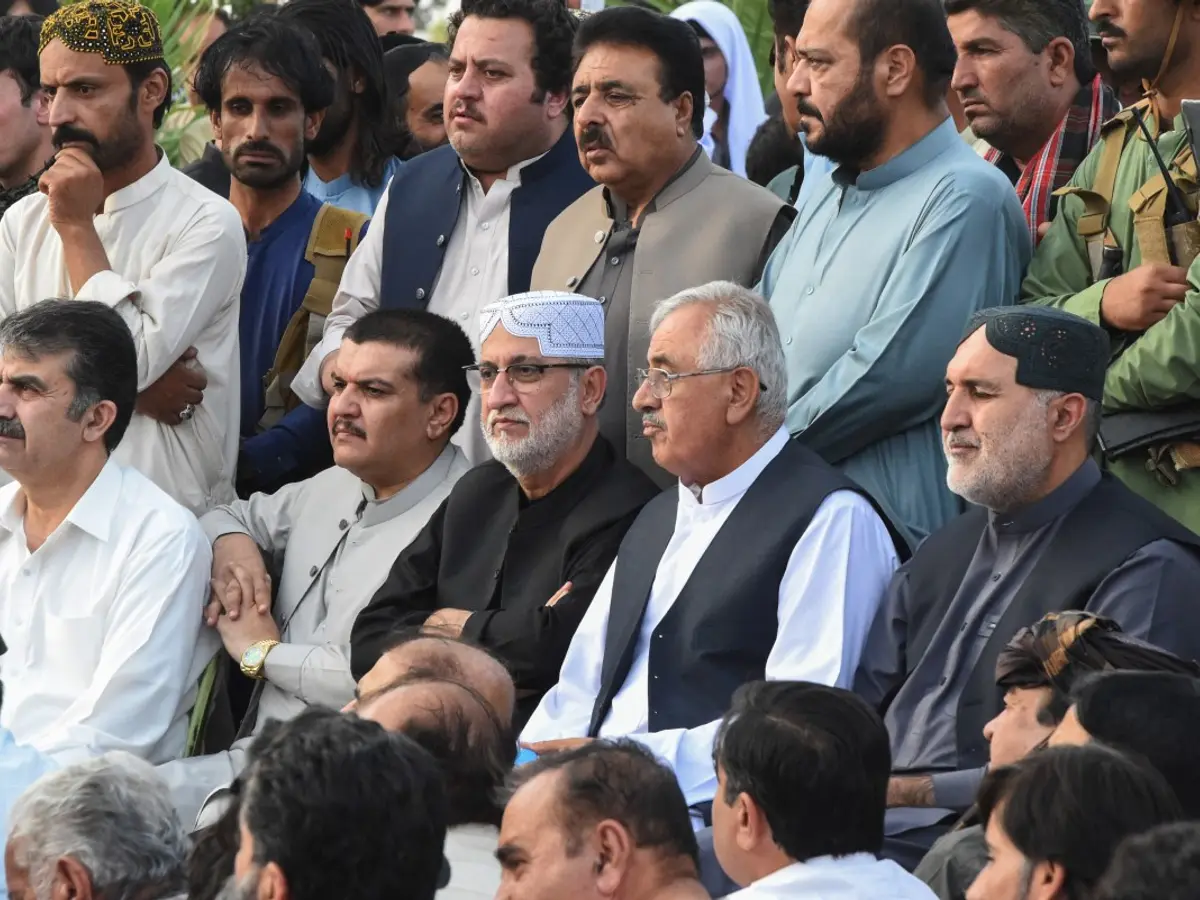
What is Pakistan without Balochistan? Nation losing its soul

Balochistan's Crisis of Trust: HRCP Report Details Systemic Repression
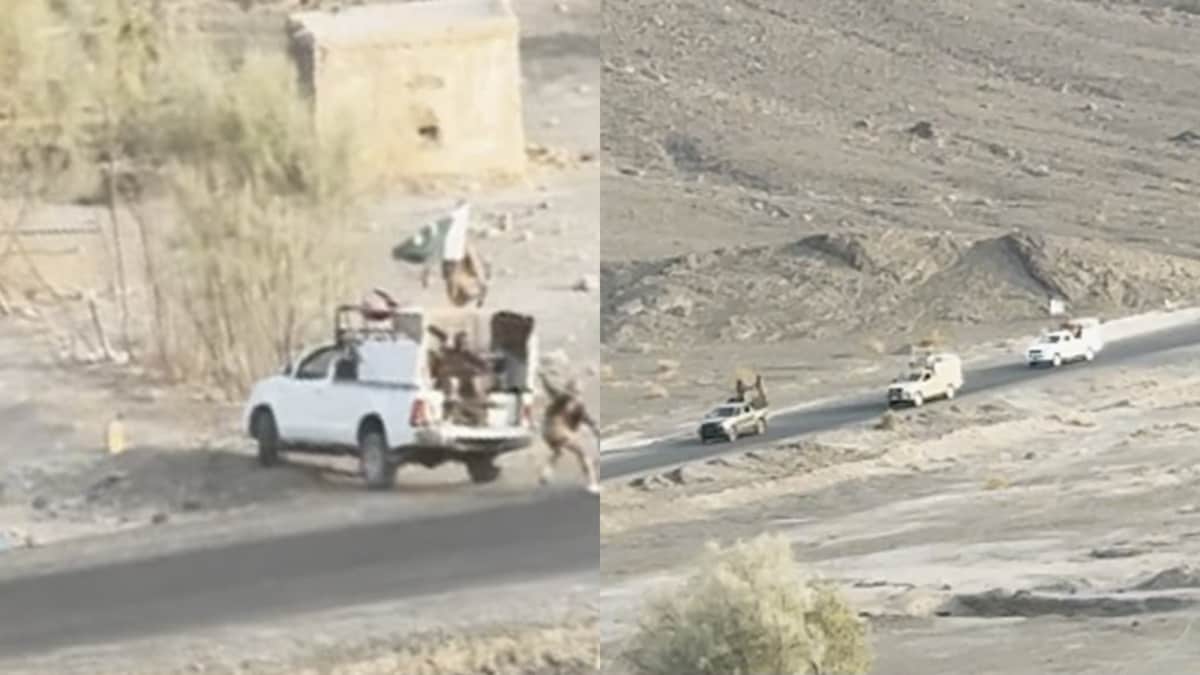
Baloch Separatists Claim Seven Killed in Nushki Convoy Attack
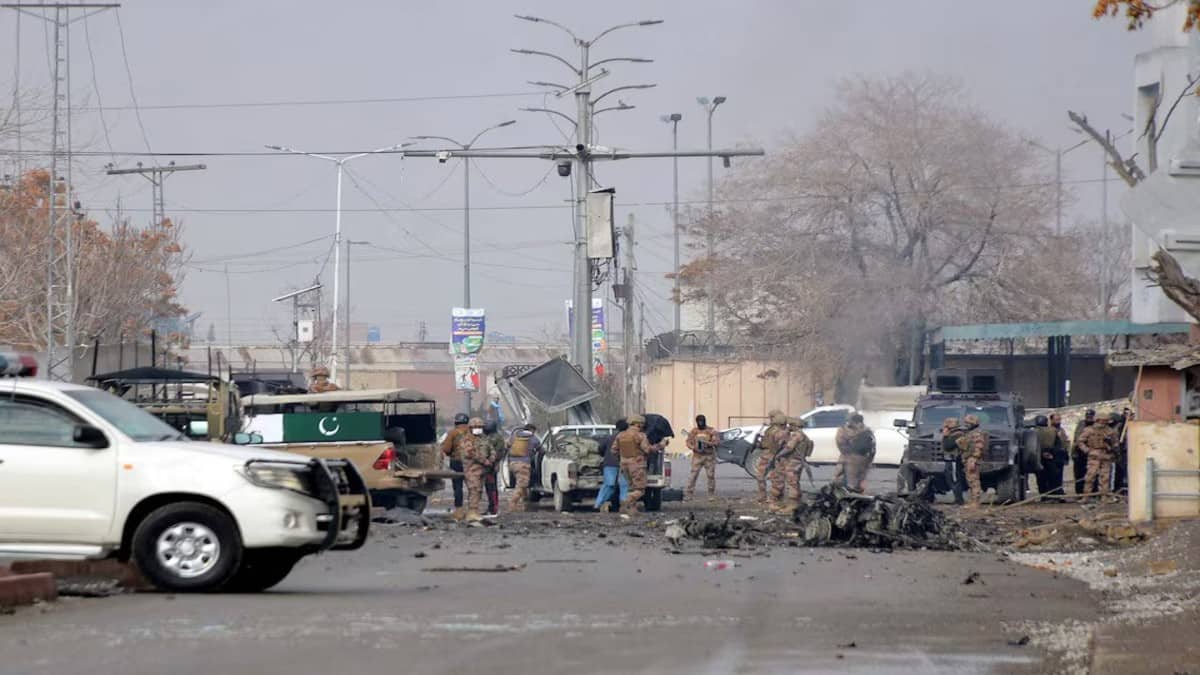
Pakistan intensifies military operation in Balochistan's Kharan district
US-Iran Conflict Threatens India's Chabahar Port Plans
Balochistan's 1948 Annexation and India Ties
