Science & Tech · Gadgets & EVs · 3 hrs ago
Old hard drives can be combined into a RAID array
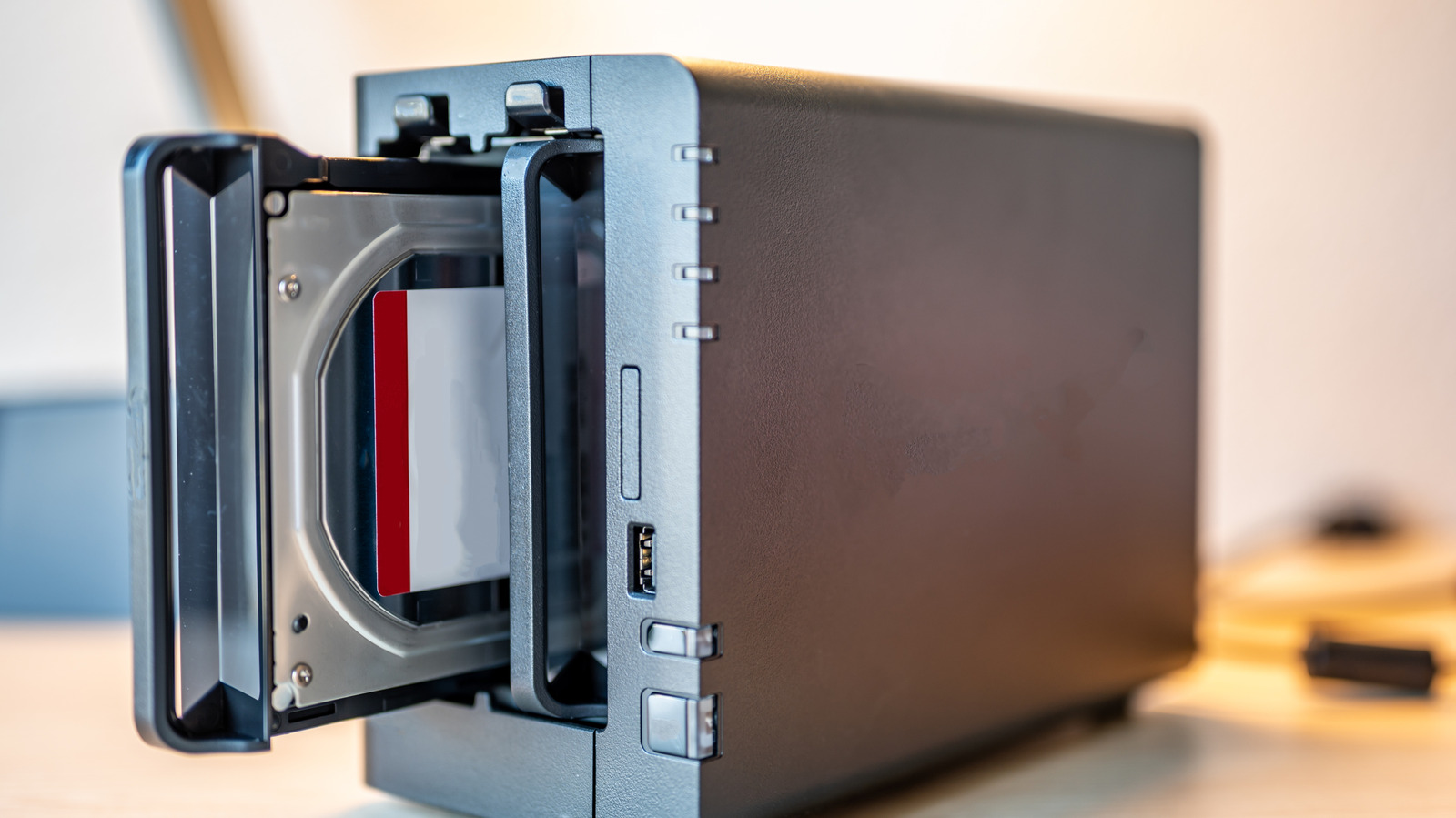
RAID combines two or more hard drives so they work as one storage unit.
It can give old drives a new use and may improve transfer speeds, though it will not match an SSD.
The main reason to use RAID is often to reduce the risk of losing data when a drive fails.
RAID 0 spreads data across drives for speed and space, but offers no protection if a drive fails.
RAID 1 keeps matching copies on the drives, but with two equal-sized drives, only half their combined capacity is available.
RAID 5 needs at least three drives, while RAID 10 is another common setup.
The right choice depends on the balance of speed, storage space and protection, and RAID does not replace a full backup.

RAID can combine multiple old hard drives so they function as a single storage unit.
The setup can provide faster transfer speeds than a conventional hard drive, though not SSD speeds.
Some RAID configurations offer redundancy, but RAID does not replace a full backup.
RAID 0 has no data protection, while RAID 1 mirrors data and uses half the total capacity.
RAID 5 requires at least three drives, according to the article.
- Who
- People with old hard drives, including those who build their own computers.
- What
- A guide to combining old hard drives into a RAID array.
- When
- The article was published on October 12, 2026.
- Where
- Not stated.
- Why
- To give old drives a new purpose and provide faster or more reliable storage.
This story does not have two clearly opposing sides.
This story does not have a timeline yet.
- RAID
- Redundant Array of Independent Disks
- RAID 0
- Combines two or more disks without parity; offers zero data protection
- RAID 1
- Mirrors data across disks and uses 50 percent of total capacity
- RAID 5
- Requires at least three drives
- Publication date
- October 12, 2026
What people are saying
A RAID system doesn't replace a full backup, but it does ensure that you won't lose your data if one of your hard drives fails completely.
In short, it's a great way to get faster speeds, but not so great for keeping your data safe.
Sources
Related news
Musk says Tesla robotaxis will be updated to avoid roaming pets

Apple lets customers prepare iPhone Duo pre-orders ahead of Friday
Nothing OS 5.0 with Android 17 starts rolling out to Phone (3)

OnePlus launches 10,000 mAh power bank with 67W charging

Google launches Fitbit Edge with GPS, health tracking and replaceable battery
Toshiba launches four compact eFuse chips for low-voltage power lines
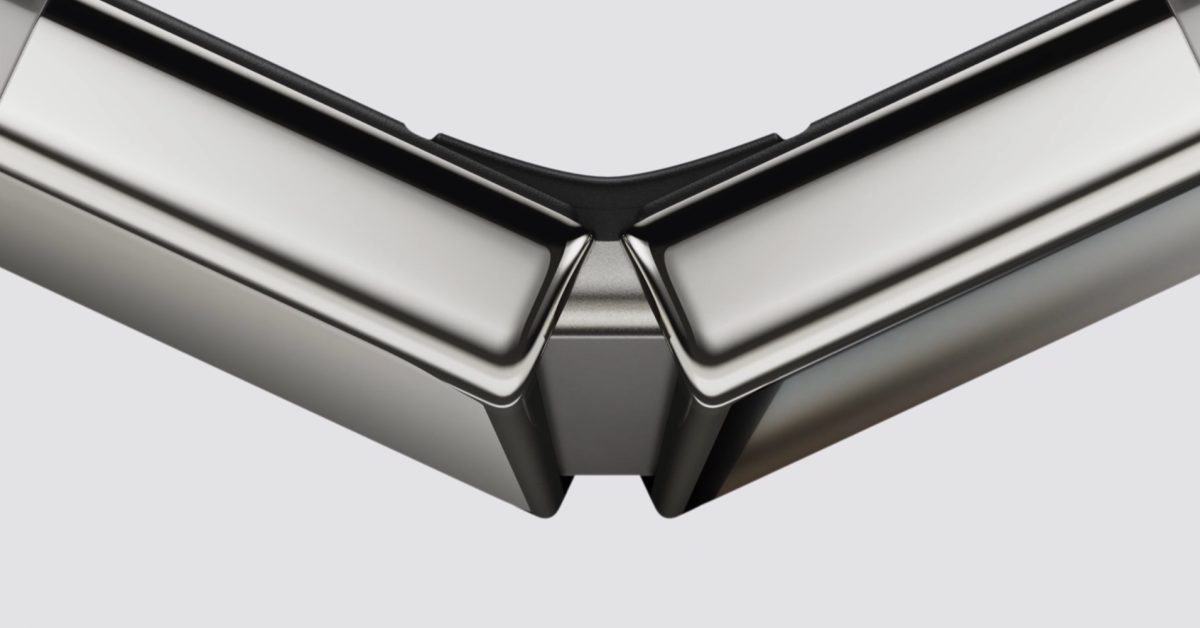
Apple routes a flexible graphite pipe through the iPhone Duo hinge to manage heat
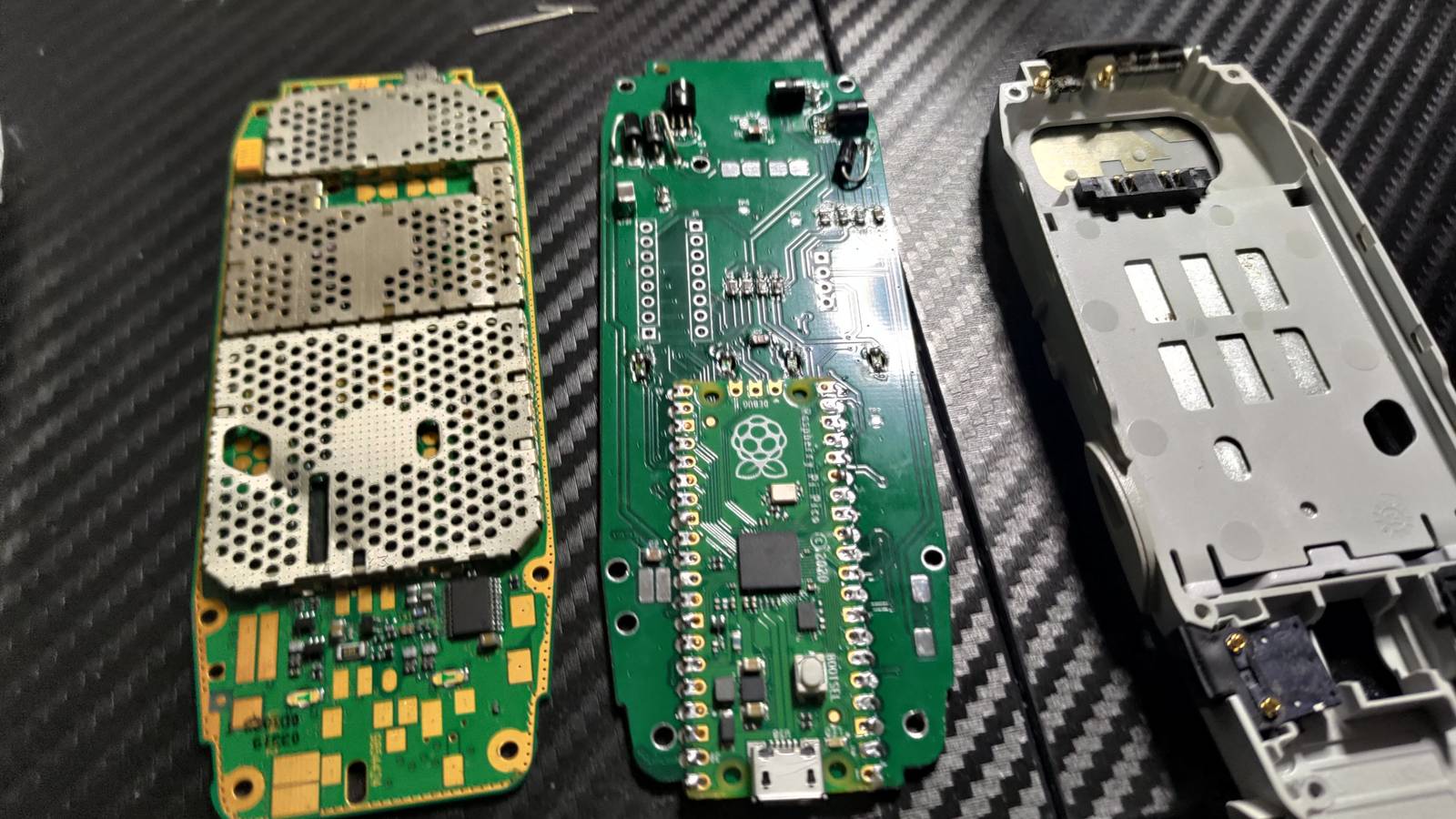
Nokia 3310 mod uses Raspberry Pi Pico to run a game on its original screen
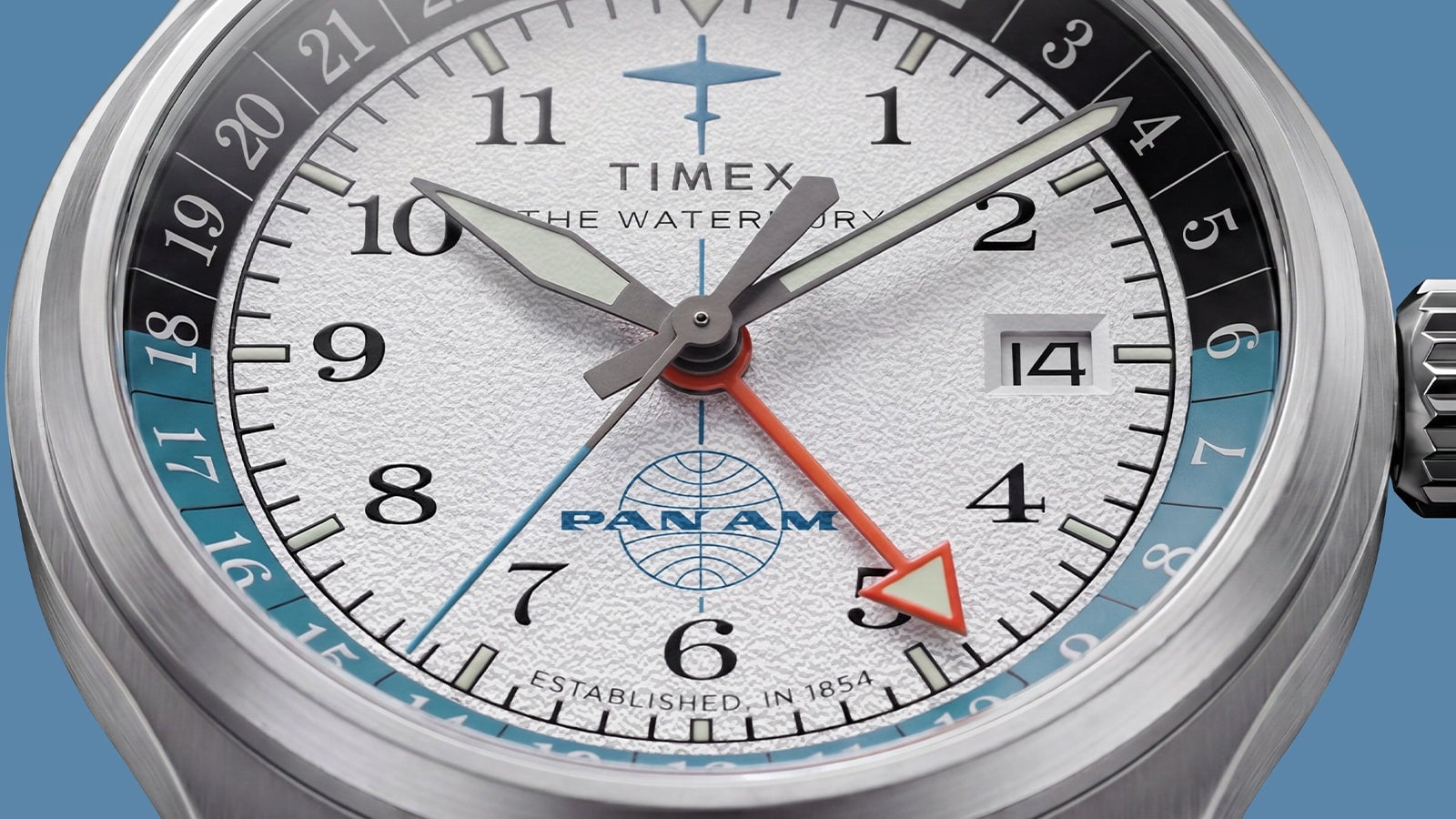
Timex launches $349 Pan Am Waterbury GMT watch in the US
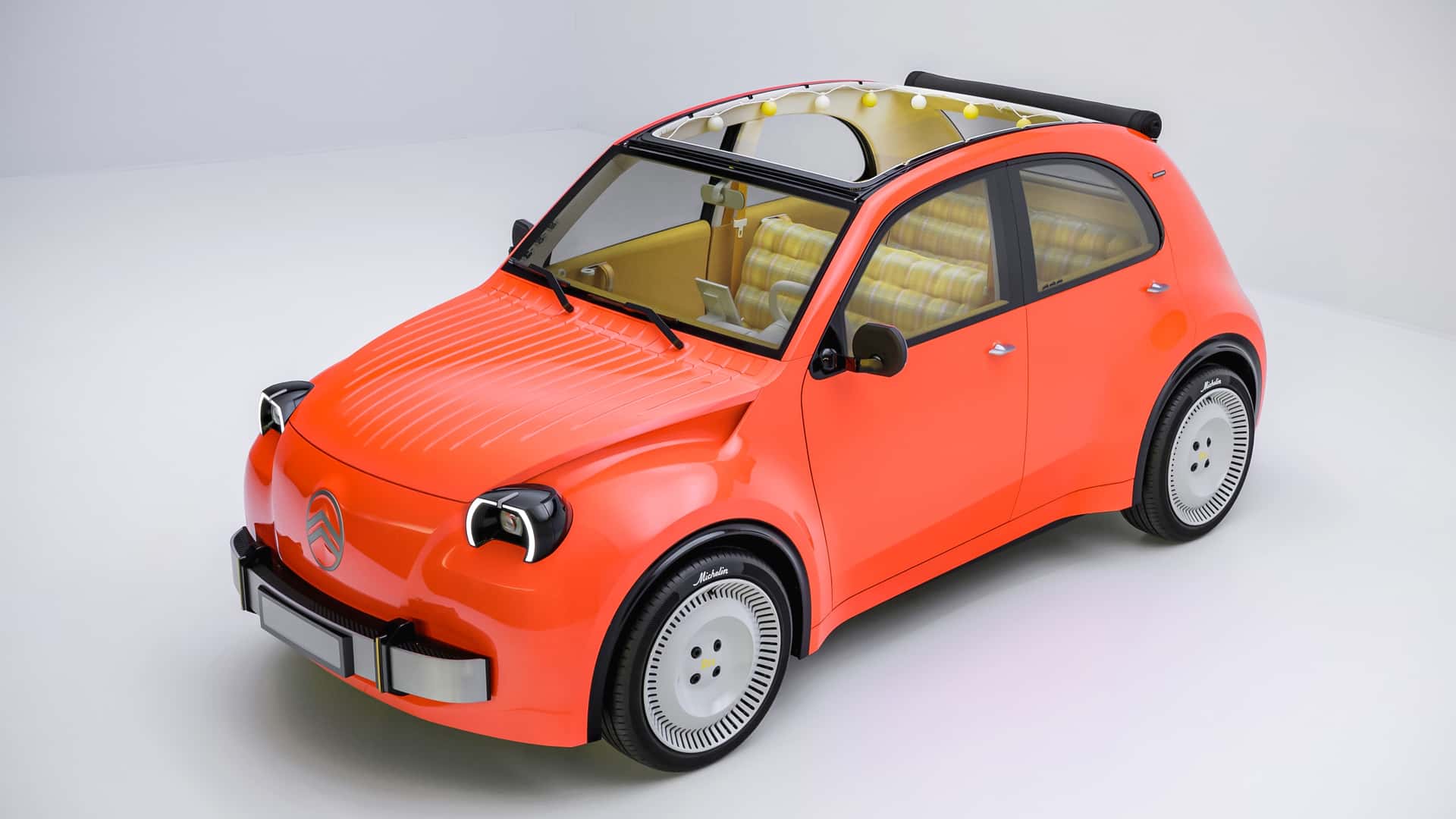
Citroën unveils electric 2CV concept, with production planned for 2028

Check TV and soundbar compatibility before buying them together