Health · Fitness & Nutrition · 4 hrs ago
Creatine may support muscle performance when combined with resistance training
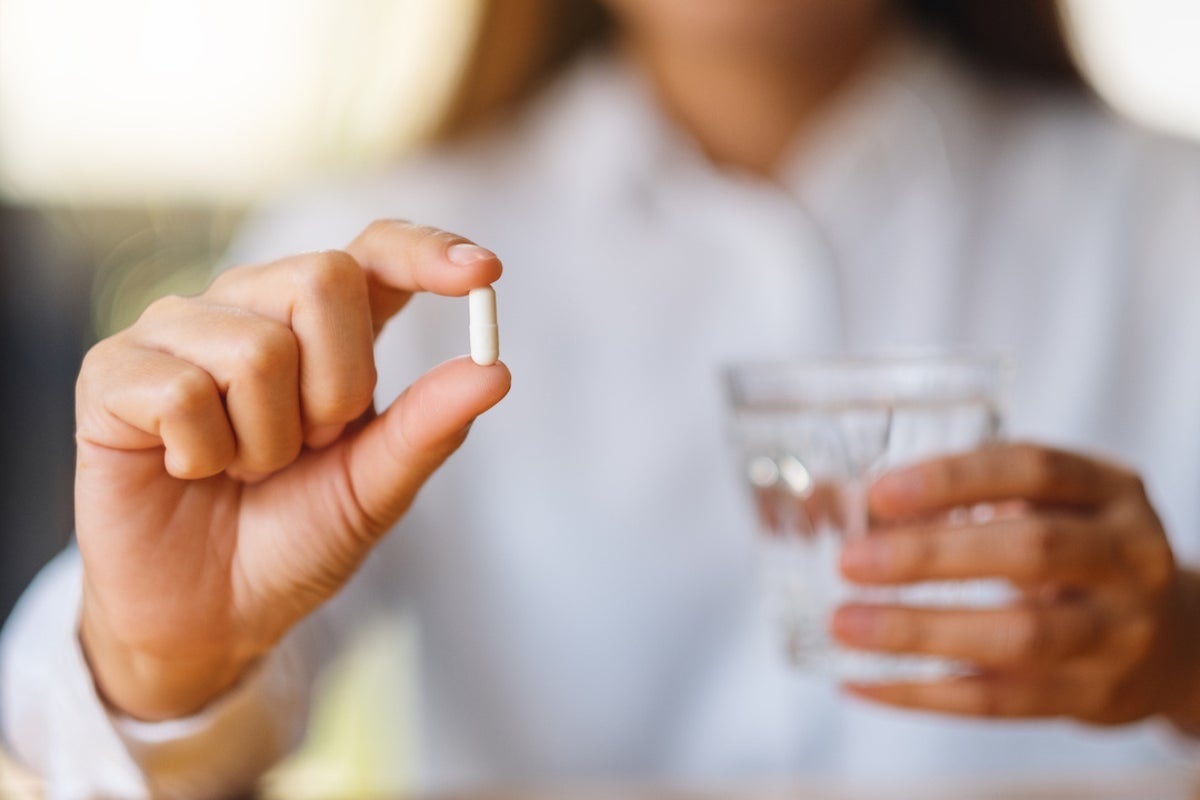
Creatine is a substance the body makes and also gets from foods such as red meat and seafood.
Supplements have become more popular, particularly among young men seeking greater muscle size and strength.
Most creatine is stored in muscles, where it helps maintain the energy used during short, intense exercise.
Studies support using creatine with resistance training to improve muscle performance and gains.
The article also describes research into possible effects on glucose use, blood flow, inflammation and brain function, but does not give details on those findings.
A commonly used dose is five grams a day, and the article says supplementation is generally well-tolerated by healthy people.
Creatine on its own is not presented as a substitute for resistance training; the reported benefits come mainly from combining the two.

Creatine supplementation may support muscle performance when combined with resistance training.
Creatine is stored mainly in muscles as phosphocreatine, which helps maintain the body’s primary energy source, ATP.
The article says higher creatine levels may help people train at greater intensity or for longer.
It gives typical dosage recommendations for men of five grams daily or 0.1 grams per kilogram of bodyweight per day.
The article says creatine is generally well-tolerated by healthy people, citing a position stand by the International Society of Sports Nutrition.
- Who
- People using creatine, particularly those seeking greater muscle size or strength.
- What
- The article discusses how creatine may support muscle performance when combined with resistance training.
- When
- Published on 12 October 2026.
- Where
- Not stated.
- Why
- Creatine may help maintain energy during short, high-intensity exercise and enable more intensive or longer resistance training.
This story does not have two clearly opposing sides.
This story does not have a timeline yet.
- Typical daily dose
- Five grams
- Alternative dose
- 0.1 grams per kilogram of bodyweight per day
- Cost per serving
- About $0.50
- Publication date
- 12 October 2026
Sources
Related news

Dynamic stretches may help boost energy during morning grogginess or an afternoon slump

Heel Condition Sidelined Runners, Sometimes Requiring Surgery

Argentine experts urge shared meals to help shape young people’s eating habits

Chennai centre to offer free bone health checks on October 20

Journalist tests cooling bedding and a side-sleeper pillow

Trail runners face questions about race-day bathroom access and trail care

Ryan Seacrest shares how he balances fitness with food and wine

Runner’s World hosts discuss when to run again after a marathon

Trainer offers guidance on starting strength training in midlife

More couples are sleeping apart to improve their rest

TODAY invites viewers to share how its health coverage affected them