

Science & Tech · Space · 1 day ago
A 10-minute X-ray burst may have come from colliding neutron stars
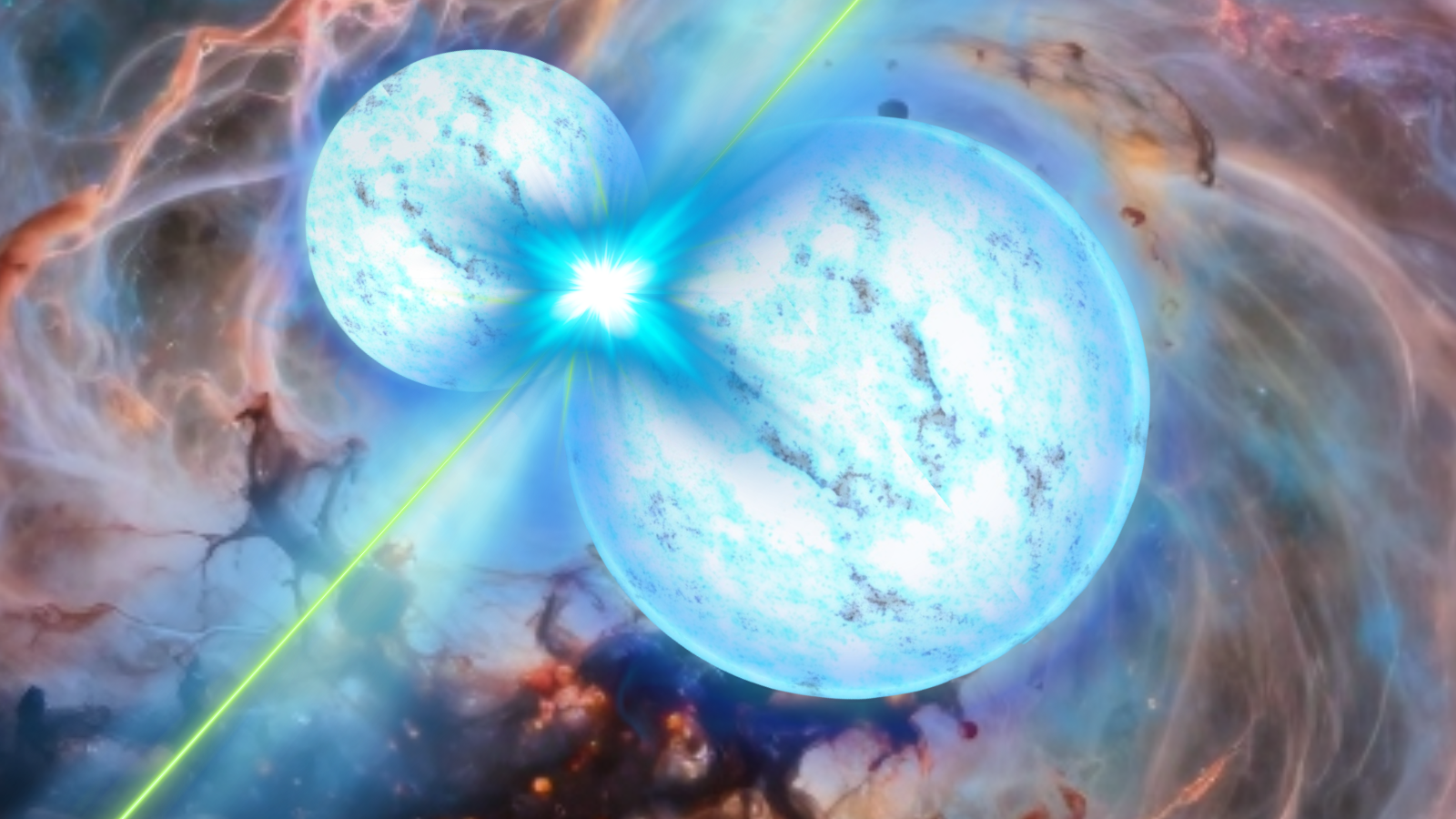
A burst of gamma rays was followed by X-rays that lasted 10 minutes.
Astronomers think the flash may have come from two neutron stars colliding.
Such collisions can create heavy elements, including gold, silver and platinum.
If the explanation is right, some neutron star mergers may produce X-ray flashes that last much longer than scientists expected.

Astronomers say a burst of X-rays lasting 10 minutes may have come from two neutron stars colliding.
The event, designated EP250704a, was first detected on July 4, 2025, after a half-second burst of gamma rays.
Researchers studied the aftermath using the European Southern Observatory’s Very Large Telescope, the Very Large Array and other telescopes.
The team says the event could be the longest-lasting prompt X-ray flash observed from a neutron star merger.
The proposed explanation could help account for some unexplained X-ray flashes detected by the Einstein Probe.
- Who
- A team of astronomers led in the VLT observations by Niccolò Passaleva studied the event.
- What
- They investigated a 10-minute X-ray burst that may have come from colliding neutron stars.
- When
- The event was first seen on July 4, 2025.
- Where
- The burst came from a distant galaxy; the galaxy’s name is not stated.
- Why
- The team studied the event to investigate its cause and whether neutron star mergers can produce X-ray bursts lasting minutes.
This story does not have two clearly opposing sides.
This is the longest-lasting prompt X-ray flash ever observed from a neutron star merger
It is an opportunity to have a front-row seat to the most extreme forces of the universe and discover more of its secrets.
When I saw the X-ray data from this new event, I realized something was up
The Einstein Probe launched.
EP250704a was first seen as a half-second gamma-ray burst followed by a 10-minute X-ray emission.
Astronomers studied the aftermath using the VLT, the VLA and other telescopes.
Space.com published its report on the suspected neutron star merger.
- Event designation
- EP250704a
- First seen
- July 4, 2025
- Gamma-ray burst duration
- Half a second
- X-ray emission duration
- 10 minutes
- Observatories used
- VLT and VLA
Sources
Related news

Victoria Jaggard Takes on Space Editor Role at The New York Times

Margaret Hamilton, whose software helped Apollo astronauts reach the Moon, dies at 90
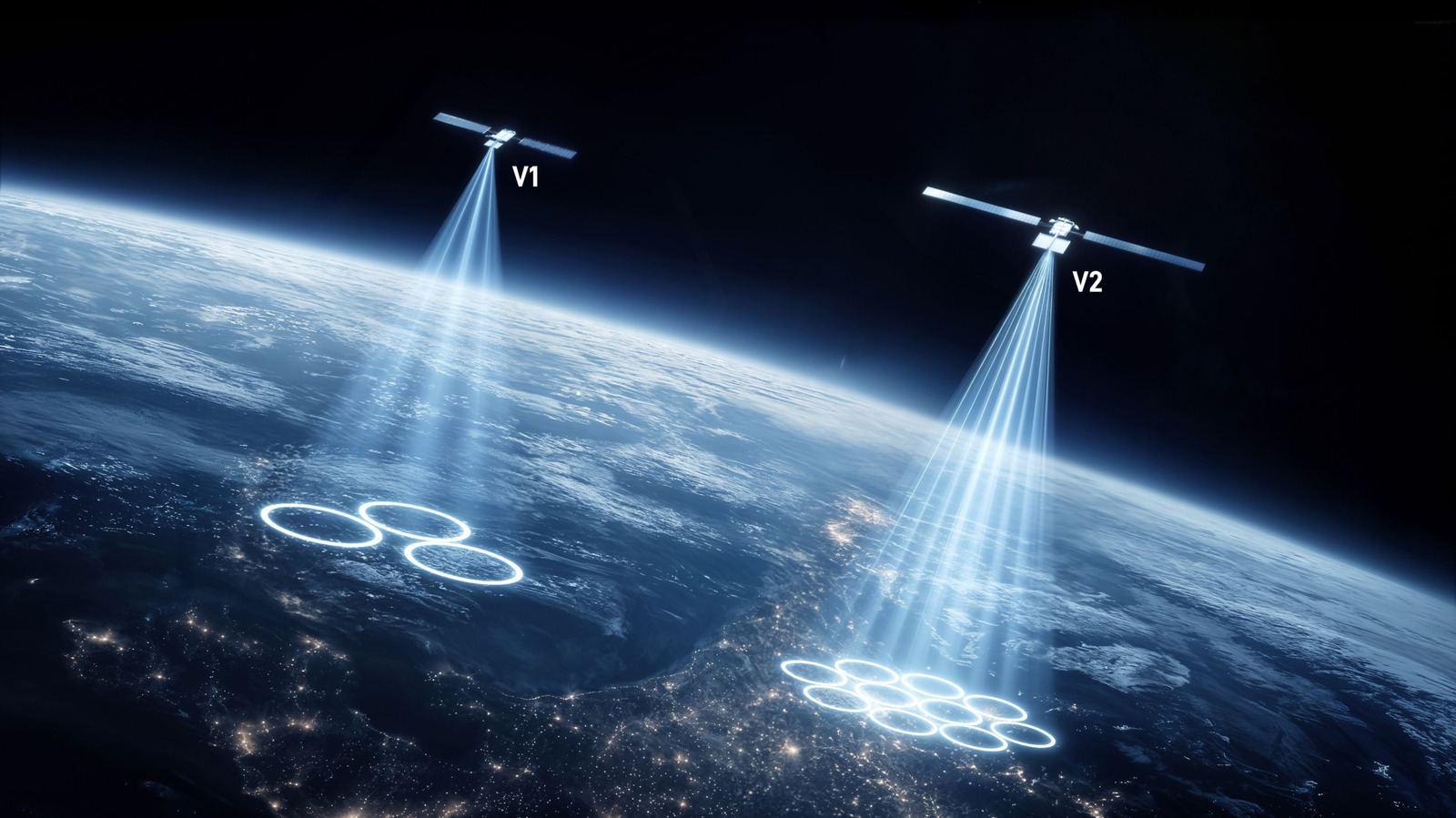
SpaceX plans to expand Starlink into a major US mobile carrier

NASA releases nearly 800 GB of Artemis II lunar data

Astronomers trace record-distant radio burst to a young galaxy

India-France TRISHNA satellite expected to launch within 12 to 16 months
Camera captures aurora over parts of the Netherlands

NASA posts more than 800GB of Artemis II science data online
Black hole jets may switch on at the same feeding threshold

New Images Reveal Gas Knots and a Possible Survivor in Supernova Remnant
Apollo 7 launches as the first crewed Apollo mission
