Science & Tech · Space · 17 hrs ago
NASA releases nearly 800 GB of Artemis II lunar data

NASA has released about 800 gigabytes of data collected by the four-person Artemis II crew as they flew around the moon earlier this year.
The material includes thousands of images, more than eight hours of crew audio, videos, notes and transcripts, and is available through NASA’s online repositories.
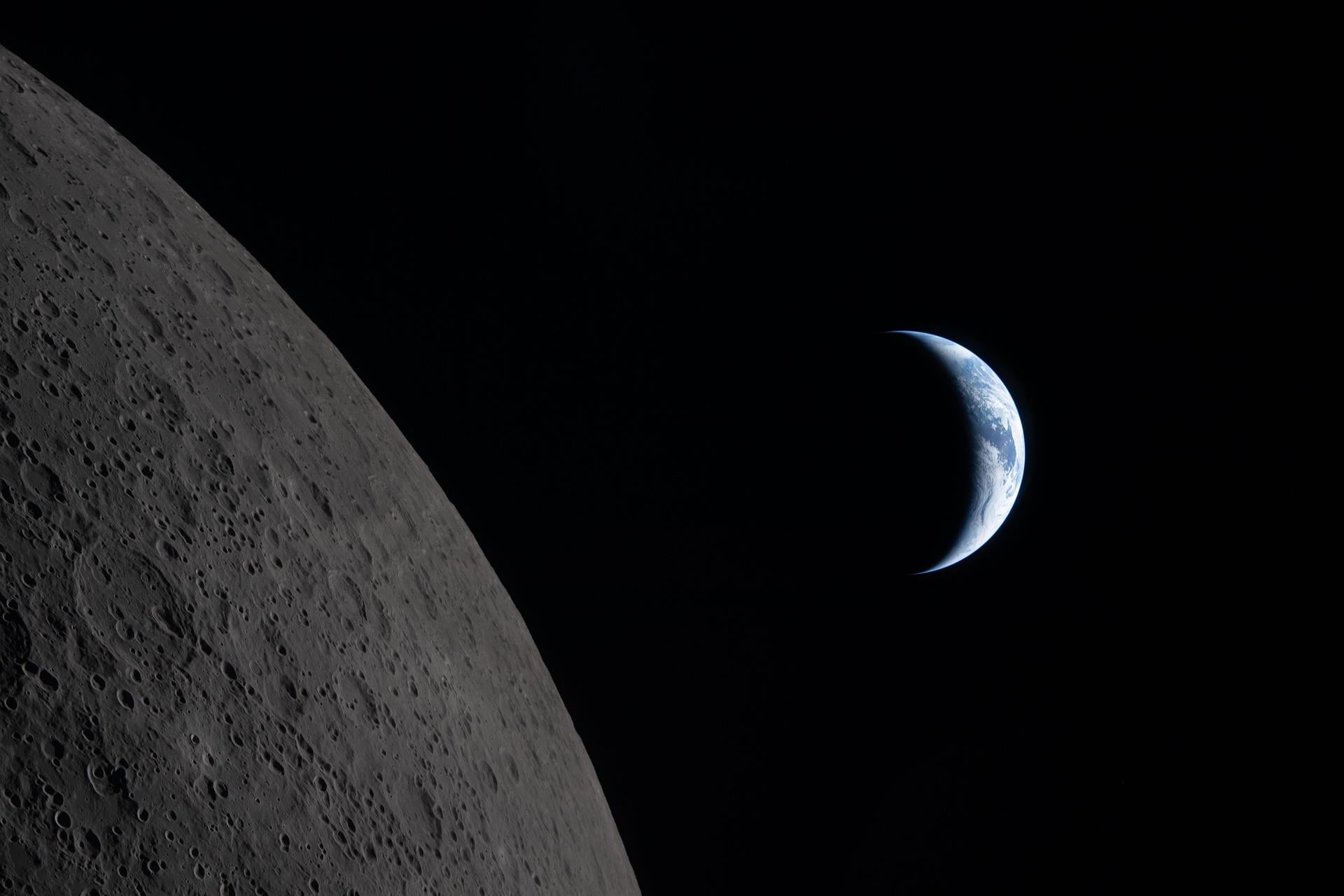
The mission was the first crewed flight to lunar space in more than half a century, and its observations offer a close look at parts of the moon that people have rarely seen.
Early analysis identified five flashes caused by small meteoroids hitting the lunar surface during a 54-minute eclipse.
Learning how often these objects strike matters because they could threaten future astronauts, vehicles and a planned base near the moon’s south pole.
The images also show differences in lunar terrain and lighting that may help scientists assess landing sites and prepare crews for difficult conditions.
Researchers can now analyze the public data, while NASA has also shared preliminary reports and selected materials for general readers.

NASA has released about 800 gigabytes of scientific data from the Artemis II mission, including images, video, audio and astronaut notes.
The data document the crew’s observations during a crewed trip around the moon earlier this year.
Initial analysis identified five small meteoroid impacts on the lunar surface during a lunar eclipse.
NASA says the observations may help researchers assess lunar conditions and plan future missions, including a proposed base near the south pole.
The archive is available through NASA’s Planetary Data System, alongside three reports on the mission’s science.
- Who
- NASA released the data collected by the four Artemis II astronauts.
- What
- The release includes about 800 gigabytes of lunar science data and three reports. It includes 11,000 full-resolution images and videos, audio, notes and transcripts.
- When
- NASA presented preliminary findings on October 7, according to Scientific American. The data were collected between April 1 and 10.
- Where
- The observations were made during the crew’s flight around the moon, including the lunar farside. The data are available through NASA’s Planetary Data System.
- Why
- The data can support lunar research and help shape future Artemis missions, including plans for a base near the moon’s south pole.
This story does not have two clearly opposing sides.
These findings are going to help shape future Artemis mission architectures
matters for the future of human exploration
We’re probably safe going forward
The Artemis II crew flew around the moon and collected lunar science data between April 1 and 10.
The crew observed five flashes on the lunar farside during a 54-minute eclipse.
NASA presented preliminary findings from the mission, according to Scientific American.
Reports described NASA’s public release of the Artemis II data and supporting science reports.
- Data released
- About 800 gigabytes; Scientific American reports 814 gigabytes captured
- Image and video archive
- 11,000 full-resolution images and videos
- Crew audio
- More than eight hours; Wired reports 8.5 hours
- Detected impacts
- Five small meteoroid impacts on the lunar surface
- Eclipse observation
- 54 minutes
- Repository
- NASA’s Planetary Data System
Sources

Related news

Victoria Jaggard Takes on Space Editor Role at The New York Times

Margaret Hamilton, whose software helped Apollo astronauts reach the Moon, dies at 90
SpaceX plans to expand Starlink into a major US mobile carrier

Astronomers trace record-distant radio burst to a young galaxy

India-France TRISHNA satellite expected to launch within 12 to 16 months
Camera captures aurora over parts of the Netherlands

NASA posts more than 800GB of Artemis II science data online
Black hole jets may switch on at the same feeding threshold

New Images Reveal Gas Knots and a Possible Survivor in Supernova Remnant

French astronaut Sophie Adenot says space brought a full range of emotions
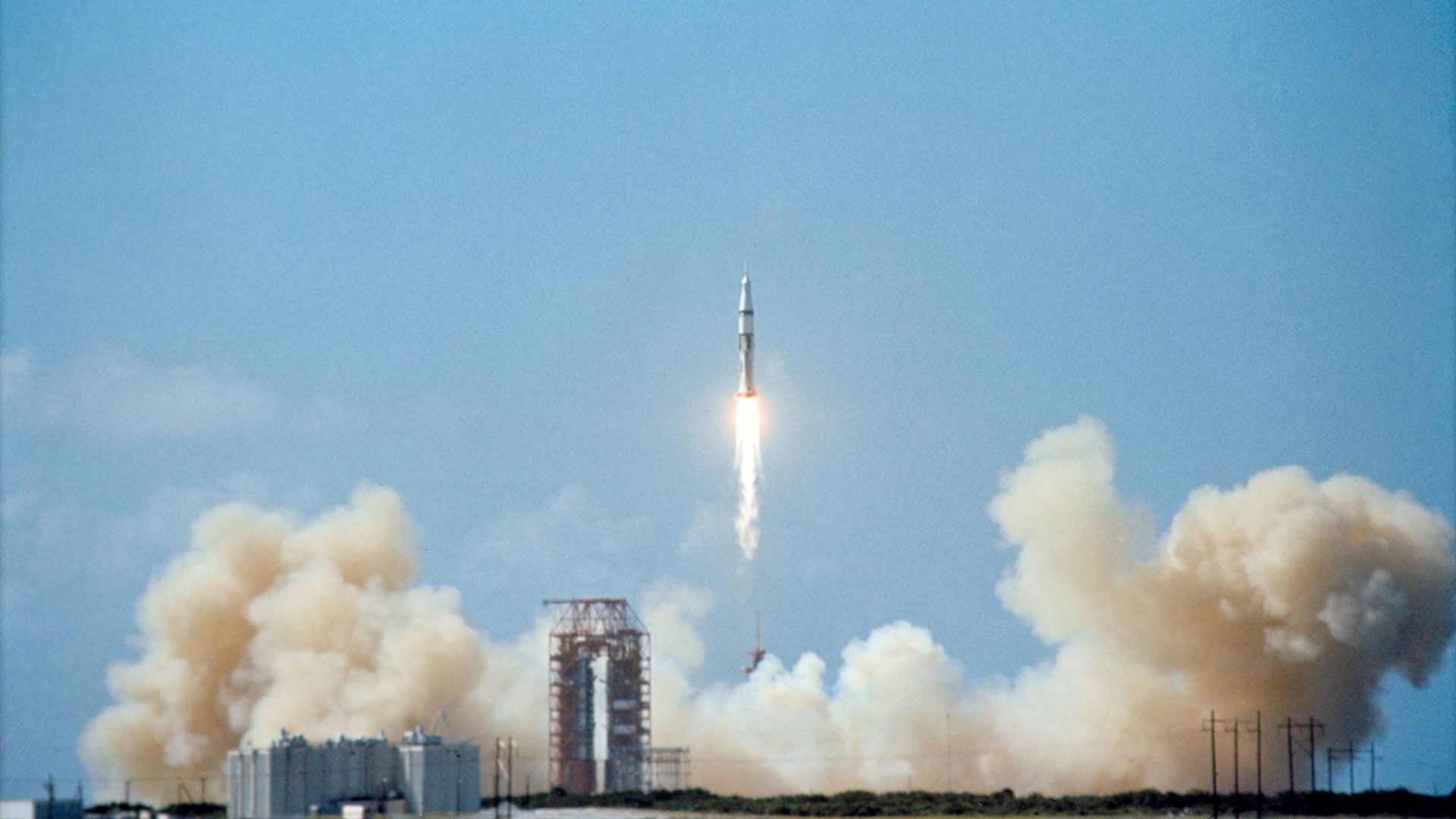
Apollo 7 launches as the first crewed Apollo mission