

Science & Tech · Space · 1 day ago
Astronomers detect the most distant fast radio burst yet
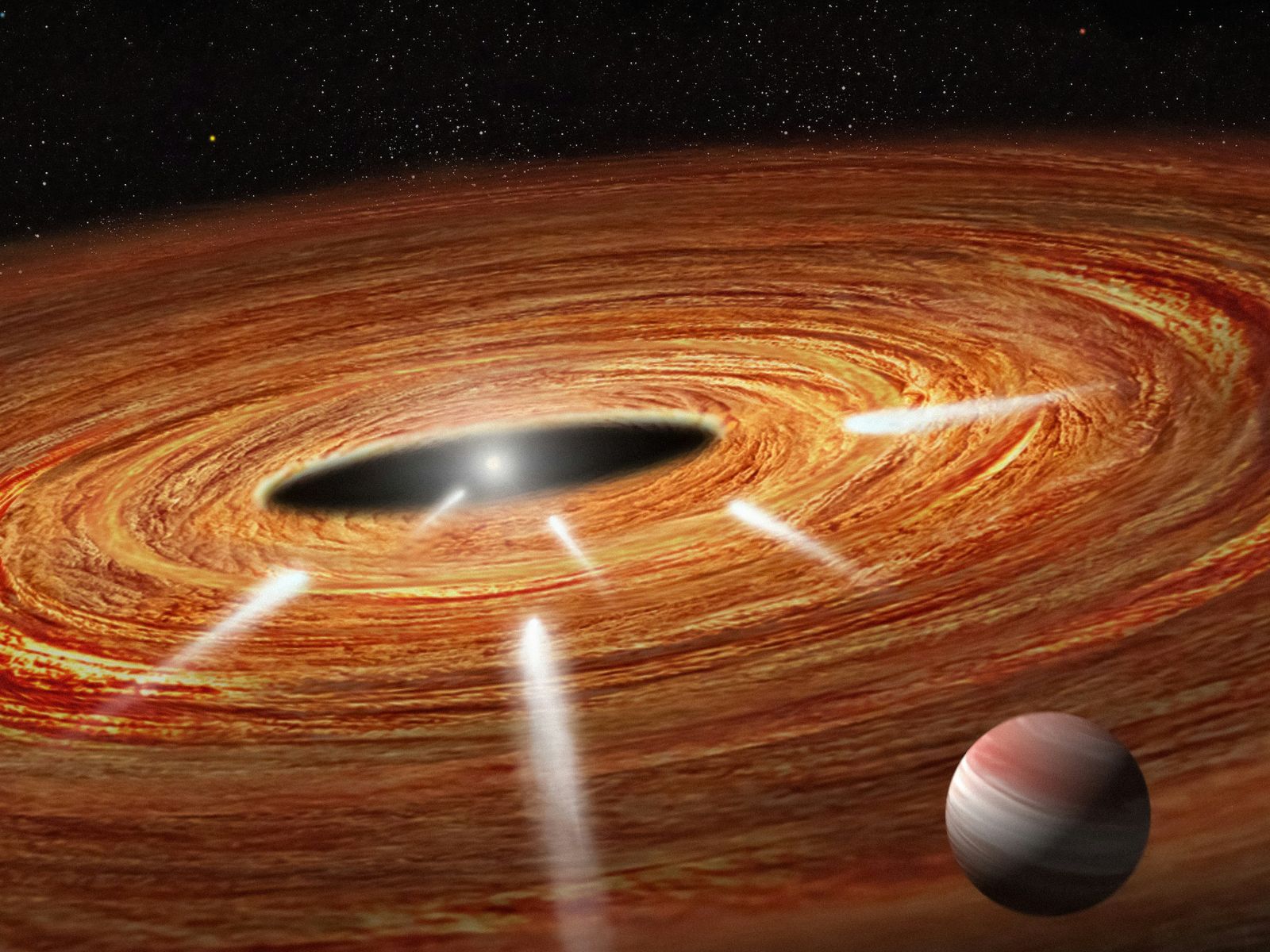
Astronomers have detected the most distant fast radio burst known so far, using the James Webb Space Telescope and the MeerKAT radio telescope.
The burst was first detected in March 2024 and is called FRB 20240304B.
It came from a small, metal-poor galaxy about 10.63 billion light-years from Earth, in the direction of the constellation Virgo.
The burst occurred when the universe was about 3 billion years old.
Fast radio bursts last only milliseconds, and their signals pass through matter between galaxies, so they can help scientists study how that matter is distributed.
The object that caused this burst is unknown, although a magnetar is one possible explanation.
The findings may help astronomers learn more about matter and galaxies in the early universe.

Astronomers have detected the most distant fast radio burst known to date, using observations from the James Webb Space Telescope and the MeerKAT radio telescope.
The burst, named FRB 20240304B, was detected in March 2024.
It originated when the universe was about 3 billion years old, according to astronomers.
Researchers identified its host galaxy, a small, metal-poor galaxy about 10.63 billion light-years from Earth in the direction of Virgo.
Studying the burst may help researchers understand how matter is distributed within and between galaxies.
The object that produced it remains unknown, though magnetars are among the possible candidates.
- Who
- Astronomers detected FRB 20240304B using the James Webb Space Telescope and MeerKAT.
- What
- They identified the most distant fast radio burst known to date.
- When
- It was detected in March 2024.
- Where
- Its host galaxy is about 10.63 billion light-years from Earth, in the direction of the constellation Virgo.
- Why
- Studying the burst may help researchers understand the distribution of matter within and between galaxies.
This story does not have two clearly opposing sides.
No direct quotes in the coverage so far.
Astronomers first detected the fast radio burst FRB 20240304B.
Findings about the burst were published in Science.
- Burst
- FRB 20240304B
- Detection
- March 2024
- Telescope
- James Webb Space Telescope
- Radio telescope
- MeerKAT
- Host galaxy distance
- About 10.63 billion light-years from Earth
- Universe age at burst
- About 3 billion years
Sources
Related news

Victoria Jaggard Takes on Space Editor Role at The New York Times

Margaret Hamilton, whose software helped Apollo astronauts reach the Moon, dies at 90
SpaceX plans to expand Starlink into a major US mobile carrier
NASA releases nearly 800 GB of Artemis II lunar data

Astronomers trace record-distant radio burst to a young galaxy

India-France TRISHNA satellite expected to launch within 12 to 16 months
Camera captures aurora over parts of the Netherlands

NASA posts more than 800GB of Artemis II science data online
Black hole jets may switch on at the same feeding threshold

New Images Reveal Gas Knots and a Possible Survivor in Supernova Remnant
Apollo 7 launches as the first crewed Apollo mission
