Science & Tech · Space · 37 mins ago
Lockheed Martin unveils next-generation Patriot interceptor for advanced threats

Lockheed Martin has unveiled PAC-3 Edge, a planned new interceptor for the Patriot missile defence system.
The US defence company says it is designed to counter hypersonic missiles and other advanced threats.
PAC-3 Edge builds on the existing PAC-3 MSE interceptor, which the company says has been tested in combat.
Its upgraded components include a guidance seeker, flight controls and a multi-pulse rocket engine developed with Northrop Grumman.
These changes are intended to let it intercept threats at greater distances and higher altitudes.
Lockheed Martin aims to begin flight tests in 2027 and deploy the interceptor in 2031.
Once full production is reached, the company aims to make about 2,000 PAC-3 Edge interceptors a year.

Lockheed Martin has unveiled PAC-3 Edge, a next-generation Patriot interceptor designed for advanced missile threats, including hypersonic missiles.
The company says the interceptor builds on the field-proven PAC-3 MSE and upgrades key components.
PAC-3 Edge is designed to engage advanced threats at greater distances and higher altitudes.
Flight testing is expected to begin in 2027, with deployment targeted for 2031.
Lockheed Martin aims to produce about 2,000 PAC-3 Edge interceptors a year at full production.
- Who
- Lockheed Martin unveiled the interceptor.
- What
- It introduced PAC-3 Edge, a next-generation Patriot interceptor for advanced threats, including hypersonic missiles.
- When
- The announcement was made on October 9, local time.
- Where
- Not stated.
- Why
- It is designed to counter hypersonic and other advanced missile threats at greater distances and higher altitudes.
This story does not have two clearly opposing sides.
Lockheed Martin announced PAC-3 Edge in a press release.
Flight testing is expected to begin.
Lockheed Martin is targeting deployment of the interceptor.
- Interceptor
- PAC-3 Edge
- Predecessor
- PAC-3 MSE
- Flight tests
- Expected to begin in 2027
- Deployment target
- 2031
- Full-production goal
- About 2,000 interceptors a year
Sources

Related news
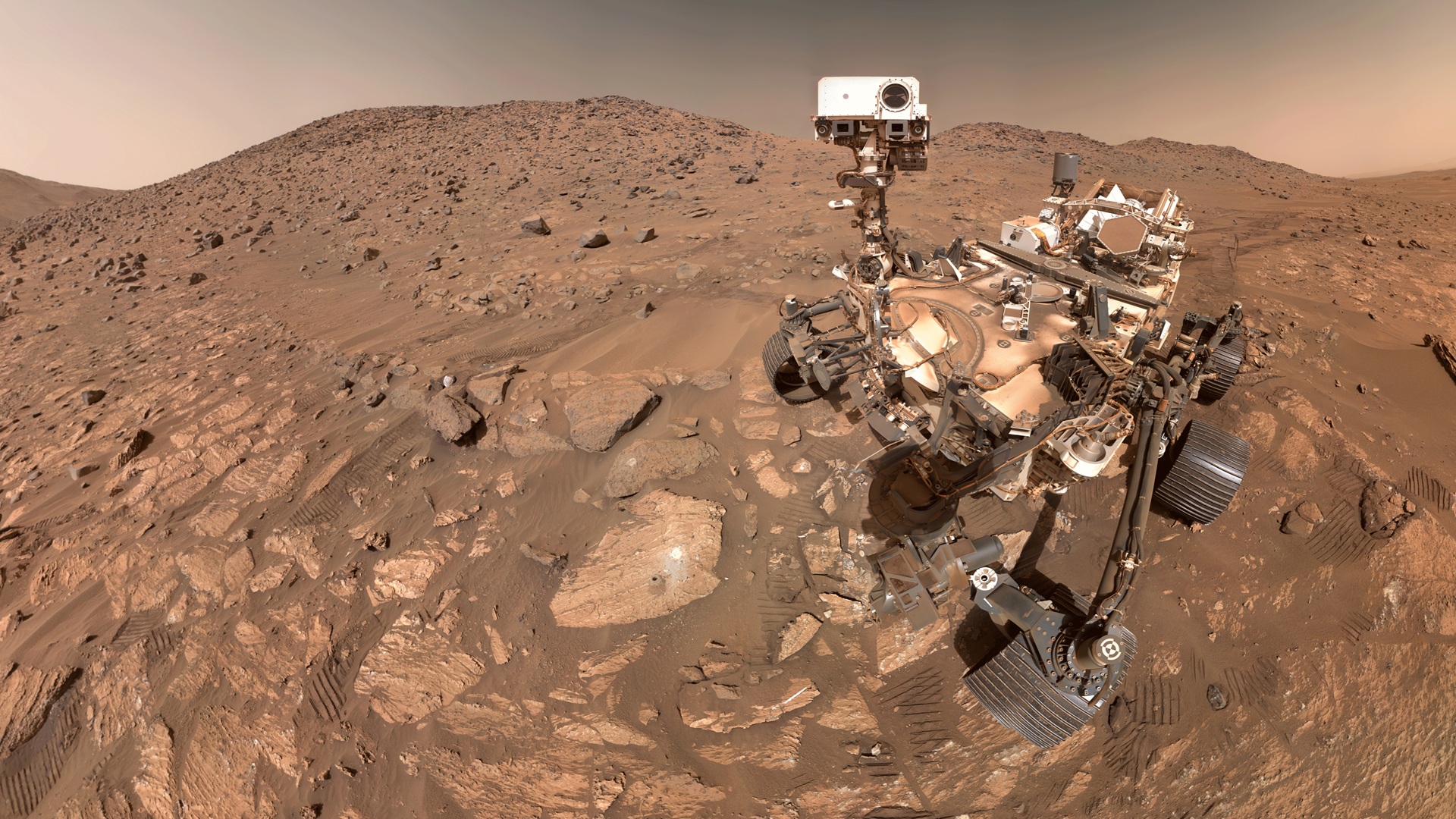
Perseverance sets Mars driving record at 28.10 miles

SpaceX set to send solar arrays and supplies to the space station

China’s 16th Airshow to run in Zhuhai from December 7 to 13
China air show to feature more than 3,000 exhibits

All nine Nuriho rideshare satellites establish contact
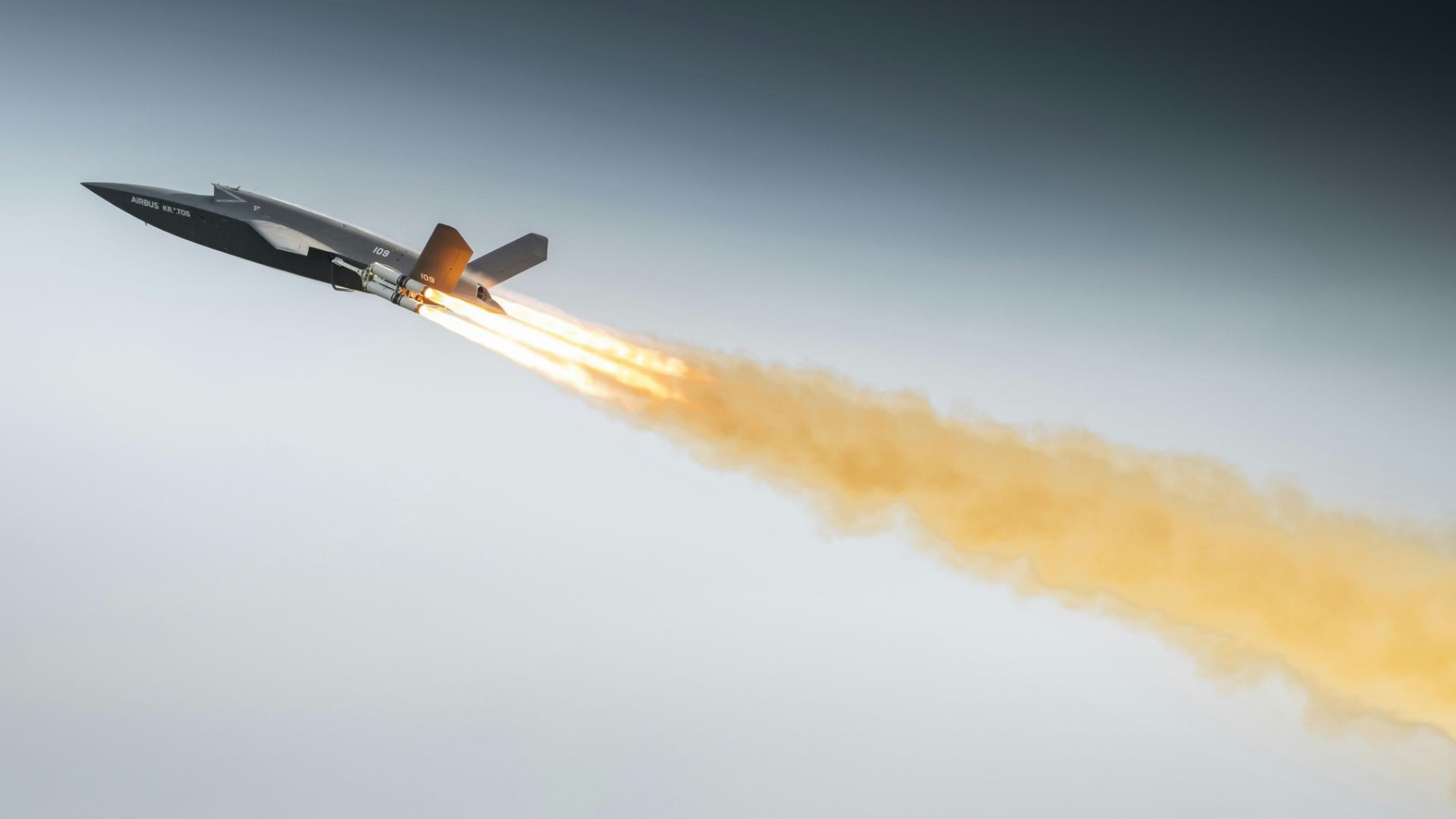
Valkyrie combat drone completes first flight test in Europe

French astronaut Sophie Adenot says space brought a full range of emotions

NASA releases nearly 800 GB of Artemis II lunar data
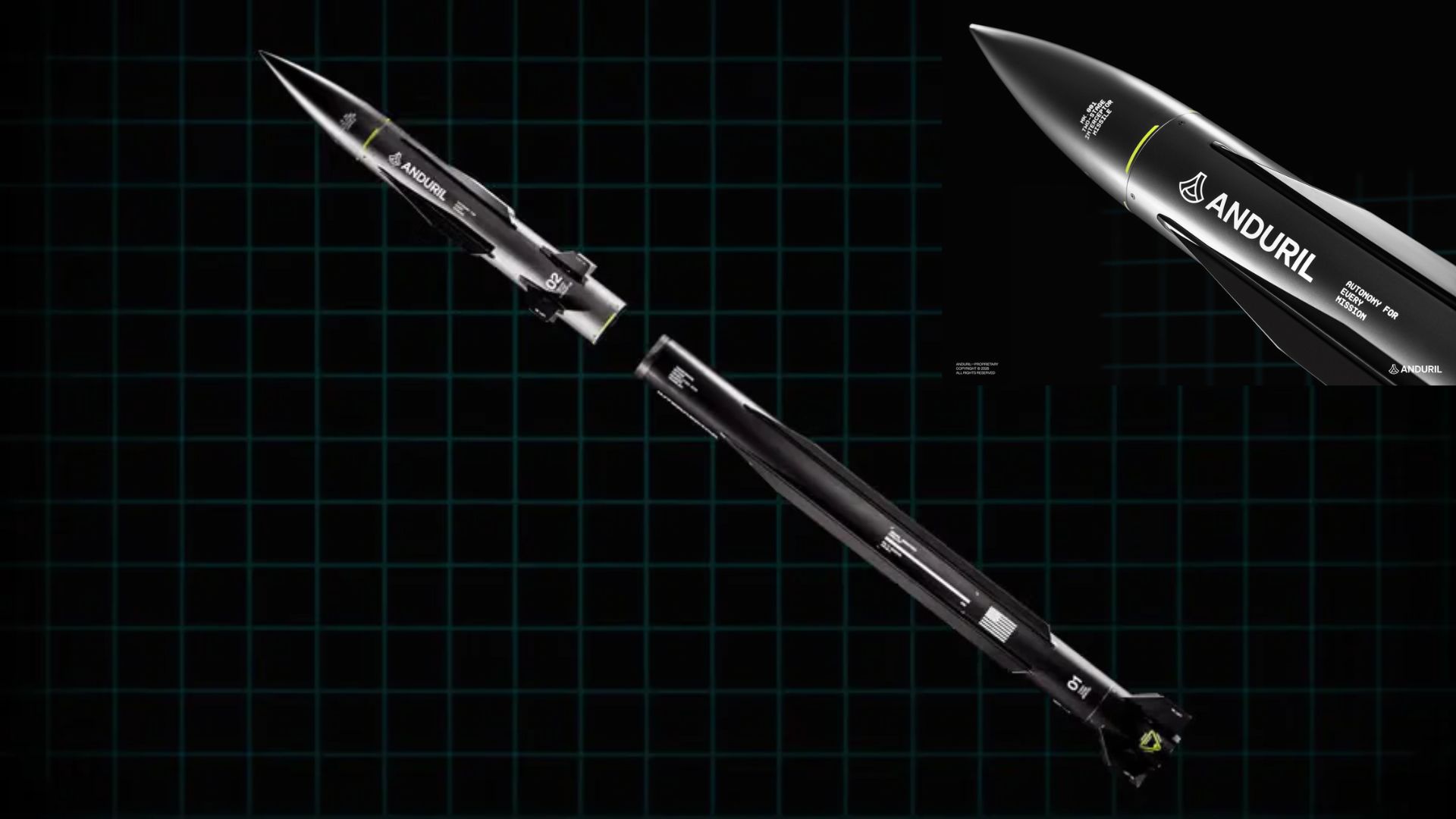
Anduril develops modular interceptor missile family for US air defenses

SpaceX plans to launch 27 Starlink satellites from California
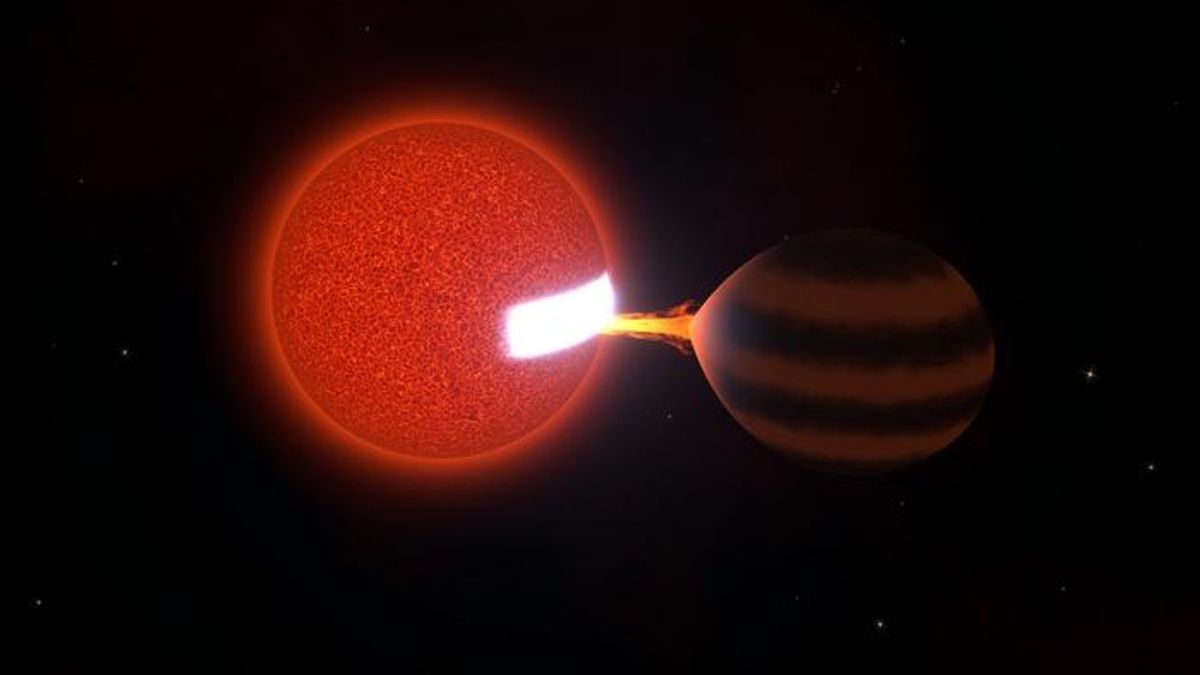
Red dwarf appears to slowly draw matter from a brown dwarf