

Politics · India · 1 hr ago
Supreme Court sets aside detention based only on police confession

The Supreme Court of India set aside a preventive detention order against a man accused in cases linked to violence in Sambhal, Uttar Pradesh.
The violence broke out during a survey of a mosque in November 2024, and four people were killed.
The man was arrested in January 2025, and police recorded a confession while he was in custody.
Sambhal’s district magistrate later ordered his detention under the National Security Act, and the State government confirmed it for 12 months.
The court ruled that a confession made to police cannot, by itself, justify preventive detention without independent supporting material.
Preventive detention allows someone to be held without a trial or conviction to prevent a possible future threat, but the court said it remains subject to constitutional safeguards and judicial review.
The Supreme Court also set aside the State government’s confirmation of the detention.

The Supreme Court set aside a preventive detention order under the National Security Act, ruling that a confession to a police officer cannot alone justify detention without independent supporting material.
The order concerned an accused in cases linked to violence in Sambhal, Uttar Pradesh, in November 2024.
The court also set aside the State government’s confirmation of the detention.
The accused had argued that the confession was obtained through torture and threats, while the State said a confession could be considered in preventive detention.
- Who
- The Supreme Court, in a Bench comprising Justices Dipankar Datta and Sheel Nagu, decided the case. The accused’s name is not stated.
- What
- The court set aside a preventive detention order and its confirmation, ruling that a police confession alone was insufficient without independent supporting material.
- When
- The Supreme Court ruled on September 29, 2026.
- Where
- The case arose from violence in Sambhal, Uttar Pradesh. The court’s location is not stated.
- Why
- The detention order rested solely on a confession made to a police officer, without independent supporting material.
The accused
The State
Basis for detention
The accused
The accused argued that the order rested on an extra-judicial confession allegedly obtained through torture and threats.
The State
The State argued that a confession could be considered by a detaining authority.
Nature of detention
The accused
The accused challenged the detention order.
The State
The State argued that preventive detention differs from criminal prosecution.
The question which, thus, presents itself is, whether a statement, which the law treats as irrelevant for determining guilt, can nevertheless constitute a ground for forming the subjective satisfaction necessary to sustain an order of preventive detention. We think not!
Violence broke out in Sambhal during a survey of a mosque, leaving four people dead.
The accused was arrested in connection with other FIRs.
The District Magistrate of Sambhal ordered the accused’s preventive detention under Section 3(2) of the National Security Act.
The accused had obtained bail in all the criminal cases relating to the incident.
The Supreme Court set aside the detention order and the State government’s confirmation of it.
- Incident
- Sambhal, Uttar Pradesh, on November 24, 2024
- Deaths
- Four people
- Arrest
- January 17, 2025
- Detention order
- October 13, 2025, under Section 3(2) of the National Security Act
- Supreme Court ruling
- September 29, 2026
Sources
Related news
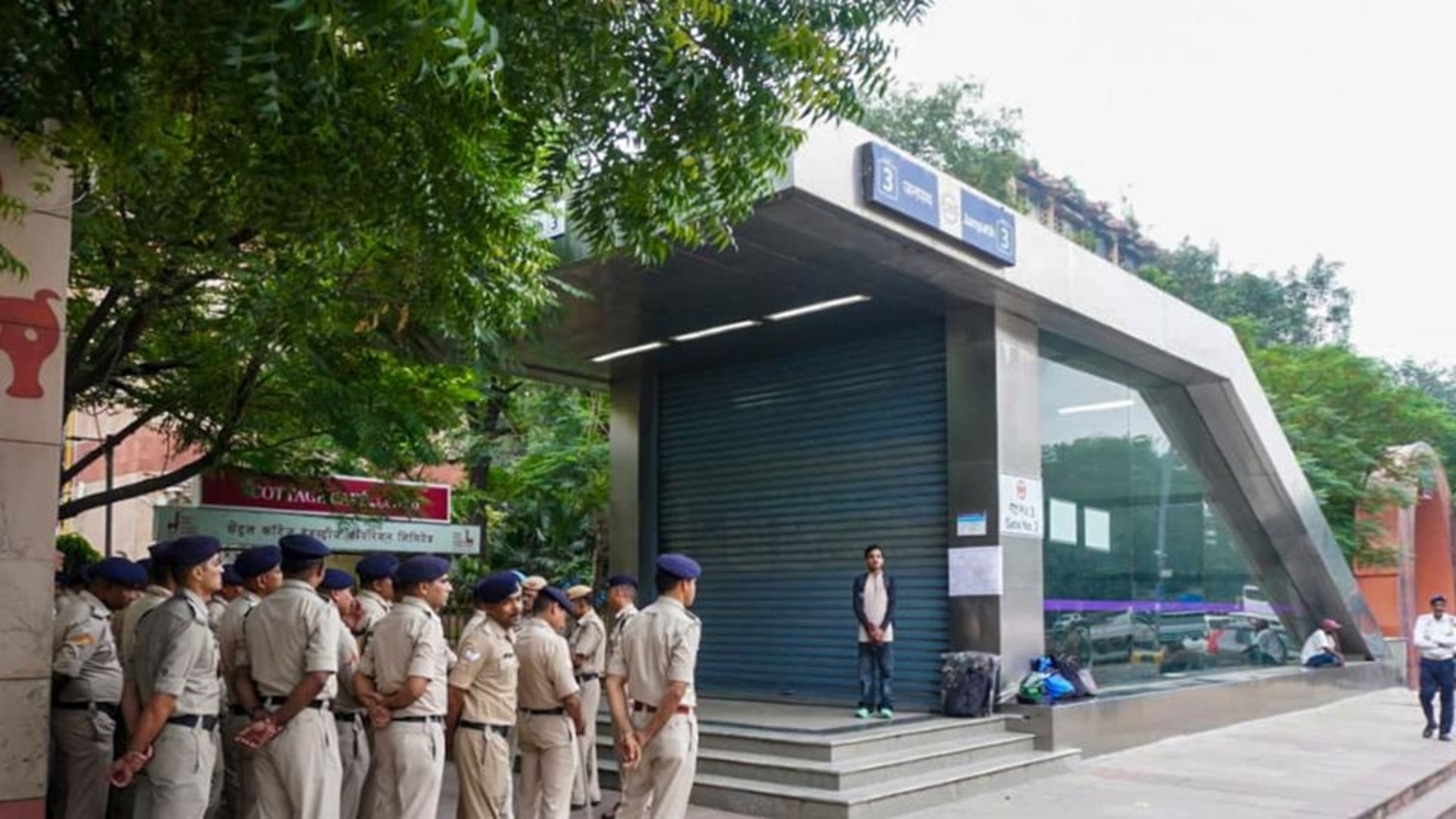
Delhi closes six metro stations as opposition plans voter-list protest

Opposition plans Supreme Court march over alleged vote theft
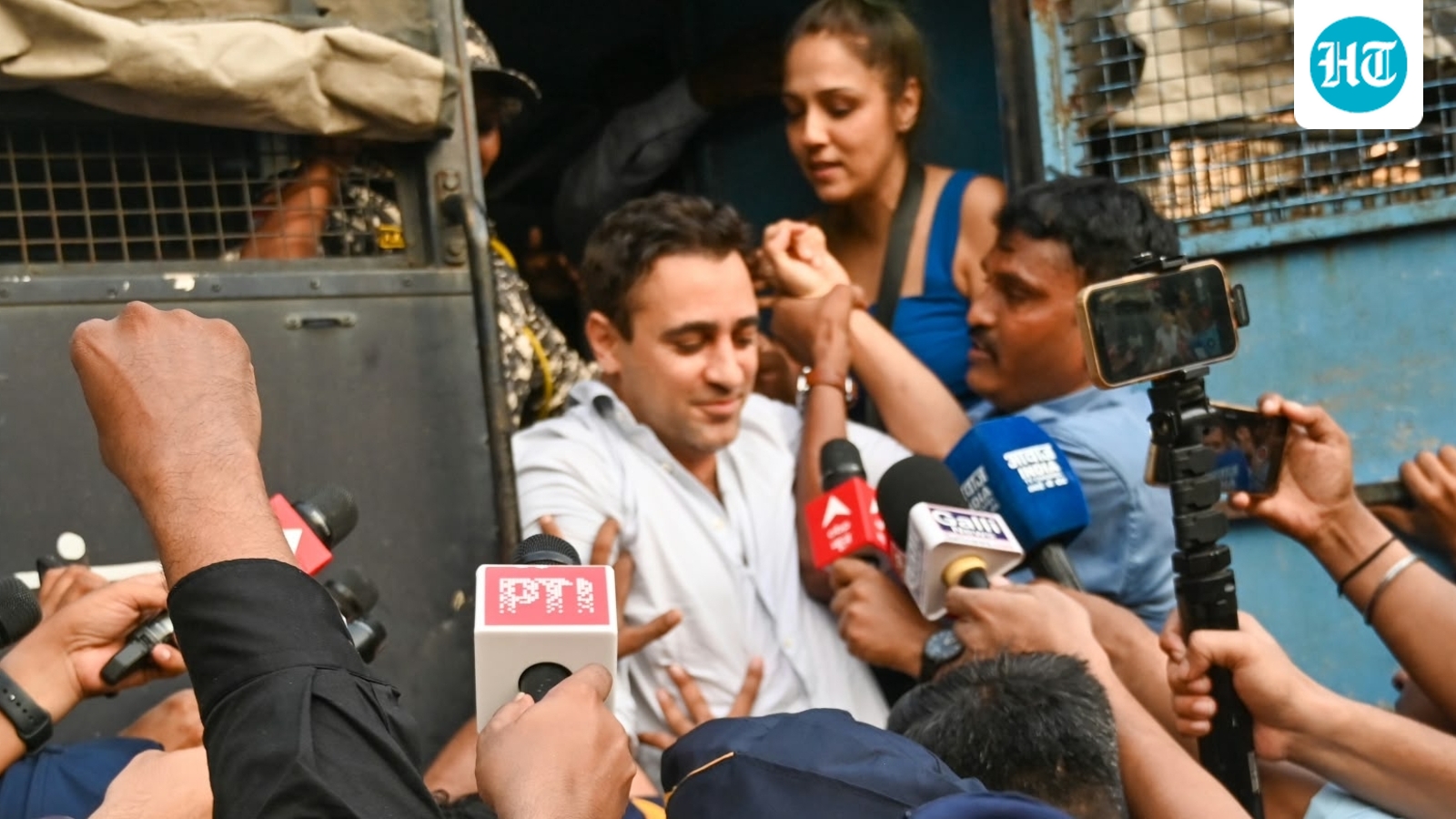
Imran Khan and two others released after detention at Mumbai protest
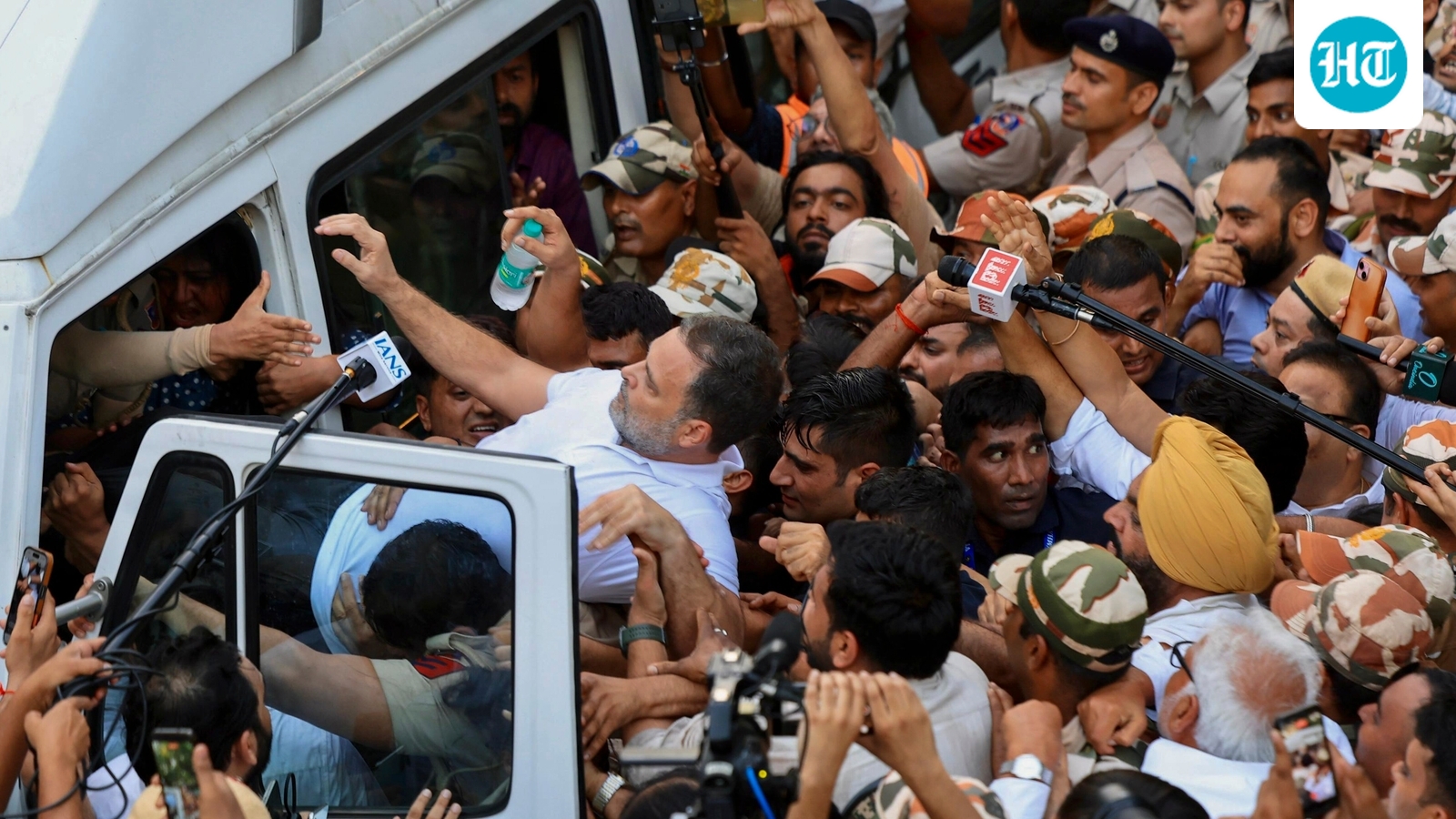
Indian opposition plans Supreme Court march over voter-roll allegations
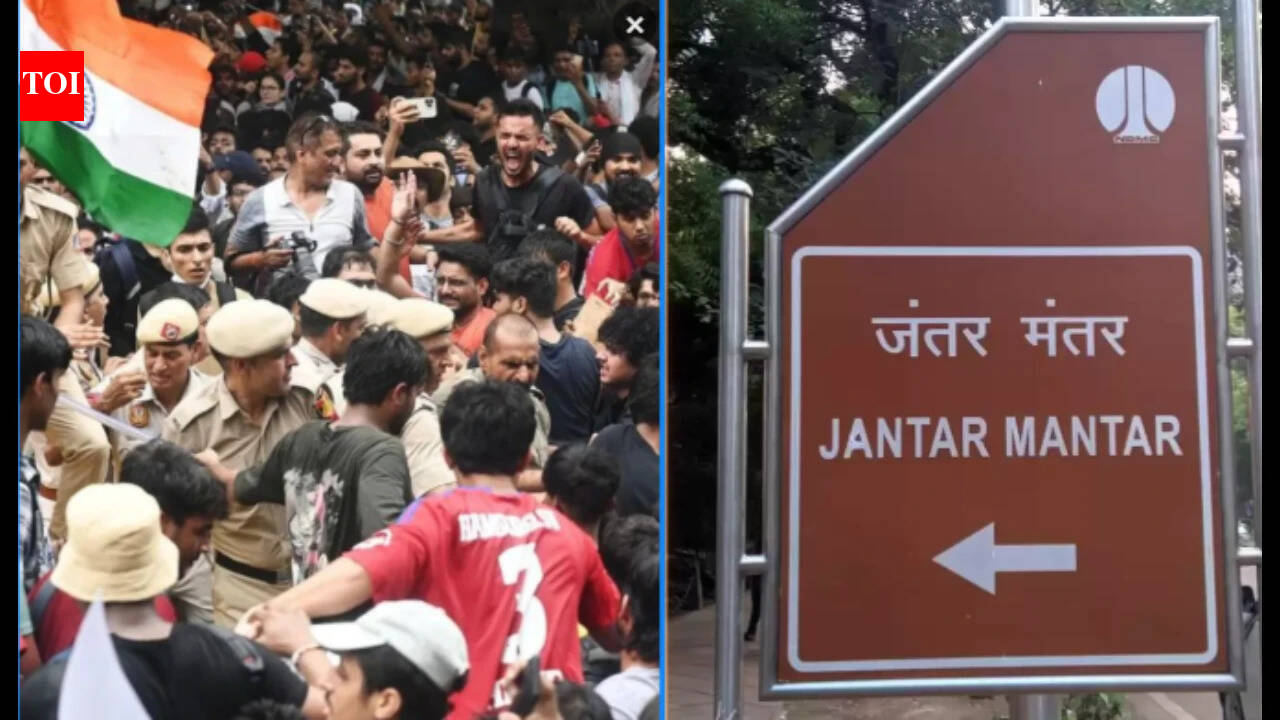
Delhi removes Jantar Mantar as protest site and names three alternatives
CJP leaders seek a new date for protest at Delhi’s Jantar Mantar

Uttar Pradesh launches incentives for electronics component makers

Rahul Gandhi alleges officials are sharing information with opposition

Pinarayi Vijayan and relatives appeal order to register FIR in CMRL case

India’s chief justice says protests should not disrupt Supreme Court

India releases youth movement leaders after protests over voter list changes
