Politics · India · 1 hr ago
Delhi opposition plans Supreme Court march as protest restrictions draw criticism
Opposition parties in Delhi, led by Rahul Gandhi, plan to march peacefully to the Supreme Court on Monday over allegations of “vote chori.”
Gandhi said the INDIA bloc would submit a memorandum to Chief Justice of India Surya Kant.
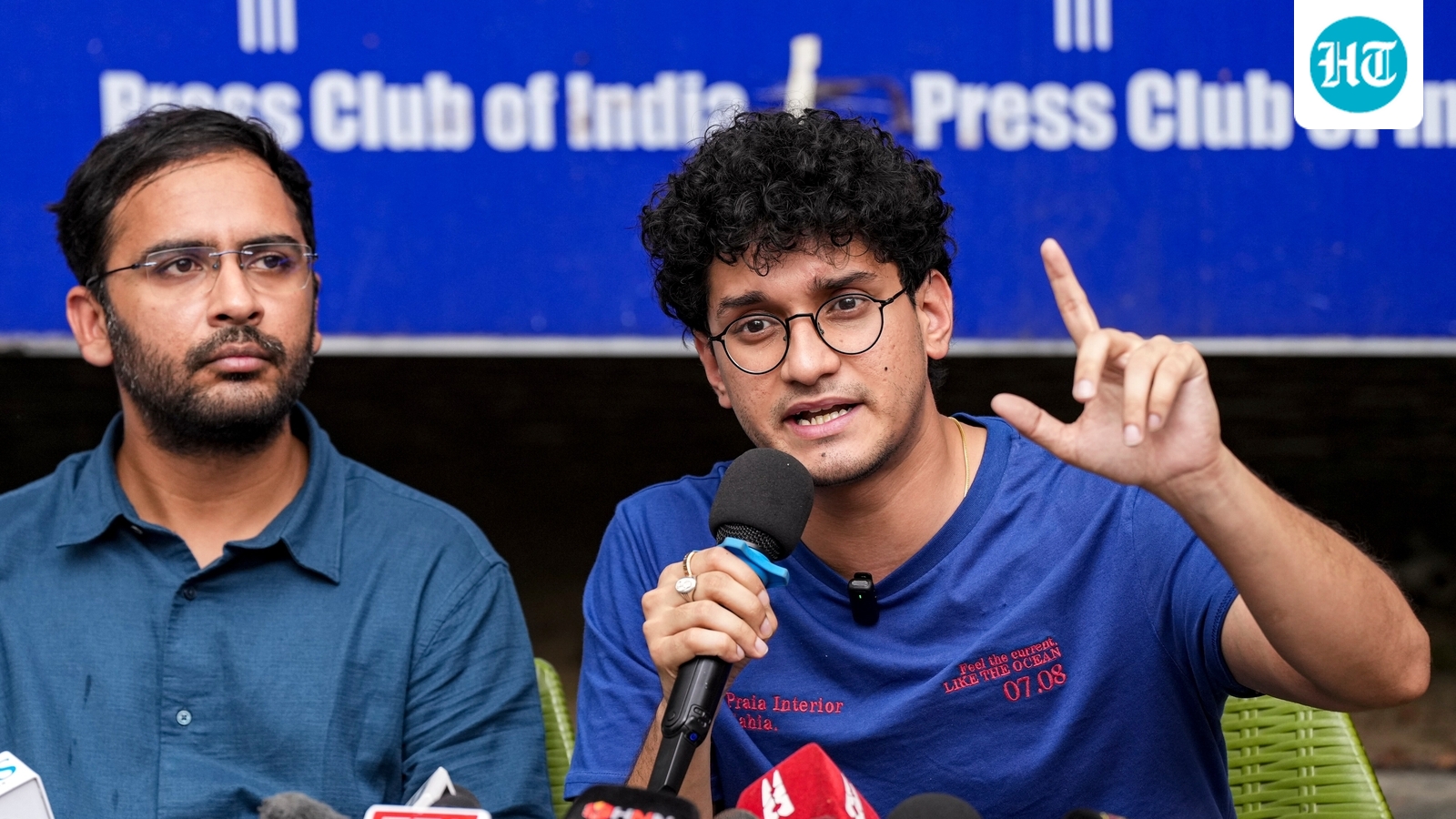
Cockroach Janta Party leaders, including Saurav Das, also plan to visit Parliament Street Police Station to seek a date for a peaceful protest at Jantar Mantar.
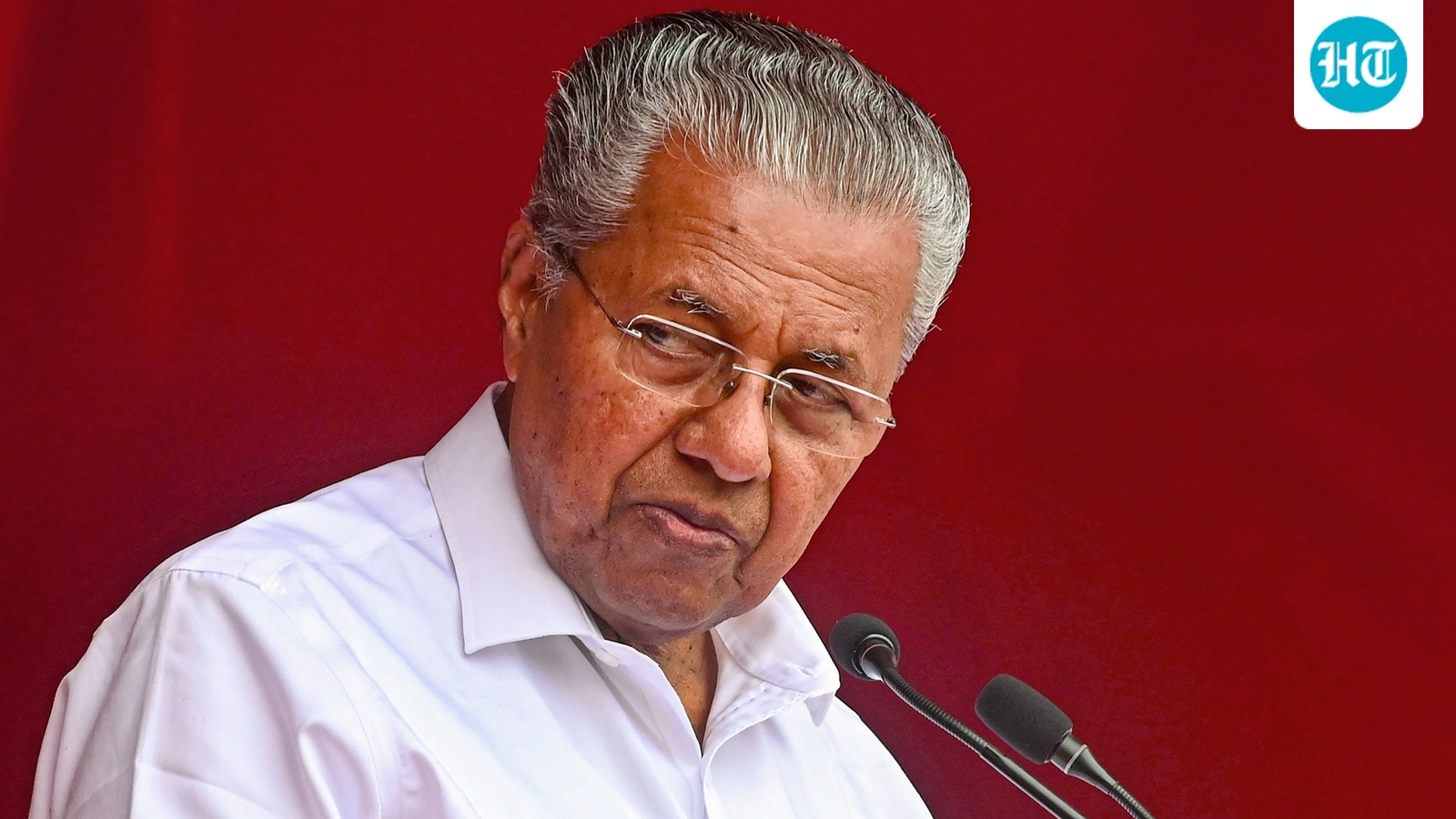
The protests concern Chief Election Commissioner Gyanesh Kumar, whose resignation has been demanded by former Kerala chief minister Pinarayi Vijayan.
The Supreme Court said peaceful, unarmed protesters cannot be detained except under procedures established by law, and directed that Delhi’s metro and railway services operate normally.
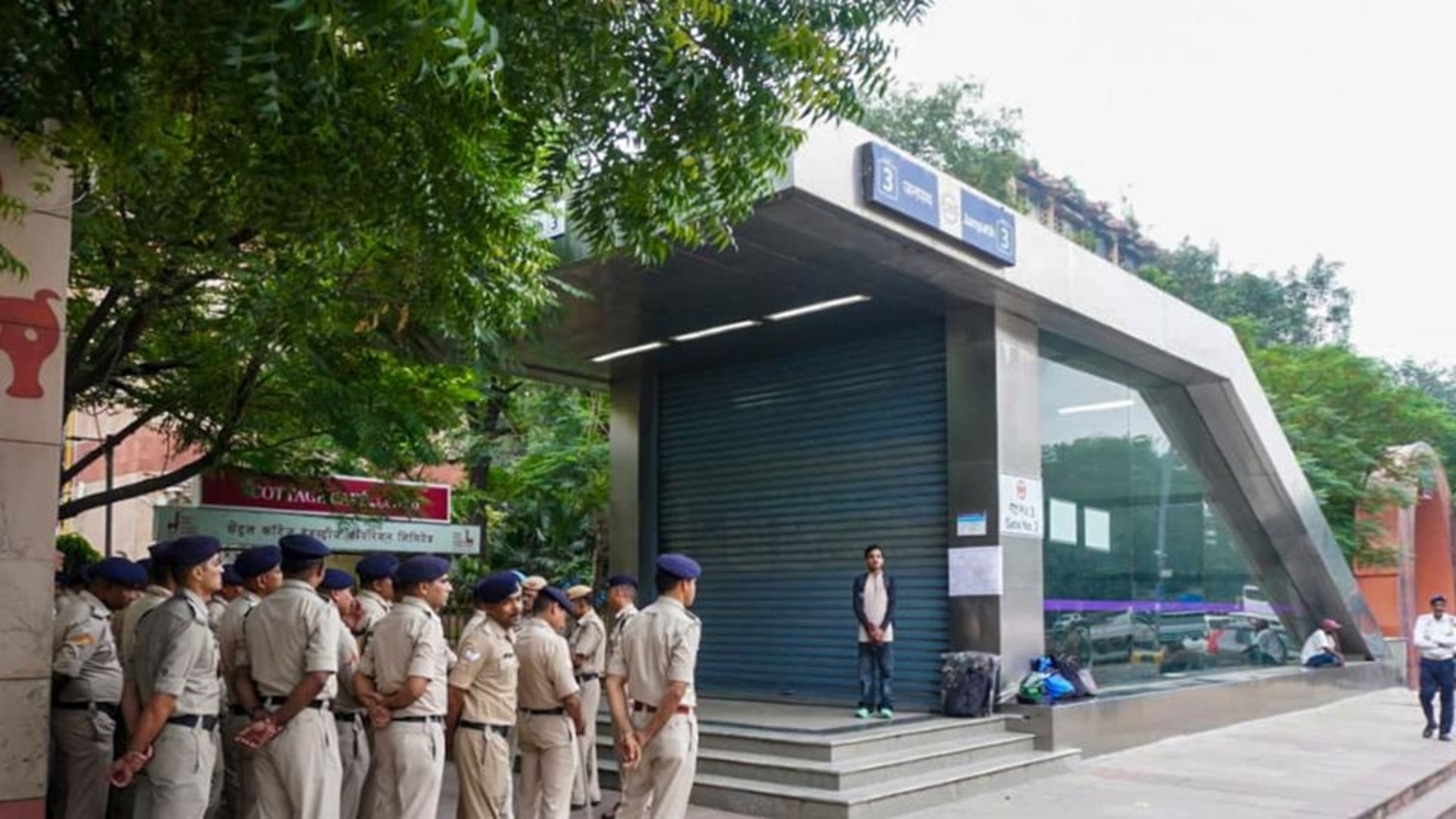
Despite that direction, Delhi Metro said six stations would be closed from 6 am to 4 pm for security reasons.
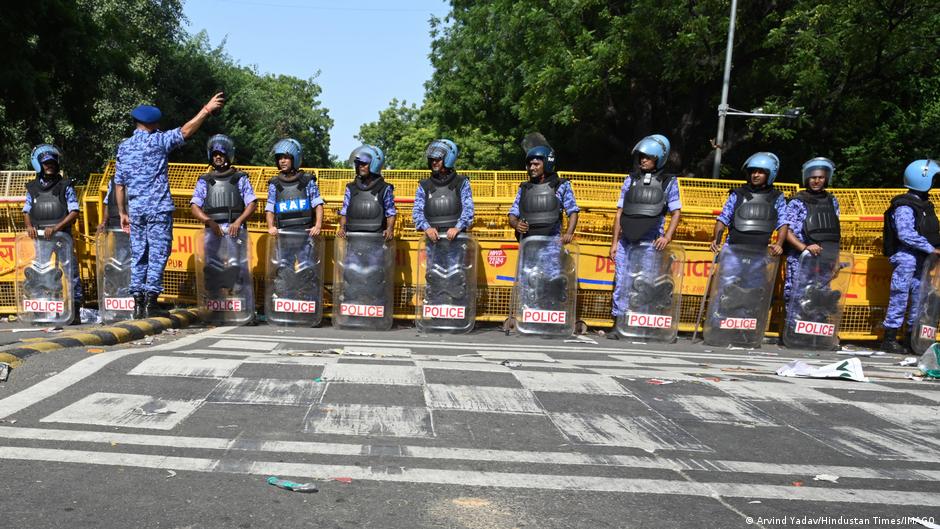
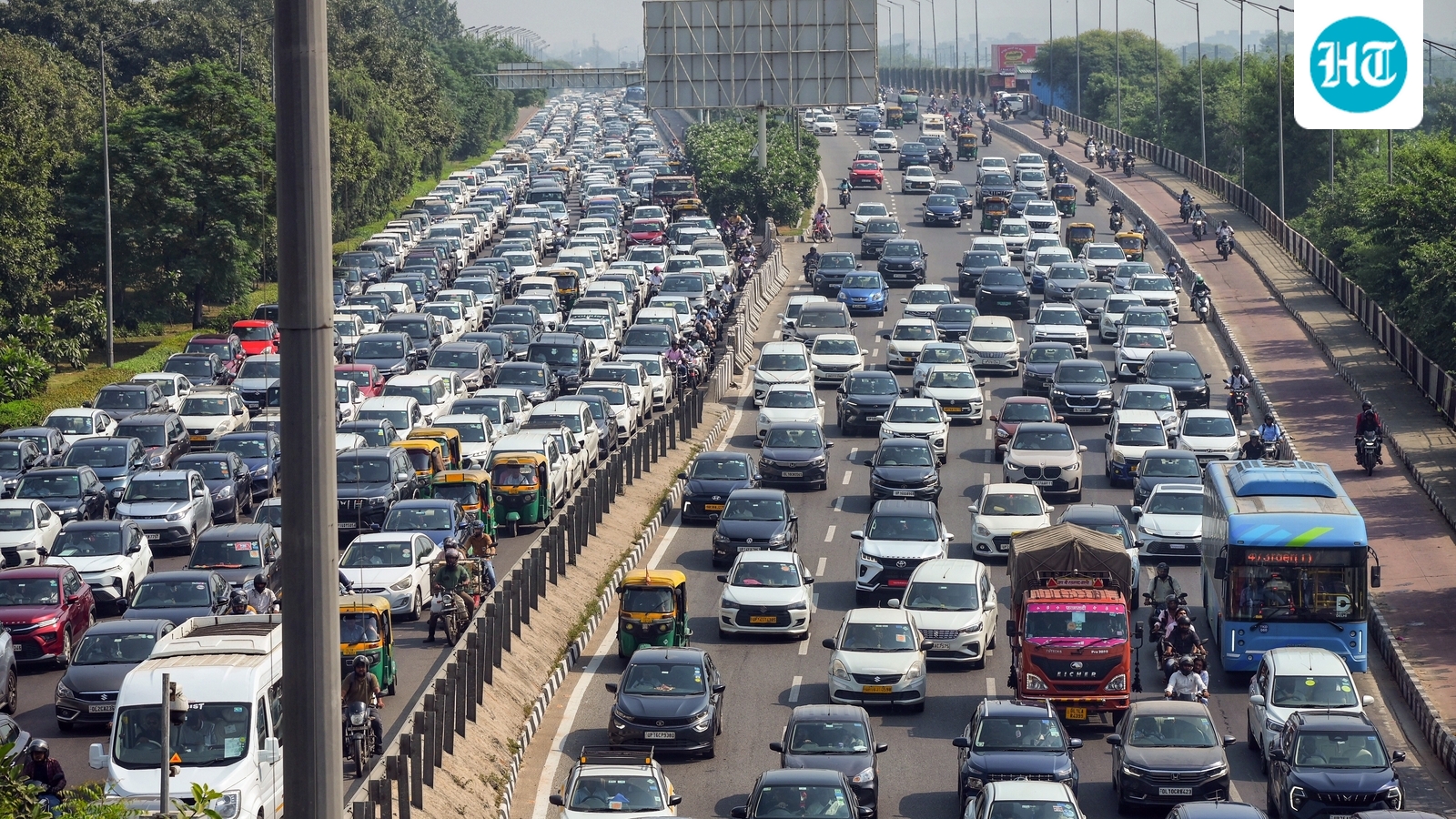
Delhi Traffic Police warned that disruptions and diversions could affect roads across the capital.

Opposition parties led by Rahul Gandhi plan to march peacefully to the Supreme Court in Delhi on October 12, 2026, over alleged “vote chori.”
Rahul Gandhi said the INDIA bloc would submit a memorandum to Chief Justice of India Surya Kant.
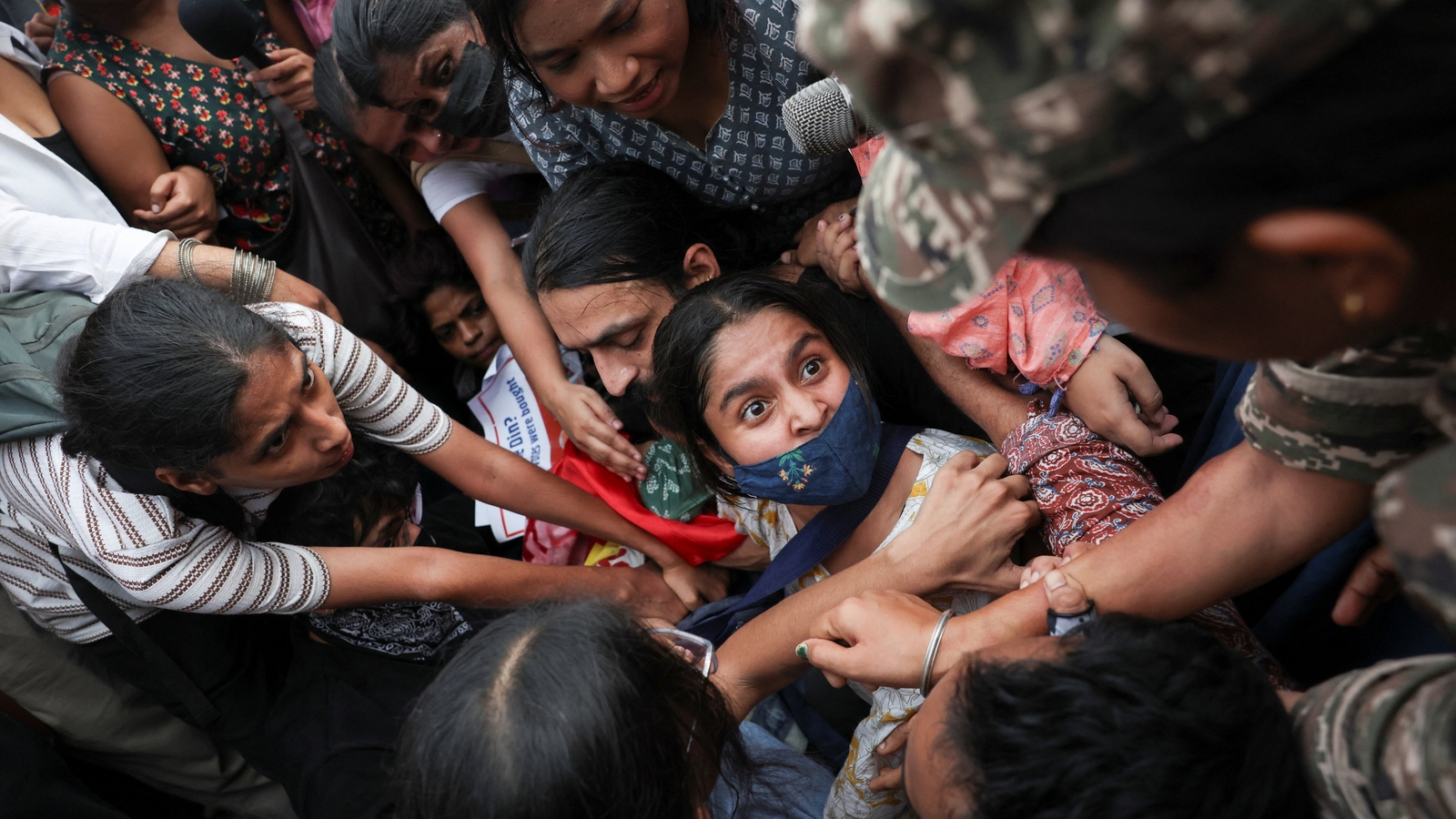
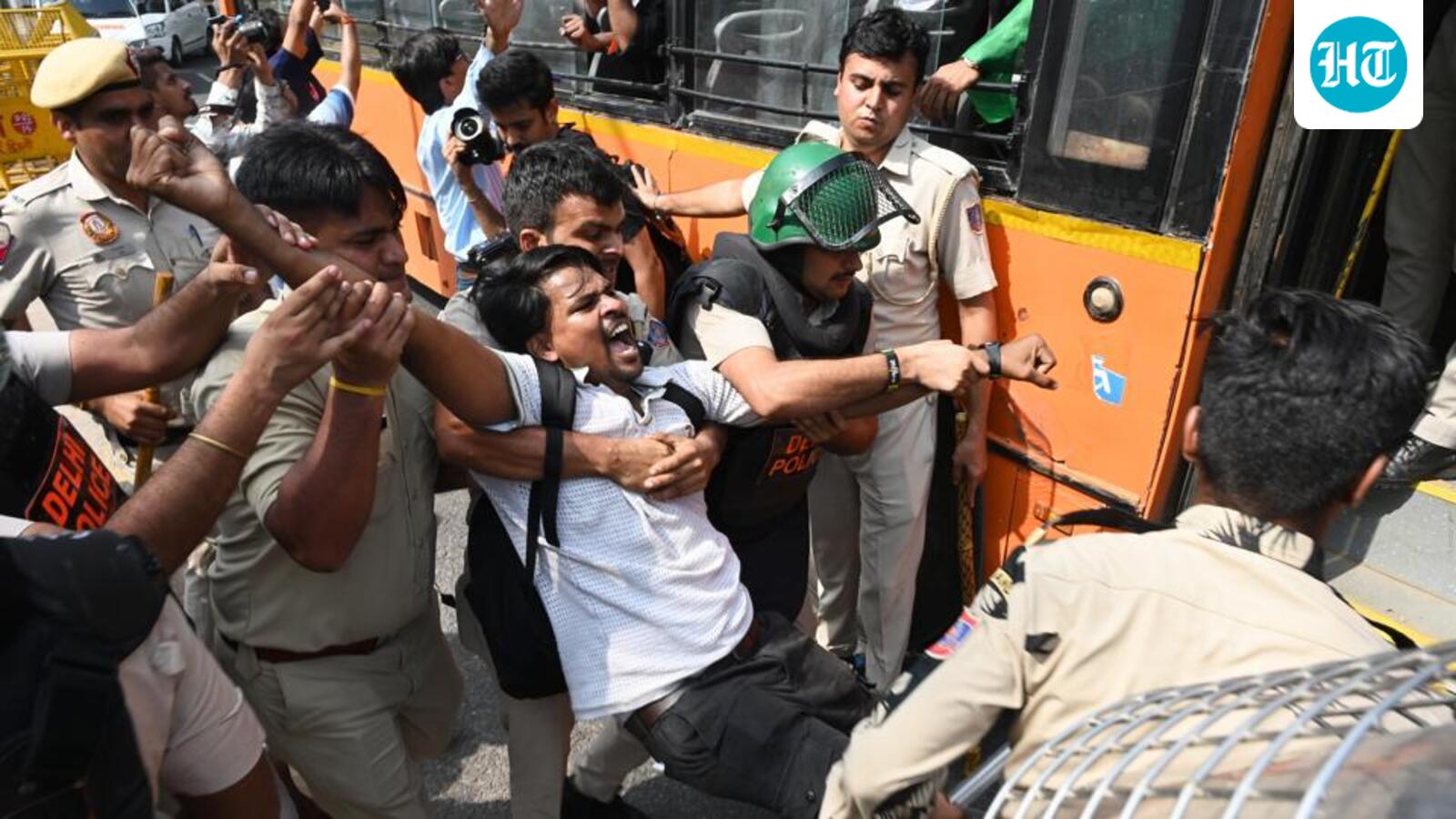
The march comes amid criticism of restrictions on protests and the handling of demonstrators in the capital.
The Supreme Court on Sunday said peaceful, unarmed protesters could not be detained except under the procedure established by law.
Delhi Metro said six stations would be closed from 6am to 4pm on Monday for security reasons.
- Who
- Opposition parties led by Rahul Gandhi plan the march. The INDIA bloc is also involved.
- What
- They plan to march peacefully to the Supreme Court and raise the issue of alleged “vote chori.
- When
- October 12, 2026. The march was planned for Monday.
- Where
- New Delhi, with the march heading to the Supreme Court.
- Why
- To raise the issue of alleged “vote chori” and submit a memorandum to Chief Justice of India Surya Kant.
Opposition parties and protest critics
Delhi authorities
Protest rights
Opposition parties and protest critics
Opposition leaders and critics say protest restrictions and the handling of demonstrators are undemocratic.
Delhi authorities
Delhi Metro said six stations would be closed for security reasons.
Supreme Court direction
Opposition parties and protest critics
The Supreme Court said peaceful, unarmed protesters could not be detained except in accordance with the procedure established by law.
Delhi authorities
Delhi Metro announced station closures despite the court’s direction that metro services operate normally.
What is happening in the national capital is completely undemocratic.
The government is taking actions that are unimaginable in a democratic country.
The reality is that the Modi government was not willing to give any importance to these directions and observations of the Supreme Court.
The Supreme Court directed that metro and railway services in Delhi operate normally and said peaceful, unarmed protesters could not be detained except under the procedure established by law.
The INDIA bloc planned a peaceful march to the Supreme Court, and Delhi Metro announced that six stations would close from 6am to 4pm.
- March leader
- Rahul Gandhi
- Destination
- Supreme Court
- Issue raised
- Vote chori
- Memorandum recipient
- Chief Justice of India Surya Kant
- Metro closures
- Six stations, from 6am to 4pm
- Stations named
- Patel Chowk, Janpath, Rajiv Chowk, Mandi House, Central Secretariat and Barakhamba Road
Sources
Related news

Maharashtra MPSC protesters end 10-day agitation after inquiry committee formed
Supreme Court stresses lawful detentions as Delhi protests continue
Lawyers build rapid response network for detained Delhi protesters
Kerala High Court orders corruption inquiry into Pinarayi Vijayan and others
Six Delhi Metro stations to close entry and exit until 4 pm

CJI declines meeting with INDIA bloc leaders amid anti-CEC protest in Delhi
Commentary criticizes Vijay films for portraying women in harmful ways

Chhattisgarh reports ₹8 lakh crore in investment commitments for 280 projects
Delhi issues traffic diversions as protests against chief election commissioner continue
Shekhar Suman says peaceful protests are a positive part of society
IAF chief flies final Tejas sortie before retirement