Politics · Mexico · 14 hrs ago
Berkeley study questions Mexico rights commission’s record under Rosario Piedra

A study by the University of California, Berkeley, examines Mexico’s National Human Rights Commission, known as the CNDH, under president Rosario Piedra Ibarra.
It identifies Piedra as a member of Morena before her 2019 appointment and notes allegations of irregularities in the Senate vote.
The study questions how the commission handled complaints involving the armed forces and cites the case of activist Raymundo Ramos, whose complaint about Pegasus phone spyware was closed after the Defense Ministry denied spying on him.
The study says technical evidence pointed in the opposite direction.
It also draws on a separate review by Mexico’s Centro Prodh, which says the CNDH weakened institutionally during Piedra’s 2019–2024 term and took a passive role on major issues.
CNDH complaints rose nearly 75% from 2020 to 2023, but Centro Prodh says this did not lead to a similar number of recommendations over alleged abuses by military institutions.
Of 132 recommendations for serious violations issued during Piedra’s tenure through October 8, 2024, 115 concerned events before December 1, 2018.

A University of California, Berkeley study questions the record of Mexico’s National Human Rights Commission under its president, Rosario Piedra Ibarra.
The study criticizes the commission’s handling of complaints involving the military, including a case alleging Pegasus phone surveillance.
It identifies Piedra as a Morena member before her 2019 appointment and notes allegations of irregularities in the Senate vote.
A separate report by Centro Prodh says the commission’s institutional capacity deteriorated during Piedra’s 2019-2024 term.
The reports cite rising complaints and say many serious-violation recommendations concerned events before the López Obrador administration.
- Who
- The University of California, Berkeley Human Rights Center and Centro Prodh assessed the CNDH under president Rosario Piedra Ibarra.
- What
- They questioned the commission’s record and described institutional deterioration and a passive role on key issues.
- When
- Piedra’s first term ran from 2019 to 2024. El Universal published its report on October 11, 2026.
- Where
- Mexico.
- Why
- The reports cite concerns about the commission’s response to alleged human rights violations, including cases involving the armed forces.
This story does not have two clearly opposing sides.
a considerable institutional deterioration took shape
passive role
Piedra was elected CNDH president amid allegations of irregularities in the Senate vote.
Complaints received by the CNDH rose from 11,387 to 19,916.
The period covered for the 132 recommendations for serious violations ended.
El Universal published its report on the Berkeley study and the CNDH’s record.
- CNDH president
- Rosario Piedra Ibarra
- Piedra’s first term
- 2019-2024
- CNDH complaints
- Rose from 11,387 in 2020 to 19,916 in 2023
- Military complaints
- National Guard: 1,816; Sedena: 1,664
- Serious-violation recommendations
- 132 issued through October 8, 2024
- Earlier events
- 115 of the 132 recommendations concerned events before December 1, 2018
Sources
Related news

Mexico suspends non-essential activities in four states as Hurricane Simón nears

Sinaloa plans new prison after violence leaves 12 dead at Mazatlán facility

Sheinbaum says security will be strengthened after deadly Mazatlán prison clash
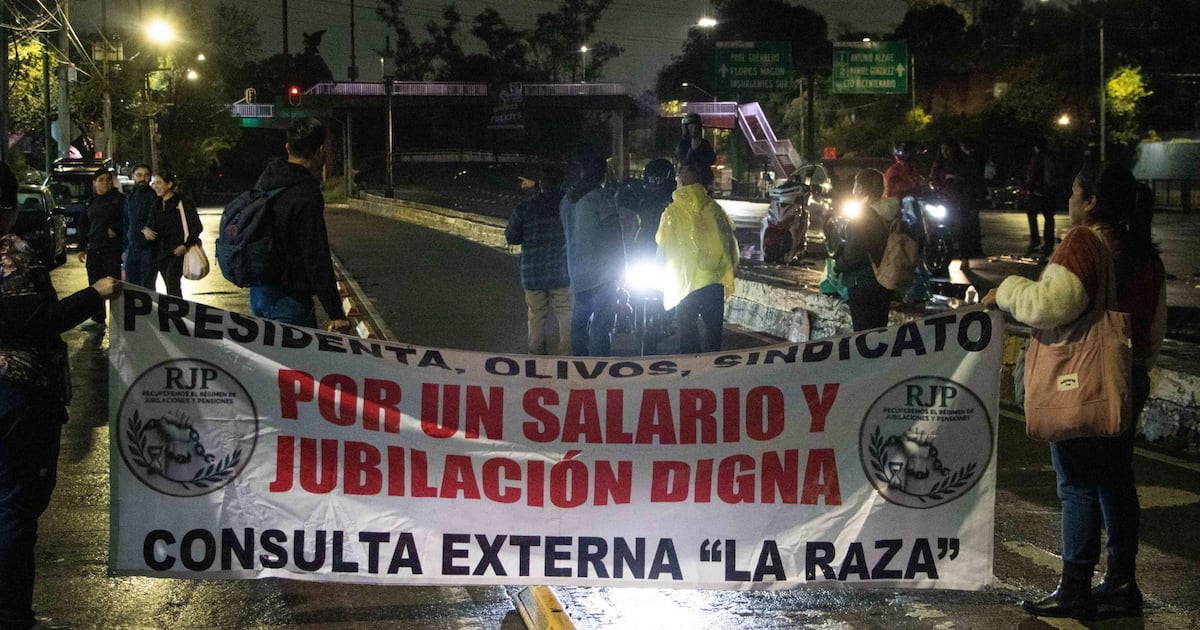
IMSS workers to vote on 6.8% pay increase on October 14

Durazo says Morena should look beyond surveys when choosing 2027 leaders

Mexico’s Senate Extends Review of Proposed Femicide Law

Sheinbaum begins IMSS-Bienestar hospital visits in Hidalgo
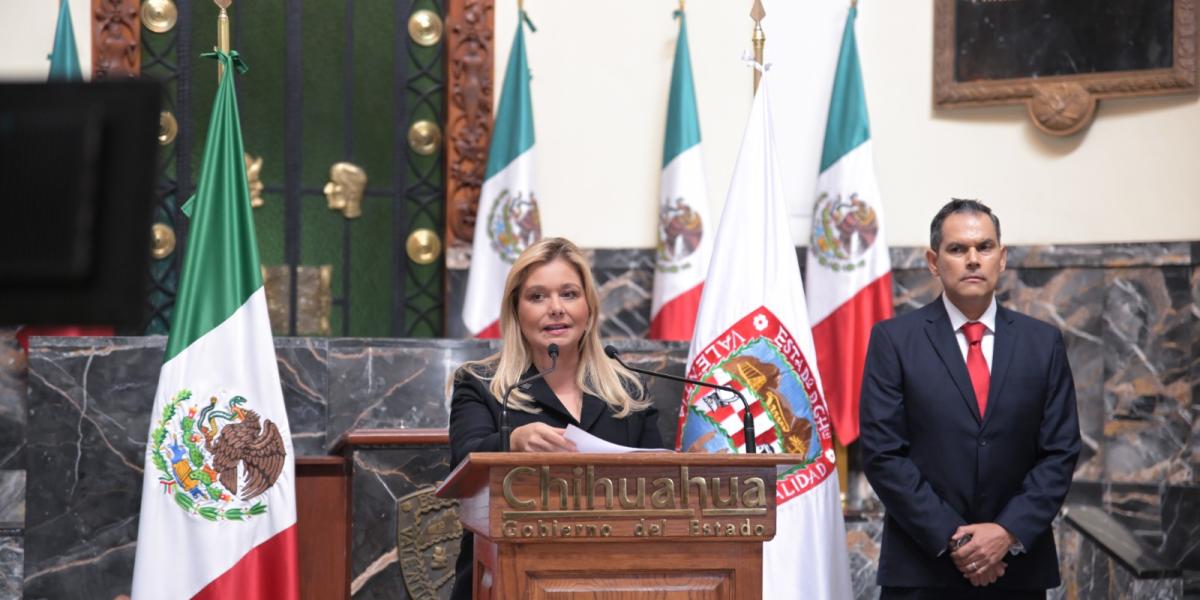
Chihuahua governor names new security chief and justice official

Sheinbaum begins IMSS-Bienestar hospital visits amid worker protests

Sheinbaum accuses Calderón of allowing US agencies to operate in Mexico

Mexican journalist Francisco Garfias dies