Business · Energy & Commodities · 22 hrs ago
Fuel Prices Stay High Despite Hormuz Strait Reopening
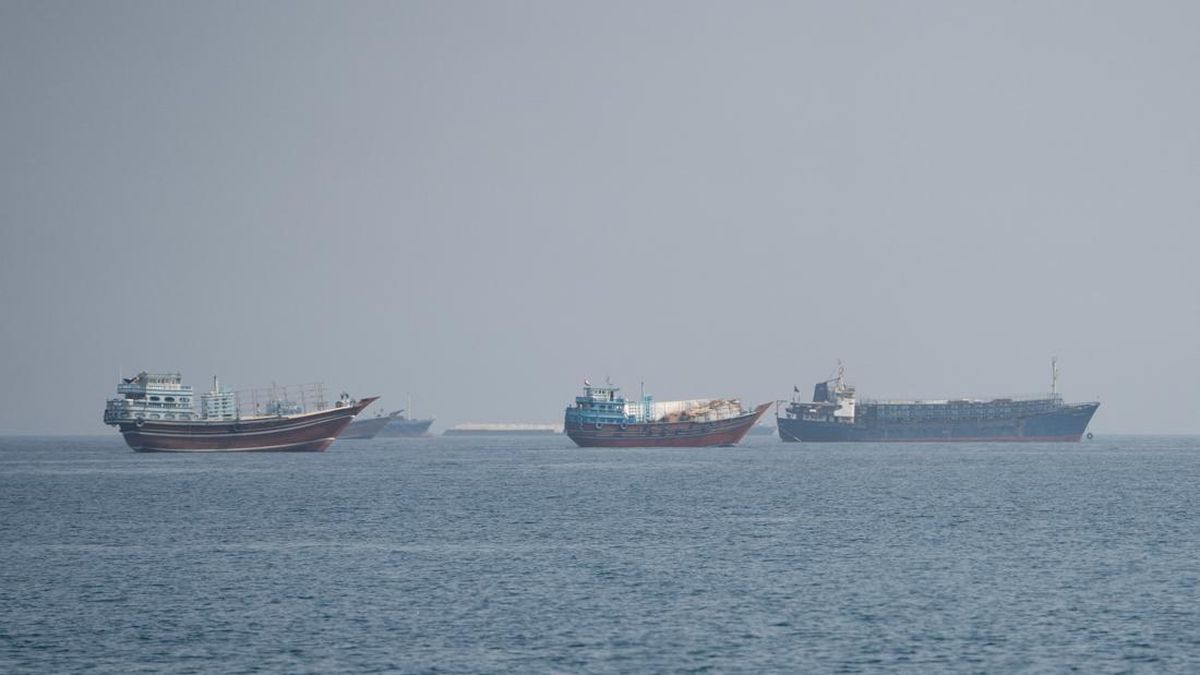
The Strait of Hormuz, a key route for oil from the Persian Gulf, has reopened after disruption linked to the war in Iran.
But ships still face danger, and tanker rental and insurance costs have risen sharply.
That makes it much more expensive to move oil, even as shipments near pre-war levels.
The price of oil for immediate delivery has also risen above the price of futures traded in financial markets.
Fuel prices are under pressure from other supply problems, including attacks affecting shipping and refineries, and limits on fuel exports by Russia and China.
Global oil stocks and emergency reserves have fallen, adding to the strain on supplies.
These higher costs and limited supplies are helping keep petrol and diesel expensive in many countries.

The Strait of Hormuz has reopened, but fuel prices remain high in many countries as the cost and risk of moving oil through the region have increased.
The average US gasoline price reached US$4.36 per gallon, according to the article.
Very Large Crude Carrier rental costs from the Persian Gulf to China reached US$1.6 million per day, up from US$65,000 a day the previous year.
Physical Dated Brent reached US$135.74 per barrel on October 8, while Brent futures were around US$100.
Disruptions to shipping and refining, export limits and falling oil stocks are adding pressure to energy markets.
- Who
- Drivers, truckers and farmers in various countries are affected. Oil producers and consumers are also facing higher costs.
- What
- Fuel prices remain high despite the reopening of the Strait of Hormuz, as the costs and risks of moving oil remain elevated.
- When
- The article was published on October 10, 2026. It cites oil prices from October 8.
- Where
- The Strait of Hormuz and energy markets in many countries, including the United States.
- Why
- Security risks, higher tanker and insurance costs, other shipping and refinery disruptions, export restrictions and falling stocks are contributing to high prices.
This story does not have two clearly opposing sides.
We managed to get a reasonable amount of crude oil out, but that is misleading because the cost of getting that oil out is extraordinarily high
The United States does not live in isolation. We live with global prices because we import gasoline
Oil flows through Hormuz recovered close to pre-war levels, but transport risks and costs remained high.
Dated Brent, the price for physical oil for immediate delivery, reached US$135.74 per barrel.
CNN Indonesia published its report on high fuel prices despite the reopening of the Strait.
- US gasoline price
- US$4.36 per gallon
- VLCC rental cost, Persian Gulf to China
- US$1.6 million per day
- VLCC rental cost the previous year
- US$65,000 per day
- Dated Brent price on October 8
- US$135.74 per barrel
- Brent futures price
- Around US$100 per barrel
- Insurance for a round trip through Hormuz
- US$30 million to US$40 million
Sources
Related news

Mandalika Grand Prix offers seasonal work to Lombok residents

Pertamina gives Sade weavers 45 looms after August fire

Bank Mandiri Adds Gold Services to Livin' App

Rahayu Saraswati Resigns as TRIN President Commissioner

Mandalika Grand Prix gives local businesses a chance to reach new customers
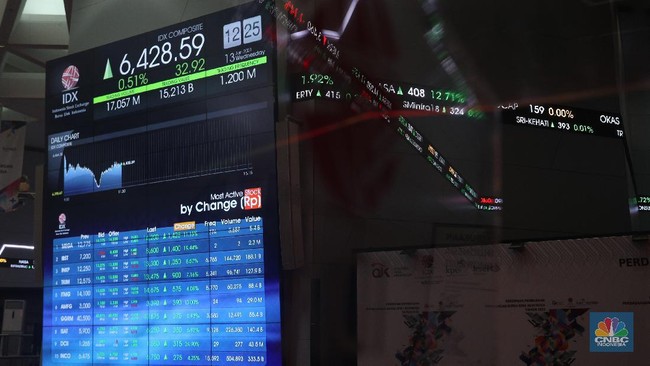
Indonesia’s main stock index rises 1.04% to close at 6,093.76
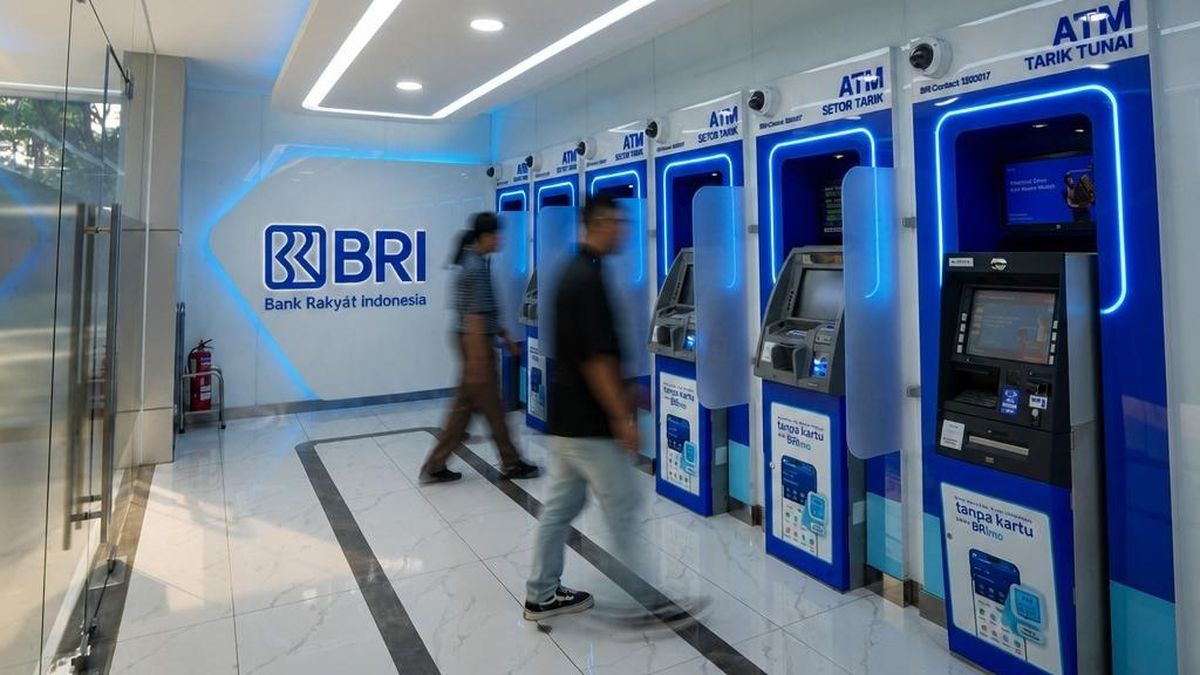
BRI Named Indonesia’s Most Valuable Brand for Fourth Straight Year

63,789 people reported layoffs in Indonesia from January to September
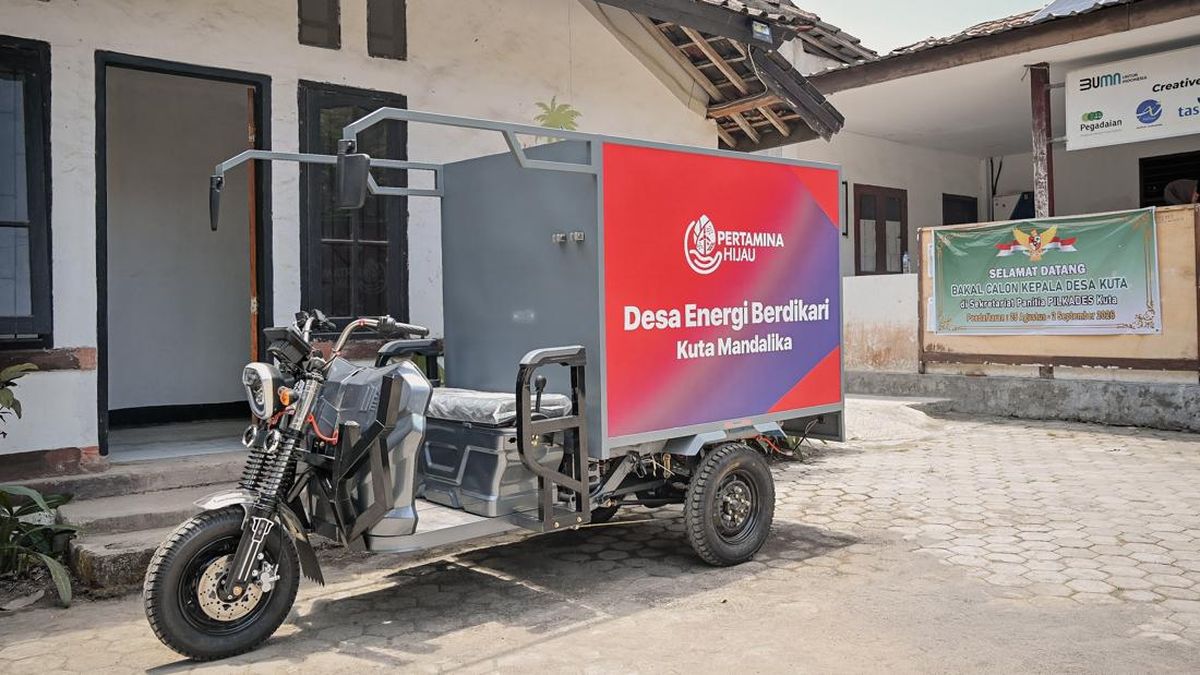
Pertamina backs community waste bank in Mandalika village

Netflix reportedly plans to cut about 5% of its workforce

Bank Jatim opens branch in Balikpapan to expand services and business ties