Politics · India · 18 hrs ago
India’s chief justice says juvenile law must protect children while addressing serious crimes

At a Supreme Court event in New Delhi marking 10 years of India’s Juvenile Justice Act, Chief Justice Surya Kant said children must still be treated as children, even when they are accused of serious crimes.
The law allows children aged 16 to 18 to be tried as adults for the gravest offences, but only after a preliminary assessment of their capacity and circumstances.
Surya Kant said the response should focus on restoring children’s lives, not simply punishing them.
He also called for timely destruction of old records and protection of children’s names online.
Supreme Court judge BV Nagarathna said the law is largely clear, but its implementation is the main challenge.
She pointed to figures showing that, as of October 2023, 55% of cases before Juvenile Justice Boards in 18 states and two union territories were pending.
Nagarathna questioned whether children waiting for decisions receive education, counselling, legal help and suitable care.

Chief Justice of India Surya Kant said juvenile justice law must address serious offences without losing sight of the fact that those who commit them are children.
The Juvenile Justice Act allows children aged 16 to 18 to be tried as adults for the gravest offences after a preliminary assessment.
Speaking at a Supreme Court consultation marking 10 years of the Act, Surya Kant called for restoration rather than retribution.
Supreme Court judge BV Nagarathna said implementation, including how assessments are conducted and cases are handled, remains a key challenge.
She cited figures showing that more than 55,000 children were awaiting decisions before Juvenile Justice Boards.
- Who
- Chief Justice of India Surya Kant and Supreme Court judge BV Nagarathna.
- What
- They discussed the need to protect children while addressing serious offences under the Juvenile Justice Act.
- When
- The consultation was held on October 10 and 11; Surya Kant spoke on Saturday.
- Where
- The Supreme Court’s Administrative Buildings Complex in New Delhi.
- Why
- The consultation marked 10 years of the Juvenile Justice (Care and Protection of Children) Act, 2015.
This story does not have two clearly opposing sides.
The act does not ask us to forget the harm that may have been caused. It asks us to remember that the one who caused it is still a child
Our answer to such a predicament is restoration and not retribution.
When a child breaks the law, the law must not break the child
A disposed case is not necessarily a rehabilitated child
The India Justice Report cited by Nagarathna was published.
The Supreme Court held a consultation in New Delhi marking 10 years of the Juvenile Justice Act.
Surya Kant spoke at the consultation and called for restoration rather than retribution.
- Age range
- Children aged 16 to 18 may be tried as adults for the gravest offences after a preliminary assessment
- Consultation
- October 10–11, 2026
- Location
- Supreme Court’s Administrative Buildings Complex, New Delhi
- Pending cases
- 55% of cases before Juvenile Justice Boards in 18 States and two Union Territories were pending as of October 2023
- Children awaiting decisions
- More than 55,000
- Boards without full membership
- 111 of 470 responding Boards lacked a principal magistrate and two social-worker members
Sources

Related news
Delhi braces for more protests after court releases three movement leaders
Delhi detains protest leaders as youth rally challenges voter-list changes
Imran Khan and two others released after detention at Mumbai protest
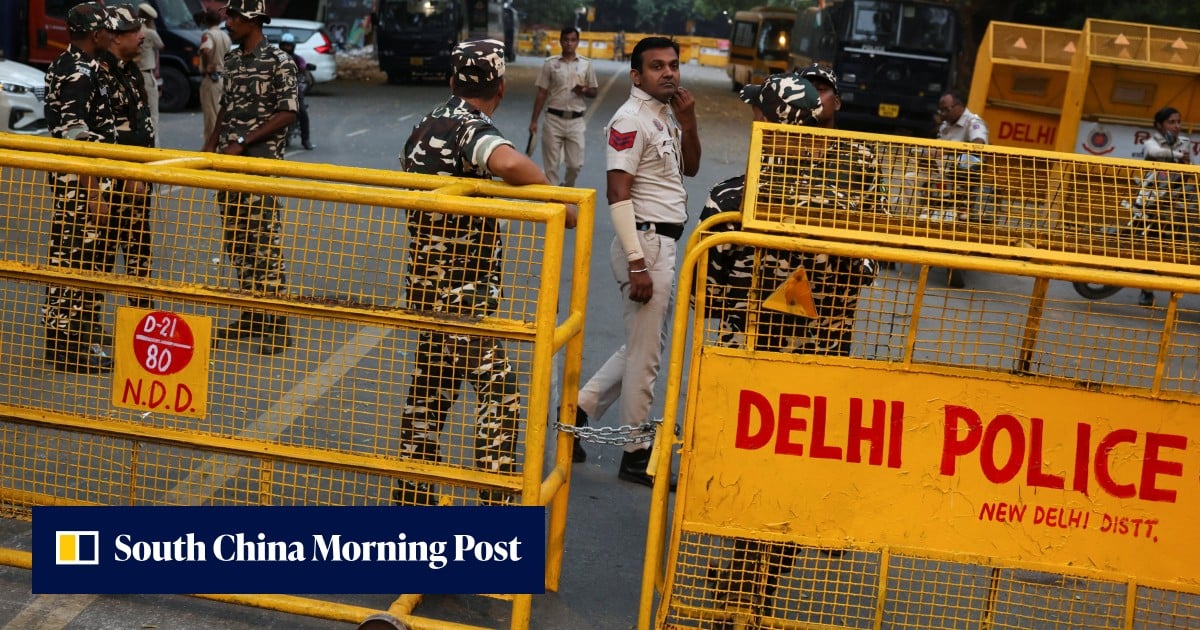
India detains thousands as Delhi blocks protest calling for election chief to resign
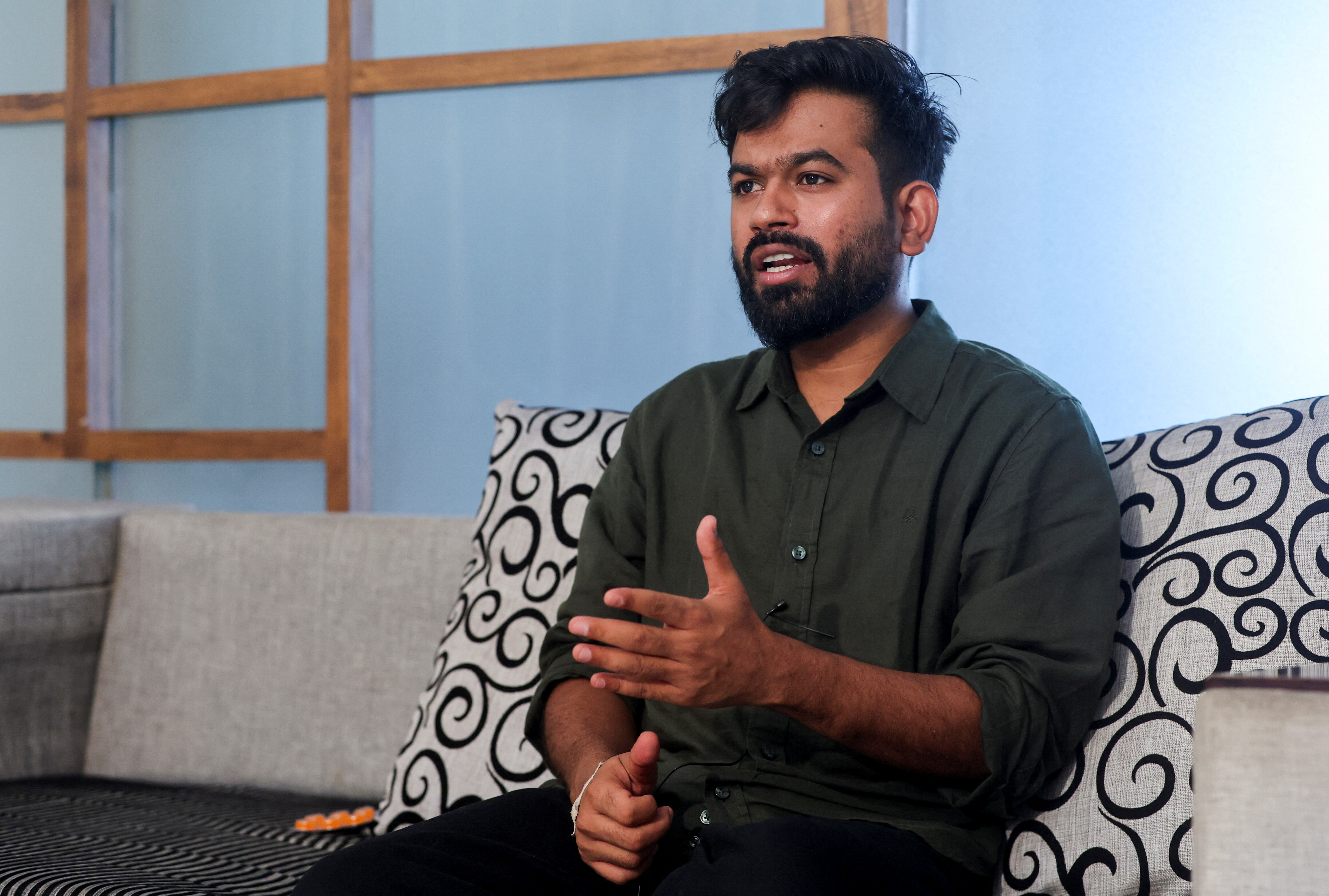
Indian court orders release of three leaders of ‘cockroach’ movement
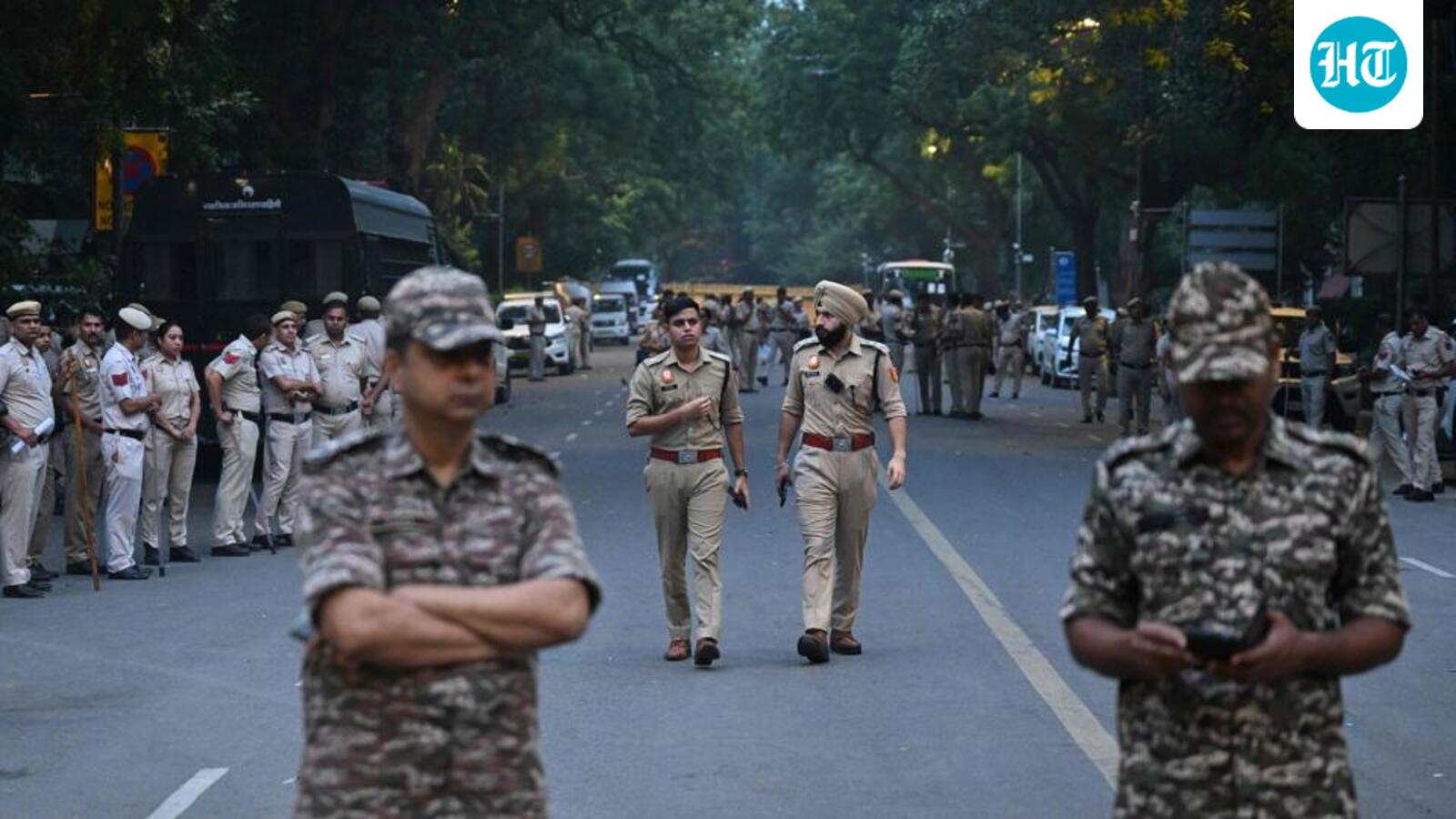
More than 1,000 detained in Delhi ahead of electoral-roll protest
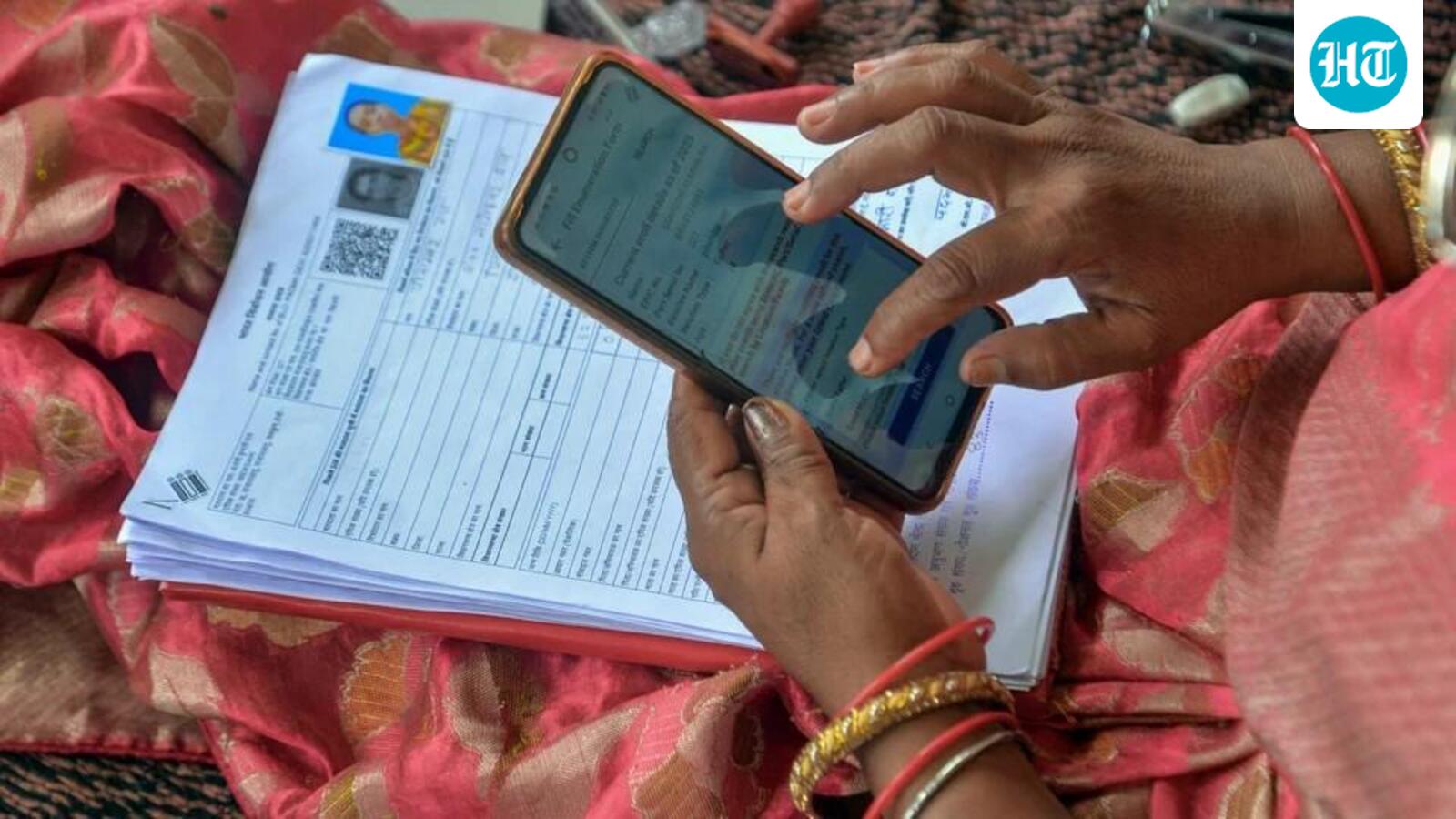
India caps individual voter objections to 10 Form 7 applications

India says Starlink faces the same security checks as other providers
Kamal Haasan says India will decide its own Starlink policy
Mann condemns Delhi Police over video at Bangla Sahib
Kangana Ranaut calls CJP protesters ‘anti-national forces’