

Entertainment · Film · 3 hrs ago
Thrillers often link mental illness with violence, reinforcing harmful stereotypes
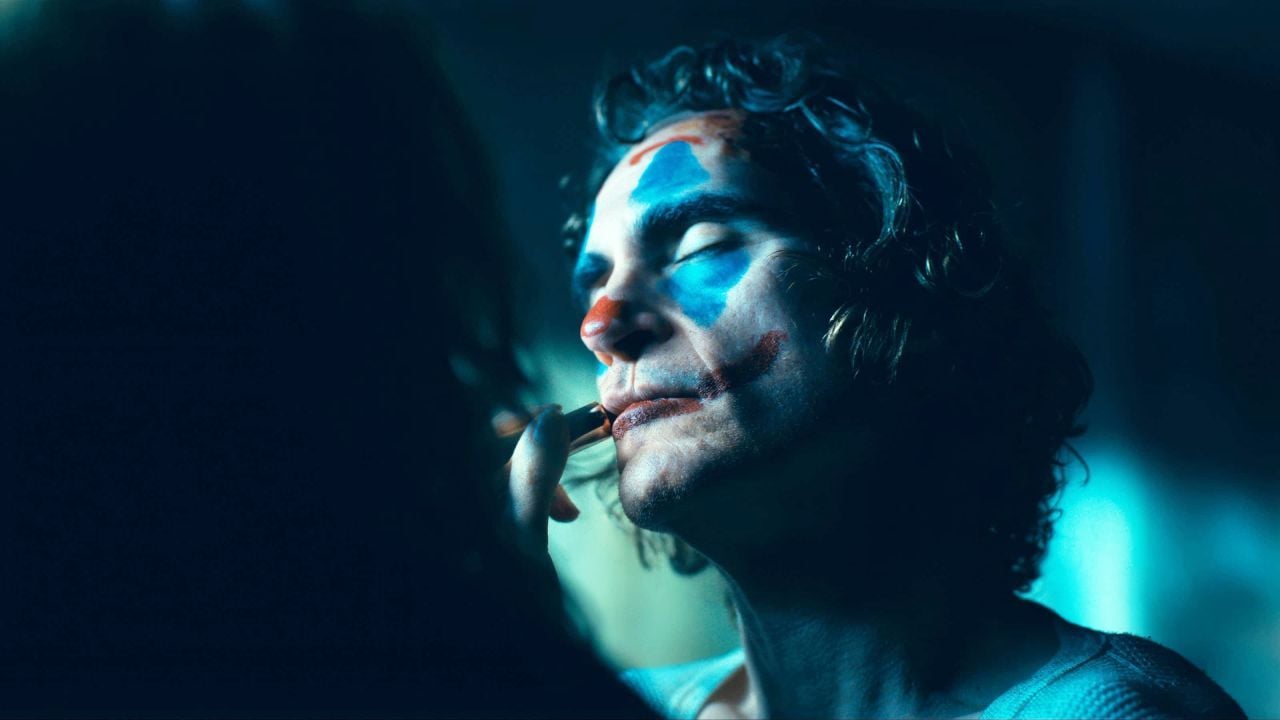
Films such as Psycho, The Silence of the Lambs, Split and Joker feature characters with psychiatric conditions.
A French feature published during Mental Health Information Weeks examines how cinema depicts mental illness.
It says thrillers and horror films often connect mental illness with violence, even though a psychiatrist quoted in the feature says mental disorders do not make people more dangerous.
The feature traces this stereotype back to early cinema and says it can encourage stigma against people with mental health conditions.
It also says films often confuse different diagnoses and portray symptoms inaccurately.
For example, it describes visual hallucinations as a common film shortcut, while saying schizophrenia is more often linked to hearing sounds or voices.
These portrayals matter because cinema can shape how audiences understand mental illness.

Thrillers and horror films often portray people with mental illnesses as violent, reinforcing stereotypes, Allociné reports.
Psychiatrist Christophe Debien says the association between mental illness and violence is “purely imaginary.”
The article says research by several American researchers shows psychiatric disorders do not make people more likely to commit dangerous acts.
It cites characters including Norman Bates, Hannibal Lecter, Kevin in Split and versions of the Joker as examples of antagonists depicted with psychiatric disorders.
Webedia and Elephant are running mental-health awareness content from October 5 to 18, 2026.
- Who
- The article examines film portrayals of people with mental illnesses and cites psychiatrist Christophe Debien.
- What
- It says thrillers often link mental illness with violence, reinforcing harmful stereotypes.
- When
- The article was published on October 12, 2026. The awareness campaign runs from October 5 to 18, 2026.
- Where
- In cinema, as discussed in an article by Allociné.
- Why
- The article says negative portrayals can shape viewers’ perceptions and promote clichés and prejudice.
This story does not have two clearly opposing sides.
The association between mental illness and violence is purely imaginary.
It is difficult to accept that, as human beings, we could kill someone with no other explanation than illness.
We prefer to hold on to these ideas; they reassure us.
The image is important, so visual hallucination is an easy shortcut.
Edwin Stanton Porter made Maniac Chase, an eight-minute film depicting a patient attacking an attendant.
Webedia and Elephant scheduled articles and other content for Mental Health Information Weeks.
Allociné published its article about stereotypes in film portrayals of mental illness.
- Film examples
- Psycho, The Silence of the Lambs, Split and Joker
- Psychiatrist
- Christophe Debien, Lille University Hospital
- Early film example
- Maniac Chase, made in 1904 by Edwin Stanton Porter
- Campaign dates
- October 5–18, 2026
- Article publication
- October 12, 2026
Sources
Related news
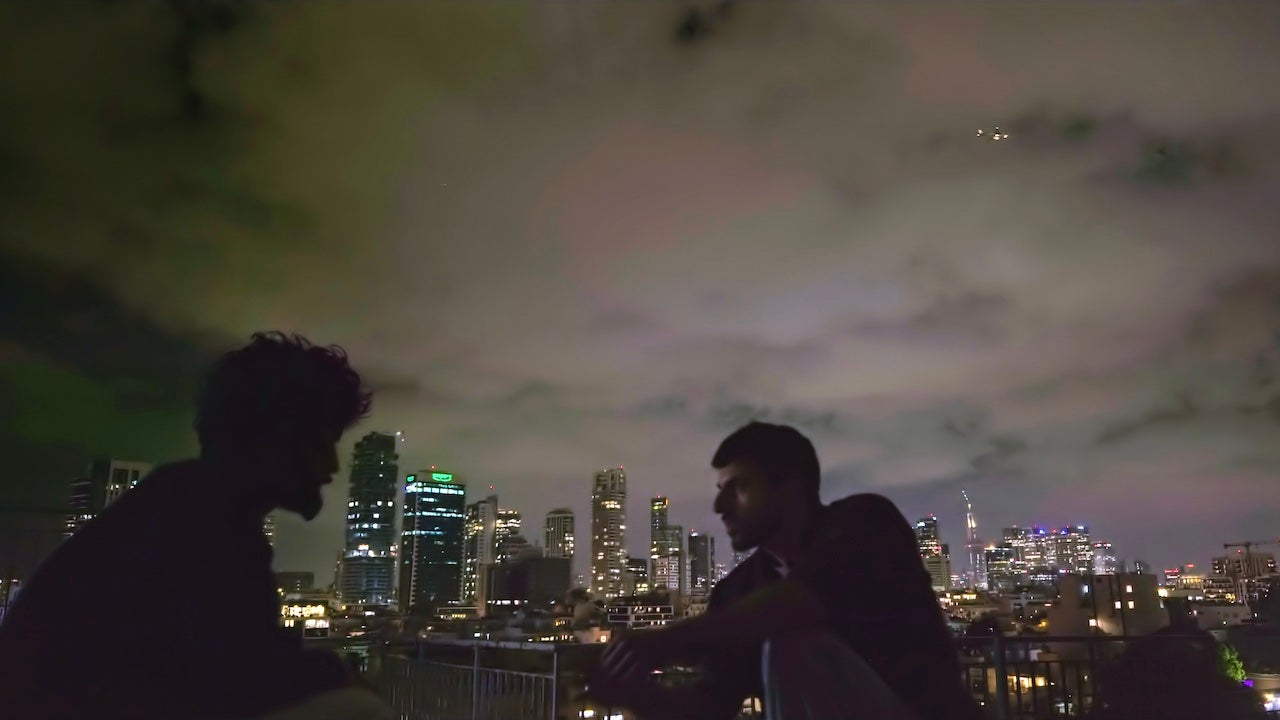
Self-distributed documentary ‘NAZA’ passes $500,000 at North American box office

Korean Filmmakers Discuss Streaming’s Impact on Film Distribution

Digger earns 1.2 million riyals in its first week in Saudi cinemas
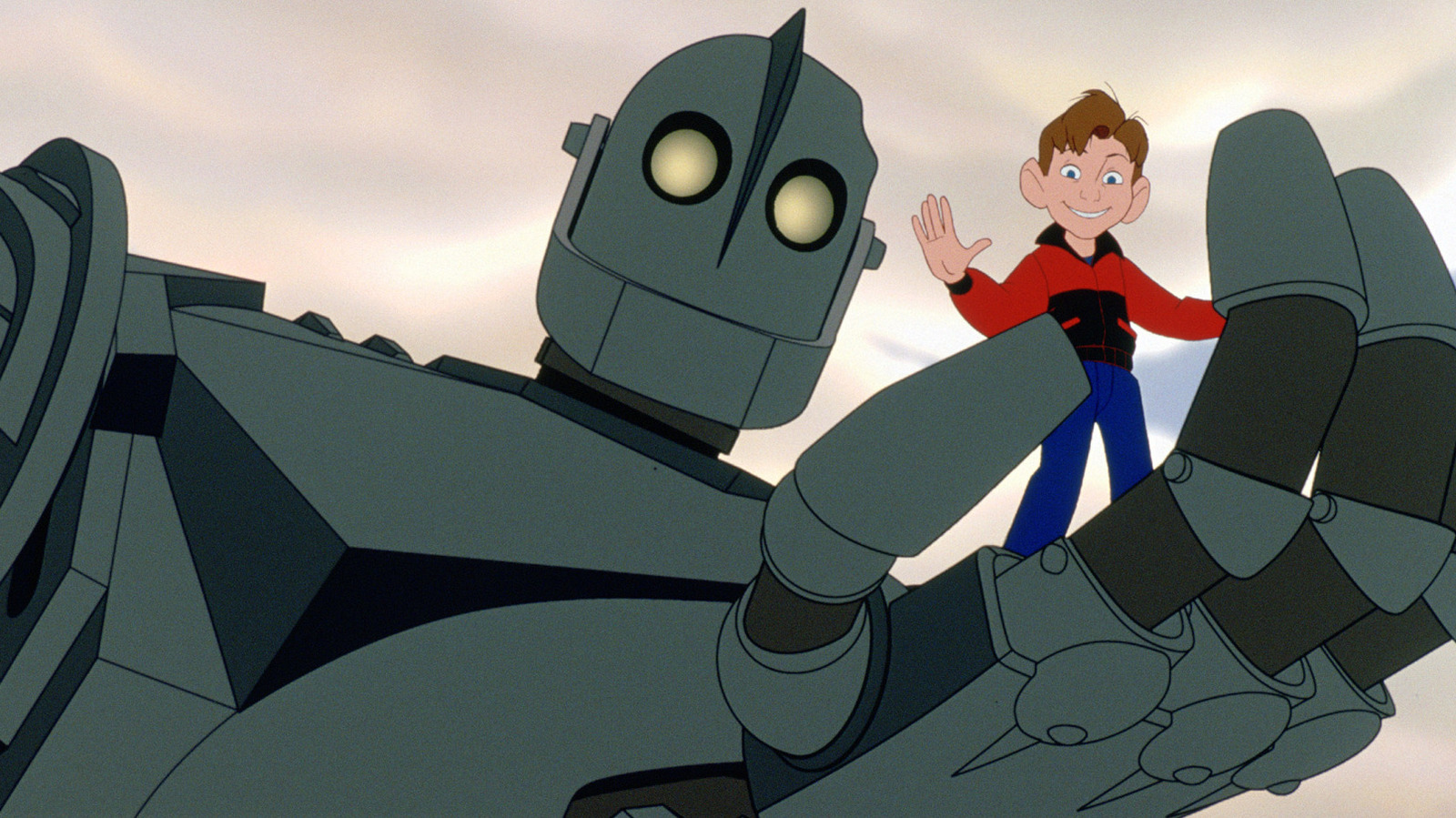
Two 1999 Sci-Fi Films Ranked Among the Year’s Best

Pattinson says Primetime is not an indictment of Chris Hansen
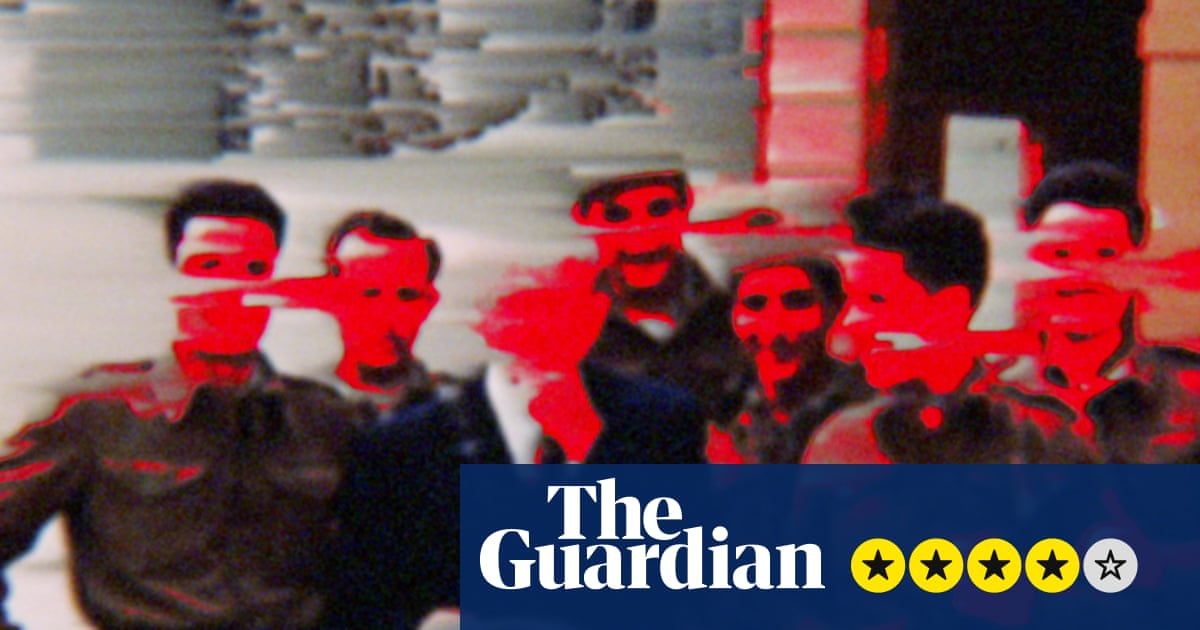
Palestinian filmmaker turns suppressed archive footage into a collage film
Tom Cruise legal thriller The Firm begins streaming on Paramount+

Latido Film Sales takes on José María Cabral’s ‘Sh*t Happens’

‘Arthur & Clara’ to Premiere at Austin Film Festival

‘Other Mommy’ leads North American box office with $27.5 million debut

Tom Cruise film Digger may lose $245 million, report says
