Health · Fitness & Nutrition · 6 hrs ago
Late-night eating linked to higher risk of fatty liver disease
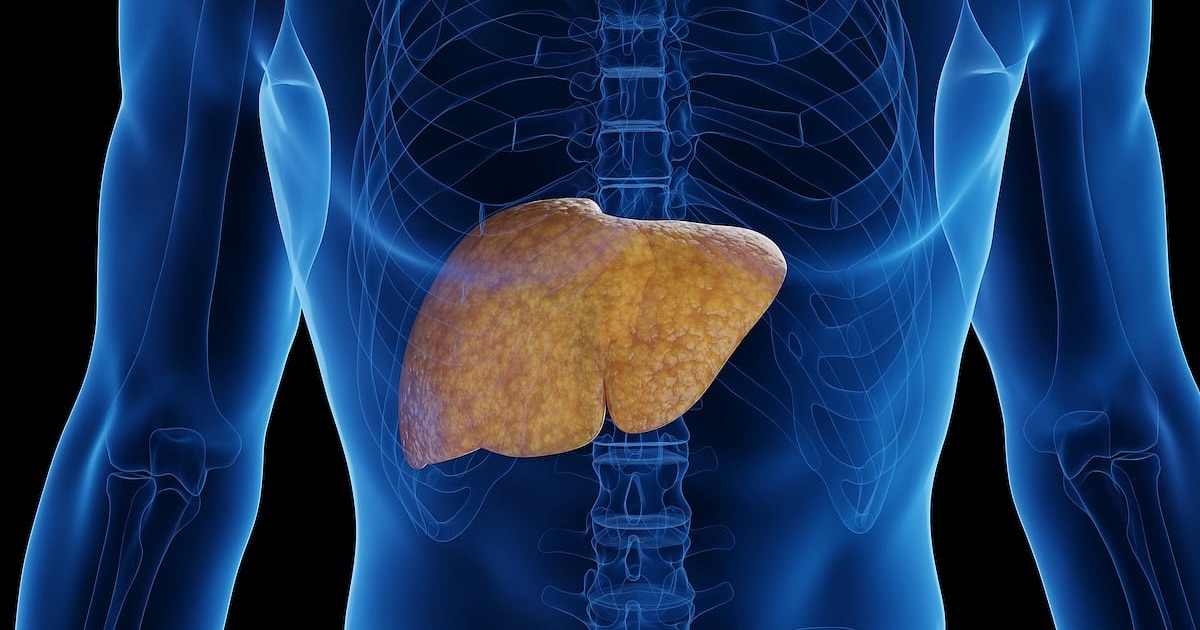
Researchers followed the diet and lifestyle of nearly 200,000 healthy people for about 16 years.
People who said they ate after dinner or before bed had a 36% higher risk of developing fatty liver disease and a 28% higher risk of cirrhosis.
The link remained after researchers accounted for factors including age, diabetes, physical activity and body mass index.
Fatty liver disease, now often called metabolic dysfunction-associated steatotic liver disease, involves fat building up in the liver.
The liver helps process nutrients, and late eating may also raise risks such as obesity and reduced insulin sensitivity.
The study relied on people reporting their own habits and cannot show that late eating caused the diseases.
Researchers are recruiting participants for a new study that will track eating habits directly and examine whether eating earlier benefits liver health.

A long-term analysis found that people who ate after dinner or before bed had a higher risk of fatty liver disease.
They had a 36% higher risk of nonalcoholic fatty liver disease and a 28% higher risk of cirrhosis.
Researchers analyzed diet and lifestyle data from nearly 200,000 healthy people monitored for about 16 years.
The results remained consistent after the researchers adjusted for factors including age, diabetes status, physical activity and body mass index.
The study was observational and relied on self-reported data, so it cannot establish cause and effect.
- Who
- Researchers analyzed data from nearly 200,000 healthy people. Lead author Dr. Robert Wilechansky is a hepatologist at Oregon Health & Science University.
- What
- The analysis linked eating after dinner or before bed with higher risks of fatty liver disease and cirrhosis.
- When
- Participants were monitored for about 16 years. The findings were reported on October 9, 2026.
- Where
- Oregon Health & Science University is in Portland. The study’s location is not stated.
- Why
- Researchers examined whether late-night eating was linked to liver disease. The study does not establish that late-night eating causes it.
This story does not have two clearly opposing sides.
Researchers monitored the participants and collected diet and lifestyle data.
The findings were reported, including higher risks of fatty liver disease and cirrhosis among people who ate late.
Researchers began recruiting participants for a new study to monitor eating habits directly.
- Participants
- Nearly 200,000 healthy people
- Monitoring period
- About 16 years
- Fatty liver disease risk
- 36% higher among those reporting eating after dinner or before bed
- Cirrhosis risk
- 28% higher among those reporting eating after dinner or before bed
- Journal
- Clinical Gastroenterology and Hepatology
What people are saying
Some studies have hinted at this idea, but this is one of the first long-term analyses to explicitly establish the connection with fatty liver disease
The big message here is that limiting your calorie intake to several hours before bedtime could be beneficial
Sources
Related news

Dynamic stretches may help boost energy during morning grogginess or an afternoon slump

Heel Condition Sidelined Runners, Sometimes Requiring Surgery

Argentine experts urge shared meals to help shape young people’s eating habits

Chennai centre to offer free bone health checks on October 20

Journalist tests cooling bedding and a side-sleeper pillow

Trail runners face questions about race-day bathroom access and trail care

Ryan Seacrest shares how he balances fitness with food and wine

Runner’s World hosts discuss when to run again after a marathon

Trainer offers guidance on starting strength training in midlife
More couples are sleeping apart to improve their rest

TODAY invites viewers to share how its health coverage affected them