

1 hr ago
Officials Say Anna Nagar Water Tests Show No E. Coli
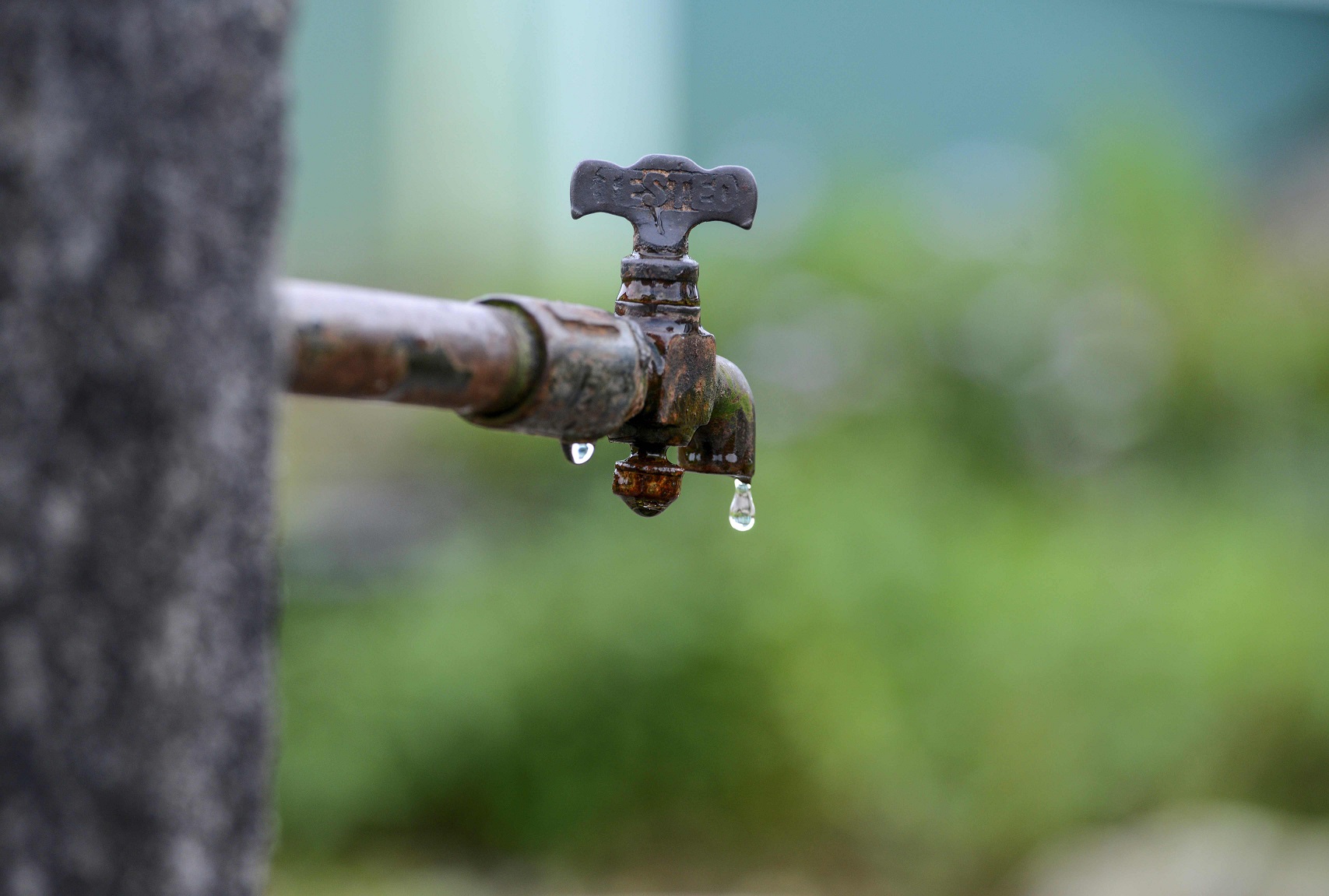
People in Anna Nagar said their drinking water smelled bad.
Some residents were also concerned that it might contain E. coli.
Water officials tested samples from several places.
The tests did not find E. coli.
Officials said the water measurements were within permitted limits.
They flushed an old, partly blocked water pipe to remove deposits.
They also checked for leaks from nearby sewage or storm-water lines but found no contamination source.
Officials said dirty or poorly maintained storage tanks could be causing the smell.

CMWSSB said repeated tests found no E. coli in Anna Nagar drinking water.
Residents continued reporting a foul smell despite satisfactory bacteriological test results.
Officials recorded TDS of 220 ppm and residual chlorine of 2.2 ppm.
The water main was flushed because it was old and partially choked.
Residents were advised to clean and maintain underground and overhead storage tanks.
- Who
- Residents of M Block, 8th Street, Anna Nagar, and the Chennai Metropolitan Water Supply and Sewerage Board (CMWSSB).
- What
- Residents reported foul-smelling drinking water and concerns about E. coli; CMWSSB said repeated tests detected no E. coli.
- Where
- M Block, 8th Street, Anna Nagar, Chennai.
- When
- The complaint was received on August 4; tests and inspections followed, with laboratory results reported on August 11 and August 20.
- Why
- Residents reported an unpleasant smell; officials attributed it as a possible result of deposits in old water mains or poorly maintained storage tanks, while finding no E. coli contamination.
Residents’ Concerns
CMWSSB’s Findings
Water safety
Residents’ Concerns
Residents reported foul-smelling drinking water and raised concerns about possible E. coli contamination.
CMWSSB’s Findings
CMWSSB said its tests, a private laboratory test, and samples from multiple locations found no E. coli.
Cause of the smell
Residents’ Concerns
Residents continued to complain about the foul smell after the initial inspection and testing.
CMWSSB’s Findings
Officials said accumulated deposits in old, partly choked mains or prolonged storage and deposits in household tanks could cause the odour.
Possible contamination source
Residents’ Concerns
The concerns prompted checks for potential contamination of the water supply.
CMWSSB’s Findings
CMWSSB said it inspected nearby sewer and storm-water lines but found no source of cross-contamination.
Key facts
- Water-supply agency
- Chennai Metropolitan Water Supply and Sewerage Board (CMWSSB)
- Complaint date
- August 4
- TDS reading
- 220 ppm
- Residual chlorine
- 2.2 ppm
- First laboratory result
- Received August 11; E. coli was not detected.
- Further laboratory results
- Received August 20; no E. coli was found in samples from several locations.
- Pipeline action
- Officials flushed the old, partially choked water main on August 10.
Sources
Related news

MLA Assures Guntur Residents Over Safety Of Drinking Water

Railways Launch 10-Day Water Cooler Inspection Drive After CAG Findings

Alwal Residents Report Sewage-Contaminated Drinking Water for Nearly Month

CAG flags E. coli bacteria in railway station drinking water
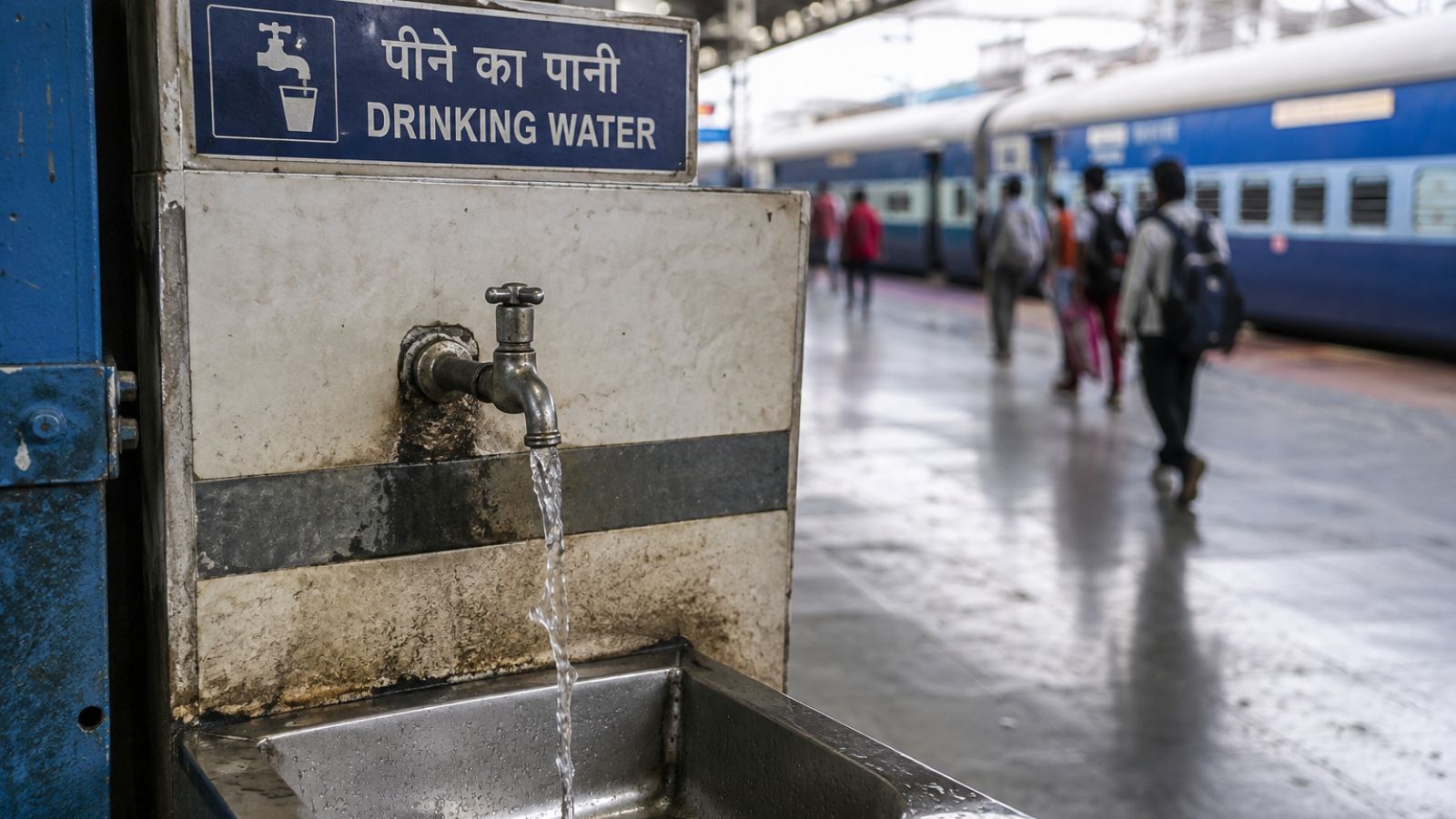
Railways order filtration at 20,000 locations after E. coli report
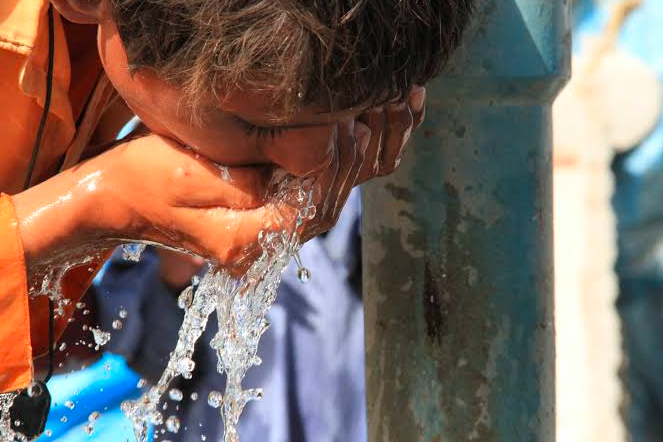
Panel Links 24 Indore Water Deaths to Sewage Contamination

India Study Finds Resistant Infections Deadlier and More Expensive

Indian Railways Launches Drive to Improve Station Drinking-Water Safety

Stanford AI creates new synthetic viruses, raising biosecurity concerns
