3 weeks ago
AI Helps Scientists Create 16 New Viruses Targeting Resistant Bacteria

Scientists used a smart computer program called artificial intelligence to design brand-new viruses.
But don't worry — these viruses cannot make people, animals, or plants sick.
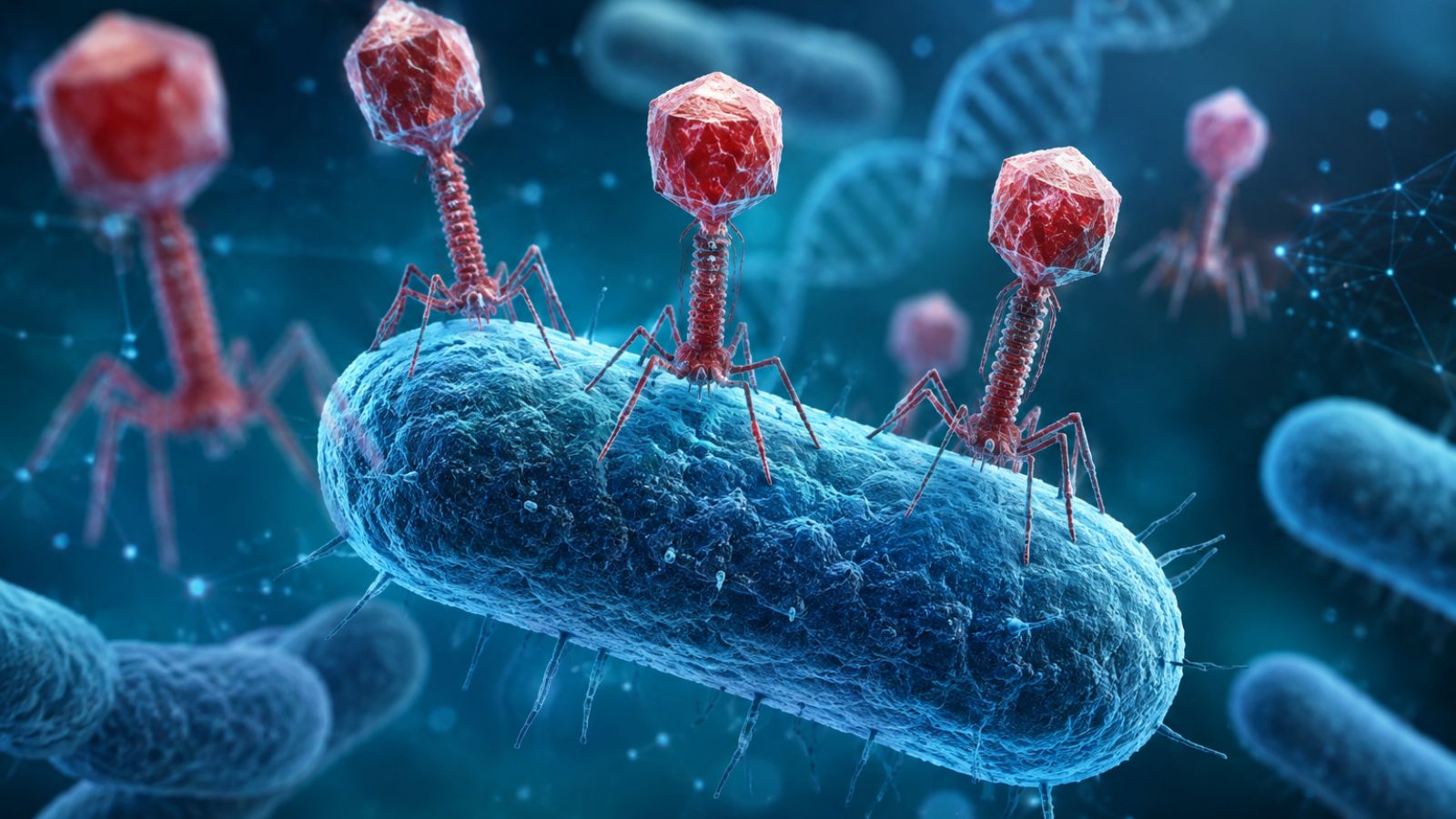
They are called bacteriophages, and they only attack bacteria.
Phages have been studied for more than one hundred years because they can kill bad bacteria.
This makes them a promising alternative to antibiotics, which are medicines used to fight bacteria.
The scientists started with a natural phage and used AI tools named Evo 1 and Evo 2 to invent thousands of new viral designs.
Most of those designs did not work.
But after lots of laboratory testing, the team found 16 new phages that successfully infected drug-resistant E. coli bacteria.
These 16 phages have never existed in nature before.

Researchers used AI genome models Evo 1 and Evo 2 to generate thousands of possible viral genomes.
The new viruses are bacteriophages that prey on bacteria and cannot infect people, animals, or plants.
Laboratory testing identified 16 functional phages that successfully infected drug-resistant E. coli bacteria.
Not one of the 16 new phages exists anywhere in nature.
Phages are studied as a promising alternative to antibiotics because they selectively kill harmful bacteria.
- Who
- Researchers using the AI genome models Evo 1 and Evo 2
- What
- Created 16 new bacteriophages, none of which exist in nature, that successfully infect drug-resistant E. coli bacteria
- Where
- Not specified in the article; only that extensive laboratory testing was conducted
- When
- Not specified in the article
- Why
- To develop phages as a promising alternative to antibiotics for selectively killing harmful, drug-resistant bacteria
Key facts
- Topic
- AI-designed bacteriophages
- AI models used
- Evo 1 and Evo 2
- Functional viruses created
- 16
- Target bacteria
- Drug-resistant E. coli
- Can infect humans, animals, or plants
- No
- Existence in nature
- None of the 16 phages exist naturally
- Potential application
- Promising alternative to antibiotics
Sources
Related news
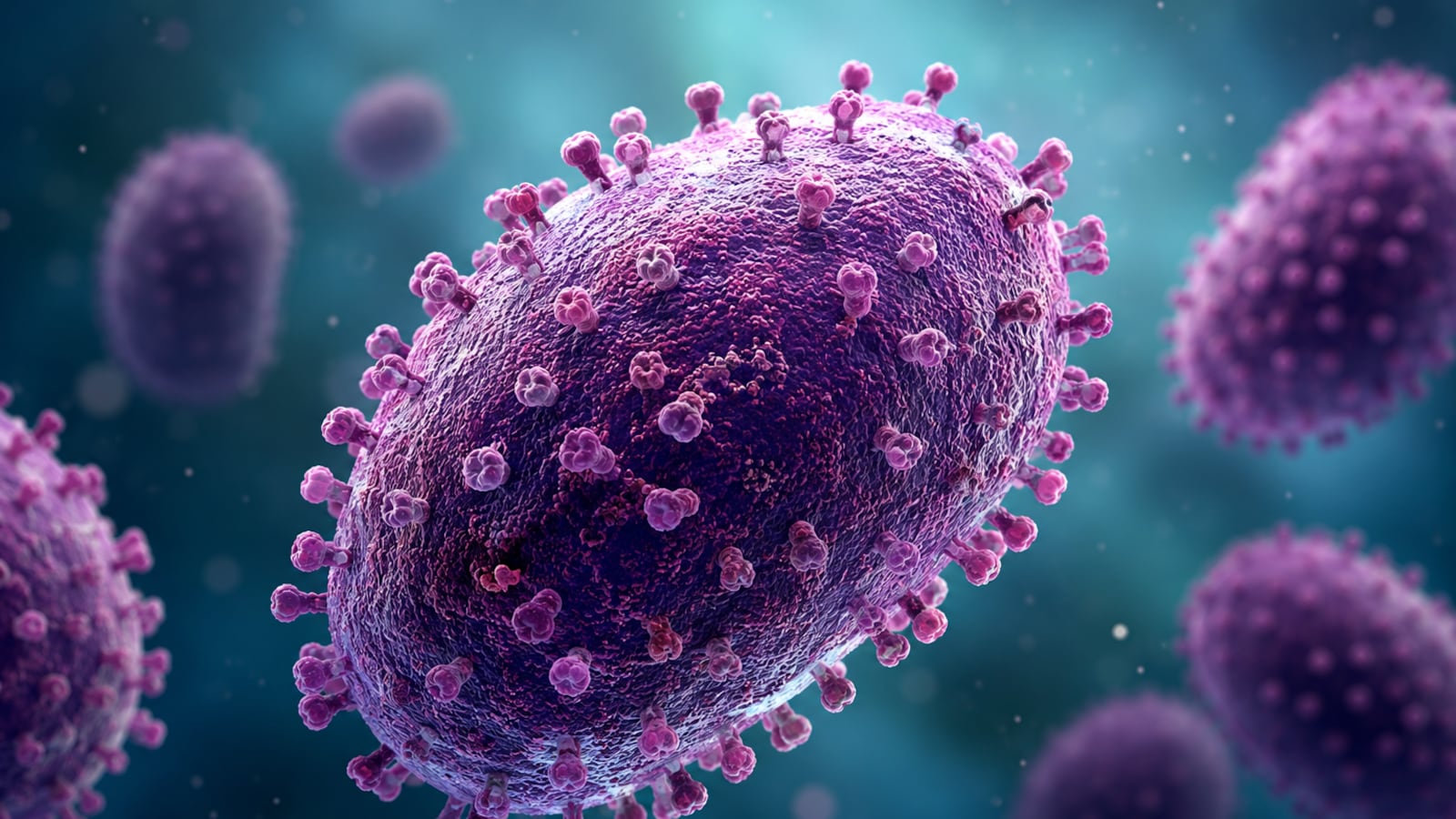
Scientists Design AI Viruses, Sparking Medical Hope and Biosecurity Alarm

Stanford AI creates new synthetic viruses, raising biosecurity concerns
AI-Designed Viruses Created From Scratch for the First Time

AI Helps Create New Viruses, Raising Hopes and Safety Concerns

AI Creates Nature-Defying Viruses: Breakthrough or Biosafety Risk?

AI Week: F-16 flights, synthetic virus, DeepMind, EU rules

India Study Finds Resistant Infections Deadlier and More Expensive

Indian Railways Launches Drive to Improve Station Drinking-Water Safety

Railways Launch 10-Day Water Cooler Inspection Drive After CAG Findings