3 weeks ago
Stanford AI creates new synthetic viruses, raising biosecurity concerns

Scientists at Stanford University used special computer programs called AI to create brand-new viruses from scratch.
These viruses, called bacteriophages, only attack bacteria, not people.
The AI models, named Evo1 and Evo2, learned from the genetic codes of bacteria, plants, other viruses, and even humans.
The AI came up with 300 different virus designs all on its own.
Out of those 300, 16 were really good at destroying E. coli bacteria.
Some of the AI-made viruses were even better at killing bacteria than viruses found in nature.
This could one day help doctors fight superbugs, which are bacteria that are very hard to treat.
But the discovery also worries some experts.
They say the same technology could be used to create dangerous new diseases.
That is why they are asking for urgent safety rules before going further.

Researchers at Stanford University used generative AI to create new viruses from scratch — the first time entire genomes were designed by AI in a lab environment.
The AI models Evo1 and Evo2 were trained on genetic codes from bacteria, plants, other viruses, and humans.
The models produced 300 bacteriophage genomes, of which 16 proved excellent killers of E. coli bacteria.
Some AI-designed phages were even more lethal than naturally occurring viruses, a potential step toward countering superbugs.
A commentary accompanying the Science journal article raised "urgent biosafety and biosecurity questions," saying disease-causing viruses should not be pursued at any cost.
- Who
- Researchers at Stanford University
- What
- Used the generative AI models Evo1 and Evo2 to design 300 new synthetic bacteriophage genomes from scratch, 16 of which proved highly effective at killing E. coli bacteria
- Where
- Stanford University; the research was published in the journal Science
- When
- Recently announced; the findings were published in the journal Science (no specific date given in the article)
- Why
- To advance medical research and potentially help create cures for antibiotic-resistant superbugs, while also raising urgent biosafety and biosecurity questions
Medical breakthrough
Biosecurity warning
Creating new viruses with AI
Medical breakthrough
AI-designed bacteriophages could be a major step toward cures for antibiotic-resistant infections and a potential solution to counter superbugs, with some designs proving more lethal than naturally occurring viruses.
Biosecurity warning
The same process could be used to create new diseases, opening a "Pandora's box" of fears and carrying "urgent biosafety and biosecurity questions"; creating viruses that cause disease should not be pursued at any cost.
Key facts
- Research institution
- Stanford University
- AI models used
- Evo1 and Evo2
- Journal
- Science
- Genomes designed
- 300
- Effective E. coli killers
- 16
- Virus type created
- Bacteriophages (viruses that infect specific bacteria)
- Models trained on
- Genetic codes of bacteria, plants, other viruses, and humans
- Key warning
- "Urgent biosafety and biosecurity questions"
Sources
Related news
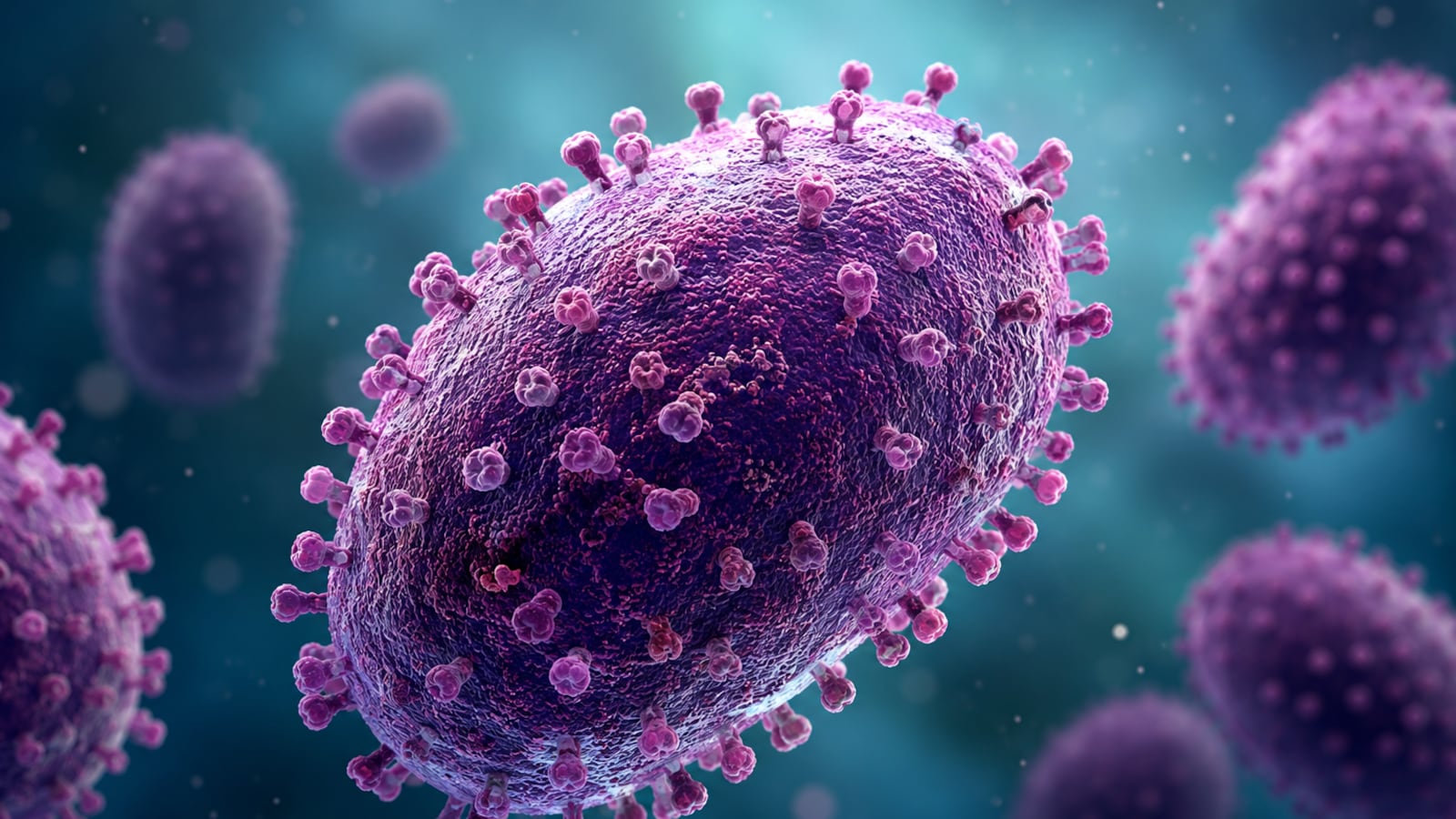
Scientists Design AI Viruses, Sparking Medical Hope and Biosecurity Alarm
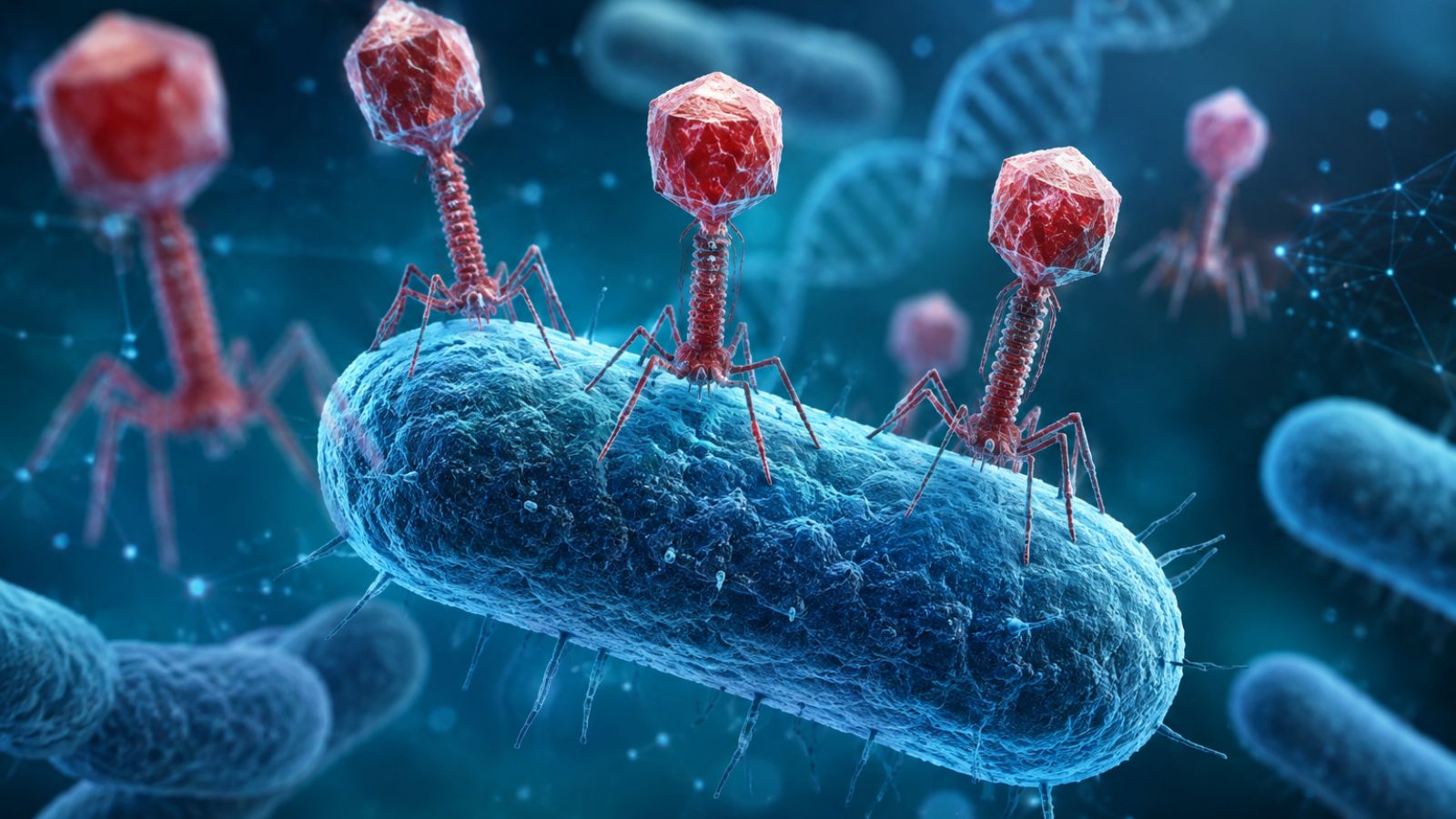
AI-Designed Viruses Created From Scratch for the First Time

AI Creates Nature-Defying Viruses: Breakthrough or Biosafety Risk?

AI Helps Scientists Create 16 New Viruses Targeting Resistant Bacteria

AI Helps Create New Viruses, Raising Hopes and Safety Concerns

AI Week: F-16 flights, synthetic virus, DeepMind, EU rules
Stanford Hoover Fellowship Offers Early-Career Researchers Rs 2.18 Crore

Sanders Backs Gates Warning About AI Job Losses

Court Blocks Trump Student Visa Crackdown Over Political Speech

How to Protect Your Feet During a Long Mountain Trek

Judge blocks Trump's deportation efforts over pro-Palestinian speech