

1 week ago
High-Tariff Hybrid and Vanilla Solar Projects Struggle for Buyers
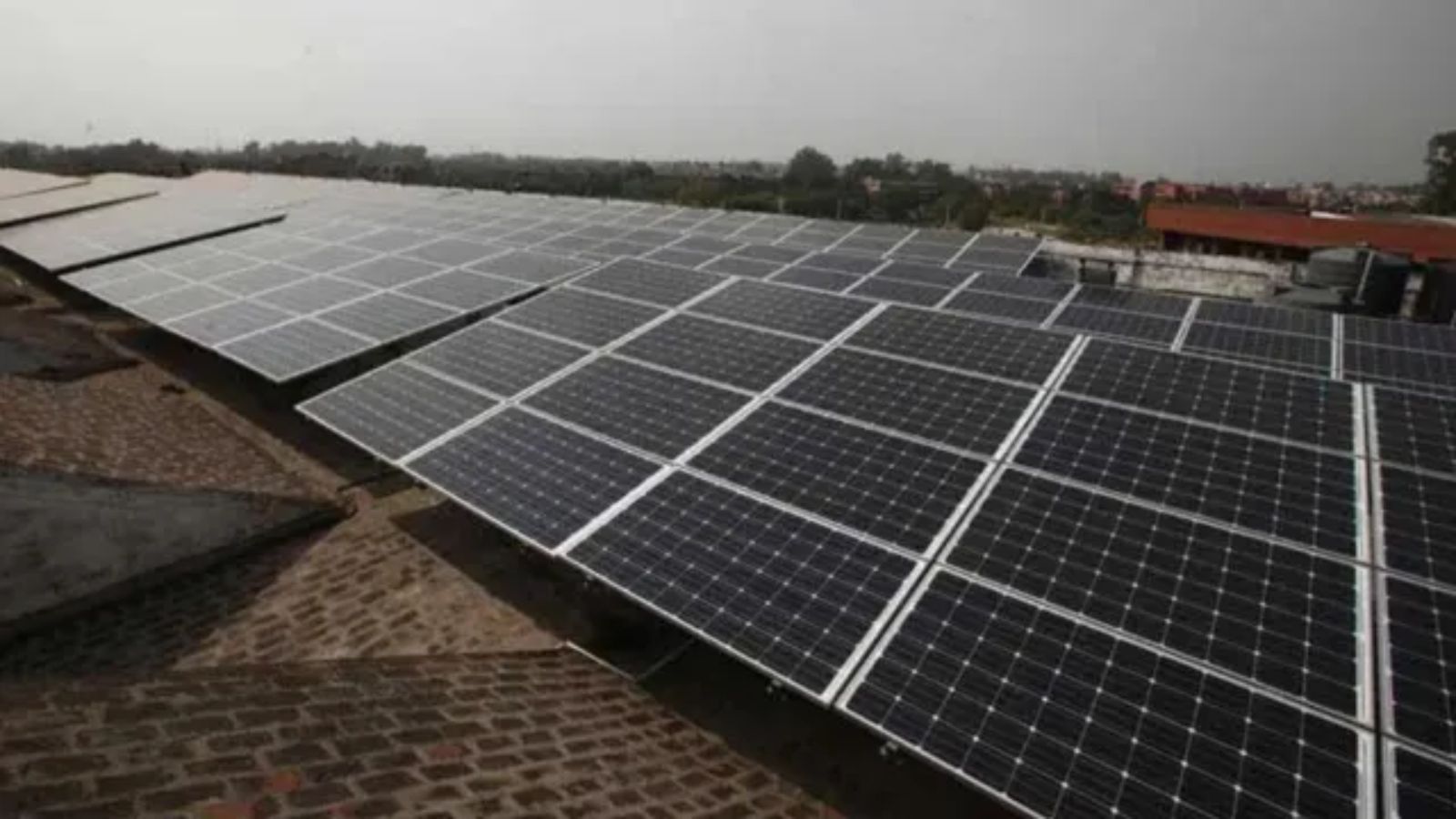
Some renewable energy projects in India have been built or planned but do not yet have buyers for their electricity.
About 42 GW of renewable capacity is waiting for power purchase agreements.
Distribution companies are finding some hybrid projects too expensive.
They are also having difficulty buying regular solar power from some projects.
Developers are adding batteries to solar plants so the electricity can be supplied more reliably.
Some developers may choose to leave these projects without losing certain bank guarantees.
Wind projects are being bought more actively than some solar projects.
India also wants to make more polysilicon, an important material for solar panels, inside the country.
Officials are also looking at batteries made with sodium and vanadium as alternatives to lithium-ion batteries.

About 42 GW of renewable capacity currently lacks power purchase agreements, according to MNRE Secretary Santosh Kumar Sarangi.
High-tariff hybrid projects and standalone, or vanilla, solar projects are struggling to secure DISCOM buyers.
Developers are adding battery storage to vanilla solar projects to make their bids more attractive to distribution utilities.
A CERC regulation introduced in July 2026 allows some developers to exit without forfeiting connectivity bank guarantees.
The government aims to add 30 GW of polysilicon manufacturing capacity by 2030 and is exploring sodium-ion and vanadium flow batteries.
- Who
- Santosh Kumar Sarangi, the Ministry of New and Renewable Energy Secretary, discussed the issue; renewable developers, Renewable Energy Implementing Agencies, and distribution companies are involved.
- What
- High-tariff hybrid and vanilla solar projects are struggling to secure power purchase agreements, while the government is considering procurement measures and supporting domestic manufacturing and new battery technologies.
- Where
- New Delhi, India.
- When
- The comments were made on Friday at the BloombergNEF Summit; the article also refers to a Central Electricity Regulatory Commission regulation introduced in July 2026 and a 2030 manufacturing target.
- Why
- Some projects have tariffs that distribution companies find difficult to accept, while renewable capacity remains without buyers.
Renewable Developers and Project Supporters
Distribution Utilities and Procurement Agencies
Project tariffs
Renewable Developers and Project Supporters
Developers are seeking buyers for hybrid and vanilla solar projects and are adding battery storage to improve their bids.
Distribution Utilities and Procurement Agencies
Some hybrid tenders with higher discovered tariffs and some vanilla solar projects are difficult for DISCOMs to procure.
Uncontracted capacity
Renewable Developers and Project Supporters
Developers may need a way to avoid being locked into projects that cannot secure power purchase agreements.
Distribution Utilities and Procurement Agencies
REIAs may continue working with DISCOMs to procure the capacity, but projects that remain unsold could be cancelled.
Project exit
Renewable Developers and Project Supporters
The CERC provision offers developers a penalty-free exit route without forfeiting connectivity bank guarantees, according to Sarangi.
Distribution Utilities and Procurement Agencies
The exit option could mean that some renewable capacity is not ultimately sold if buyers cannot be found.
Key facts
- Uncontracted capacity
- Around 42 GW of renewable energy capacity is currently without power purchase agreements.
- Projects facing difficulty
- High-tariff hybrid renewable projects and vanilla solar projects are struggling to find DISCOM buyers.
- Battery additions
- Developers are increasingly adding battery energy storage systems to standalone solar projects.
- Exit provision
- A CERC regulation introduced in July 2026 allows eligible developers to exit without forfeiting connectivity bank guarantees.
- Wind procurement
- Vanilla wind projects are increasingly being procured on priority by Renewable Energy Implementing Agencies.
- Polysilicon target
- The government is seeking around 30 GW of polysilicon manufacturing capacity by 2030.
- Alternative batteries
- The sector is exploring sodium-ion and vanadium flow batteries alongside lithium-ion batteries.
Quotes
Santosh Kumar Sarangi
Secretary at India’s Ministry of New and Renewable Energy
“So only vanilla solar and some hybrid projects probably will have to either…where the developer will have to either exit exercising their penalty-free exit option, or else REIAs will eventually have to cancel”
 indianexpress.com
“You are aware that NTPC Green Energy Limited has now placed a 100 megawatt order for vanadium flow batteries and there are manufacturers within the country who are doing manufacturing of flow batteries.”
indianexpress.com
Sources
Related news
India weighs storage changes to revive stalled renewable-energy bids
Juniper Green Signs 25-Year FDRE Power Deal With SJVN
ACME Solar Wins 300 MW Renewable Power Project With Storage
Economy Quiz Covers Solar Projects, Forex Deposits And PPPs
India Bets on Battery Storage to Reduce Solar Curtailments
India’s Non-Fossil Capacity Crosses 300 GW as Centre Pushes Transition

Karnataka Accelerates Rooftop Solar Projects for Government Buildings
Rajasthan Targets 125 GW Renewable Capacity by 2030
PM Surya Ghar May Tie Support to Solar Performance
