2 hrs ago
India’s Freight Corridors Expand Logistics Connectivity and Efficiency
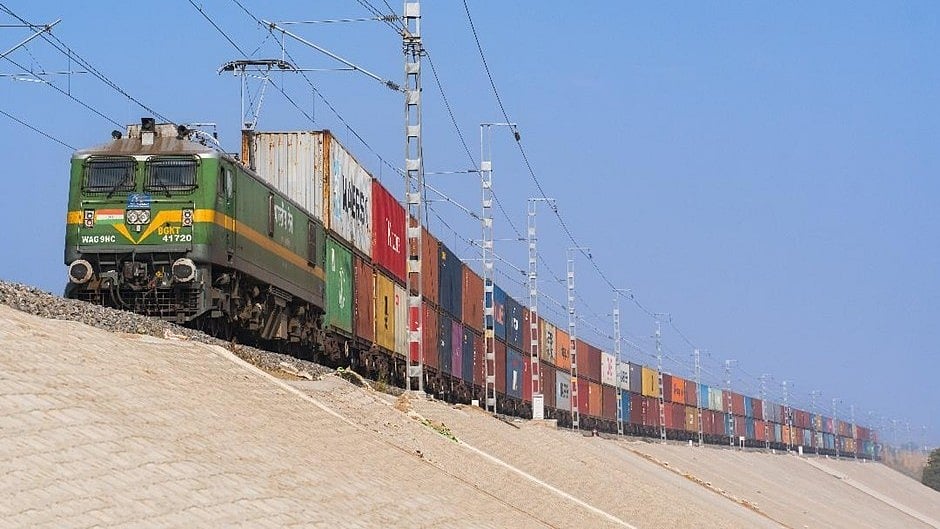
India has built special railway lines just for carrying goods.
These lines are called Dedicated Freight Corridors.
They help freight trains avoid tracks that are mainly used by passenger trains.
The network covers 2,843 kilometres across eastern and western India.
The full western corridor became operational on 31 March 2026.
Thousands of freight trains now use the network each year.
The corridors can help move food, fuel, coal, cement, vehicles and other goods more quickly.
They are also expected to improve trade and supply chains in northeastern India while reducing road traffic and pollution.

India’s 2,843-kilometre Dedicated Freight Corridor network includes Eastern and Western corridors.
The entire 1,506-kilometre Western Dedicated Freight Corridor became operational on 31 March 2026.
The network carries more than 14% of Indian Railways’ freight traffic across about 4% of its railway network.
By 31 August 2026, the corridors had handled approximately 5.21 lakh freight train trips, averaging nearly 435 trains daily.
The corridors are intended to reduce logistics costs, congestion, diesel use and emissions while improving access for northeastern industries and producers.
- Who
- The Dedicated Freight Corridor Corporation of India Limited developed the network, which serves freight operators, industries, traders and agricultural producers.
- What
- India operationalised a 2,843-kilometre Dedicated Freight Corridor network comprising Eastern and Western corridors.
- Where
- The Eastern corridor runs from New Sahnewal in Punjab to New Sonnagar in Bihar, while the Western corridor runs from New Dadri in Uttar Pradesh to the New Jawaharlal Nehru Port Authority in Maharashtra.
- When
- The Western corridor became fully operational on 31 March 2026; network figures cited in the article run through 31 August 2026.
- Why
- The corridors are intended to increase freight capacity and reliability, improve logistics connectivity, and reduce costs, congestion, fuel use and emissions.
Key facts
- Total network length
- 2,843 kilometres
- Eastern corridor
- 1,337 kilometres, from New Sahnewal in Punjab to New Sonnagar in Bihar
- Western corridor
- 1,506 kilometres, from New Dadri in Uttar Pradesh to the New Jawaharlal Nehru Port Authority in Maharashtra
- Freight share
- More than 14% of Indian Railways’ freight traffic on approximately 4% of its railway network
- Train trips
- Approximately 5.21 lakh freight train trips through 31 August 2026
- Average daily movement
- Nearly 435 trains per day
- 2025–26 freight growth
- Approximately 13.74%
Sources
Related news
India's Dedicated Freight Corridor Promises Faster Cargo And Farm Markets
Modi To Dedicate Three Western Freight Corridor Sections At JNPA
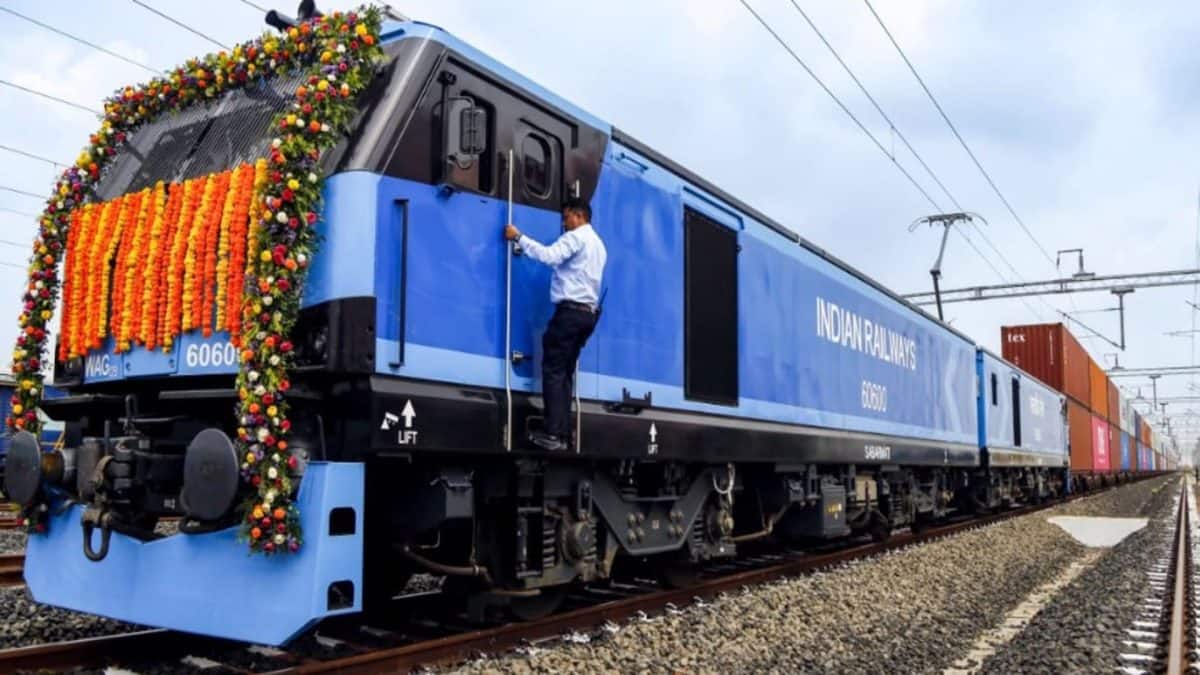
Modi inaugurates final sections, completing India’s dedicated freight network

DFCCIL launches rapid parcel train linking NCR to Gujarat
Modi Inaugurates India’s 2,800-Kilometre Freight Corridor, Targets Critics
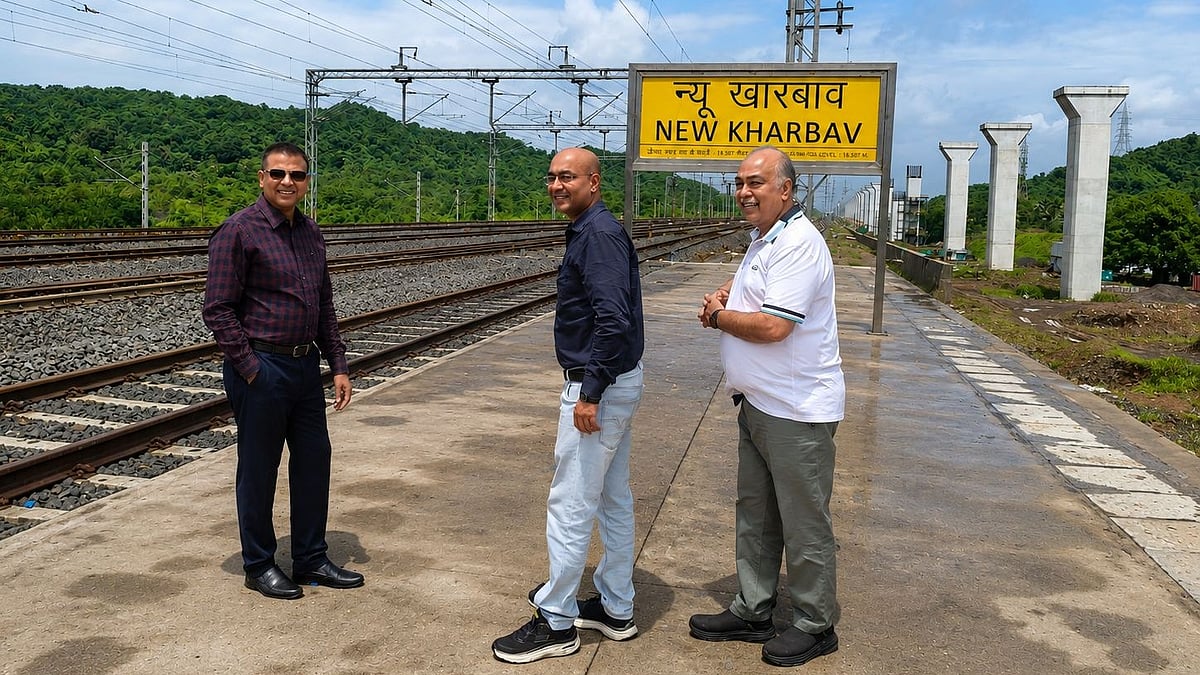
JNPA Explores Rail Nodes To Speed Container Movement
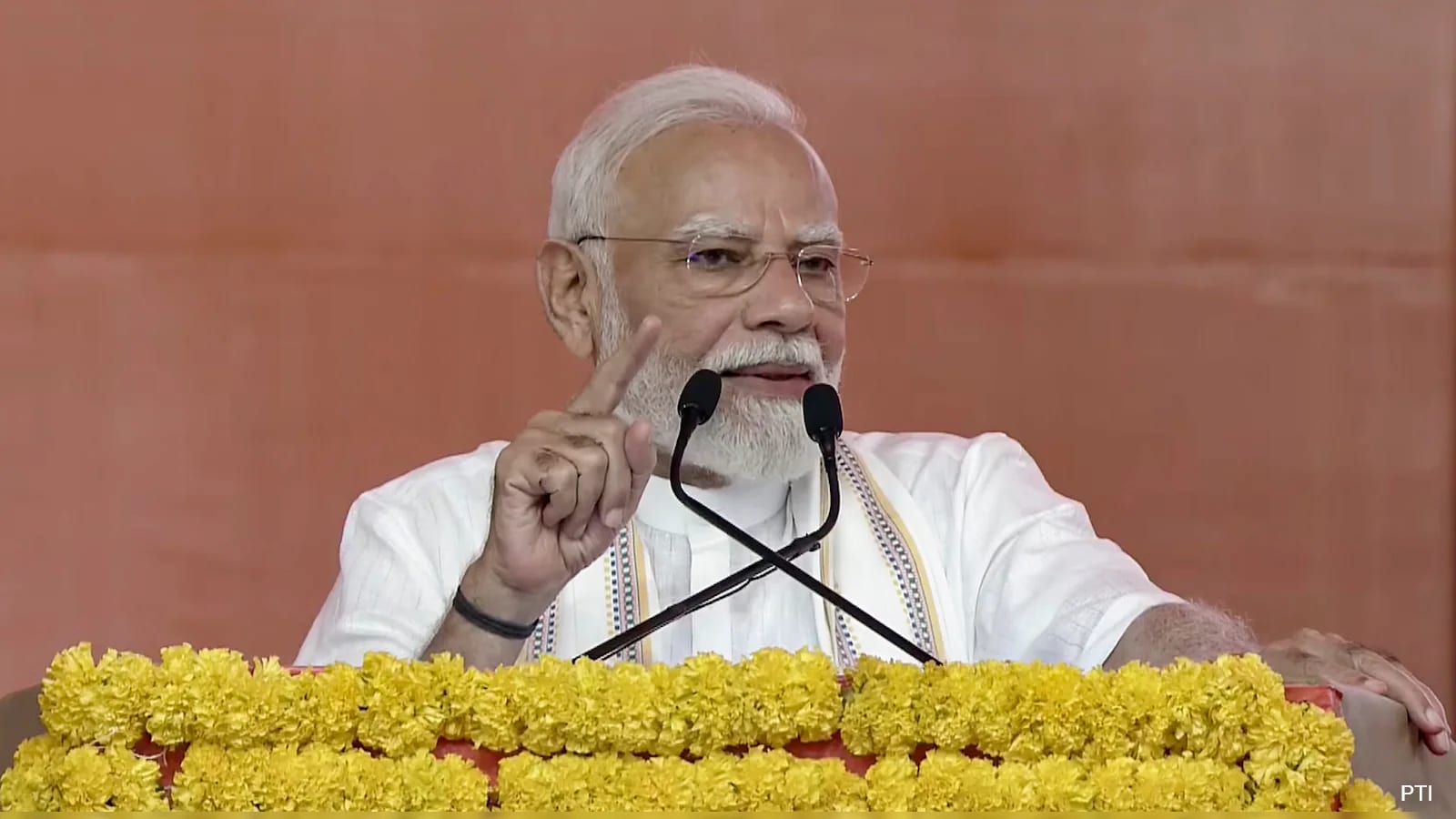
Modi inaugurates freight corridor, attacks Congress over development record

Greater Noida Approves Double-Decker Flyover to Ease Traffic