33 mins ago
BRICS Pushes Global South Climate Priorities in Delhi Declaration
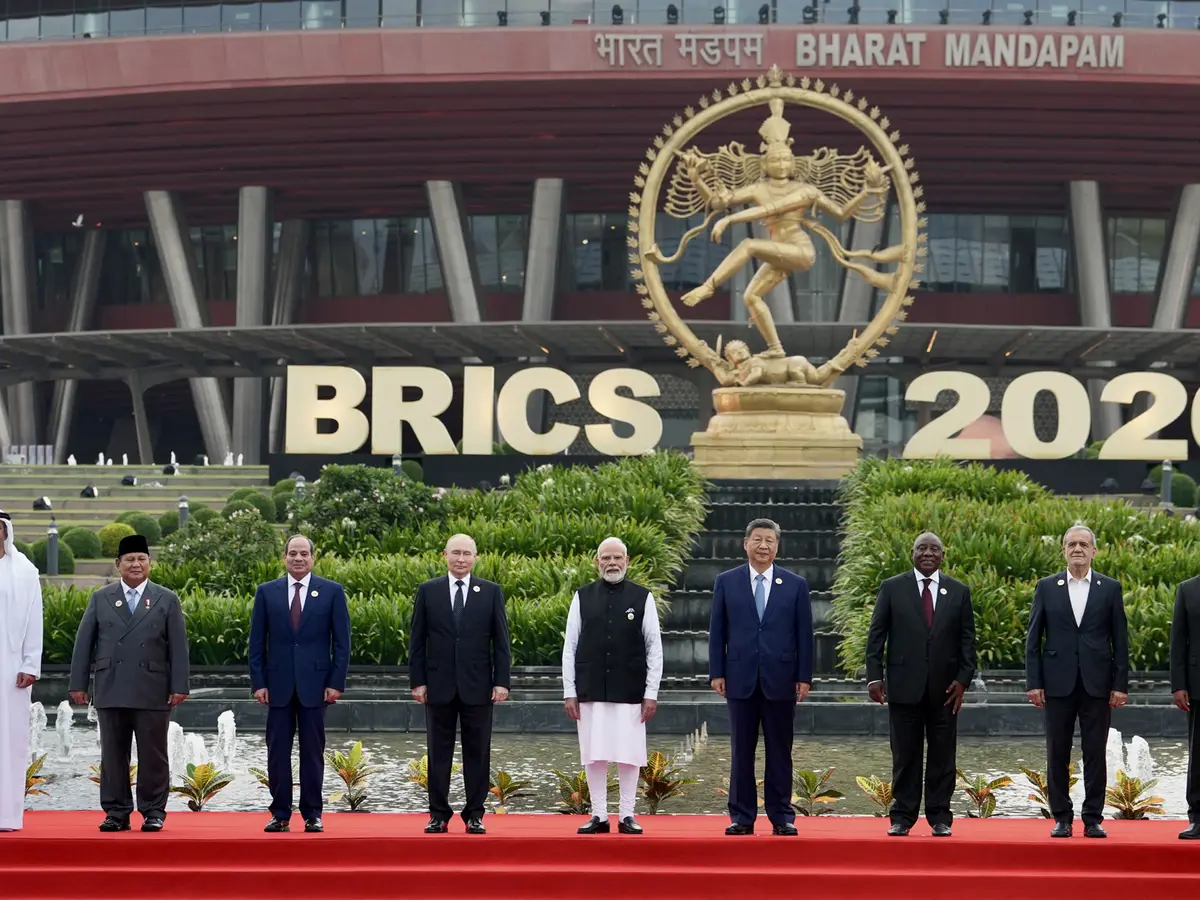
BRICS countries released a declaration about how they want to address climate change.
They said poorer and developing countries need more money to prepare for floods, droughts and other dangers.
They also said debt makes it harder for these countries to invest in climate projects.
BRICS criticized carbon-related border tariffs proposed by the European Union.
The group argued that trade and climate policies should not make economic inequality worse.
The declaration supports clean energy, but says each country should decide its own timeline based on its development needs.
It focuses strongly on preparing communities and infrastructure for climate disasters.
Experts say the important question is whether BRICS will turn these promises into stronger action.

The BRICS declaration treats climate finance, adaptation and development as closely connected priorities.
BRICS called European Union carbon border measures unilateral, punitive, discriminatory and protectionist.
The declaration links debt, trade rules and limited climate finance to developing countries’ ability to adapt.
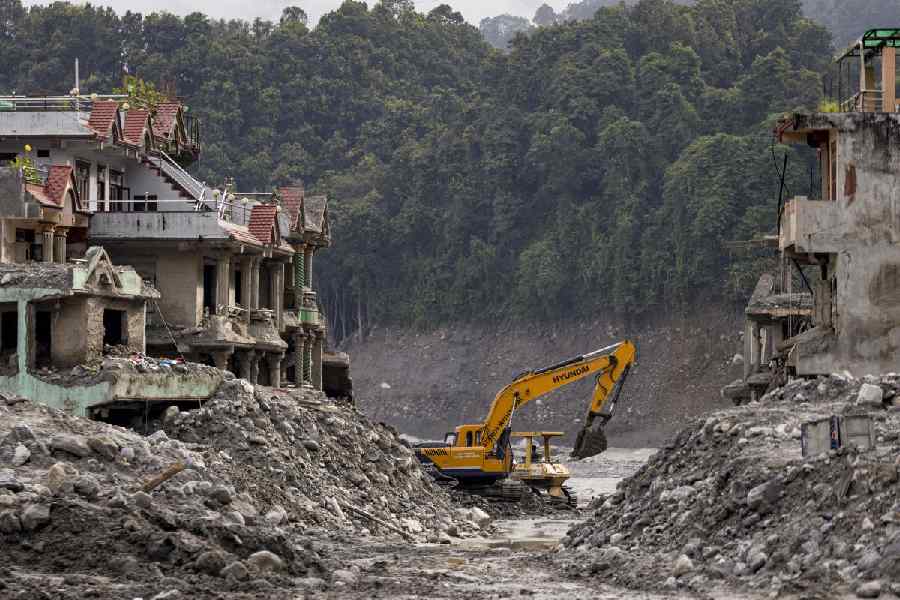
The text emphasizes resilience, early warnings, disaster preparedness and climate-resilient infrastructure after deadly Nepal floods.
The declaration omits the phrase “Net Zero” and supports nationally determined timelines for clean-energy expansion.
- Who
- BRICS member countries, representing emerging and developing economies, along with experts quoted in the analysis.
- What
- Issued a climate-focused New Delhi Declaration calling for greater developing-country influence over climate finance, trade rules and global institutions.
- Where
- New Delhi, India, with the declaration addressing global climate and financial institutions.
- When
- At the BRICS Summit in New Delhi, shortly after glacier-triggered floods in Nepal that killed nearly 1,400 people.
- Why
- To connect climate action with development, adaptation, debt relief, trade policy and reforms giving developing countries greater influence.
BRICS and Global South Priorities
External Scrutiny and Existing Climate Frameworks
Climate targets
BRICS and Global South Priorities
BRICS emphasizes differentiated responsibilities and national circumstances, arguing that clean-energy timelines should reflect countries’ development needs.
External Scrutiny and Existing Climate Frameworks
The declaration’s omission of “Net Zero” highlights a potential gap with the phrase’s prominence in Euro-American climate discussions; experts say the bloc’s rhetoric must lead to stronger action.
Carbon border measures
BRICS and Global South Priorities
BRICS says European Union carbon border measures are unilateral, punitive, discriminatory and protectionist, and could undermine developing countries’ adaptation efforts.
External Scrutiny and Existing Climate Frameworks
The declaration’s position challenges environmental tariff policies pursued by the European Union, while its broader warning is that such tariffs can disrupt supply chains and widen economic disparities.
Climate finance and governance
BRICS and Global South Priorities
BRICS calls for more accessible adaptation finance, debt-sensitive investment and greater developing-country influence in institutions such as the International Monetary Fund and World Bank.
External Scrutiny and Existing Climate Frameworks
The analysis presents implementation as the key test, particularly as Western countries are described as retreating from their commitments.
Key facts
- BRICS global share
- The bloc represents about 40% of global GDP, 26% of global trade and nearly half of the world’s population.
- Climate finance
- The declaration treats climate finance as part of growth and development and calls for additional, predictable and accessible adaptation finance.
- Debt
- Debt is identified as a barrier to climate investment.
- Carbon border measures
- BRICS described carbon border adjustment mechanisms as unilateral, punitive, discriminatory and protectionist.
- Energy approach
- The declaration supports renewables, hydrogen and nuclear energy alongside fossil fuels in emerging and developing economies.
- Adaptation measures
- The text mentions early-warning integration, climate-resilient urban infrastructure, anticipatory action and drought-resilient seed systems.
- Global governance
- BRICS seeks IMF quota reform, changes to World Bank shareholding and greater developing-country representation at the United Nations.
Quotes

BRICS leaders
Signatories of the BRICS joint declaration
“For a grouping as diverse and geopolitically complex as BRICS, achieving consensus on a forward-looking climate framework is no small feat”
 wionews.com
“For the BRICS, Net Zero is an outcome of a profoundly unsustainable development system.”
wionews.com
Sources
Related news
BRICS Climate Declaration Rejects One-Size-Fits-All Net Zero Model
BRICS Frames Climate Resilience as Economic Growth Strategy
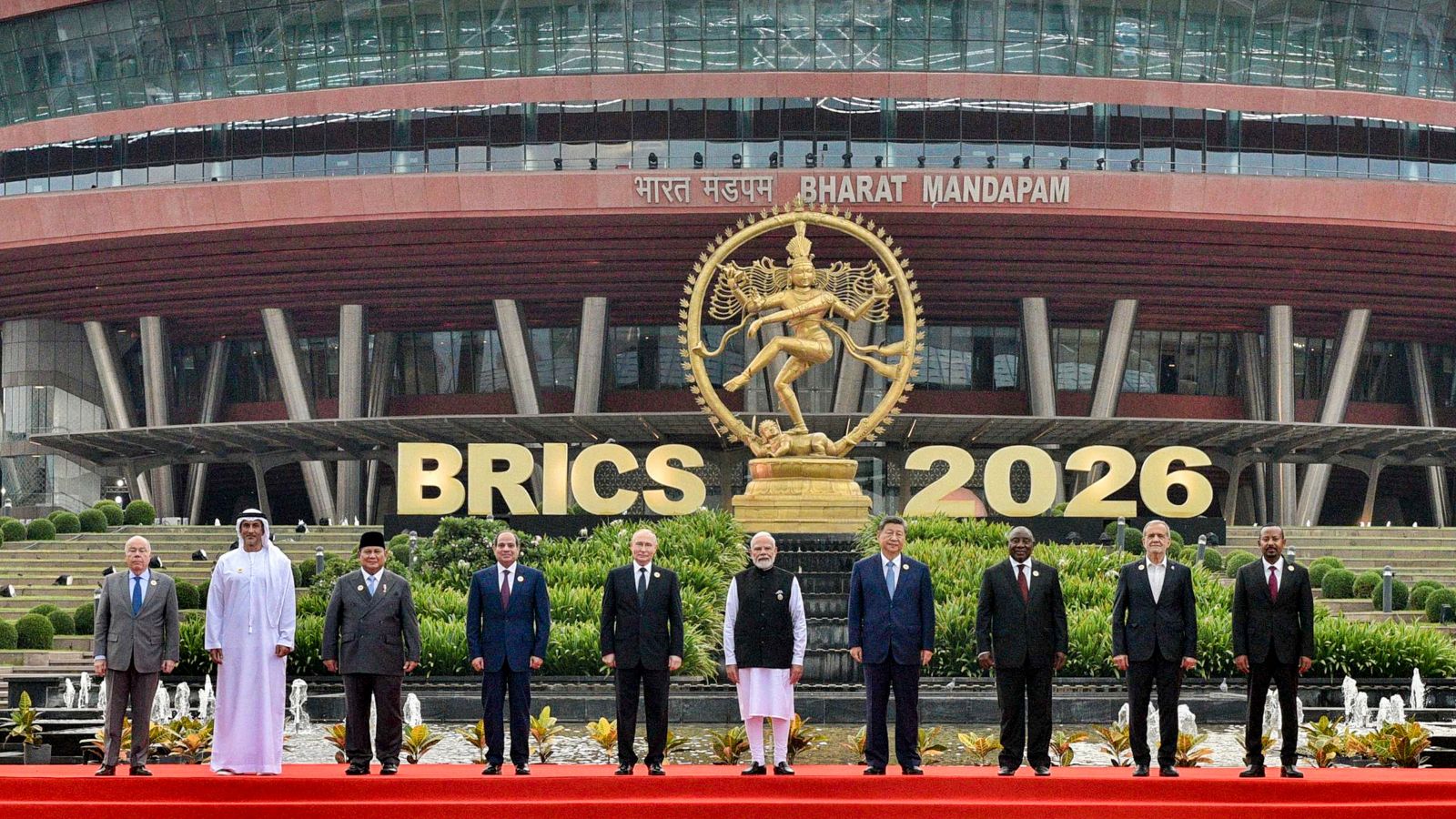
BRICS Declaration Defends Fossil Fuels, Opposes EU Carbon Border Tax

BRICS Leaders Reaffirm Commitment to Paris Agreement Climate Goals

BRICS Ministers Adopt Climate Resilience and Wildfire Roadmap
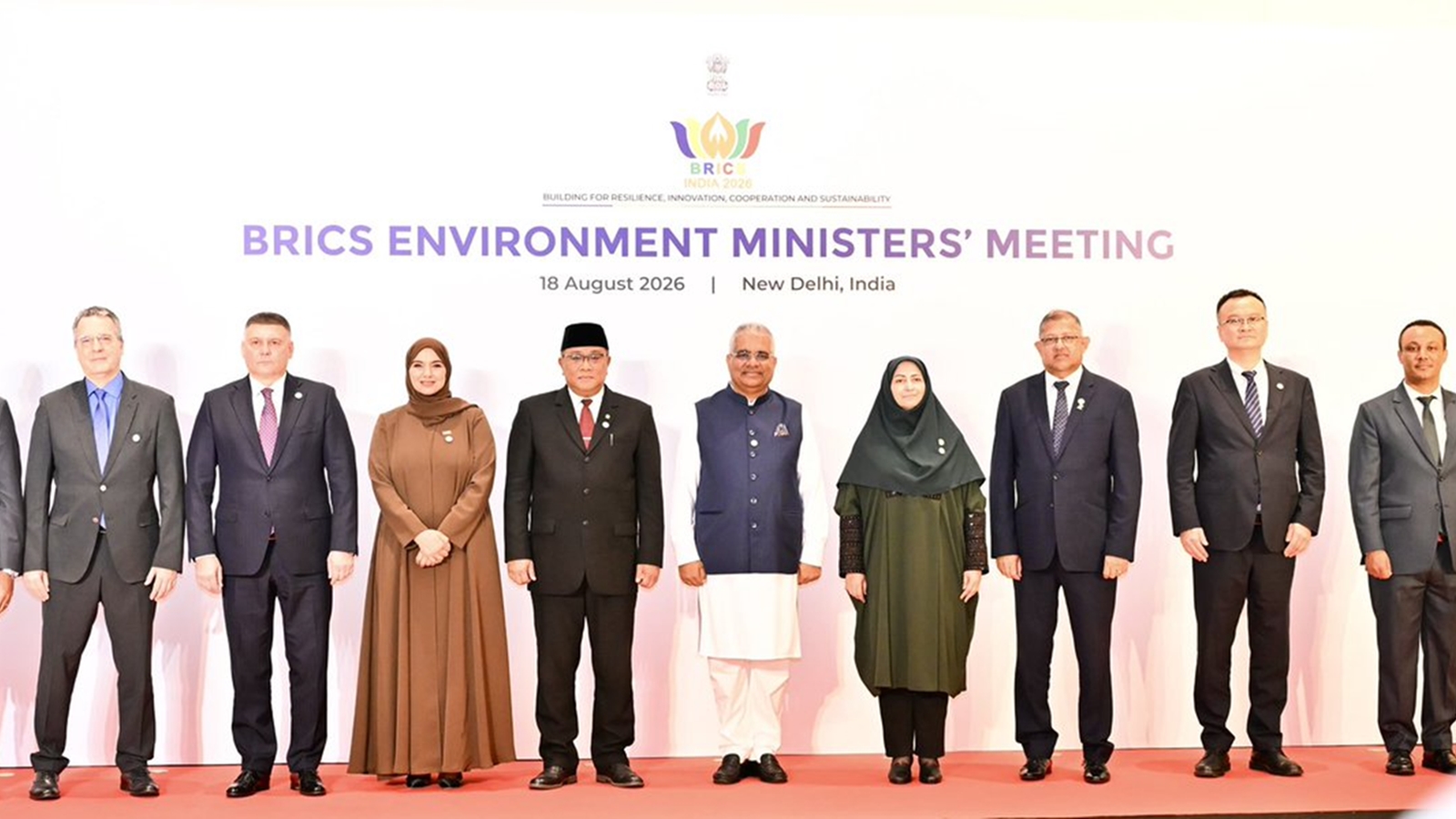
BRICS Ministers Reject EU Carbon Border Tax as Discriminatory

Nepal Disaster Spurs Call for Multi-Hazard Himalayan Assessments
Nepal Army Chief Sigdel Begins Week-Long China Visit

India Sends Bailey Bridge Components to Flood-Hit Nepal
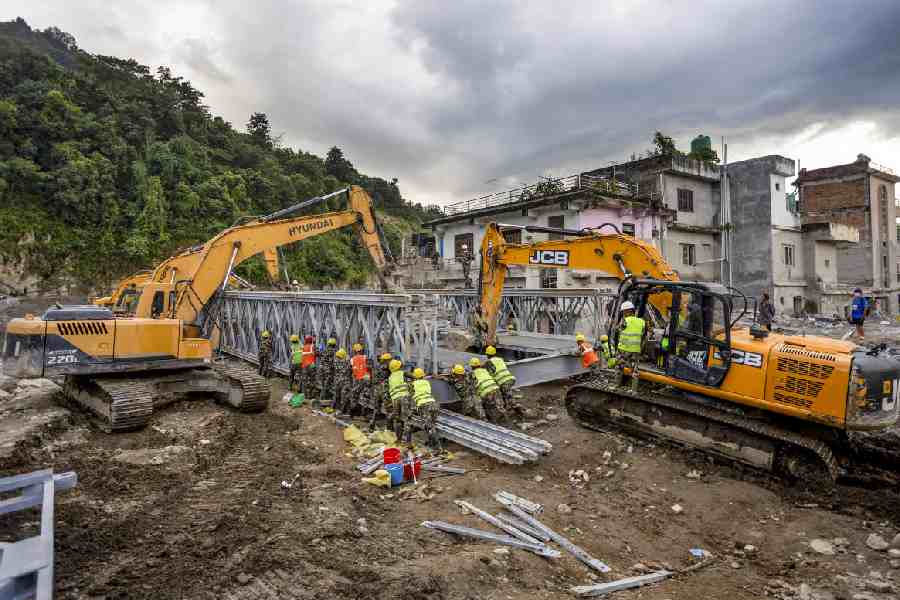
India, Nepal Continue Rescue For Six Trapped Tunnel Workers