6 days ago
Letters Against Rajasthan Justice Expose India’s Judicial Accountability Gap
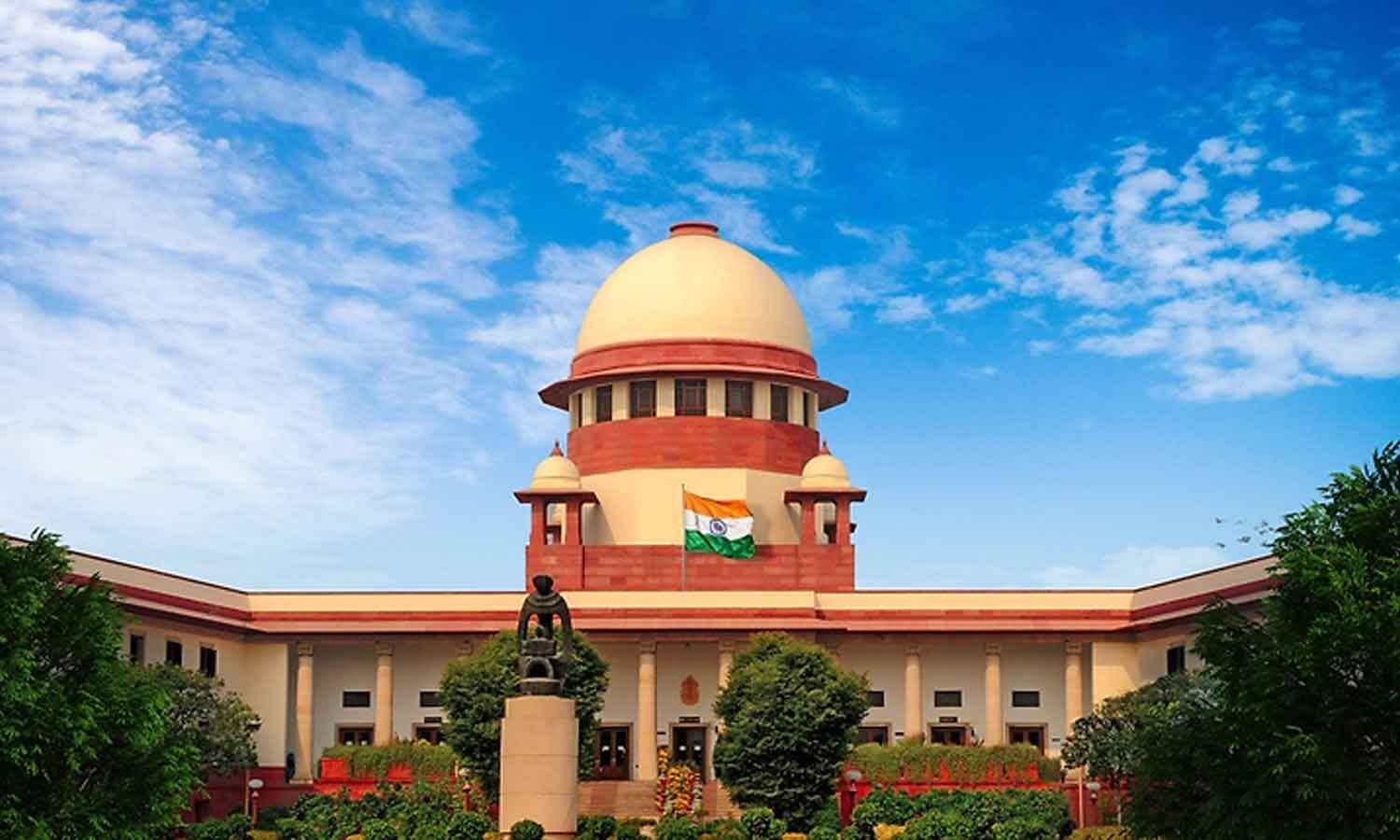
A Supreme Court judge wrote letters raising serious concerns about another judge.
He alleged that cases, appointments and transfers may have been handled unfairly.
These claims have not yet been proven.
The other judge has not been reported to have publicly answered them.
India’s judges use an internal process to examine complaints about other judges.
Critics say this process is secretive and can take too long.
Supporters of judicial independence worry that outside political control could weaken the courts.
The article says the courts need both independence and effective accountability.
It suggests clearer rules, deadlines and limited public explanations for important decisions.

Supreme Court Justice Sandeep Mehta wrote letters to Chief Justice of India Surya Kant alleging misconduct by Rajasthan High Court acting Chief Justice Sanjeev Prakash Sharma.
The allegations include roster manipulation, threats of transfers, delayed court-complex inauguration, vindictive conduct and nepotism in appointments.
Justice Sharma’s alleged misconduct has not been adjudicated, and he has not been reported to have publicly responded.
The Supreme Court’s in-house procedure has no statutory backing, public reporting requirement, defined timeline or clear enforceable consequence.
The article calls for statutory timelines, greater Collegium transparency and revival of the Judicial Standards and Accountability Bill.
- Who
- Supreme Court Justice Sandeep Mehta, Chief Justice of India Surya Kant and Rajasthan High Court acting Chief Justice Sanjeev Prakash Sharma are central to the episode.
- What
- Justice Mehta made allegations against Justice Sharma and asked that he be replaced and transferred; the allegations remain unproven.
- Where
- The dispute concerns the Rajasthan High Court, including judicial administration in Rajasthan and Jodhpur.
- When
- Justice Mehta’s letters were written between August 2 and August 17; the article also refers to Collegium decisions in 2023 and May 2026.
- Why
- Justice Mehta raised concerns about alleged misconduct and the lack of a transparent, timely mechanism for addressing complaints against higher-court judges.
Accountability and Transparency Advocates
Judicial Independence Defenders
Oversight of judges
Accountability and Transparency Advocates
The episode shows that the higher judiciary needs a formal, statutory complaints process with deadlines and meaningful consequences.
Judicial Independence Defenders
Judicial discipline must protect judges from executive or political pressure, particularly given India’s history of interference during the Emergency.
In-house procedure
Accountability and Transparency Advocates
A judge-made, confidential process without public reporting or defined timelines can leave serious allegations unresolved for years.
Judicial Independence Defenders
An internal process can preserve judicial independence and allow complaints to be assessed without turning unproven allegations into public verdicts.
Collegium transparency
Accountability and Transparency Advocates
Reasoned, limited disclosures about transfers, repatriations and acting chief justiceships could make decisions more understandable and credible.
Judicial Independence Defenders
The Collegium’s confidentiality is defended as necessary to protect institutional independence and the integrity of judicial appointments.
Key facts
- Main complainant
- Supreme Court Justice Sandeep Mehta
- Judge named in allegations
- Rajasthan High Court acting Chief Justice Sanjeev Prakash Sharma
- Recipient of letters
- Chief Justice of India Surya Kant
- Allegations
- They include roster and listing manipulation, retaliatory transfer threats, delayed court-complex inauguration, vindictive conduct and nepotism.
- Status of allegations
- The claims have not been adjudicated, and Justice Sharma is entitled to respond.
- Existing complaint mechanism
- The in-house procedure was created by the Supreme Court in 1995 and has no statutory backing, public reporting requirement or defined timeline.
- Proposed reforms
- The article supports statutory timelines, greater Collegium transparency and revival of the Judicial Standards and Accountability Bill.
Sources
Related news

Justice Mehta Seeks Rajasthan High Court Leadership Change
CJI Seeks Responses as Collegium Weighs High Court Appointments
Mehta Seeks Sharma’s Transfer, Full-Time Rajasthan Chief Justice

CJI Surya Kant Urges Due Process in Rajasthan Controversy
CJI Says Rajasthan Acting Chief Justice Allegations Under Review

Supreme Court Collegium Recommends New Rajasthan High Court Chief Justice
Centre may move Justice Varma's impeachment in Winter Session

Legal Experts: FIR Can Be Lodged Against Justice Yashwant Varma
Parliament probe finds Justice Yashwant Varma failed to explain cash

N Chandra's Tata Sons Exit, 19-Month High Inflation, Parliament Standoff