0 months ago
Yamuna faecal coliform levels drop in July, BOD remains high

People who take care of the Yamuna River in Delhi check how clean its water is every month.
They look for tiny germs called faecal coliform, which come from sewage.
In July, the water got a little cleaner at several spots along the river than it was in June.
At four places, the number of germs went down; at two places it stayed the same; and at one place it got a tiny bit worse.
But even the cleaner spots still have far too many germs, much more than the safe limit.
Officials also check something called BOD, which shows how much waste is breaking down in the water.
High BOD means a lot of pollution, and that can take oxygen away from fish and other water animals.
BOD numbers were still very high in July.
The highest BOD was found at a place called Asgarpur.
So the river is still very polluted, even though a few parts are a bit better than before.

DPCC data for July shows faecal coliform levels decreased at four of seven Yamuna sampling locations compared with June, while two sites showed no change and one deteriorated.
All readings remained far above the permissible limit of 2,500 MPN/100 ml and the desirable level of 500 MPN/100 ml.
The highest July faecal coliform reading was 320,000 MPN/100 ml at Asgarpur, down from 390,000 MPN/100 ml in June.
BOD levels remained alarming, ranging from 2 to 58 mg/l against a maximum acceptable level of 3 mg/l, with the peak at Asgarpur.
DPCC also published July wastewater data for Delhi's major drains, showing high BOD and TSS in drains discharging into the Yamuna and the Najafgarh canal's supplementary drains.
- Who
- Delhi Pollution Control Committee (DPCC), which tests Yamuna water quality in Delhi
- What
- July data showed decreased faecal coliform levels at several Yamuna sampling points, but BOD levels remained alarmingly high
- Where
- Yamuna River in Delhi, sampled at Palla, Wazirabad, ISBT Bridge, ITO Bridge, Nizamuddin Bridge, Okhla Barrage, and Asgarpur in Haryana
- When
- July, with the report released on August 5
- Why
- To gauge pollution levels in the river, including the amount of untreated sewage entering it
Key facts
- Reporting agency
- Delhi Pollution Control Committee (DPCC)
- Data period
- July, compared with June
- Sampling locations
- 7 sites: Palla, Wazirabad, ISBT Bridge, ITO Bridge, Nizamuddin Bridge, Okhla Barrage, Asgarpur
- Permissible faecal coliform limit
- 2,500 MPN/100 ml
- Desirable faecal coliform level
- 500 MPN/100 ml
- Highest faecal coliform (July)
- 320,000 MPN/100 ml at Asgarpur
- BOD range (July)
- 2-58 mg/l, versus maximum of 3 mg/l
- Trend vs June
- 4 locations improved, 2 unchanged, 1 deteriorated
Sources
Related news
Eight Delhi Sewage Plants Fail Prescribed Discharge Standards in July
CPCB: Manasbal Lake critically polluted, drinking water fouled by sewage
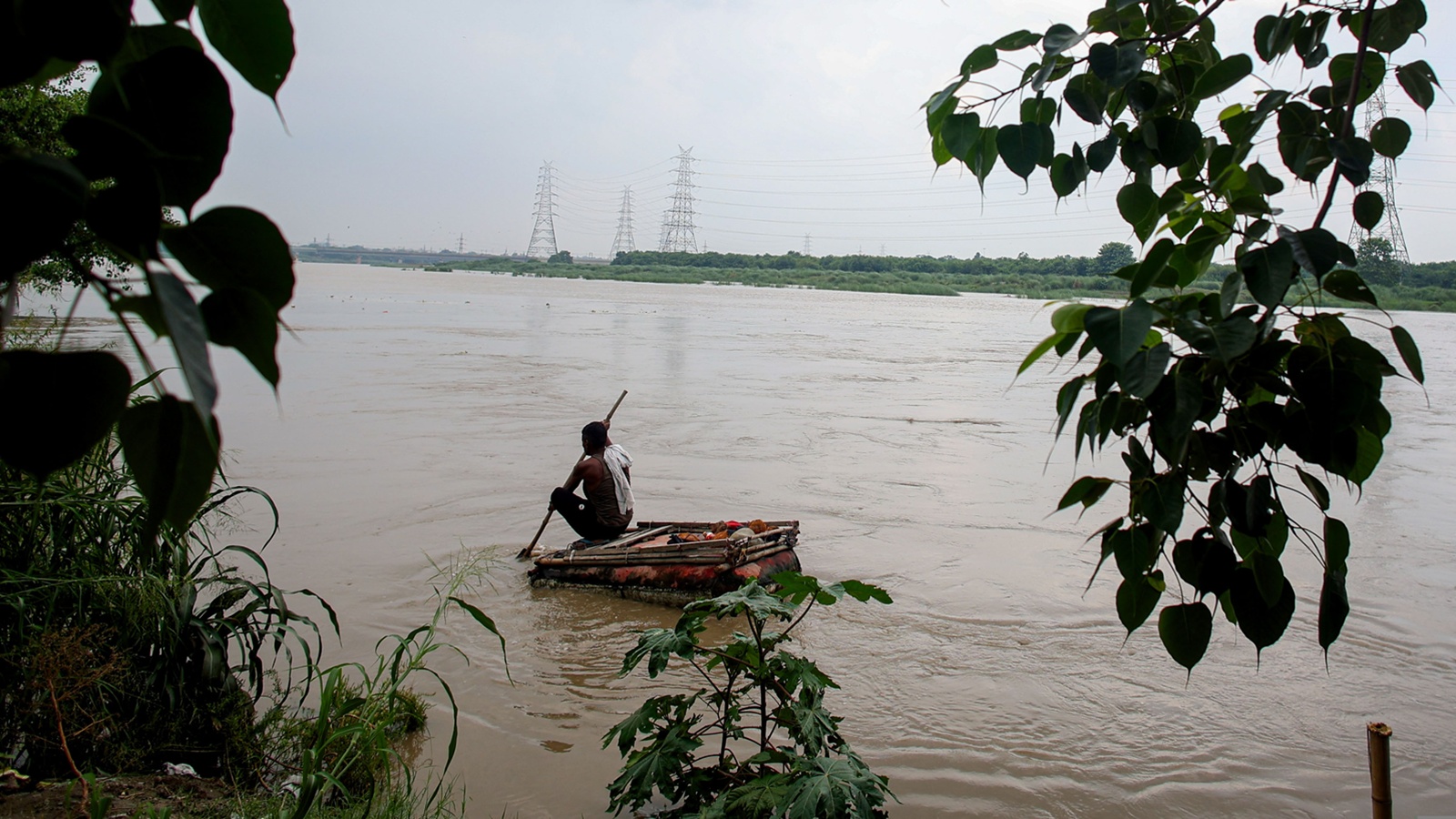
Delhi, Haryana plan joint survey to stem Yamuna water loss
Railways order filtration at 20,000 locations after E. coli report

Delhi to Replicate Sabarmati Model for Yamuna Riverfront Cleanup
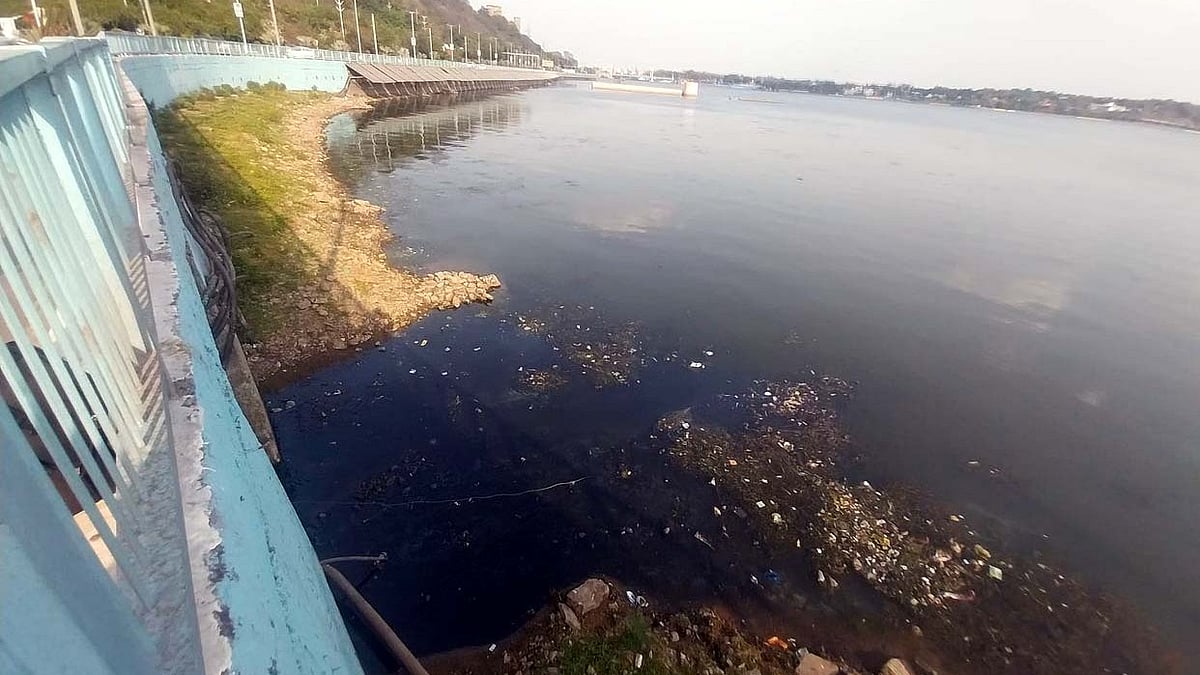
NGT Flags Sewage Gap as 18 Madhya Pradesh Rivers Fail BOD

Haryana Says Ayushman Bharat Health Services Continue Despite IMA Call

Private Hospitals Flag Ayushman Bharat Payment Delays and Claim Deductions

Haryana Records Highest SGST Growth Among States in 2026-27
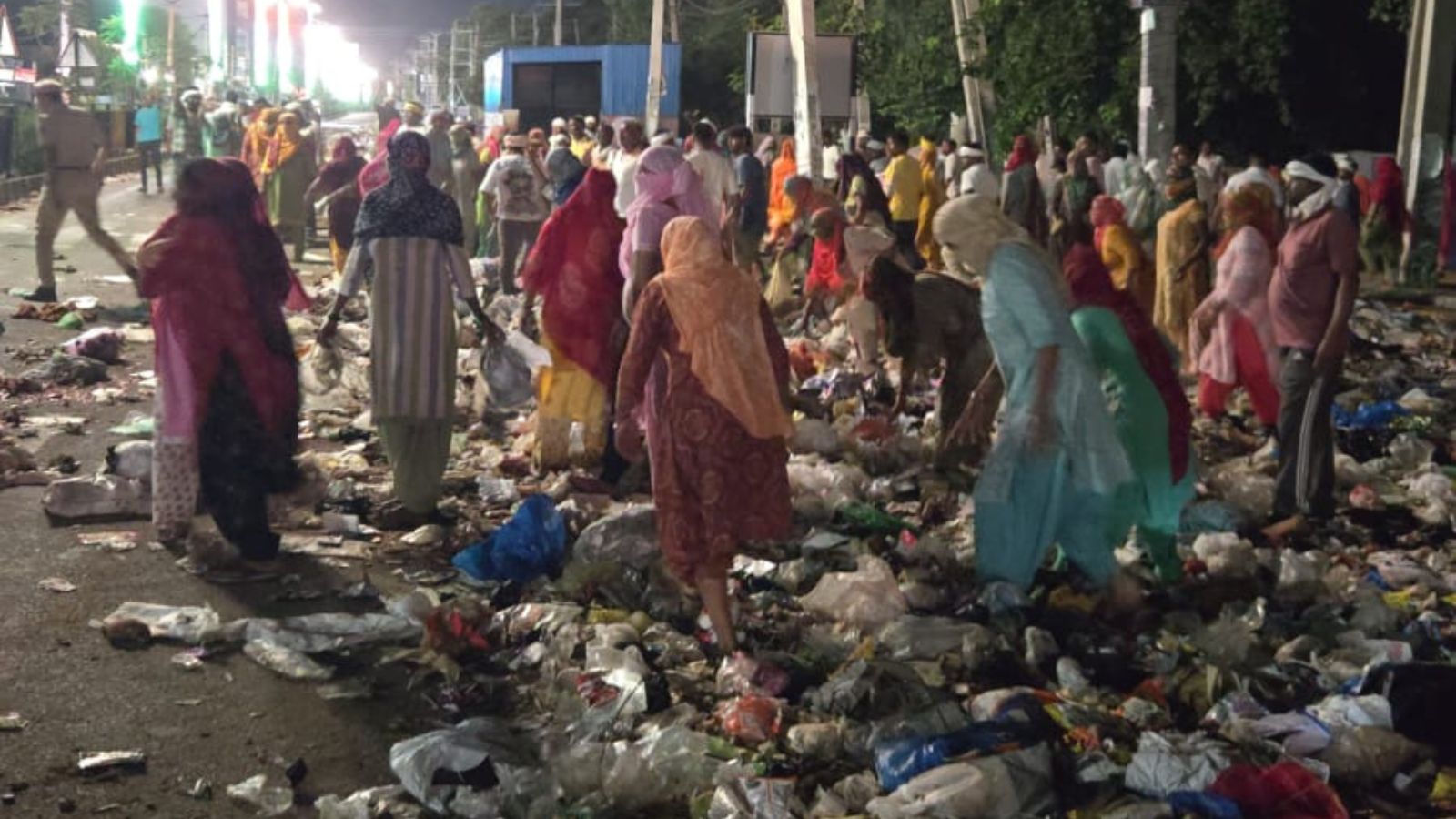
Haryana sanitation workers’ strike puts BJP government under pressure
Hooda Accuses Haryana Government of Evading Assembly Questions