1 week ago
Running Hydration: Why the 85% Hyper Sweating Rule Isn’t Universal
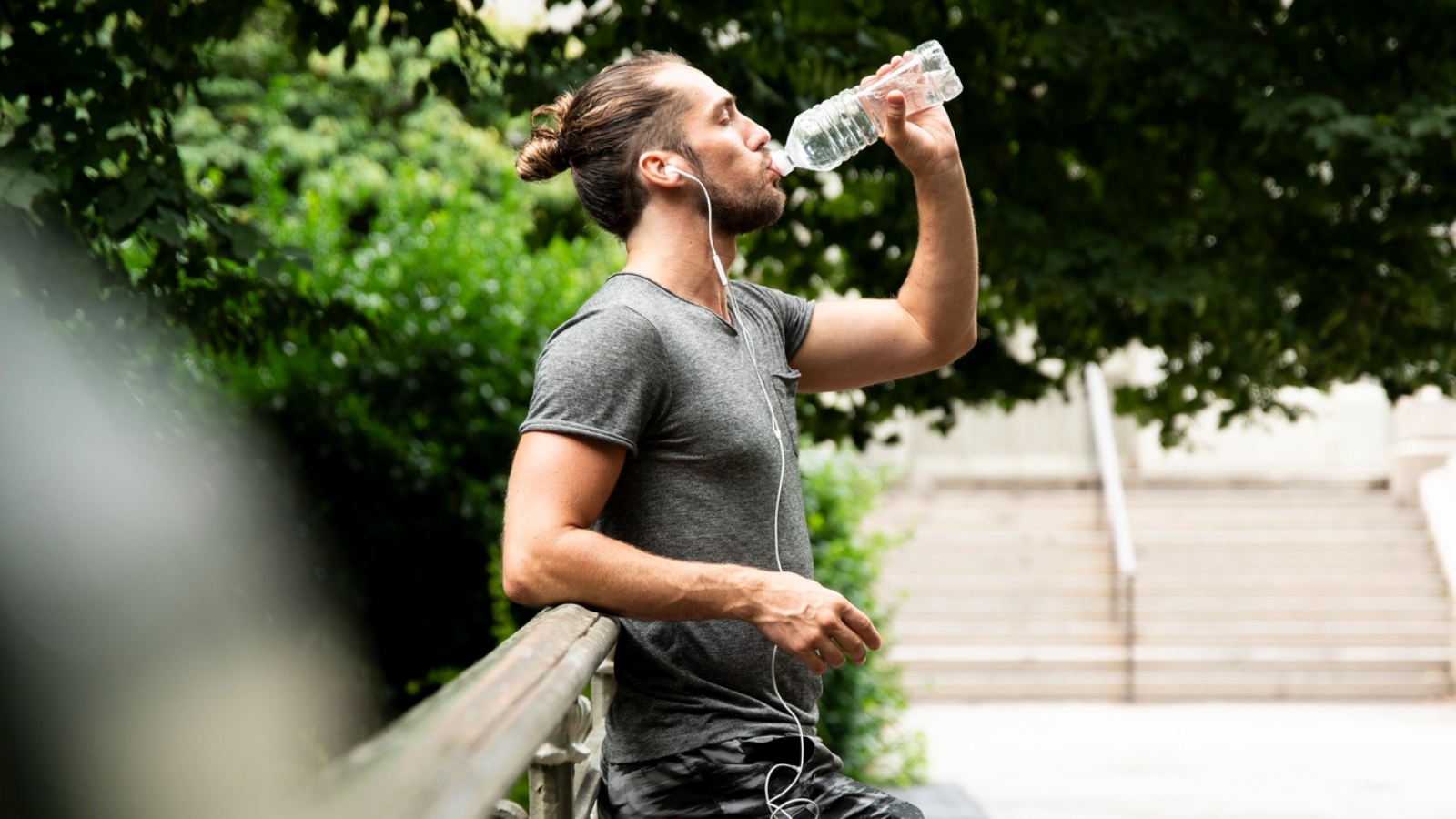
Sweating helps your body cool down when you run.
Drinking water does not automatically make you sweat less.
Different runners lose different amounts of water because of their pace, body size, fitness, and the weather.
For a run lasting about an hour, water is often enough if the weather is comfortable.
Longer runs or very hot conditions may require drinks with electrolytes, especially sodium.
Runners should take small amounts regularly and listen to their thirst.
They do not need to replace every drop of sweat during a run.
Drinking too little or too much can both cause problems.

Shivender Pratap Singh Kanwar says he drinks 250–300 ml every five kilometres during long runs.
Kanwar pairs water with carbohydrate-and-electrolyte gels and carries about one litre for a 20-km run.
Dr Gazanfar Patel says drinking water does not reduce sweating, which depends on individual and environmental factors.
Water is generally enough for runs of about an hour in pleasant weather, while longer or hotter runs may require electrolytes.
Runners should drink according to thirst and sweat losses while avoiding both dehydration and excessive water intake.
- Who
- High-performance coach Shivender Pratap Singh Kanwar and sports medicine specialist Dr Gazanfar Patel.
- What
- The article examines hydration during running and whether the so-called “85% hyper sweating rule” reduces sweating.
- Where
- The guidance concerns running generally; Dr Patel is identified with Wockhardt Hospitals, Mumbai Central.
- When
- During long runs, particularly those lasting beyond 60–90 minutes or held in hot conditions.
- Why
- To explain how runners can manage fluids and electrolytes while avoiding dehydration and excessive water intake.
Fixed Hydration Strategy
Personalized Hydration Strategy
How much to drink
Fixed Hydration Strategy
Shivender Pratap Singh Kanwar describes drinking about 250–300 ml every five kilometres as part of his long-run routine.
Personalized Hydration Strategy
Dr Gazanfar Patel says this may be a rough guideline for some runners but should not be treated as a universal prescription.
Use of electrolytes
Fixed Hydration Strategy
Kanwar pairs water with carbohydrate-and-electrolyte gels during long runs.
Personalized Hydration Strategy
Dr Patel says electrolytes are usually unnecessary for short runs but may help during runs longer than 60–90 minutes, heavy sweating, or hot weather.
Replacing sweat
Fixed Hydration Strategy
A structured hydration plan can help Kanwar maintain his running efficiency during a 20-km run.
Personalized Hydration Strategy
Dr Patel says runners do not need to replace every drop of sweat and should base intake on thirst and individual sweat losses.
Key facts
- Kanwar’s water strategy
- About 250–300 ml every five kilometres.
- 20-km run
- Kanwar carries about one litre of water in his running vest.
- Water and sweating
- Drinking water does not necessarily decrease sweating.
- Runs of about one hour
- Water is generally enough in pleasant weather when a person has eaten normally.
- Electrolyte timing
- Electrolytes become more relevant beyond 60–90 minutes, during heavy sweating, or in particularly hot weather.
- Suggested sodium range
- About 300–600 mg per hour, with some heavy or salty sweaters potentially requiring more.
- Possible excessive-water symptoms
- Nausea, bloating, headache, confusion, and swelling.
Quotes
Dr Gazanfar Patel
Senior Consultant Orthopaedic Minimal Invasive/Robotic Joint Replacement and Sports Medicine Specialist, Wockhardt Hospitals, Mumbai Central
“"Sweating is the body’s natural way of cooling down, so drinking water does not in any way decrease the amount you sweat,"”
 indianexpress.com
Sources
Related news

Doctor Explains 80% Hydration Rule for Safer Running

Why You May Not Need a 40-Ounce Water Bottle
World Coconut Day 2026: Coconut Water Myths and Facts
Fitness Freak Eknath Shinde Works Out 60 Minutes Every Day

Rujuta Diwekar's Three Forgotten Coolants for Summer Heat
Stay Fit Indoors When Constant Monsoon Rain Disrupts Workouts

High Glucose With Low HbA1c Requires Medical Evaluation

Wockhardt Hospitals Opens Superspeciality OPD In Kemps Corner

Tiny Suboccipital Muscles Linked to Headaches, Neck Pain and Dizziness
Flu Precautions: When Masks and N95s May Help