1 day ago
High Glucose With Low HbA1c Requires Medical Evaluation
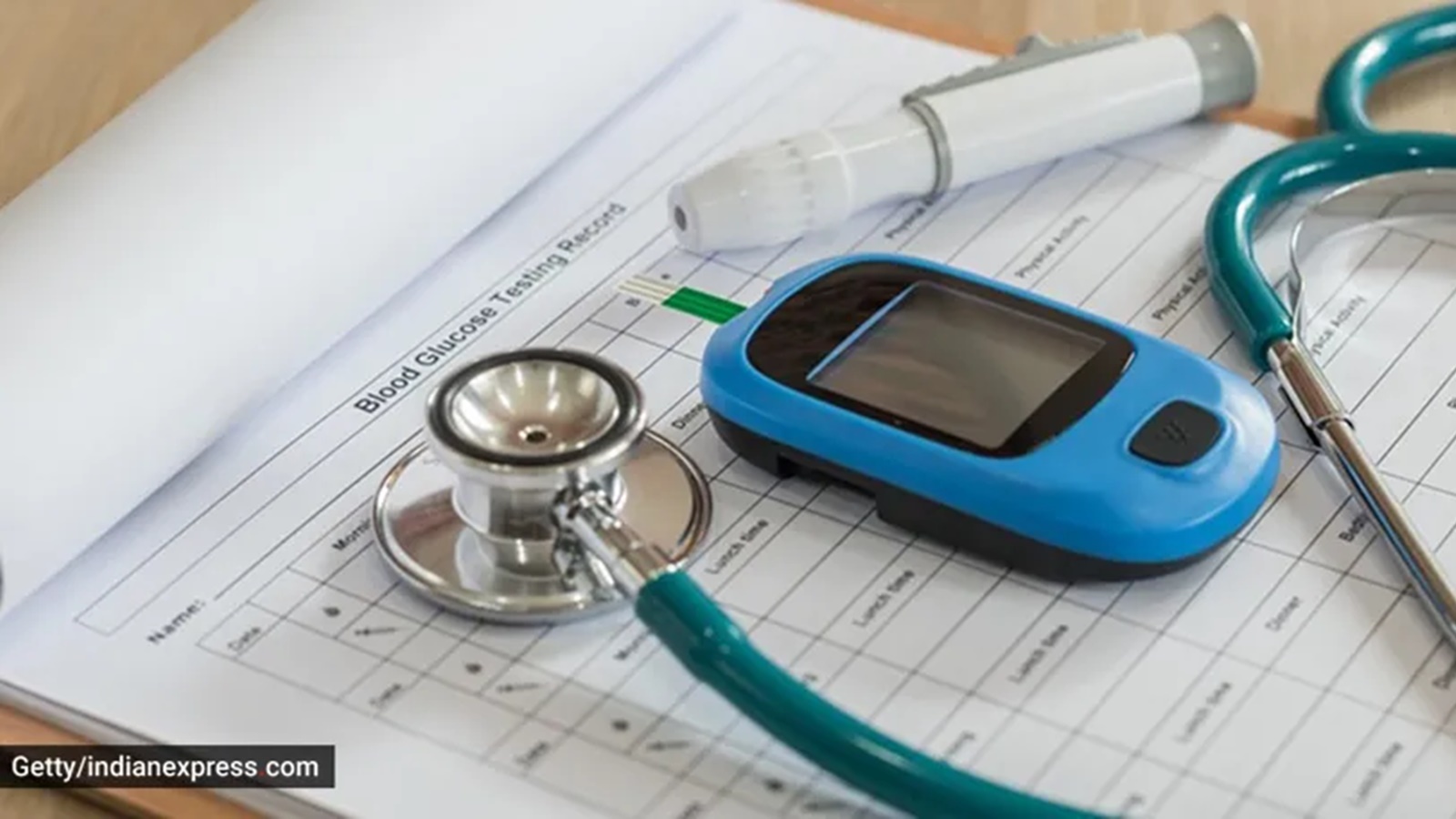
A blood-glucose reading tells you what your sugar level is at one moment.
HbA1c gives an estimate of your average sugar level over the last two or three months.
Sometimes these two measurements do not agree.
This can happen if red blood cells do not live for their usual length of time.
Anaemia, blood loss, transfusions, kidney disease and some haemoglobin types can affect the HbA1c result.
A faulty or unsuitable testing method can also interfere with the result.
Repeated readings between 160 and 220 mg/dL should not be ignored just because HbA1c is below 6%.
A doctor can confirm the results and may use other tests to assess glucose control.

Repeated glucose readings of 160–220 mg/dL are significant even when HbA1c is below 6%.
HbA1c estimates average glucose over roughly two to three months, while a glucose reading is a snapshot.
A falsely low HbA1c can result from rapid red-cell turnover, anaemia, blood loss, transfusion, kidney disease or haemoglobin variants.
HbA1c test methods may be affected by haemoglobin variants such as HbE and other haemoglobinopathies.
Doctors may verify readings, repeat HbA1c testing and use fructosamine or glycated albumin if needed.
- Who
- People with repeated glucose readings of 160–220 mg/dL and an HbA1c below 6%; Dr Pranav Ghody provided the medical explanation.
- What
- The article explains why blood-glucose readings and HbA1c results can disagree and how doctors may investigate the mismatch.
- Where
- The medical guidance was provided by Dr Pranav Ghody of Wockhardt Hospitals, Mumbai Central.
- When
- The glucose readings are reportedly repeated; HbA1c reflects approximately the previous two to three months, while each glucose reading is a snapshot.
- Why
- The discrepancy may result from red-cell conditions, kidney disease, haemoglobin variants or testing-method interference, and persistent high glucose may have health consequences.
Key facts
- Reported glucose range
- 160–220 mg/dL
- Reported HbA1c
- Below 6 per cent
- HbA1c timeframe
- Approximately two to three months
- Possible causes of falsely low HbA1c
- Anaemia, recent blood loss or transfusion, increased red-cell turnover, kidney disease and haemoglobin variants
- Relevant haemoglobin variants
- HbE and other haemoglobinopathies
- Possible verification methods
- A reliable glucometer or, where appropriate, a continuous glucose monitor
- Alternative tests
- Fructosamine or glycated albumin may provide shorter-term glucose assessment if HbA1c is unreliable
Quotes
Dr Pranav Ghody
Consultant endocrinologist and diabetologist at Wockhardt Hospitals, Mumbai Central
“A low HbA1c should not be used to dismiss consistently elevated glucose readings. The important thing is to understand why the numbers disagree. Persistent hyperglycaemia can have consequences even when the HbA1c appears normal, so the discrepancy should be investigated rather than simply reassuring the patient.”
 indianexpress.com
“If red cells are being replaced or destroyed faster than usual, they have less time to accumulate glucose, which can make the HbA1c appear lower than the person’s actual average glucose. Certain haemoglobin variants can also interfere with some HbA1c testing methods.”
indianexpress.com
Sources
Related news
Blood Sugar 230 mg/dL: Is It Dangerous or Controllable?
Endocrinologist Explains Link Between Diabetes and High Blood Pressure

Why Blood Sugar Rises Even When You Haven’t Eaten

Recognizing Ten Common Symptoms of Hyperglycaemia Early

Diabetes Care Evolving Beyond Sugar Levels to Protect Hearts, Kidneys
Mildly High Blood Sugar May Raise Fungal Infection Concerns

Is starting puberty at 11 early?

Indian Army Updates Social Media Policy