1 week ago
Centre Reconsiders 2026 UGC Equity Rules Amid Supreme Court Challenge
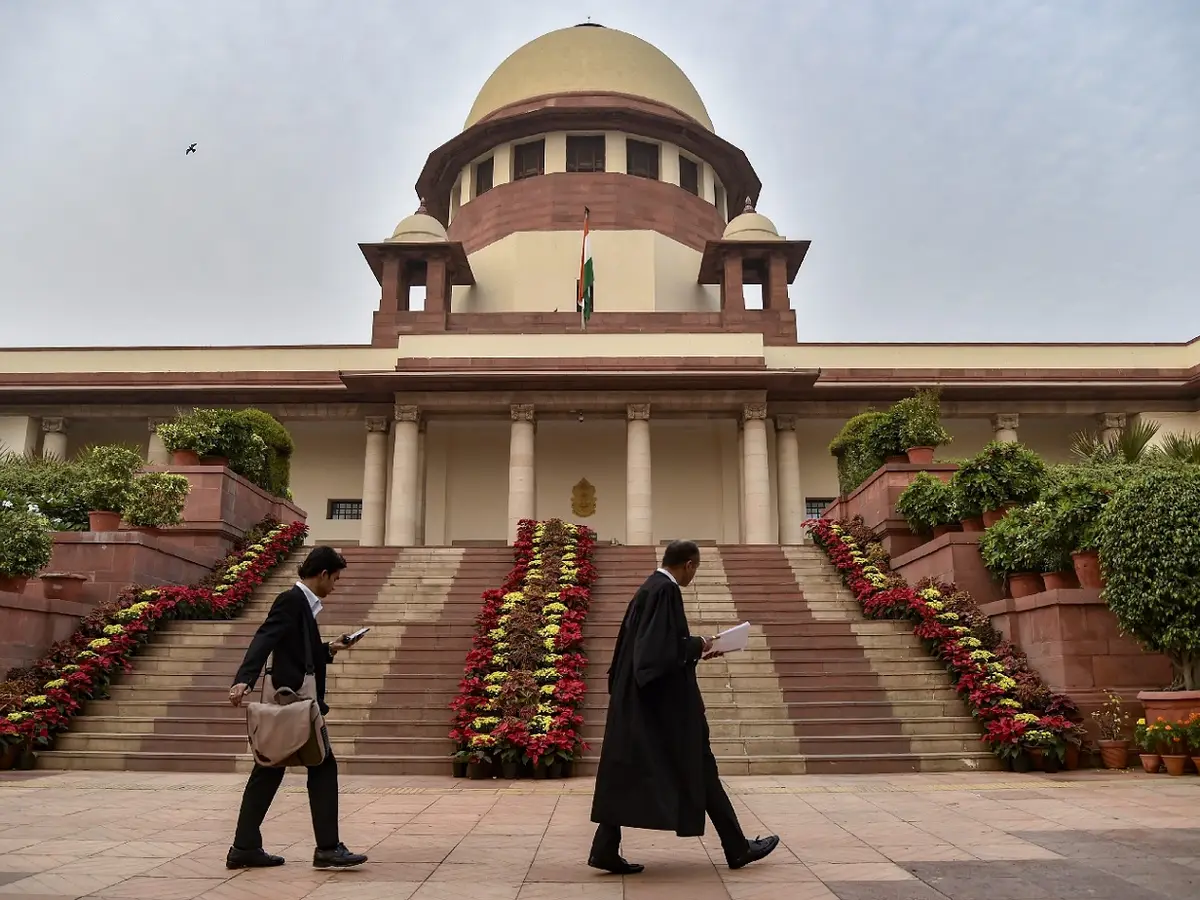
The government made new rules to help prevent caste discrimination in colleges and universities.
Some petitioners said the rules did not protect all students equally.
They especially objected to a rule focusing on discrimination against SC, ST and OBC communities.
The Supreme Court temporarily stopped the 2026 rules on January 29.
The judges said some parts were unclear and might be misused.
They also asked why ragging was not included as a form of discrimination.
The court raised concerns that some hostel, classroom or mentorship arrangements could create unfair separation.
The Centre is now reviewing the rules instead of deciding immediately how to proceed.
Until then, the older 2012 rules continue to operate.

The Centre told the Supreme Court that the UGC’s 2026 equity regulations are under reconsideration.
The Supreme Court stayed the regulations on January 29, citing ambiguity, possible misuse and potentially divisive consequences.
Petitioners challenge Regulation 3(1)(c), saying it focuses on caste discrimination against SC, ST and OBC communities.
The court questioned the separate caste-discrimination definition, the omission of ragging and provisions involving possible segregation.
The 2012 UGC regulations remain in force while the UGC files its response and the legal challenge continues.
- Who
- The Centre, the University Grants Commission, the Supreme Court of India and petitioners including Mritunjay Tiwari, Vineet Jindal, Rahul Dewan, Radhika Vemula and Abeda Salim Tadvi.
- What
- The Centre said it is reconsidering the University Grants Commission (Promotion of Equity in Higher Education Institutions) Regulations, 2026, which are being challenged before the Supreme Court.
- Where
- The dispute concerns higher-education institutions in India and is being heard by the Supreme Court of India in New Delhi.
- When
- The Centre made the statement on Thursday, reported as August 20, 2026; the Supreme Court stayed the regulations on January 29 and adjourned the matter for four weeks.
- Why
- Petitioners challenge the regulations’ definition of caste-based discrimination and their consistency with the UGC Act, while the court is examining concerns about ambiguity, misuse, segregation and the omission of ragging.
Petitioners and regulation critics
Centre, UGC and regulation reviewers
Who should receive protection
Petitioners and regulation critics
Petitioners argue that Regulation 3(1)(c) excludes general-category students and should use a caste-neutral definition of discrimination.
Centre, UGC and regulation reviewers
The regulations were framed to address caste-based discrimination in higher education, and the Centre is reconsidering how the framework should respond to the concerns raised.
Clarity and possible misuse
Petitioners and regulation critics
Critics challenge the regulations’ validity and say the separate caste-discrimination definition is problematic because another provision already defines discrimination broadly.
Centre, UGC and regulation reviewers
The Centre and UGC are reviewing the framework after the Supreme Court questioned whether its language is sufficiently clear and resistant to misuse.
Scope of campus harassment
Petitioners and regulation critics
The petitioners and advocates for broader protections question why ragging was omitted and whether provisions concerning allocation of hostels, classrooms and mentorship groups could permit segregation.
Centre, UGC and regulation reviewers
The government and UGC have not yet announced a final revision, while the court has asked whether the framework can address harassment without undermining equality and unity in educational institutions.
Key facts
- Regulations
- University Grants Commission (Promotion of Equity in Higher Education Institutions) Regulations, 2026.
- Government position
- Solicitor General Tushar Mehta told the court that the regulations are under reconsideration, without specifying the eventual course of action.
- Notification
- The 2026 regulations were notified on January 13 and superseded the 2012 regulations.
- Court action
- The Supreme Court kept the 2026 regulations in abeyance on January 29.
- Existing rules
- The 2012 UGC regulations will remain in force until further orders.
- Main legal challenge
- Petitioners have primarily challenged Regulation 3(1)(c), which defines caste-based discrimination in relation to SC, ST and OBC communities.
- Next steps
- The UGC was given four weeks to file a comprehensive counter-affidavit, after which petitioners may file rejoinders within two weeks.
Quotes
Solicitor‑General Tushar Mehta
Representative of the Indian government
“"We should not go to a stage where we go to segregated schools as in the United States, where coloured children go to one school, and white boys and girls go to another school. The unity of India must be reflected in the educational institutions."”
 indianexpress.com
 wionews.com
“"These are mothers of two children who died. If they can't raise this issue, who can?"”
 freepressjournal.in
Sources

UGC Equity Regulations 2026 Under Reconsideration, Centre Tells Supreme Court
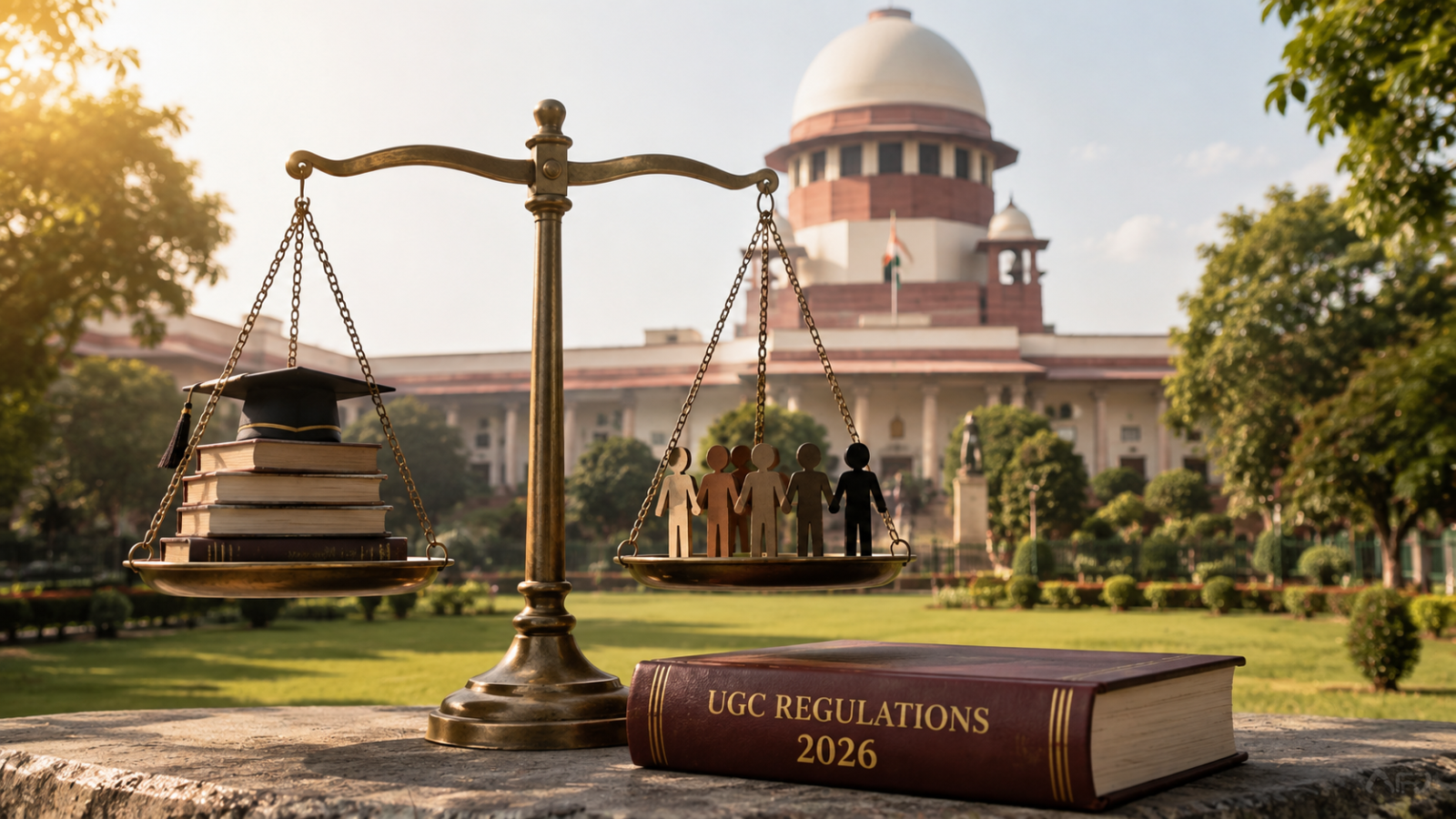
UGC caste discrimination guidelines under review: Centre to Supreme Court

UGC Equity Regulations 2026 Under Reconsideration, Centre Tells SC
UGC caste discrimination guidelines being reconsidered: Centre tells Supreme Court
Related news
Centre Reconsiders UGC Equity Rules Amid Supreme Court Challenge
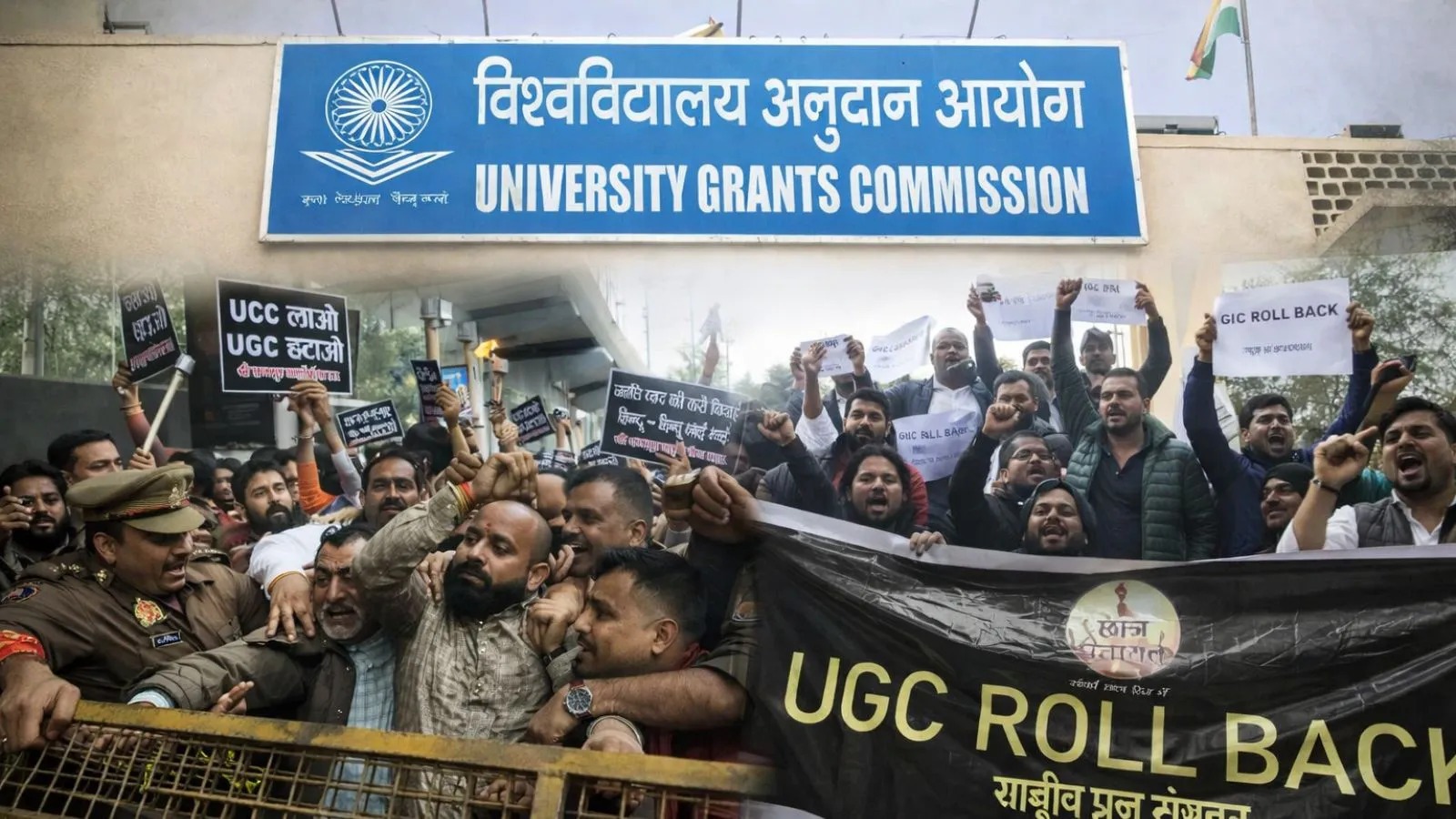
BJP Reconsiders UGC Caste Rules Amid Political and Legal Pushback
India Roundup: UGC Rules, Sajjan Kumar Death and Court Cases

Centre Backs Review of UGC Rules Amid General-Category Outrage
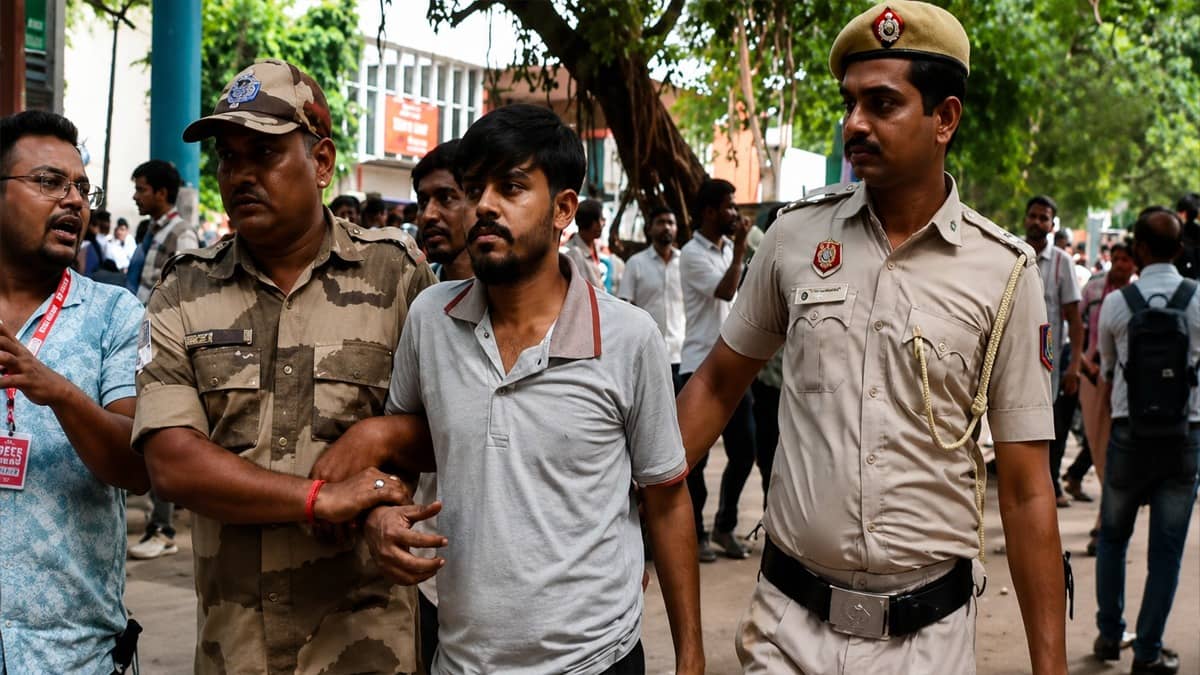
Delhi Students Protest UGC Equity Regulations, Several Detained
India Reviews Education, Survey, Labour, Security and Nuclear Policies
UGC Invites Applications for 2026-27 ODL, Online Programme Recognition

India Compresses Professional Training Across Law, Science, and Medicine
UGC Opens Applications for Distance and Online Courses

NTA Releases UGC-NET June 2026 Re-Exam City Intimation Slip

Allahabad University Opens PhD Admissions For 2026-27 Session