1 week ago
Centre Reconsiders UGC Equity Rules Amid Supreme Court Challenge
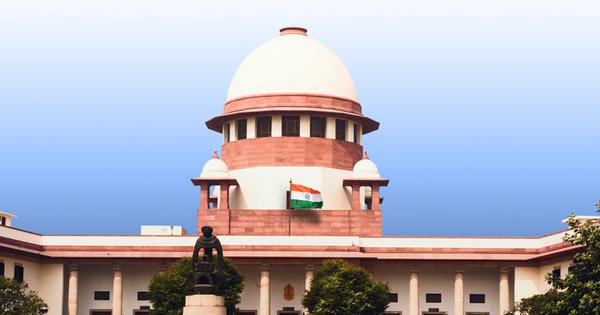
The government is reviewing new rules meant to reduce discrimination in colleges and universities.
The rules were made by the University Grants Commission, or UGC.
The Supreme Court temporarily stopped the rules from operating on January 29.
The Court said some parts appeared unclear and could be misused.
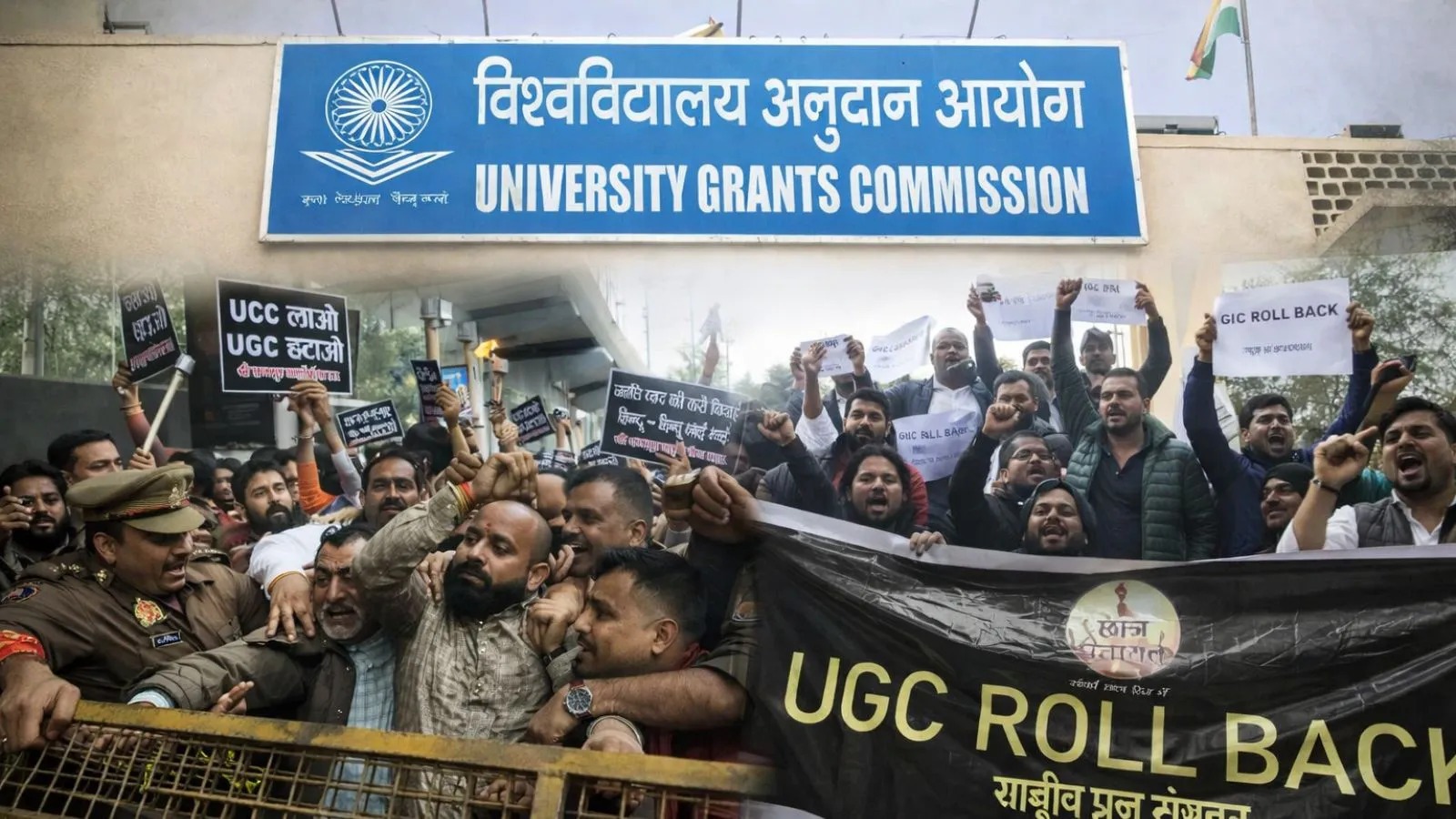
Some students protested because they thought the rules treated general-category students unfairly.
Petitioners also say the rules do not protect all students from caste-based discrimination.
The government has not said whether it will keep, change or withdraw the rules.
The Court gave the UGC four weeks to explain its position and gave petitioners two more weeks to respond.

The Centre told the Supreme Court that it is reconsidering the UGC’s 2026 equity regulations.
The Supreme Court had kept the regulations in abeyance on January 29, calling their provisions prima facie vague and capable of misuse.
Petitioners argue that the rules’ definition of caste-based discrimination excludes general or non-reserved category students.
The Supreme Court gave the UGC four weeks to file a comprehensive response, followed by two weeks for petitioners’ rejoinders.
The regulations require higher-education institutions to establish committees, helplines, monitoring teams and equal-opportunity centres.
- Who
- The Central government, the University Grants Commission, the Supreme Court, petitioners and student protesters are involved; Solicitor General Tushar Mehta represented the Centre and UGC.
- What
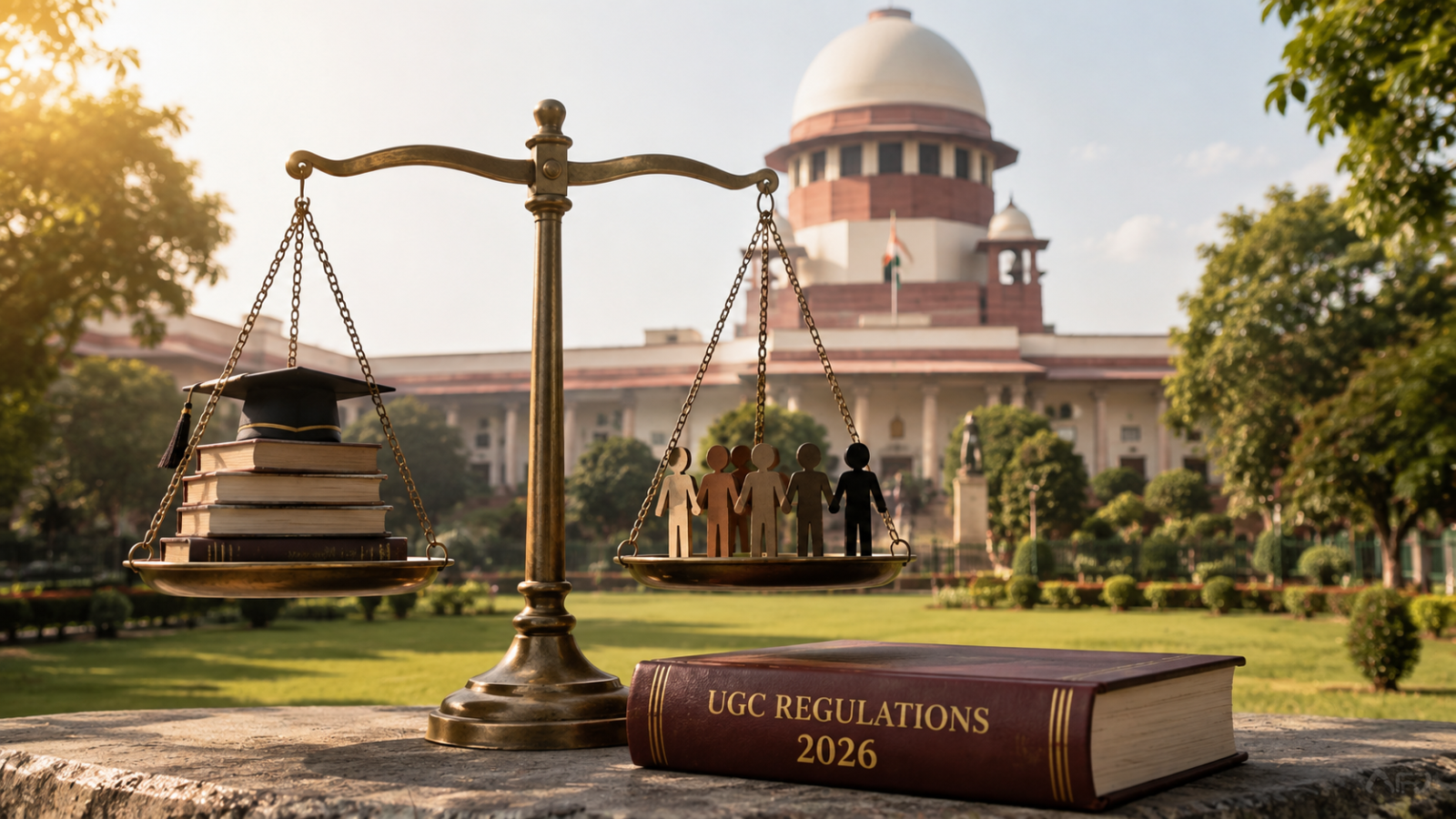
- The Centre is reconsidering the University Grants Commission (Promotion of Equity in Higher Education Institutions) Regulations, 2026, while petitions challenging them remain pending.
- Where
- The case is before the Supreme Court of India; protests mentioned in the articles took place at Jantar Mantar and elsewhere in India.
- When
- The regulations were issued in January 2026; the Supreme Court kept them in abeyance on January 29 and granted the UGC four weeks to respond during Thursday’s hearing.
- Why
- Petitioners and protesters object to the regulations’ definition of caste-based discrimination and argue that the rules may exclude general or non-reserved category students from protection.
Petitioners and Critics
Centre and UGC
Definition of caste-based discrimination
Petitioners and Critics
Petitioners argue that defining caste-based discrimination as discrimination against SC, ST and OBC members excludes general or non-reserved category students from protection against caste-based bias.
Centre and UGC
The Centre and UGC presented the regulations as measures to address oppression and discrimination in educational institutions, and the Centre is currently reviewing their provisions.
Risk of misuse and complaints
Petitioners and Critics
Protesting students argued that the rules could discriminate against general-category students and did not provide measures against false complaints.
Centre and UGC
The Supreme Court, rather than the Centre or UGC, stated that the regulations appeared prima facie vague and capable of misuse; the government has not announced its final position after reconsideration.
Reason for reconsideration
Petitioners and Critics
One article linked the reconsideration to student protests and possible political pressure, while presenting those factors as analysis rather than an established government explanation.
Centre and UGC
The Centre has only said that the regulations are under reconsideration and has not disclosed whether it will retain, amend or withdraw them.
Key facts
- Regulations
- University Grants Commission (Promotion of Equity in Higher Education Institutions) Regulations, 2026
- Current status
- The regulations remain in abeyance while the Centre reviews them and the Supreme Court considers legal challenges.
- Court’s January 29 observation
- The Supreme Court said the provisions were prima facie vague and capable of misuse.
- UGC deadline
- The UGC must file a comprehensive counter-affidavit within four weeks.
- Petitioners’ deadline
- Petitioners may file rejoinders within two weeks after receiving the UGC’s response.
- Required institutions
- The regulations provide for committees, helplines, monitoring teams and equal-opportunity centres, including representatives of OBC, SC, ST, PwD and women’s groups.
- Legal background
- The regulations followed a 2019 public interest litigation by the mothers of Rohith Vemula and Payal Tadvi seeking measures against caste-based discrimination in educational institutions.
Quotes
Solicitor General Tushar Mehta
Solicitor General of India, representing the Centre
“"I’m not saying which way it will go, but we are reconsidering it."”
 thestatesman.com
“This is the UGC regulation matter. It is under reconsideration.”
 indianexpress.com
Sources

Related news
Centre Reconsiders 2026 UGC Equity Rules Amid Supreme Court Challenge
BJP Reconsiders UGC Caste Rules Amid Political and Legal Pushback
India Roundup: UGC Rules, Sajjan Kumar Death and Court Cases

Centre Backs Review of UGC Rules Amid General-Category Outrage
Delhi Students Protest UGC Equity Regulations, Several Detained

Reservation Protesters Seek Quota Overhaul as Delhi Police Disputes Permission

BJP MPs Seek National Commission for General Category Interests
UGC Invites Applications for 2026-27 ODL, Online Programme Recognition

India Compresses Professional Training Across Law, Science, and Medicine

UGC Opens Applications for Distance and Online Courses

NTA Releases UGC-NET June 2026 Re-Exam City Intimation Slip