

1 hr ago
South Asia Heat Plans Advance, but Local Implementation Lags
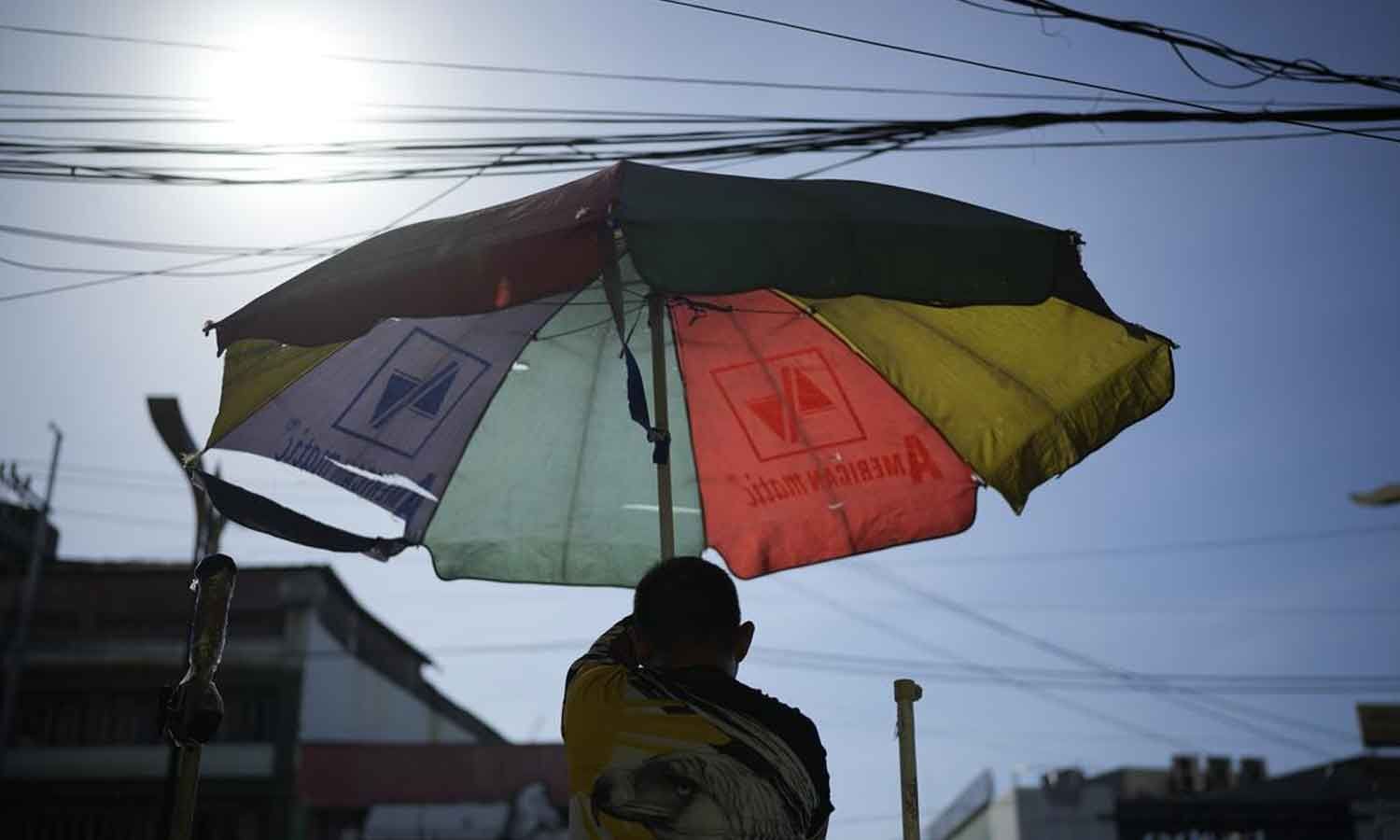
A new assessment looked at how four South Asian countries are getting ready for very hot weather.
It says the countries are making plans and improving forecasts and warnings.
But it can still be difficult to turn a warning into help for people.
The report says health services and local funding need to improve.
India has many heat action plans and has trained thousands of medical officers.
It also faces high heat risk across many districts.
The assessment suggests ways Nepal, Bangladesh and Bhutan can strengthen their preparations.
The goal is to help warnings lead to real protection.

A joint assessment says India, Nepal, Bangladesh and Bhutan are strengthening heat policies and preparedness, while implementation systems lag.
The report, launched at the Global Heat Forum in Bangkok, calls for stronger health surveillance, local financing and links between warnings and action.
India has more than 250 city and district heat action plans, national surveillance for heat-related illness and over 18,000 trained medical officers.
A CEEW study found 57 per cent of India's districts, home to nearly three-quarters of its population, face high to very high heat risk.
Recommendations include heat-health surveillance and local warning responses in Nepal, dedicated heat plans and surveillance in Bangladesh, and a unified plan in Bhutan.
- Who
- The assessment covers India, Nepal, Bangladesh and Bhutan and was conducted by the Global Heat Health Information Network's South Asia Hub and partner organisations.
- What
- A joint assessment found that heat policies and planning are advancing, while systems for local implementation, health surveillance and financing lag.
- Where
- At the Global Heat Forum in Bangkok; the assessment covers India, Nepal, Bangladesh and Bhutan.
- When
- The assessment was launched on Thursday; no calendar date is stated.
- Why
- To map the four countries' preparations for extreme heat and identify gaps in turning plans and warnings into on-the-ground protection.
Progress in preparedness
Gaps in implementation
Heat planning
Progress in preparedness
The assessment says South Asian countries are making progress through heat action plans, forecasting and early warnings; India has more than 250 city and district plans.
Gaps in implementation
The assessment says plans do not consistently translate into local protection, and efforts remain uneven.
India's response
Progress in preparedness
India has expanded heat action plans, recognized heatwaves as a notified natural disaster for disaster risk management funding, and established heat-illness surveillance and medical training.
Gaps in implementation
The report says India still needs dedicated funding, stronger implementation and health outcomes incorporated into every plan.
Key facts
- Countries assessed
- India, Nepal, Bangladesh and Bhutan
- Launch
- Global Heat Forum, Bangkok
- India heat plans
- More than 250 city and district heat action plans
- India heat-risk districts
- 57 per cent face high to very high heat risk, according to a CEEW district-level study
- Population in those districts
- Nearly three-quarters of India's population
- Medical officers trained in India
- More than 18,000
- Key implementation gaps
- Health surveillance, local financing and translating warnings into action
Quotes
Vishwas Chitale
CEEW fellow and Chair of the GHHIN South Asia Hub.
“Our district-level work in India has shown how quickly heat risk is rising, and every country here forecasts that heat is worse than it was five years ago. The task now is to connect those forecasts to health systems, local budgets and labour rules, so that a warning reliably becomes protection.”
 thehansindia.com
“India’s early action and one of the world’s largest networks of heat action plans show that preparedness saves lives. The task now is to strengthen implementation, health systems and local finance, while sharing solutions across the region.”
thehansindia.com
The assessment report
Report presenting findings of the four-country assessment.
“Across the four countries, the assessments find real momentum. The region's defences are advancing fastest on planning and policy through heat action plans, forecasting, and early warning, while the systems that turn these into on-the-ground action and protection need to catch up. Even as some countries begin to close that gap at scale, efforts remain uneven.”
thehansindia.com
Sources
Related news

India Needs Resilient Policies as Heat Waves Intensify

Heatwave Relief Recognition Raises Questions About Counting Deaths

India’s Heat Hotspots Expand as Northwest Emerges Worst-Hit

Super El Niño Could Drive 451,000 Heat Deaths
Climate-Linked Heat Exposed 117 Million Indians During 2026 Summer

Super El Niño Could Cause 15,800 Extra Indian Heat Deaths
Trump Administration Scraps Carbon Limits for Coal and Gas Plants

Trump EPA Ends Climate Regulations for Fossil-Fuel Power Plants
India notifies heatwaves as natural calamity to aid vulnerable

Jane Fonda's 'Gaslit' Documentary Highlights Gulf Coast Environmental Fight
