10 hrs ago
India Needs Resilient Policies as Heat Waves Intensify

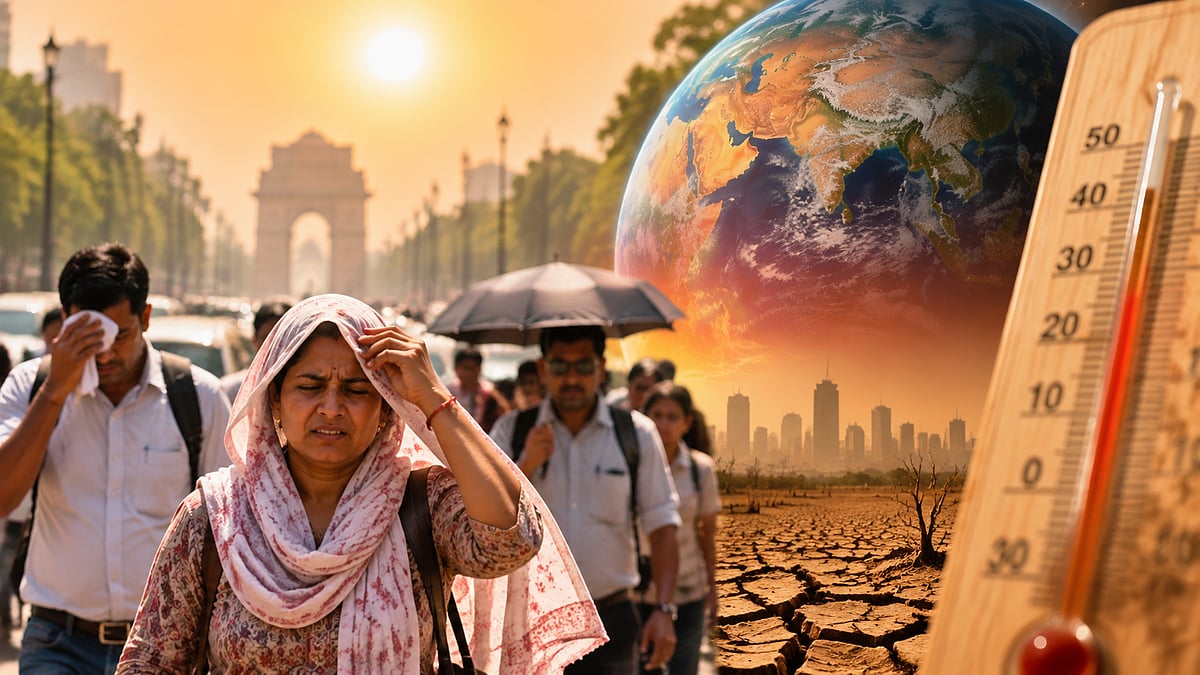
Heat waves are becoming more frequent and dangerous in India.
Very hot weather can make people sick or cause deaths.
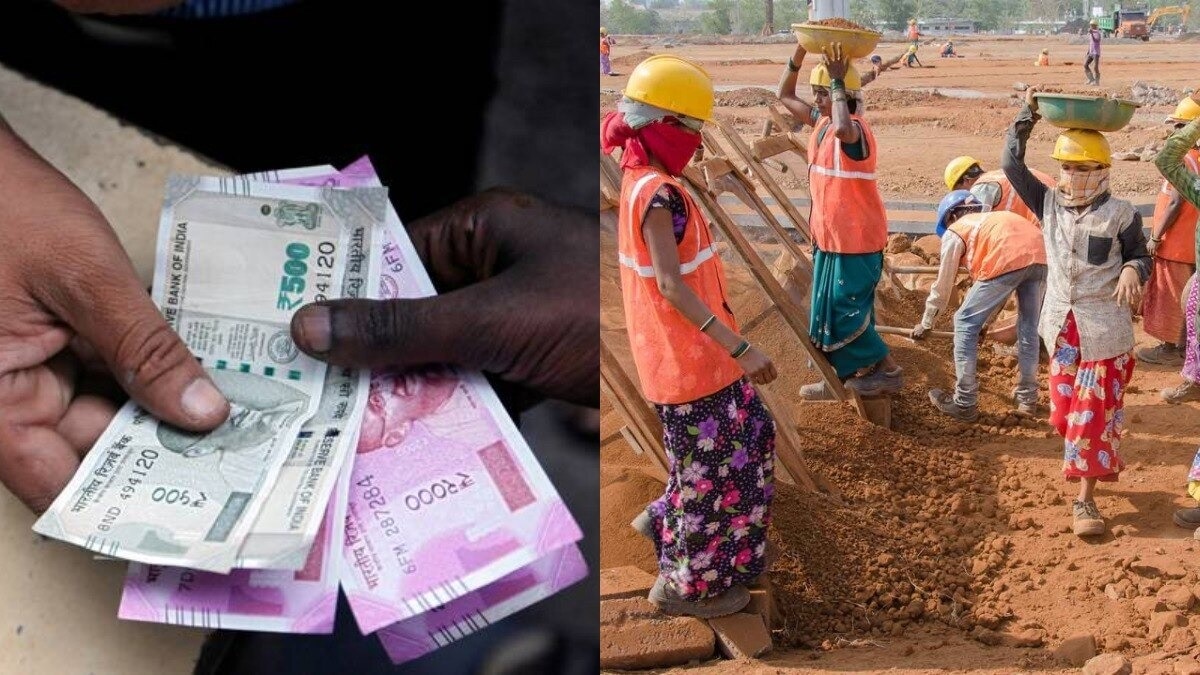
It is especially risky for people who work outside, such as construction workers, farmers, and delivery workers.
Heat can also reduce how much people can work and earn.
Crops may grow less successfully when soil loses water.
Hot weather can worsen air pollution, droughts, wildfires, and food shortages.
Cities become even hotter when they have many buildings, roads, and glass surfaces but few trees.
The article says heat plans should be designed for individual districts and communities.
It recommends shade, drinking water, work breaks, green spaces, and better enforcement of safety rules.

India faced widespread and prolonged heat waves in 2026, with temperatures reaching 48°C in Balangiri, Odisha, according to the article.
Heat waves increase risks of heat stroke, dehydration, respiratory and cardiovascular illness, snake bites, vector-borne diseases, and wildlife conflicts.
Extreme heat disproportionately affects outdoor and informal workers, while heat stress could threaten up to 4.5% of India’s GDP by 2030.
Heat waves damage crops, reduce soil moisture, worsen air quality, and increase risks of droughts, wildfires, and food insecurity.
The article calls for district-specific heat plans, stronger enforcement, green spaces, rest areas, drinking water, scheduled breaks, and flexible working hours.
- Who
- People in India, particularly outdoor and informal workers, farmers, gig workers, and vulnerable communities, are affected; government agencies and policymakers are responsible for responses.
- What
- The article examines worsening heat waves and proposes resilient public-health, workplace, urban, and climate-adaptation policies.
- Where
- India, including Rajasthan, Odisha, Delhi-NCR, Uttar Pradesh, Madhya Pradesh, Rajasthan, Kerala, Ahmedabad, Mumbai, and other northern, central, western, and peninsular areas.
- When
- The article cites conditions and data from 2025 and 2026, as well as longer-term projections through 2030 and the 21st century.
- Why
- Climate change, urban heat, dense construction, limited enforcement, and insufficiently localized planning are increasing heat-related health, economic, agricultural, and environmental risks.
Key facts
- Highest temperature cited for 2026
- 45.1°C in Sriganganagar, Rajasthan, in the June 2026 India Meteorological Department report
- Previous Sriganganagar temperature
- 48°C during 2025
- Hot-city concentration
- The article says all 50 of the world’s hottest cities were in India on one day in April 2026, rising to 97 of the top 100 by May
- Heat-related mortality estimate
- The article cites about 3,400 excess deaths from one day of extreme heat and nearly 30,000 from a five-day heat wave across India
- Economic risk
- Heat-related labour-hour losses could put 2.5% to 4.5% of India’s GDP at risk by 2030
- Gig workforce projection
- The NITI Aayog projected India’s gig workforce could reach 23 million
- Example of existing policy
- Kerala introduced midday breaks from noon to 3 p.m., while Ahmedabad launched its Heat Action Plan in 2013
Sources
Related news

Heatwave Relief Recognition Raises Questions About Counting Deaths

Rising Humid Heat Could Bring 4,000 Annual Deaths to Lucknow
Climate-Linked Heat Exposed 117 Million Indians During 2026 Summer

Climate Heat Stress Threatens India’s Children and Elderly

India’s Heat Hotspots Expand as Northwest Emerges Worst-Hit
Climate-Resilient Urban Planning Could Make India’s Cities Safer

AI Exposed Jobs Gain Pay as Layoffs Continue Rising
Telangana Plans Corporation to Manage Outsourcing Staff Salaries
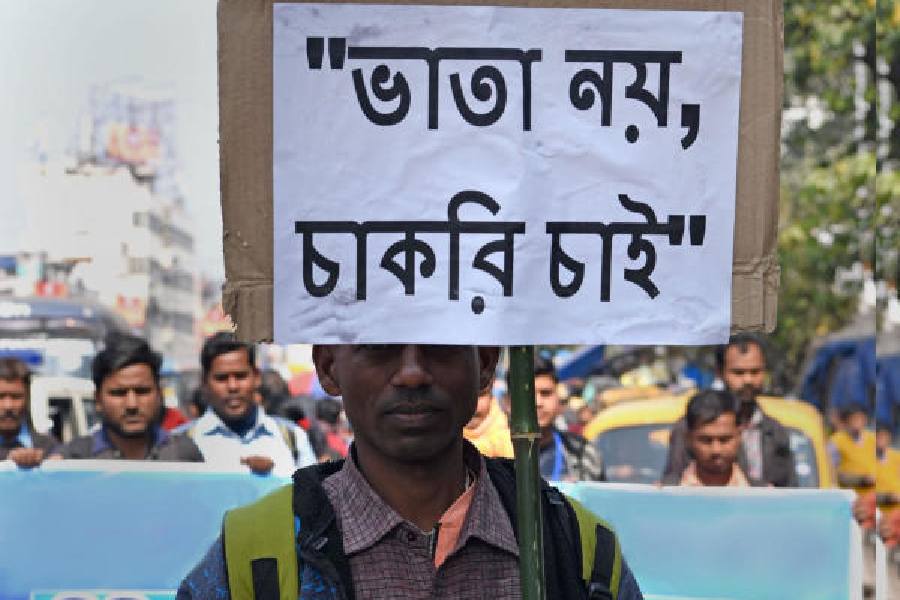
West Bengal’s Youth Employability Crisis Threatens Its Demographic Advantage

AI Data Annotation Boom Creates Low-Paying Jobs in India