2 hrs ago
Arctic Melt Season Extends 7.5 Days, Threatening Ice Ecosystems
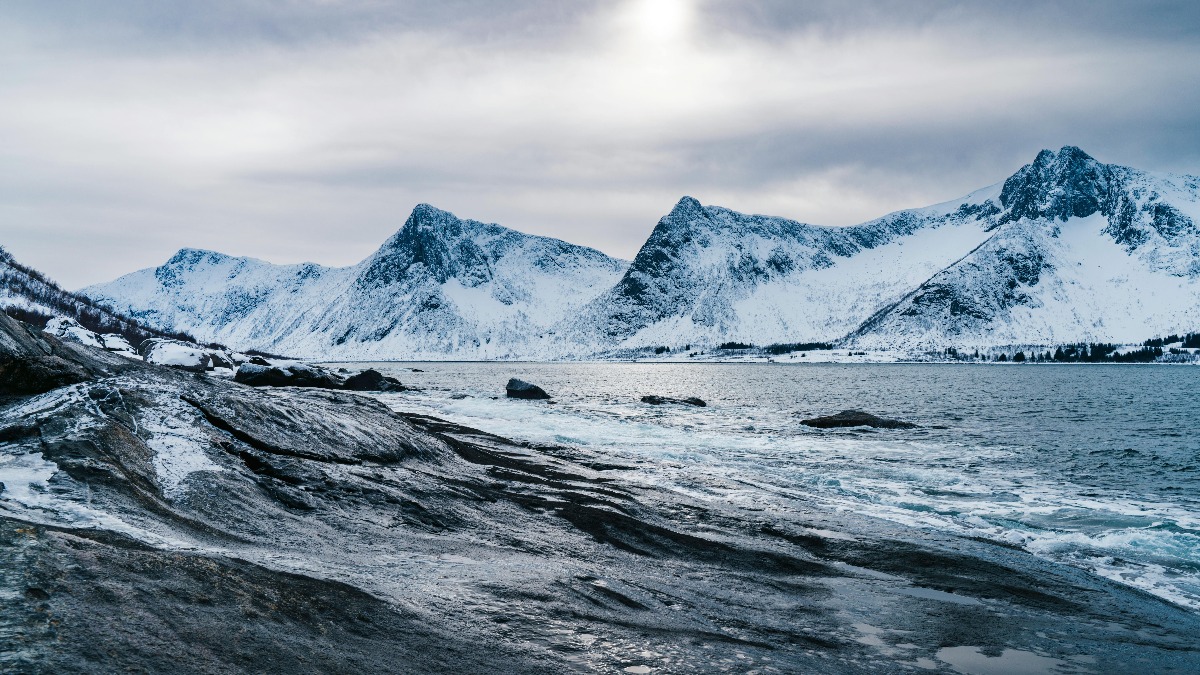
Arctic sea ice is melting for longer each year than it did in 1979.
The melt season is now about 7.5 days longer.
Ice normally reflects much of the Sun's energy back into space.
When ice disappears, dark ocean water absorbs more heat.
This makes it harder for new ice to form in autumn.
New ice is also often thinner and easier to melt.
Changes in snow and ice can hurt animals such as polar bears and seals.
They can also change algae and the food chain that supports fish and other marine life.
Scientists are studying the Arctic and Antarctica to understand these fast changes.

A study published September 2 found that the Arctic melt season is now 7.5 days longer than in 1979.
Researchers examined about five decades of changes in sea-ice extent, thickness, age and snow cover.
Thinner, smoother ice and reduced snow cover may affect polar-bear and seal habitat and reproduction.
Greater sunlight penetrating thinner ice and snow could alter algae, fish and wider Arctic food webs.
The Arctic has experienced persistent ice decline, while Antarctica has recorded major losses only in recent years.
- Who
- Researchers led by Melinda Webster of the University of Washington's Applied Physics Laboratory.
- What
- A study found that the Arctic melt season has lengthened by 7.5 days since 1979, alongside changes in ice thickness, age and snow cover.
- Where
- The research focused on Arctic sea ice and also discussed contrasting changes in Antarctica.
- When
- The study was published on September 2 and examined roughly five decades of changes.
- Why
- Declining and thinner ice exposes darker ocean water, which absorbs more sunlight, delays autumn freezing and can amplify warming.
Key facts
- Melt-season change
- The Arctic melt season is 7.5 days longer than in 1979.
- Study publication
- Published September 2 in Nature Reviews Earth & Environment.
- Study period
- The research examined roughly five decades of sea-ice changes.
- Sea-ice reflectivity
- Bright sea ice reflects roughly 60% to 90% of incoming sunlight.
- Ocean reflectivity
- Dark ocean water reflects about 7% of incoming sunlight.
- Ice and snow changes
- Arctic sea ice has become thinner and smoother, while its snow cover has become thinner.
- Antarctic contrast
- Antarctica experienced record sea-ice losses during the last four years, though the causes remain difficult to determine.
Sources
Related news
Greenland Meltwater May Help Supercharge Europe’s Heatwaves Through Shifting Patterns
IIT Kharagpur Finds Rapid Warming in High-Altitude Jammu and Kashmir
India must craft a clear Arctic narrative, parliamentary panel says

Jet Stream Swings and Warming Intensify Europe’s Heat and Drought
UPSC practice probes India's Arctic policy and GeM procurement reforms