1 week ago
IIT Kharagpur Finds Rapid Warming in High-Altitude Jammu and Kashmir
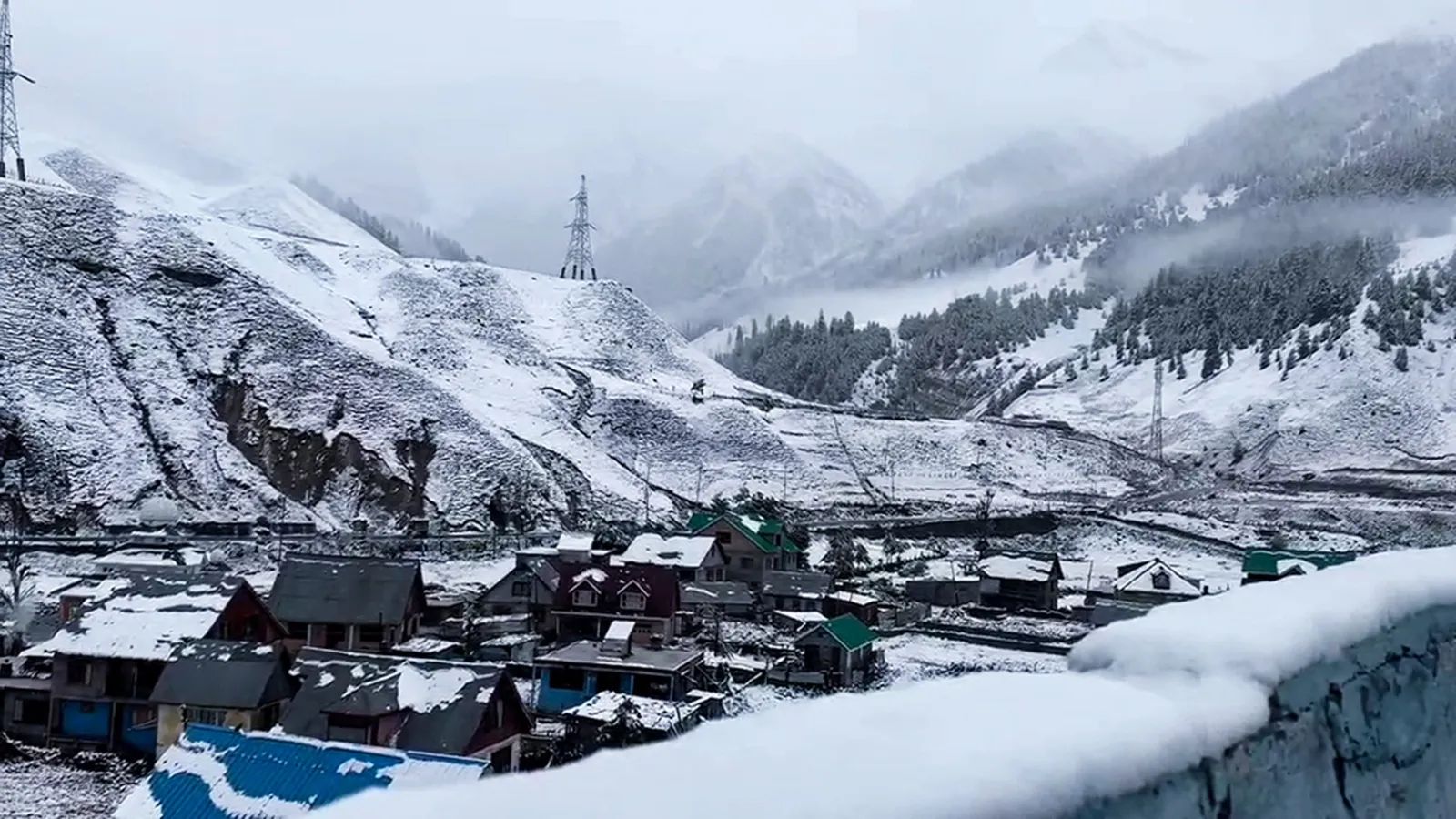
Scientists at IIT Kharagpur found that high mountain areas in Jammu and Kashmir are getting warmer.
They studied climate information collected from 1980 to 2024.
Places such as Gulmarg, Pahalgam and Bhaderwah warmed by almost 1°C over the past 20 years.
Lower-elevation Jammu changed much less.
The warming was especially strong at night.
Warmer temperatures can melt snow and glaciers faster.
At first, melting may increase river water and flooding.
Later, less snow and ice could mean less meltwater for people, farms and ecosystems.
The researchers said reducing greenhouse gas emissions and protecting mountain areas could help limit the risks.

High-altitude areas of Jammu and Kashmir warmed by about 0.8°C to 1°C over the past two decades.
The IIT Kharagpur study analyzed 44 years of climate data from 1980 to 2024.
Gulmarg, Pahalgam and Bhaderwah warmed significantly more than lower-elevation Jammu.
Night-time warming was especially pronounced, with some minimum temperatures rising up to 0.6°C per decade.
Faster snow and glacier melt could affect water supplies, flooding, ecosystems and agriculture.
- Who
- Researchers Jayanarayanan Kuttippurath, GS Gopikrishnan and VM Pranav Chandran at IIT Kharagpur.
- What
- A study found elevation-dependent warming of nearly 1°C in several high-altitude areas of Jammu and Kashmir.
- Where
- High-altitude regions of Jammu and Kashmir, including Gulmarg, Pahalgam and Bhaderwah.
- When
- The study examined climate data from 1980 to 2024 and reported warming over approximately the past two decades.
- Why
- Snow and ice loss, increased heat absorption by exposed surfaces, atmospheric moisture changes and stronger solar radiation may be intensifying warming.
Key facts
- Study institution
- Indian Institute of Technology Kharagpur
- Study period
- 1980–2024
- Observed warming
- About 0.8°C to 1°C in several high-altitude areas over the past two decades
- Most affected locations
- Gulmarg, Pahalgam and Bhaderwah
- Lower-elevation comparison
- Jammu recorded relatively little temperature change
- Temperature pattern
- Night-time warming was particularly pronounced
- Potential risks
- Faster snow and glacier melt, flooding, reduced long-term meltwater, and impacts on ecosystems and agriculture
Quotes
Prof. Jayanarayanan Kuttippurath
IIT Kharagpur professor and study co-author
“Usually, the sunlight will be reflected back, and then warming will be less in these white surfaces, on the glaciers or snow. But if the rocks or dirt or sand, the soil exposes after the snow melts or the glacier melt happens, then that region, you will have more warming.”
 indianexpress.com
“Slowly this snow will be melting, and then ice will be also melting faster, and at some point, there will be nothing to melt, if we do nothing to prevent this.”
indianexpress.com
Sources
Related news
Study: Western Himalaya Warming Faster Than Central, Eastern Stretches

Himalayan Glacier Loss Raised Nepal Flood Disaster Risks
Study Finds 219 Hanging Glaciers in Uttarakhand, Many Unstable
Kashmiris Experience Climate Change, But Climate Literacy Lags
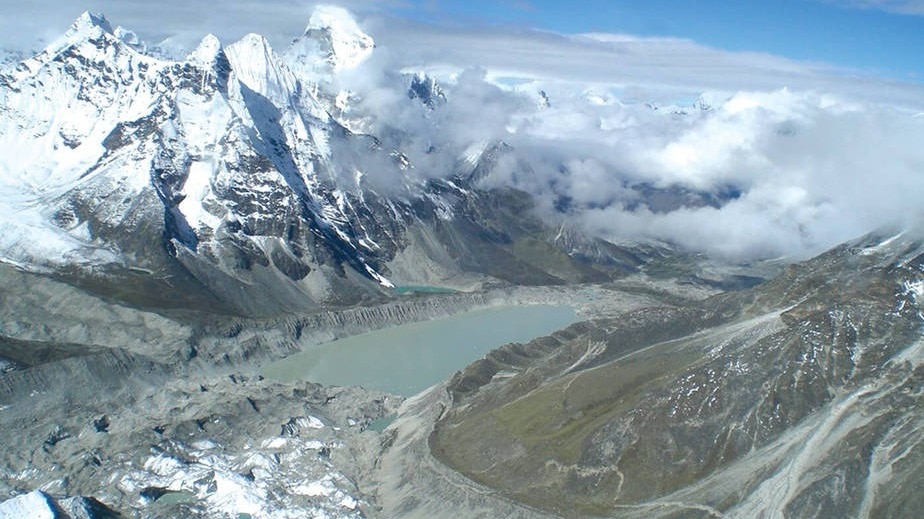
Tibetan Plateau Water Tower Faces Growing Climate Instability
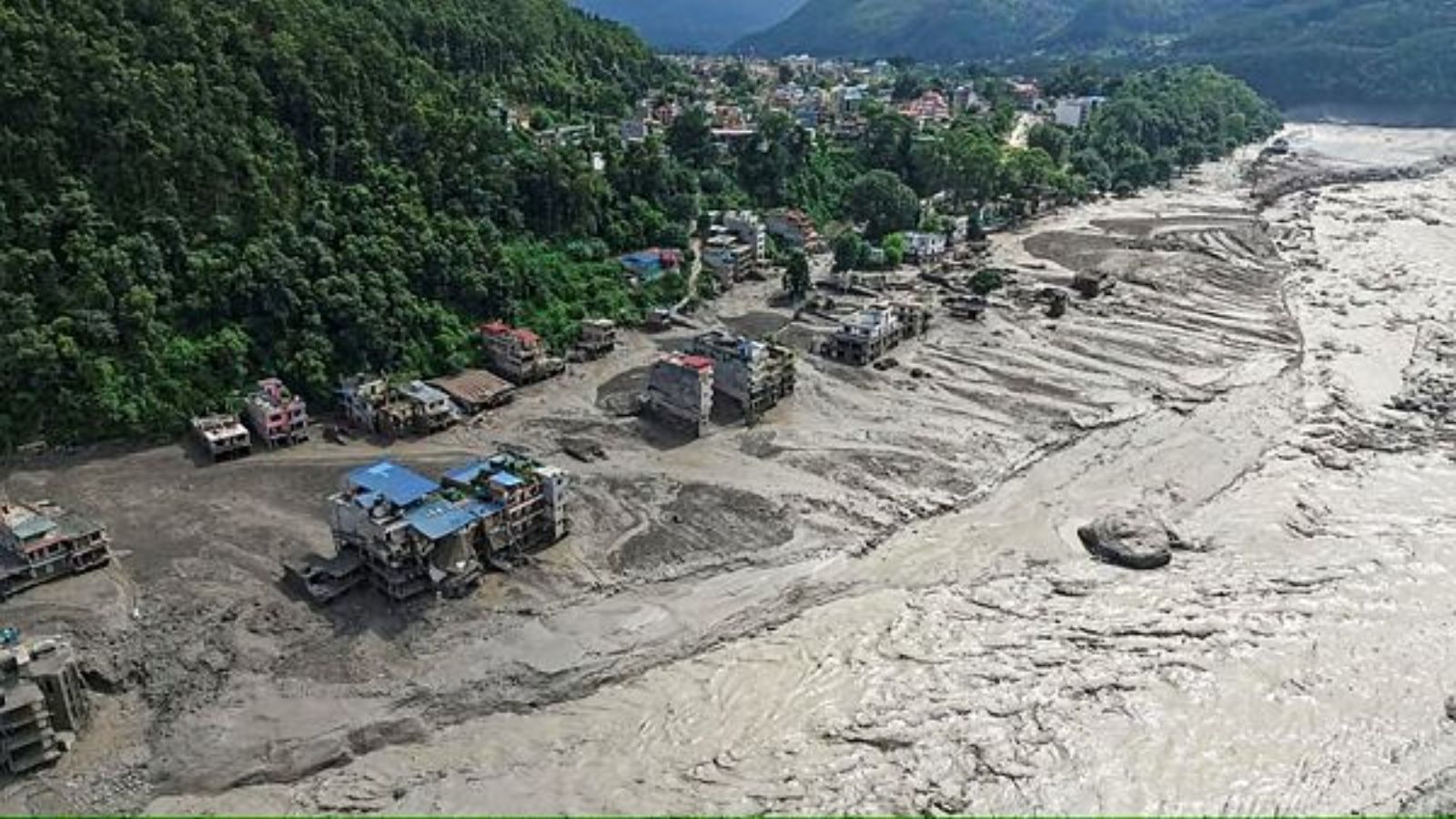
Bhote Koshi Flood Exposes Growing Himalayan Climate Risks

Rival NC-BJP Protests Roil J&K as Police Halt Marches

BJP, National Conference Hold Rival Protests Across Srinagar Streets
ED Searches 14 Premises Over Alleged NHAI Toll Fraud
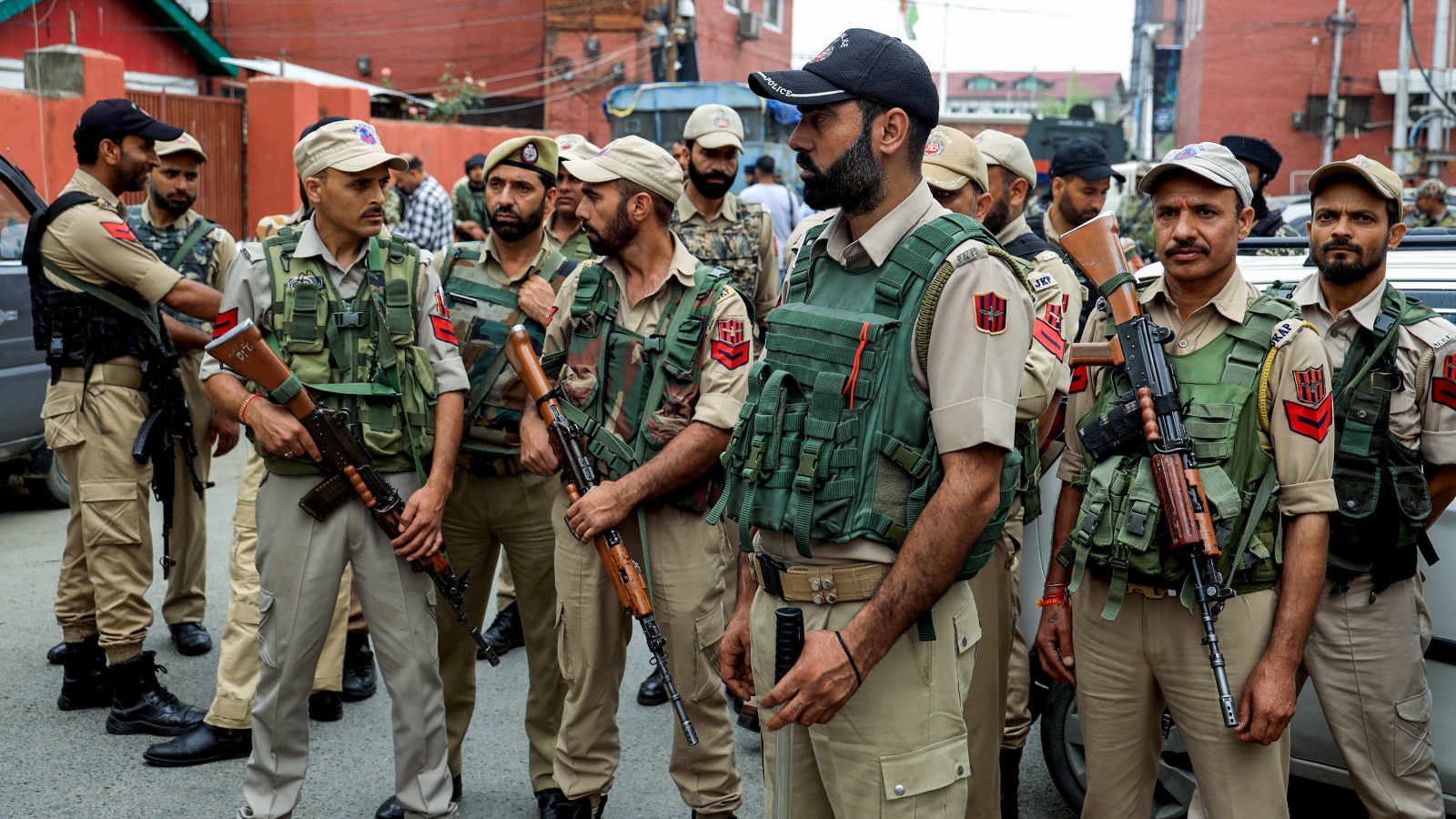
India Live Updates: J&K Protests, Court Hearing, Delhi Incidents
National Conference Plans Counter-Gherao of BJP Offices