

1 hr ago
The Arctic Emerges as a New NATO-Russia Flashpoint
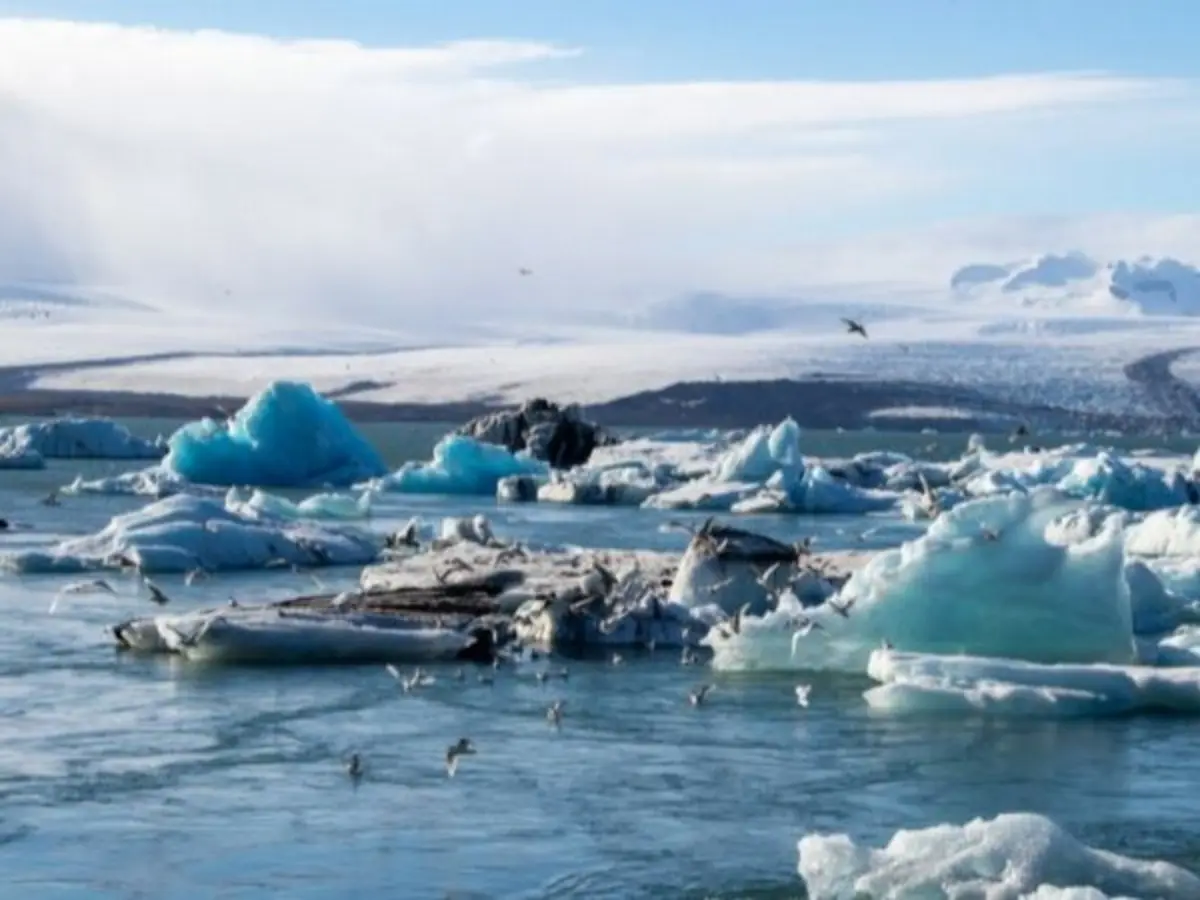
The Arctic is becoming easier to reach because its ice is melting.
More ships are traveling there, and countries are interested in its resources.
Russia says NATO’s growing military activity in the Arctic is dangerous.
NATO says it is strengthening its northern defenses.
Seven of the eight Arctic countries now belong to NATO.
Soldiers from 10 NATO countries are expected to train in Greenland during Arctic Shield 2026.
Finland has also practiced how civilians might respond to cyberattacks or missile attacks.
An expert says the military buildup is worrying, but a larger war is not certain and nuclear war does not appear imminent.

Russia calls NATO’s expanding Arctic military presence a “direct threat” and warns of possible escalation.
NATO launched Arctic Sentry in February after Finland and Sweden joined the alliance.
About 400 personnel from 10 NATO countries are scheduled to take part in Arctic Shield 2026 in Greenland from September 7.
Melting ice is expanding shipping routes and access to Arctic natural resources while Russia develops military infrastructure in the region.
Analyst John Erath says Arctic tensions are dangerous but does not view nuclear war as imminent.
- Who
- Russia, NATO, Finland, Sweden, and other Arctic states are involved; analyst John Erath provided an assessment.
- What
- Military activity, exercises, and strategic competition are increasing in the Arctic as ice retreats and shipping expands.
- Where
- Across the Arctic, including Greenland and Finland.
- When
- NATO launched Arctic Sentry in February; Arctic Shield 2026 is scheduled to begin September 7, and Finland’s Shelter 2026 exercise took place this week.
- Why
- Melting ice is opening shipping routes and access to resources, while NATO and Russia are responding to growing military and civilian activity.
NATO and allied security concerns
Russian threat warnings and de-escalation concerns
Military presence
NATO and allied security concerns
NATO is strengthening its northern flank and organizing activities through Arctic Sentry as military and civilian activity grows in the region.
Russian threat warnings and de-escalation concerns
Russia says NATO’s expanding military presence and exercises constitute a direct threat.
Risk of escalation
NATO and allied security concerns
NATO’s exercises, including Arctic Shield 2026, are presented as training for operating in difficult Arctic conditions.
Russian threat warnings and de-escalation concerns
Sergei Lavrov warns that increasing exercises could lead to incidents escalating into armed confrontation.
Likelihood of wider conflict
NATO and allied security concerns
John Erath cautions that rising activity does not mean conflict is inevitable.
Russian threat warnings and de-escalation concerns
Erath says Russian rhetoric about the Arctic should also be understood in the context of the Ukraine conflict, but he does not consider nuclear war imminent.
Key facts
- Russian position
- Foreign Minister Sergei Lavrov described NATO’s growing Arctic presence as a “direct threat.”
- NATO activity
- NATO launched Arctic Sentry in February to coordinate allied activities across the Arctic.
- Arctic Shield 2026
- Around 400 personnel from 10 NATO nations are scheduled to train in Greenland from September 7.
- Alliance membership
- Seven of the eight Arctic states are NATO members after Finland and Sweden joined.
- Russian infrastructure
- NATO says Russia has reopened Soviet-era facilities and developed airfields and deep-water ports in the Arctic.
- Finnish civil defense
- More than 2,000 people participated in Shelter 2026, which practiced responses to cyber disruption and possible missile attacks.
- Nuclear risk assessment
- John Erath said military activity is increasing but that he does not see an imminent threat of nuclear war.
Quotes
John Erath
Senior Policy Director at the Center for Arms Control and Non-Proliferation
“When Russia makes threats about the Arctic, what it really means is stay out of Ukraine, stop assisting the Ukrainians, or there could be some sort of broader trouble.”
 wionews.com
“There is an increase in military activity in the Arctic that parallels an increase in civilian activity.”
wionews.com
Sources
Related news

Lavrov Says NATO Arctic Activity Poses Direct Threat to Russia
Denmark Sends Conscripts to Greenland as Arctic Tensions Rise
Norway Expands Arctic Brigade Amid Rising NATO Defence Spending

Putin Could Strike NATO Allies to Test Bloc's Resolve
Putin Says India Shows Growing Interest in Northern Sea Route
Russia Says India, China Are Most Productive Arctic Partners
Pakistan-Saudi-Turkey Nuclear Ambiguity Raises Regional Security Fears

Trump Says Iran War Will End Soon After US Strikes

Trump Questions Future United States Support for UK in Falklands

Trump Denies Weapons Shortage as Iran War Stockpiles Face Pressure
