1 week ago
H1N1 Symptoms Can Include More Than Fever and Cough

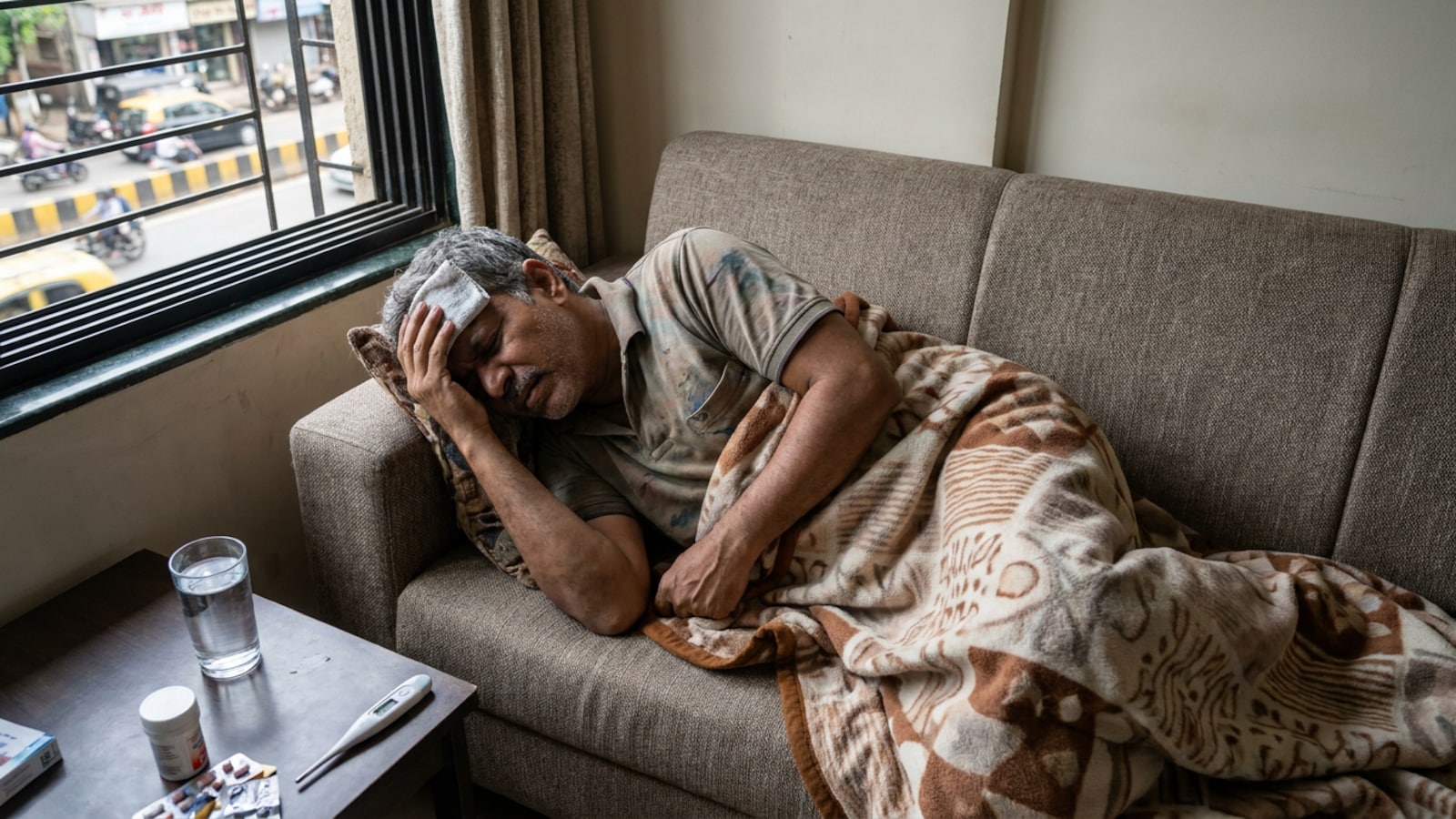
H1N1 is a type of flu that does not always look like ordinary flu.
A person may have vomiting or diarrhoea instead of the usual symptoms.
They may also lose their appetite or feel unusually weak.
Some people with H1N1 do not have a fever.
Not having a fever does not always mean that everything is fine.
Paying attention to unusual symptoms can help people get care sooner.
Early medical help may reduce the chance of serious complications.
A yearly flu vaccine can help prevent influenza, especially for people more likely to become seriously ill.
People should discuss vaccination with a doctor to learn what is appropriate for them.

H1N1 may cause vomiting, diarrhoea, appetite loss or unusual weakness.
Some people with H1N1 may not develop a fever.
The absence of fever does not necessarily rule out infection.
Recognising warning signs early and seeking medical care may help prevent serious complications.
Annual influenza vaccination is an important preventive measure, especially for people at higher risk of complications.
- Who
- People who may have H1N1, particularly those at higher risk of influenza complications.
- What
- A doctor warns that H1N1 can involve lesser-known symptoms such as vomiting, diarrhoea, appetite loss and unusual weakness.
- Where
- When
- Why
- Recognising symptoms early and seeking timely medical care may help prevent serious influenza complications; vaccination is also recommended as an important preventive measure.
Key facts
- Possible symptoms
- Vomiting, diarrhoea, appetite loss and unusual weakness may accompany H1N1.
- Fever
- H1N1 infection may occur without a fever.
- Key warning
- The absence of fever does not necessarily mean a person is clear of infection.
- Early action
- Recognising warning signs and seeking timely medical care may help prevent serious complications.
- Prevention
- Annual influenza vaccination is an important preventive measure.
- Higher-risk groups
- Vaccination is particularly important for people at higher risk of complications.
- Medical advice
- People should discuss vaccination with a doctor to determine what is appropriate.
Sources
Related news

H1N1 Cases Rise in Delhi as Doctors Warn

Emraan Hashmi Tests Positive For H1N1 Amid Health Warnings

H1N1 Surge: Infection Can Occur Without A Fever

Delhi Reports 1,777 H1N1 Cases as Authorities Urge Precautions

Health Ministry Warns Children, High-Risk Groups About H1N1

H1N1 Swine Flu Can Resemble Common Viral Fever
H1N1 Cases Rise in Delhi, Diabetics Warned About Complications
H1N1 Usually Improves Within A Week, Cough May Linger

H1N1 Can Cause Eye Problems Beyond Respiratory Symptoms

Doctors Explain When H1N1 Flu Requires Urgent Care