1 week ago
H1N1 Cases Rise in Delhi as Doctors Warn

More people in Delhi are getting sick with H1N1 flu.
Doctors say this could be one of the biggest waves since 2009.
People should learn the symptoms and seek medical advice early.
A yearly flu vaccine can help lower the chance of becoming seriously ill.
However, the vaccine cannot stop every infection.
People at higher risk of complications should pay particular attention to prevention.
Doctors say people should not take antiviral medicines on their own.
A healthcare professional should decide whether medicine such as oseltamivir is suitable.

H1N1 cases are rising in Delhi, according to the report.
Doctors describe the situation as potentially the second-highest wave since 2009.
Annual influenza vaccination is especially important for people at higher risk of complications.
Vaccination may reduce severe illness but does not guarantee complete protection from infection.
Doctors advise against self-medicating with antivirals, including oseltamivir, without medical guidance.
- Who
- People in Delhi, doctors, and the Health Ministry are referenced.
- What
- H1N1 cases are rising, prompting advice about symptoms, vaccination, and medical treatment.
- Where
- Delhi.
- When
- The report does not provide a specific date; it describes the current rise in cases.
- Why
- To encourage early recognition, timely medical advice, and precautions against serious respiratory illness.
Key facts
- Illness
- H1N1 influenza.
- Reported location
- Delhi.
- Doctors' warning
- The wave may be the second-highest since 2009.
- Vaccination
- Annual influenza vaccination can reduce the risk of severe illness but does not guarantee complete protection.
- Higher-risk groups
- People at higher risk of complications are highlighted as a priority for vaccination.
- Medication advice
- Antivirals should not be self-prescribed; a healthcare professional should decide whether oseltamivir is appropriate.
Sources
Related news
Delhi Medical Association Issues Advisory Amid Rising H1N1 Cases

Doctors Urge Vigilance as Influenza Cases Rise in Delhi-NCR

H1N1 Symptoms Can Include More Than Fever and Cough

Delhi Reports 1,777 H1N1 Cases as Authorities Urge Precautions
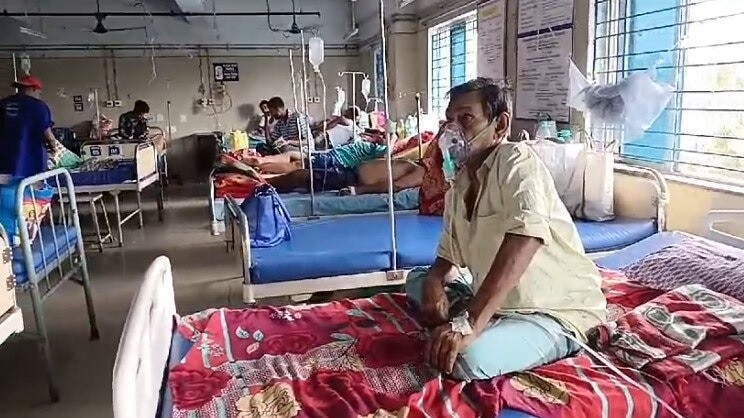
H1N1 cases in Delhi jump sixfold; doctors urge caution

IMA Warns Against Self-Medication Amid India’s Seasonal H1N1 Surge

Delhi High Court Upholds DU Hiring Freeze Amid Exam Concerns
ED Raids 12 Locations Across Four States in Parimatch Probe
Teen Allegedly Gangraped on Moving Delhi Bus; Two Arrested

Bengaluru Police Expose Fake Officer Profiles Used in Furniture Fraud

15-Year-Old Dies After 13-Year Wait for Heart Surgery