

13 hrs ago
H1N1 Cases Rise in Delhi, Diabetics Warned About Complications
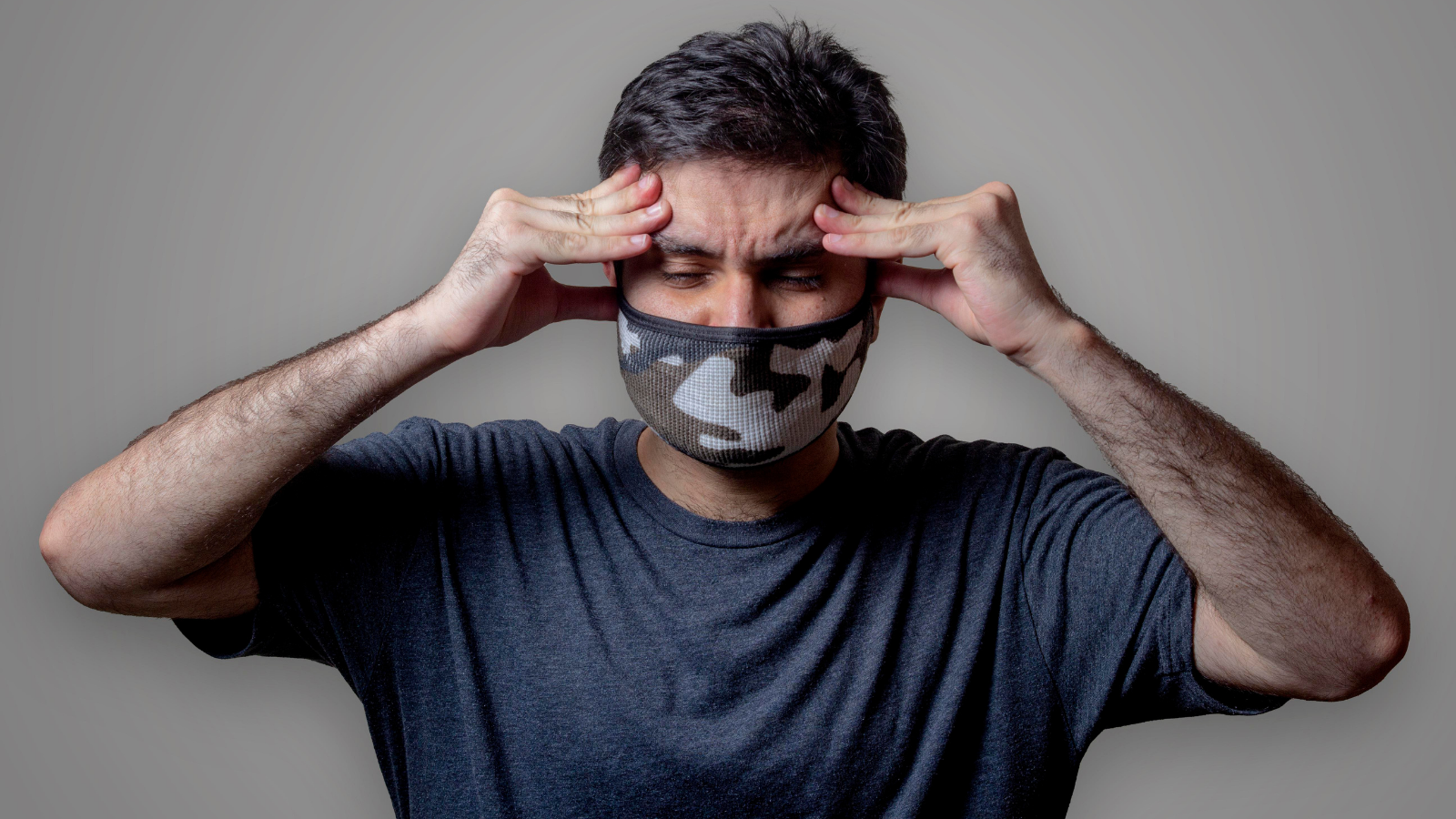
H1N1 flu cases are increasing in Delhi.
One doctor said the strain is familiar and that most cases get better on their own.
But flu can be more dangerous for people with diabetes.
Being sick can make blood sugar rise or sometimes fall too low.
People with diabetes should watch for trouble breathing, chest pain, confusion, vomiting or extreme weakness.
Very high blood sugar, ketones and signs of dehydration are also serious warnings.
Doctors may prescribe an antiviral medicine such as oseltamivir.
These medicines work best when started within 48 hours, although they may still help later.
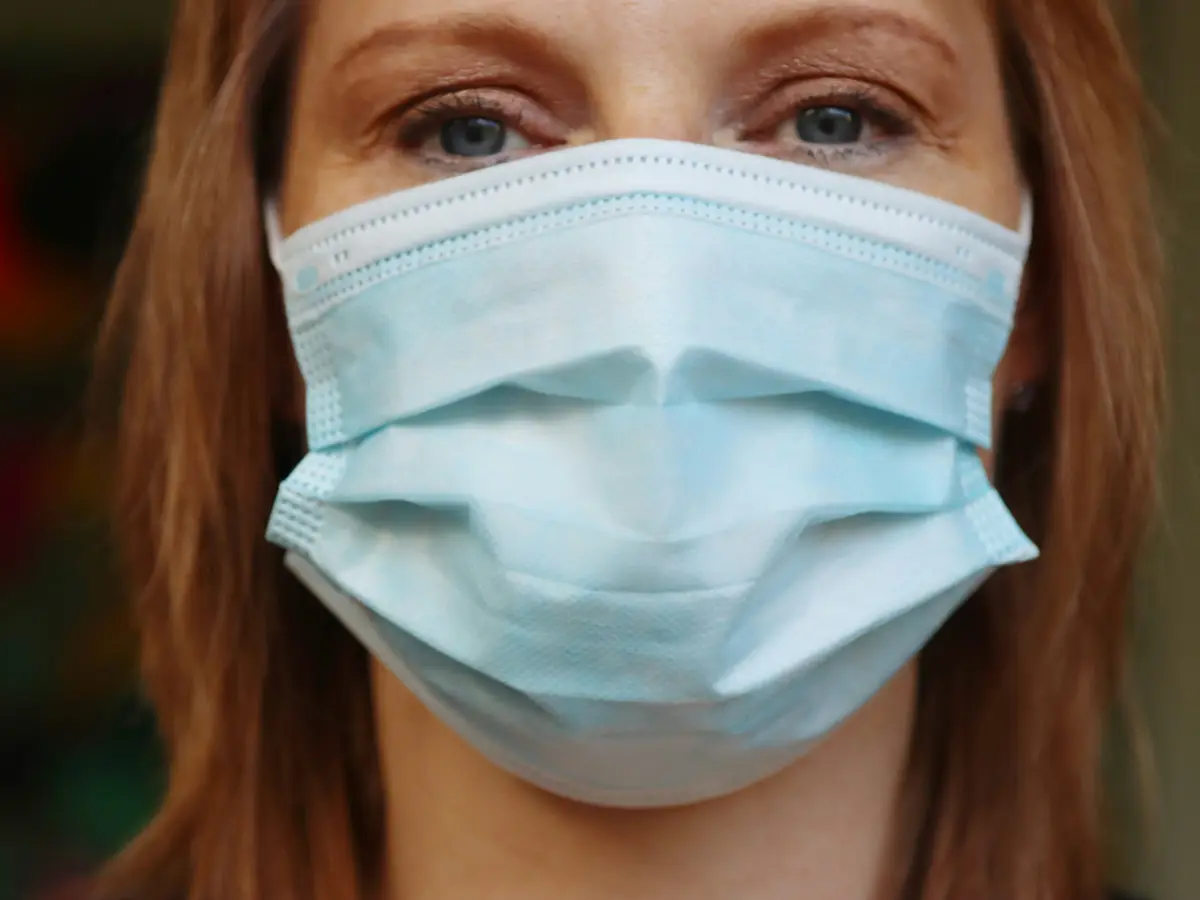
Flu shots, masks, handwashing and early medical advice can reduce risks.

H1N1 influenza cases are rising sharply in Delhi, although one doctor described the strain as familiar and non-virulent.
People with diabetes may have more difficulty fighting infection and controlling blood sugar during illness.
Warning signs include breathing trouble, chest pain, vomiting, severe weakness, confusion, unusual sleepiness and difficulty staying awake.
Very high blood sugar, ketones, dehydration and reduced urination also require urgent medical attention.
Doctors recommend early medical advice, possible antiviral treatment, annual flu vaccination, masking and careful symptom monitoring.
- Who
- People with diabetes are the group emphasized, along with doctors treating patients with H1N1 influenza.
- What
- H1N1 influenza cases are rising, prompting warnings about symptoms, blood-sugar changes and complications in people with diabetes.
- Where
- Delhi is identified as the location where cases are rising sharply; the quoted hospitals are in Gurugram and Gurgaon.
- When
- The increase is described in the context of a seasonal change; antiviral medicines work best within the first 48 hours of symptoms.
- Why
- Diabetes can weaken the body's ability to fight infection, while illness-related stress, poor appetite and vomiting can make blood sugar difficult to control.
Reassuring Assessment
Heightened Caution
Severity of the current rise
Reassuring Assessment
Dr Saptarshi Ghosh said the increase is mainly linked to seasonal change and described the strain as familiar and non-virulent, with most cases self-limiting.
Heightened Caution
Other doctors stressed that influenza can become more serious for people with diabetes because infection and unstable blood sugar can worsen each other.
Use of medication
Reassuring Assessment
Because many cases are self-limiting, Dr Saptarshi Ghosh warned that unnecessary use of antibiotics such as azithromycin and cefixime could contribute to antimicrobial resistance.
Heightened Caution
Dr Pankaj Khatana said doctors may use antivirals such as oseltamivir for patients with diabetes and that early treatment can reduce severe complications and hospitalization.
Potential complications
Reassuring Assessment
Severe complications such as sepsis, respiratory failure, kidney problems and other organ complications were described as possible but not specific to diabetes alone.
Heightened Caution
Doctors warned that diabetes may increase concern about lung problems, bacterial infections, bronchitis, sinus infections and worsening of existing health conditions.
Key facts
- Reported trend
- H1N1 influenza cases in Delhi are rising sharply and are described as several times last year's numbers.
- High-risk group
- People with diabetes may have greater difficulty fighting infection and managing blood sugar.
- Emergency warning signs
- Breathing trouble, chest pain, constant vomiting, severe weakness, confusion, unusual sleepiness and difficulty staying awake.
- Blood-sugar warning signs
- Very high or increasing blood sugar, especially when ketones are present in urine or blood.
- Dehydration signs
- Very little urination, dry mouth and dizziness.
- Possible treatment
- Doctors may prescribe antiviral medicines such as oseltamivir, depending on the patient's medical history and condition.
- Timing of antivirals
- Antivirals work best within the first 48 hours of symptoms but may still help higher-risk patients when started later.
- Prevention
- Recommended precautions include annual flu vaccination, masks in crowded or poorly ventilated spaces, avoiding sick contacts and hand hygiene.
Quotes
Dr Pankaj Khatana
Senior consultant in internal medicine at Marengo Asia Hospitals Gurugram
“Very high and increasing blood sugar, especially when you have ketones in the urine or blood, is another warning sign. Dehydration symptoms such as very little urination, dry mouth and dizziness should not be ignored.”
 indianexpress.com
“Flu can be a bigger issue for people with diabetes as high or poorly controlled blood sugar can impair your body’s ability to fight infections.”
indianexpress.com
Sources
Related news
Why Flu Can Raise Blood Sugar Despite Eating Less
Delhi reports six-fold rise in H1N1 flu cases, experts warn
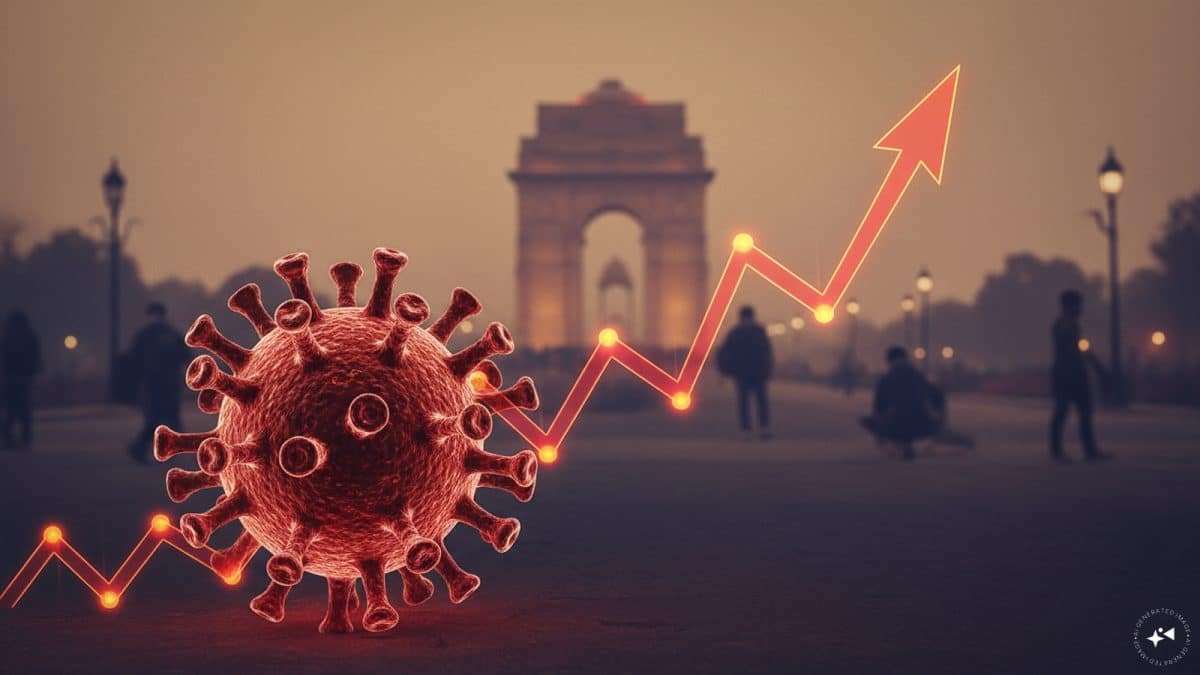
Delhi records nearly six-fold rise in H1N1 cases in 2026

H1N1 cases in Delhi jump sixfold; doctors urge caution

Emraan Hashmi Tests Positive For H1N1 Amid Health Warnings
Delhi H1N1 Cases Rise as Government Urges Mask Use

Delhi High Court Protects Women Returning From Maternity Leave

Delhi Court Limits Maintenance to Husband’s Financial Capacity

Former Telecommunications Officer Questioned Nine Hours, Released Without Arrest

Revanth Reddy Urges Congress to Make Rahul Gandhi PM
Delhi SIR Draws Over Five Lakh Claims Before Draft Roll
