5 days ago
Doctors Explain When H1N1 Flu Requires Urgent Care

H1N1 is a virus that mainly affects the breathing system.
It is not usually caught by eating pork.
Being near pigs does not mean someone will automatically get the flu.
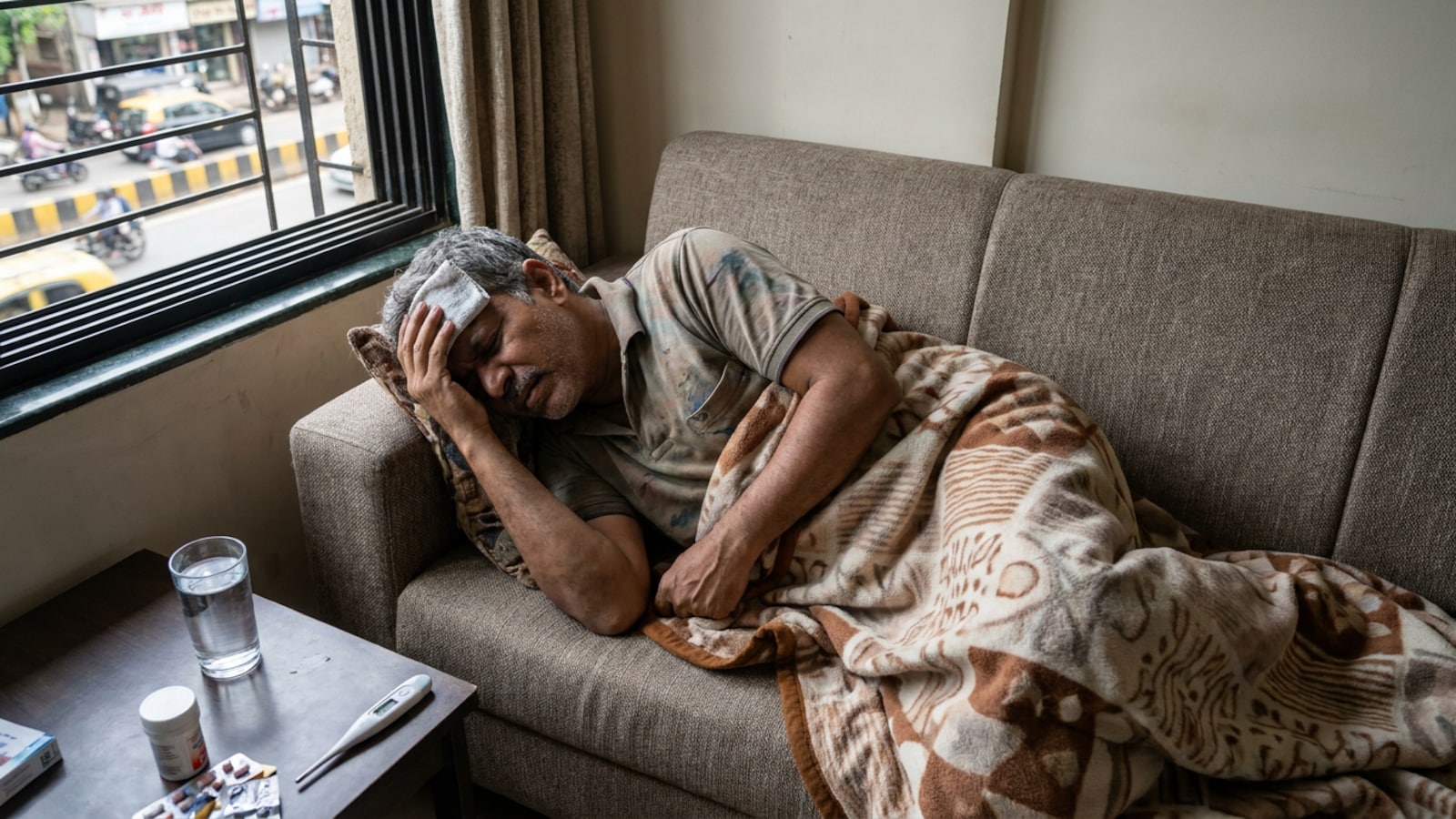
Many people with suspected flu have mild illness.
They may not need to go to the hospital.
However, people at high risk or who are very sick need medical help quickly.
Doctors may recommend antiviral medicine for them.
The important message is to avoid panic while taking serious symptoms seriously.

H1N1 is primarily a respiratory viral infection, not an illness caused by eating pork.
Most human flu cases are not acquired from pigs or from being around them.
Many suspected flu cases are mild and do not require hospitalization.
High-risk or severely ill patients should seek prompt medical attention.
Antiviral treatment may be needed for high-risk or severely ill patients when indicated.
- Who
- Dr Shah and other doctors discussing H1N1 and influenza risks.
- What
- Doctors clarified how H1N1 spreads and when suspected flu may require medical attention or antiviral treatment.
- Where
- When
- Why
- To correct misconceptions about swine flu and distinguish mild cases from high-risk or severe illness.
Key facts
- Illness
- H1N1 influenza, commonly called swine flu
- Primary infection type
- Respiratory viral infection
- Transmission misconception
- Most human flu cases are not acquired from pigs
- Typical severity
- Many suspected cases are mild
- Hospitalization
- Not every suspected case requires hospitalization
- Higher-risk patients
- High-risk or severely ill patients need prompt medical attention
- Treatment
- Antiviral treatment may be used when indicated
Sources
Related news

H1N1 Symptoms Can Include More Than Fever and Cough

ICMR Chief Says Swine Flu Scare Exceeds Actual Threat

Delhi's Swine Flu Cases Reach 1,777 as Doctors Report Surge
H1N1 Cases Rise as Experts Advise Precautions, Not Routine Masks

Delhi Reports Over 1,700 Swine Flu Cases During Monsoon Surge

H1N1 Cases Surge as Breathing Problems Raise Health Alarms
H1N1 Cases Rise in Delhi, Diabetics Warned About Complications

Emraan Hashmi Tests Positive For H1N1 Amid Health Warnings

H1N1 Usually Improves Within A Week, Cough May Linger

H1N1 Can Cause Eye Problems Beyond Respiratory Symptoms