3 weeks ago
Why Ceuta and Melilla, Spain's African Enclaves, Made Headlines
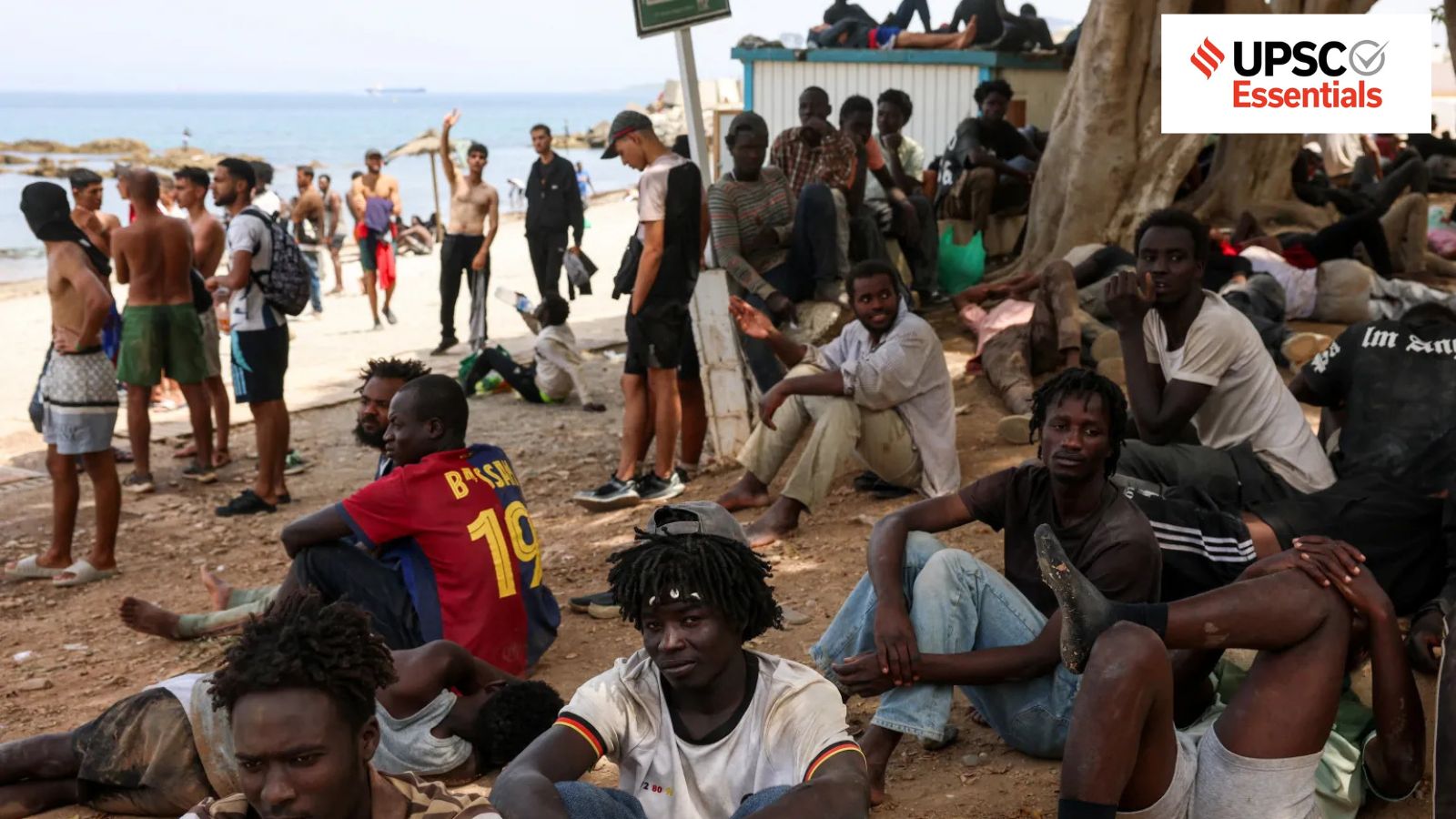
Ceuta and Melilla are two small cities owned by Spain but located in Africa.
They sit right on the coast of Morocco.
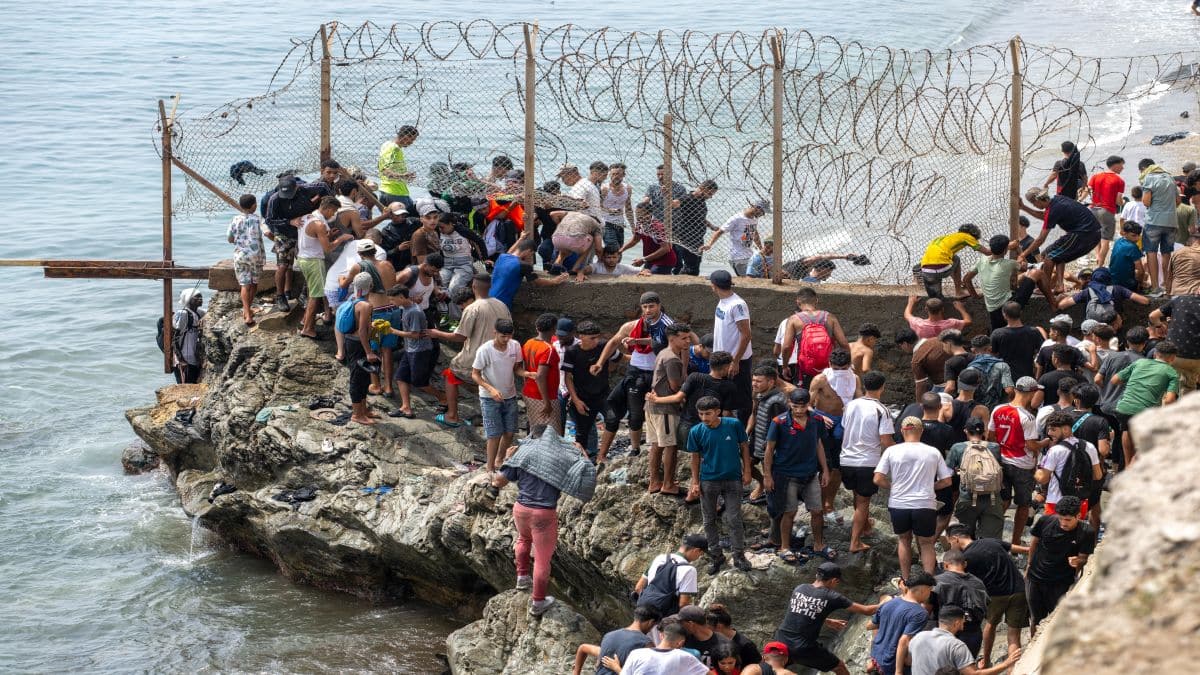
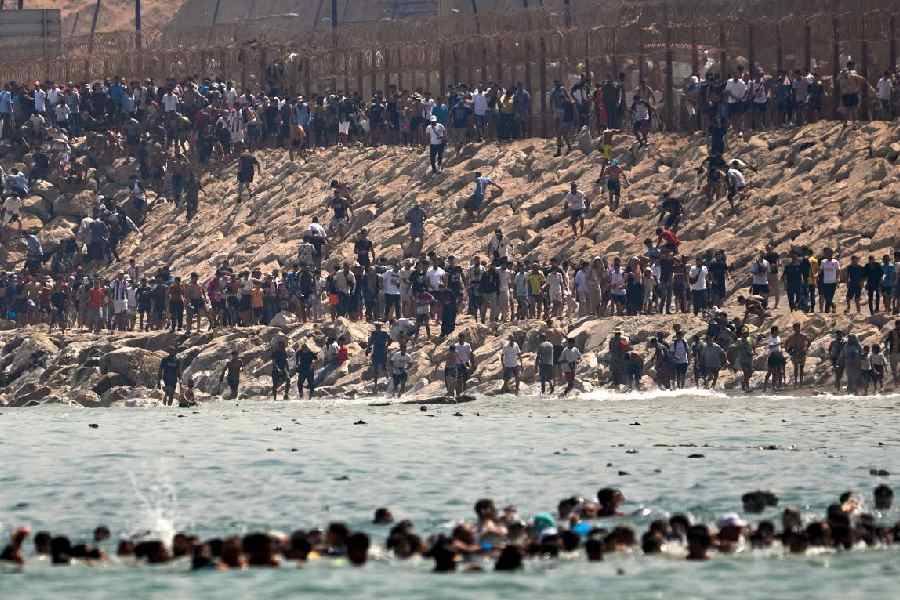
Many people recently crossed the border into these cities, which made the news.
An enclave is a piece of land of one country that is completely surrounded by another country.
Ceuta and Melilla are enclaves because they are Spanish land surrounded by Morocco.
They are also the only spot where Europe and Africa touch each other by land.
Spain has owned Melilla since 1497 and Ceuta since the 1400s.
Morocco says these cities belong to Morocco and wants them back.
Because of this, the two countries often argue about borders and migration.
Enclaves like these can cause big arguments between neighbouring countries.

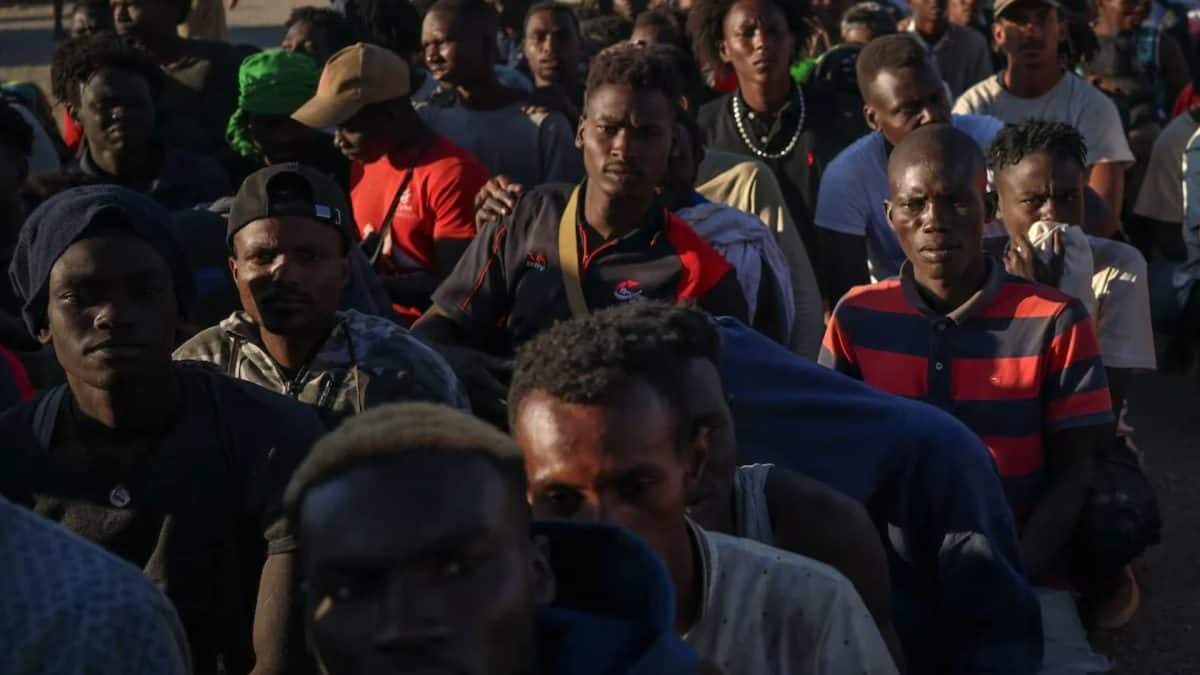
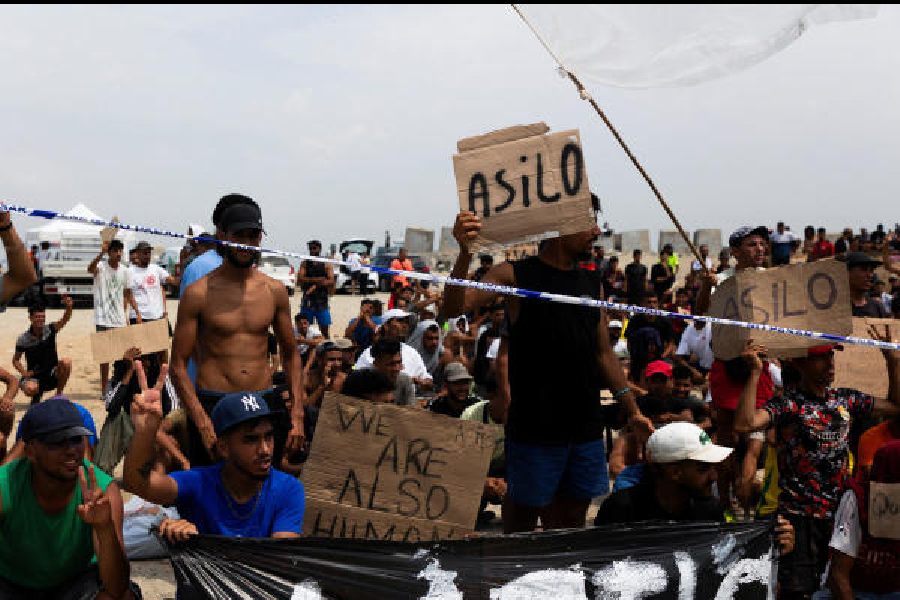
Thousands of migrants crossed into Ceuta and Melilla last week, the Spanish enclaves on Morocco's Mediterranean coast, renewing attention to border management and migration.
Ceuta and Melilla are Spain's only territories on the African mainland and the European Union's only land borders with Africa.
An enclave is a discontiguous territory of one state enclosed within another state's territory; the term traces to the Latin 'inclavatus', meaning 'shut in, locked up'.
Melilla has been under Spanish control since 1497, while Ceuta, seized by Portugal in 1415, was transferred to Spain under the Treaty of Lisbon in 1668.
Morocco, independent from France since 1956, calls the enclaves 'Sebtah and Melilah', claims them as its territory, and has demanded their return.
- Who
- Migrants, Spain, and Morocco.
- What
- Thousands of migrants crossed into the Spanish enclaves of Ceuta and Melilla on Morocco's Mediterranean coast, renewing attention to a diplomatic standoff over border management and migration.
- Where
- Ceuta and Melilla, Spain's enclaves on Morocco's Mediterranean coast in North Africa.
- When
- The influx made headlines last week; the territorial dispute traces back to the 15th century and Morocco's independence in 1956.
- Why
- The enclaves' unusual territorial status as Spanish land inside Morocco and the EU's only land borders with Africa makes them a recurring flashpoint for border management and migration disputes.
Spanish position
Moroccan position
Sovereignty over the enclaves
Spanish position
Ceuta and Melilla have been under Spanish sovereignty since the 15th century, with Melilla under Spanish control since 1497 and Ceuta transferred to Spain under the Treaty of Lisbon in 1668.
Moroccan position
Morocco, independent since 1956, considers the territories it calls 'Sebtah and Melilah' part of its territory and has been demanding their return.
Border management and migration
Spanish position
The migration inflow brings renewed attention to border management in these Spanish and EU territories.
Moroccan position
Border management and migration are recurring flashpoints between Madrid and Rabat, shaped by the enclaves' unusual territorial status.
Key facts
- Enclaves
- Ceuta and Melilla
- Location
- Morocco's Mediterranean coast, North Africa
- Territorial status
- Spain's only territories on the African mainland
- EU land borders with Africa
- Only ones, via Ceuta and Melilla
- Melilla under Spanish control since
- 1497
- Ceuta transferred to Spain
- 1668 (Treaty of Lisbon)
- Morocco gained independence
- 1956, from France
- Morocco's claim
- Calls the enclaves 'Sebtah and Melilah' and demands their return
Sources
Related news
Ceuta Border Surge Exposes the Power of Migration Diplomacy
Ceuta Marks New Frontier for Migration-Driven Hybrid Geopolitical Threats
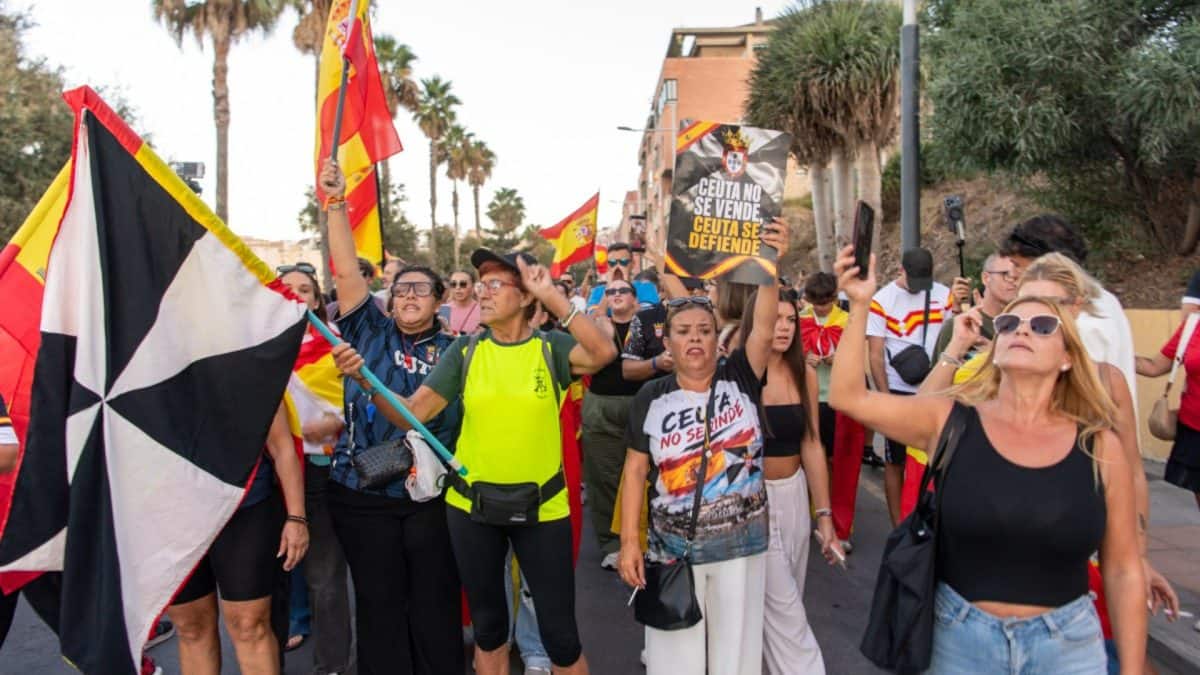
Spain Urges Calm After Anti-Migrant Clashes in Ceuta
Spain imposes border controls on Italian travellers in migrant row
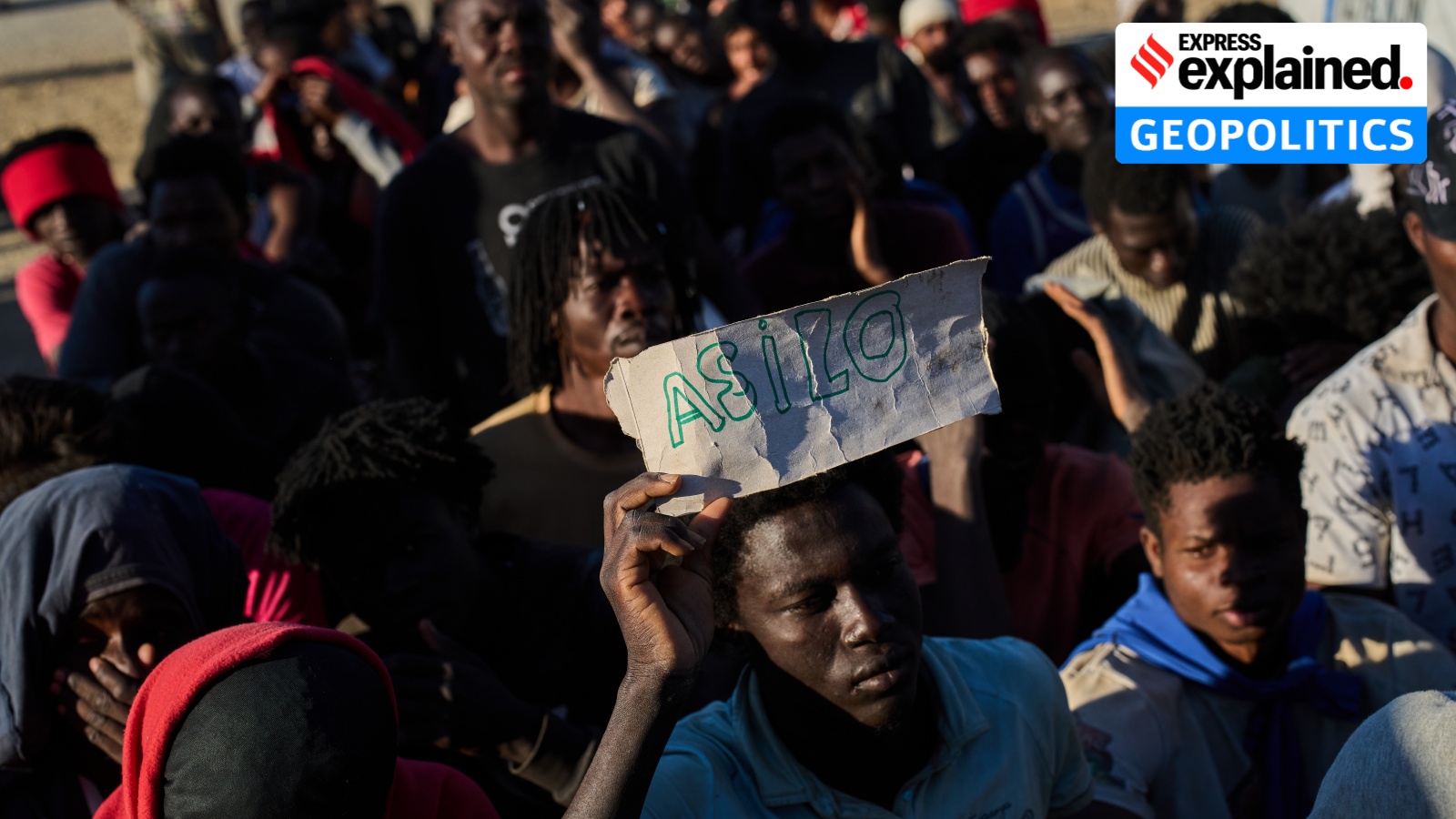
Migrants protest in Ceuta, demand asylum over return to Morocco
Ceuta migrant surge reignites Europe's migration and far-right debate
Ceuta on edge: Spain, Morocco brace for new migrant incursion

Meta and TikTok agree to fact-check Spain border crossing content