1 week ago
Ceuta Border Surge Exposes the Power of Migration Diplomacy
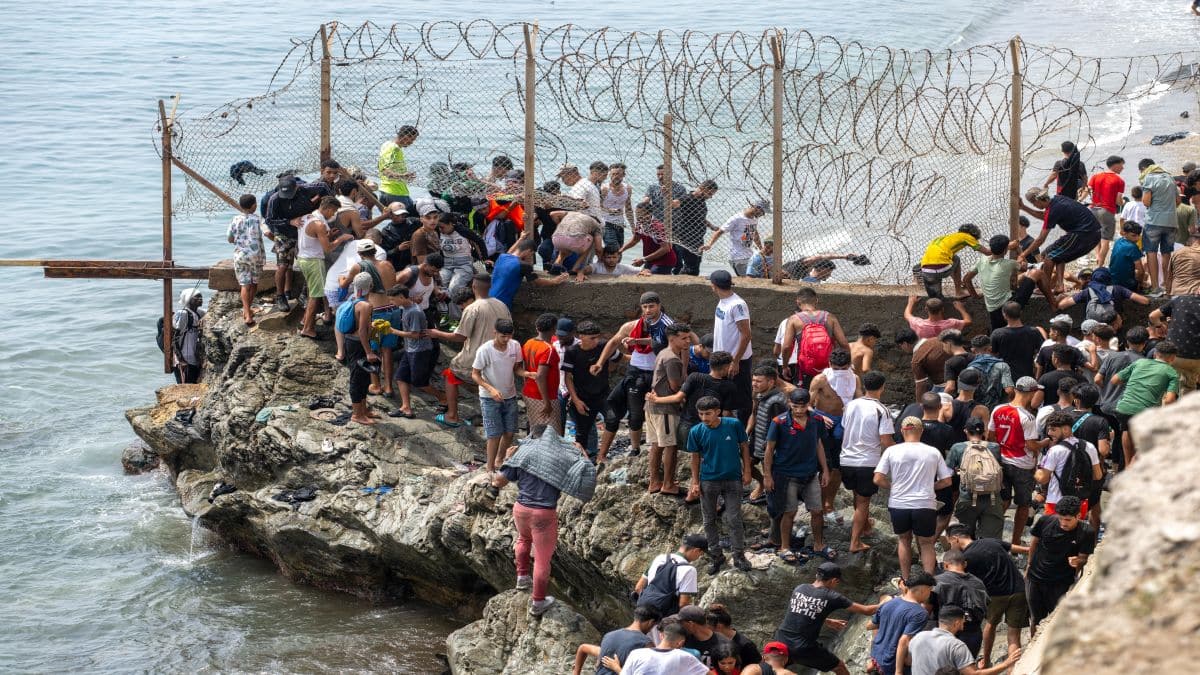
Ceuta is a small Spanish city next to Morocco.
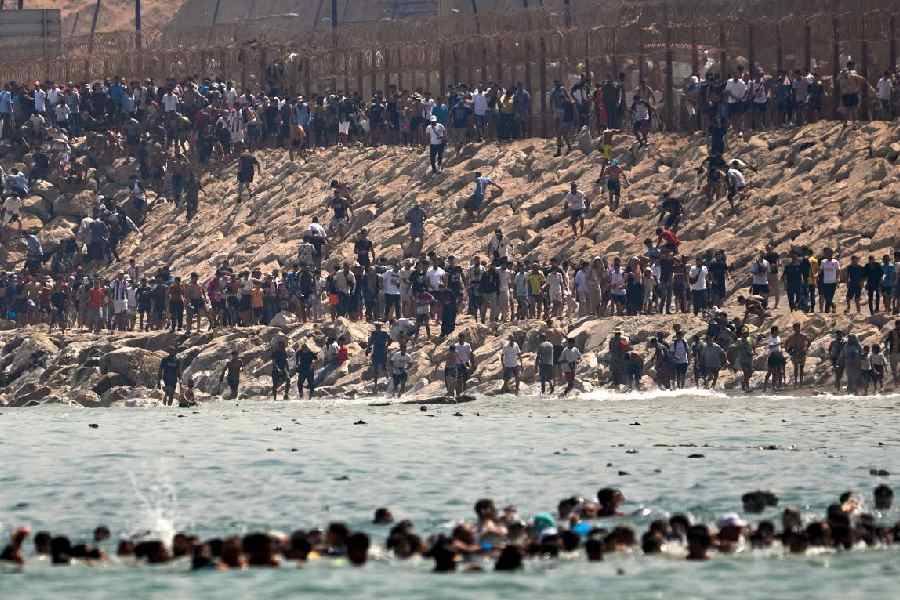
In one night, tens of thousands of people tried to enter it by swimming or walking across the border.
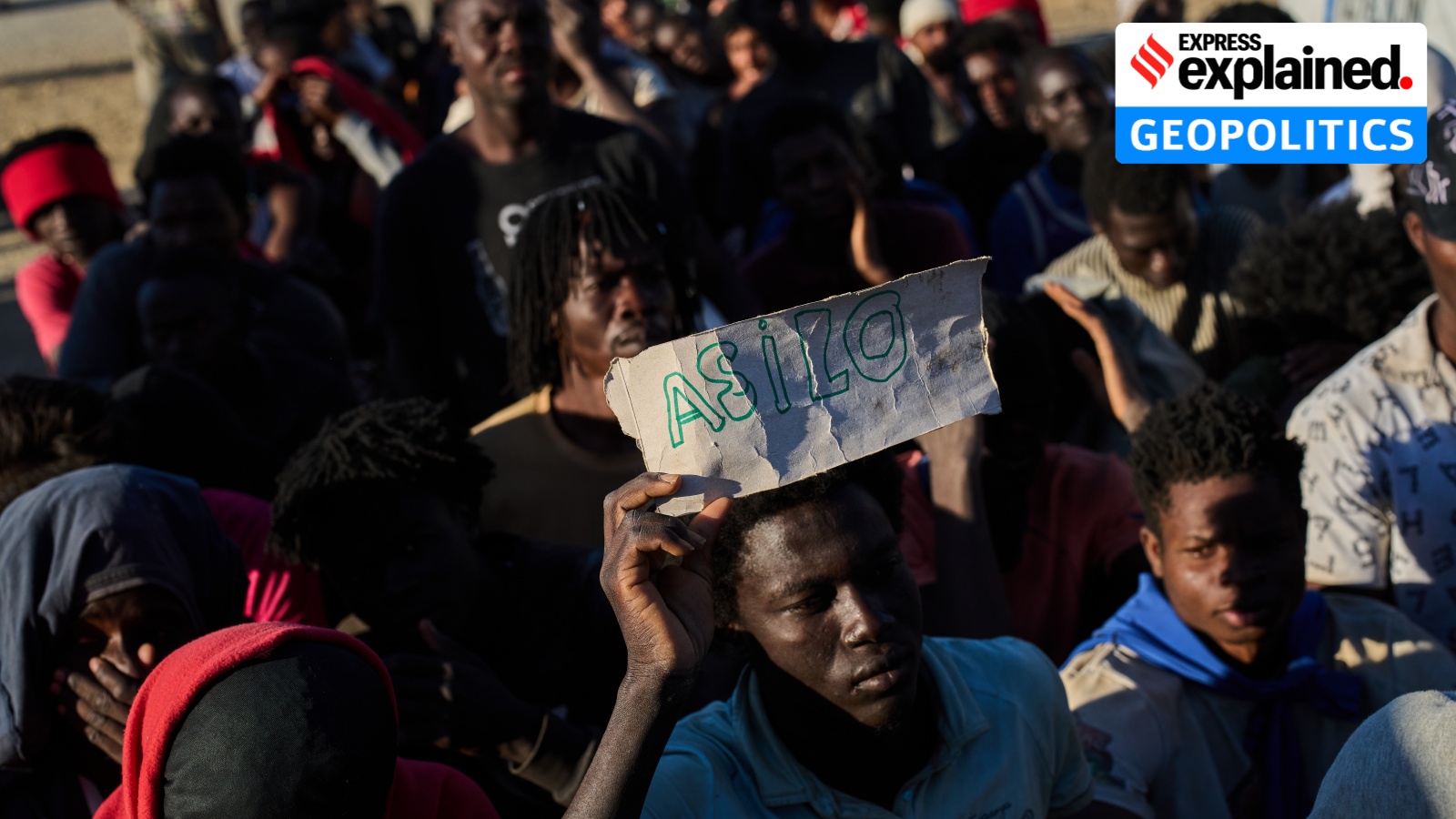
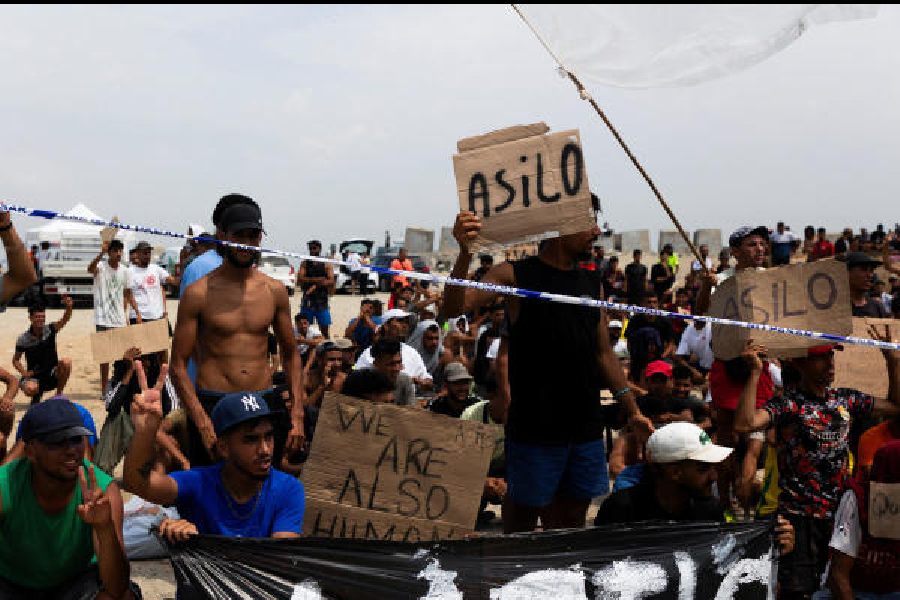
Many had heard a rumor that Spain would let them stay if they reached the city by sea.
The number of people and deaths is disputed by Spain, Morocco, and rights groups.
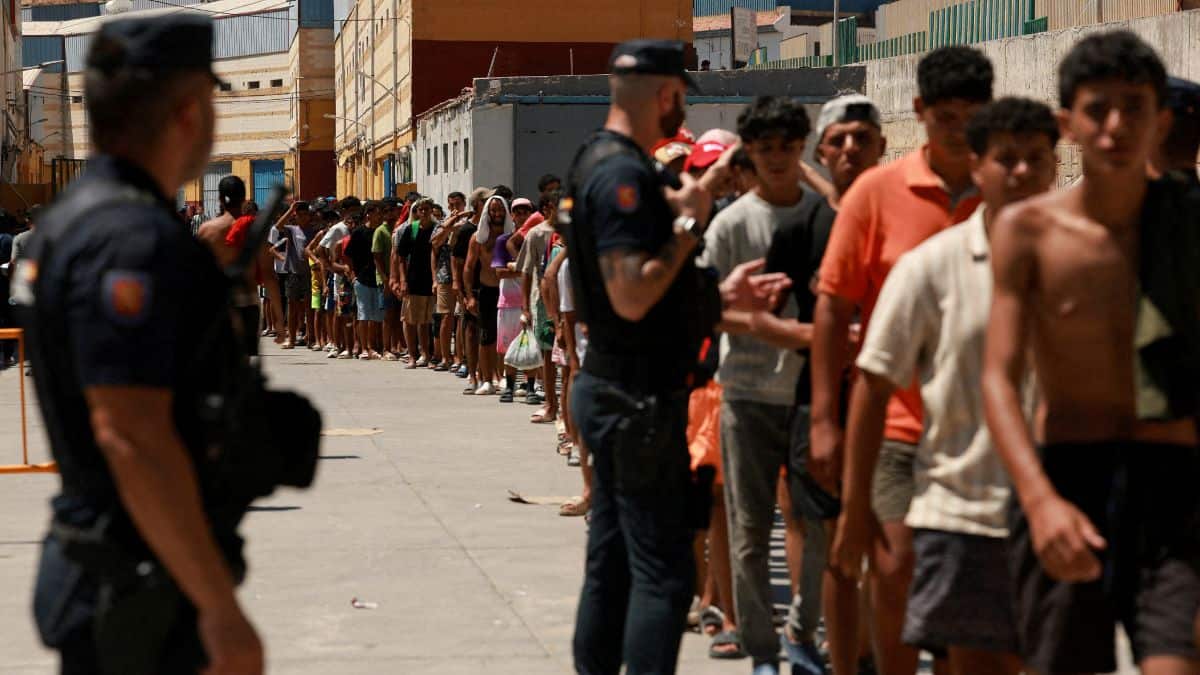
Most of the people were quickly sent back to Morocco.
Some observers believe Morocco allowed the crossing to pressure Spain over political disagreements.
Morocco says criminal groups were responsible and denies using the migrants as a tool.
The article says countries such as India should study how crowds and rumors can put pressure on border governments.

Between July 30 and 31, as many as 60,000 people crossed from Morocco into Spain’s Ceuta enclave, though official estimates ranged from 40,000 to 60,000.
Reported deaths varied sharply, from Morocco’s 11 to Spain’s 72 and nearly 130 according to the Moroccan Association for Human Rights.
A Spanish court ruling on asylum procedures reportedly fueled rumors that migrants reaching Ceuta by sea could not be returned.
Spain and other observers suggested Moroccan border forces allowed the crossings as diplomatic pressure, while Morocco blamed criminal organizations and denied coordinating the surge.
The episode triggered European border-control measures and is presented as a warning for countries such as India about the strategic use of migration pressure.
- Who
- As many as 60,000 migrants, Moroccan authorities, Spanish authorities, and the governments of Morocco and Spain were involved.
- What
- A large, short-lived movement of people crossed from Morocco into Spain’s Ceuta enclave, prompting accusations that migration was being used for diplomatic pressure.
- Where
- Ceuta, a Spanish enclave on Morocco’s North African coast.
- When
- The main crossing occurred between the night of July 30 and the morning of July 31; the article places the broader episode in 2026.
- Why
- The immediate trigger was reportedly a misunderstood Spanish court ruling and online rumors, while the article argues that diplomatic tensions may have led Morocco to relax border enforcement.
Humanitarian and legal concerns
Border security and diplomatic pressure
What caused the crossing?
Humanitarian and legal concerns
The surge was driven by real economic hardship, including high youth unemployment in Morocco, and by rumors about Spain’s asylum procedures.
Border security and diplomatic pressure
Spain’s interior minister blamed people-smuggling networks, while the article argues that the scale and timing indicate Moroccan authorities may have deliberately allowed people through.
Morocco’s responsibility
Humanitarian and legal concerns
Morocco denied coordinating the movement and attributed it to criminal organizations, making intentional state involvement unproven.
Border security and diplomatic pressure
Spanish journalist Ignacio Cembrero and other observers said Moroccan security forces appeared to wave people through; the article links the timing to disputes involving Algeria and Western Sahara.
How should Europe respond?
Humanitarian and legal concerns
The right to seek asylum and individual due process should not be suspended, even when migration may be manipulated by another state.
Border security and diplomatic pressure
European governments argued for stronger external borders, expanded Frontex, and measures to address deliberate “instrumentalisation” of migration.
Key facts
- Estimated arrivals
- Estimates ranged from 40,000 by Morocco to 50,000 by Spain and 60,000 according to Ceuta’s regional government.
- Reported deaths
- Figures ranged from 11 according to Morocco to 72 according to Spain and nearly 130 according to the Moroccan Association for Human Rights.
- Returns to Morocco
- Approximately 48,000 people had reportedly been pushed back into Morocco by the following evening.
- Ceuta population
- Ceuta has roughly 83,000 residents.
- Reported court ruling
- Spain’s Supreme Court reportedly ruled in early July that people intercepted at sea could not be summarily returned without individual due process.
- Earlier Ceuta crossing
- About 8,000 people crossed into Ceuta over two days in May 2021 while Moroccan border forces reportedly stood aside.
- European response
- Italy suspended free movement with Spain, France increased police deployments near its Spanish frontier, and 22 EU members called for coordinated action and stronger borders.
Sources
Related news
Ceuta Marks New Frontier for Migration-Driven Hybrid Geopolitical Threats
Spain Was Warned Weeks Before Deadly Ceuta Migrant Rush
Ceuta migrant surge reignites Europe's migration and far-right debate
Spain imposes border controls on Italian travellers in migrant row

Sharma and Malik share halfway lead at Telangana Golconda Masters

India Replaces Sri Lanka as 2027 Women’s Champions Trophy Host

Centre Assures JDU Bihar’s Interests In Farakka Treaty Decision

India’s Record Wheat Harvest Opens $1.5 Billion Export Window

West Bengal CM Crushes Nearly 2 Lakh Seized Syrup Bottles