2 weeks ago
Ceuta migrant surge reignites Europe's migration and far-right debate
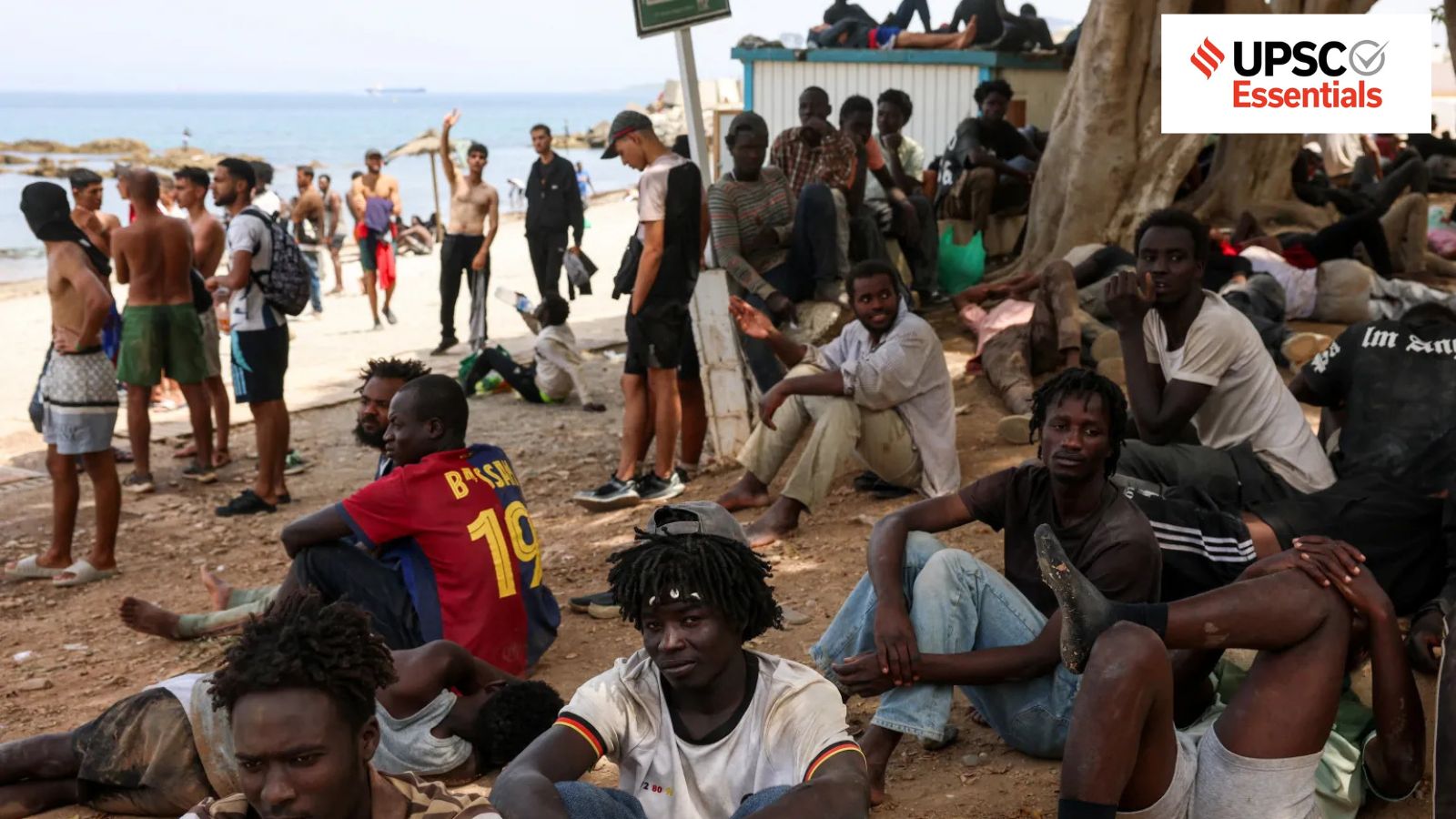
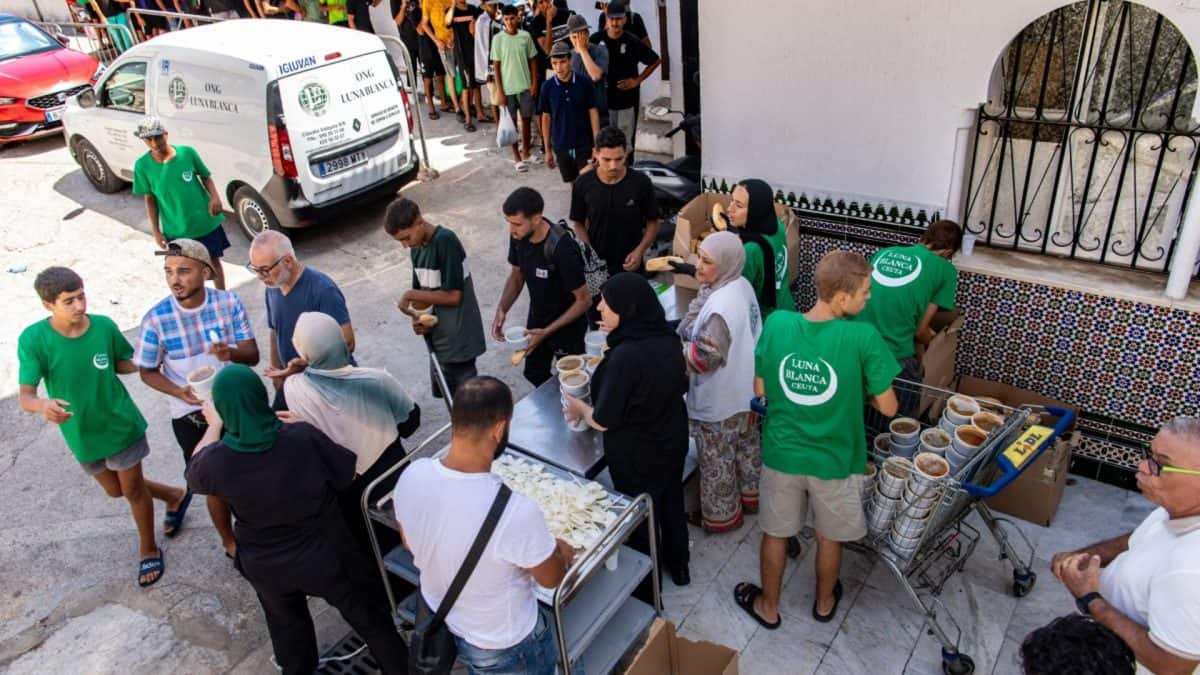
Ceuta is a small piece of Spain that sits on the coast of Africa.
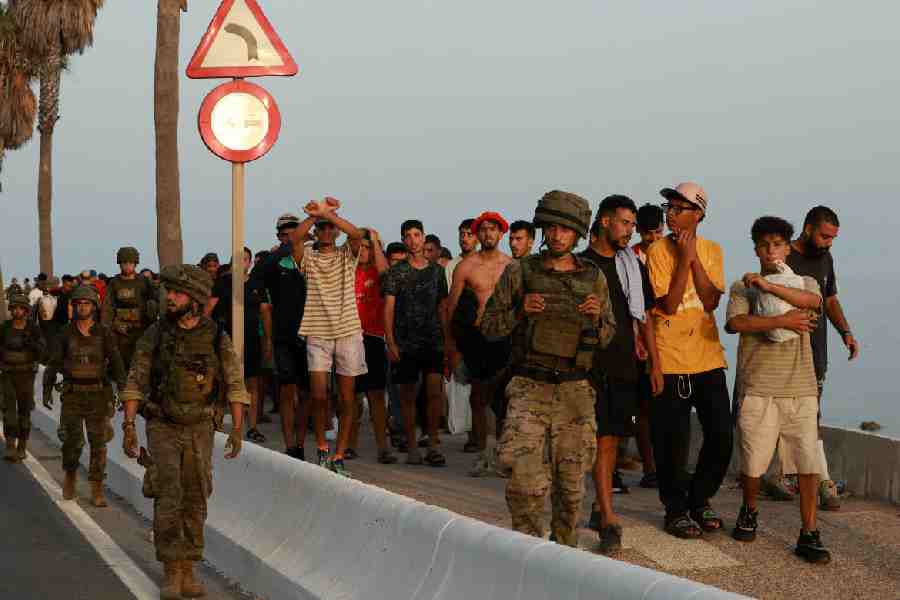
In late July 2026, more than 80,000 people, mostly men and boys, tried to get into Ceuta in just two days.
Sadly, at least 100 people died while trying to make the crossing.
The people were leaving Morocco because they wanted a better life in Europe.
One 17-year-old boy said he would never go back to Morocco, even if he were given a palace.
The big crowd was too much for the town, and many people were sent back to Morocco.
Some countries got angry: Italy stopped free travel with Spain for a while, and the White House blamed Spain's leader.
Some people think Morocco caused the crisis on purpose, but there is no proof.
Leaders across Europe are now arguing about how to handle migration.
The story shows that people will risk everything for a chance at a better life.

More than 80,000 people, mostly men and boys, overwhelmed Ceuta's borders within 48 hours of King Mohammed VI's July 29 throne speech.
At least 100 people reportedly died during the crossing into the Spanish enclave.
Crossings into Ceuta and Melilla rose roughly 150% compared with 2025, even as Canary Islands arrivals fell sharply.
Italy temporarily suspended its Schengen free-travel agreement with Spain, and the White House blamed PM Pedro Sánchez for allowing what it called 'an invasion of a country'.
Claims that Morocco deliberately engineered the crisis remain unsubstantiated, while far-right parties across Europe seized on the event.
- Who
- More than 80,000 migrants, mostly men and boys, along with King Mohammed VI of Morocco, Spanish PM Pedro Sánchez, and European leaders.
- What
- A mass crossing overwhelmed the Spanish enclave of Ceuta, sparking a Europe-wide migration and far-right political debate.
- Where
- Ceuta, a Spanish enclave at the northern tip of Morocco; also Melilla and the Canary Islands route.
- When
- Late July 2026, within 48 hours of King Mohammed VI's July 29 throne speech.
- Why
- Migrants risked their lives seeking a better life in Europe; theories that Morocco instigated the crisis remain unsubstantiated.
Centrist and root-cause approach
Restrictive and far-right approach
Morocco's role in the crisis
Centrist and root-cause approach
Claims that Morocco deliberately engineered the crossing are unsubstantiated; the focus should be on migrants' desperation.
Restrictive and far-right approach
Morocco may have instigated the crisis to pressure Spain over Ceuta and Melilla or to curry favour with President Trump.
Migration policy response
Centrist and root-cause approach
Europe should address the root causes of migration and make a liberal case for controlled migration rather than adopt far-right framing.
Restrictive and far-right approach
Borders must be strictly controlled and migration treated as a threat; mainstream governments are accused of being soft on immigration.
Blame for the crisis
Centrist and root-cause approach
The crisis shows migration pressure cannot be wished away and that restrictive policies have failed politically and practically.
Restrictive and far-right approach
Spain's PM Pedro Sánchez allowed what the White House called 'an invasion of a country'.
Key facts
- Location
- Ceuta, a Spanish enclave on Morocco's northern coast
- Crossers
- More than 80,000 people, mostly men and boys, in 48 hours
- Reported deaths
- At least 100
- Timeline
- Late July 2026, following King Mohammed VI's July 29 throne speech
- Crossing surge
- Ceuta and Melilla crossings up roughly 150% vs 2025
- Spain's prime minister
- Pedro Sánchez
- Morocco's king
- Mohammed VI
- Italy's response
- Temporarily suspended Schengen free travel with Spain
Quotes
A government source
Unspecified source discussing migrant motivations
“"What makes life so terrible that it is worth risking losing it just to have a chance at being somewhere that could make life worth living?"”
 telegraphindia.com
“"It was a pivotal moment," he said, calling it "a time when confidence and optimism should prevail over despair and frustration."”
telegraphindia.com
Sources
Related news
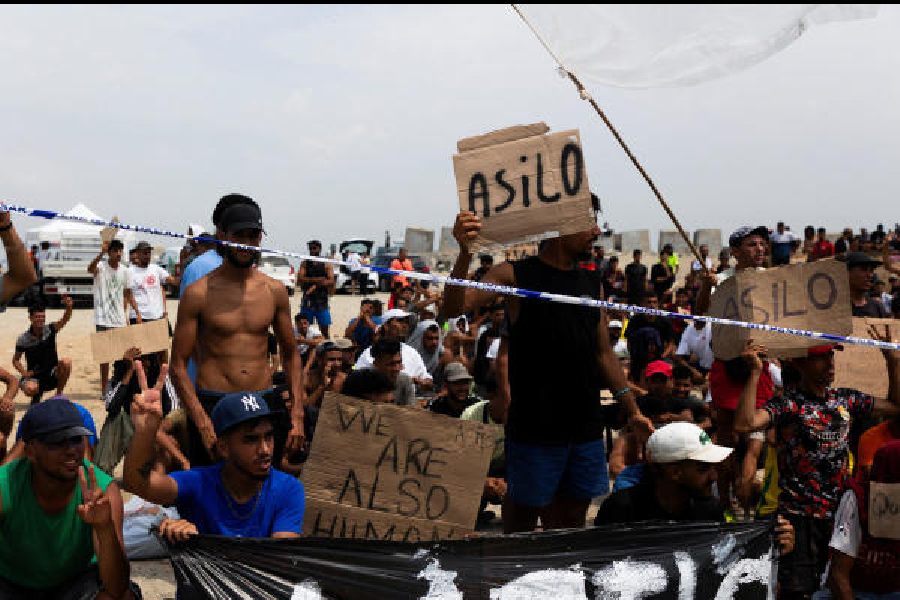
Ceuta Border Surge Exposes the Power of Migration Diplomacy
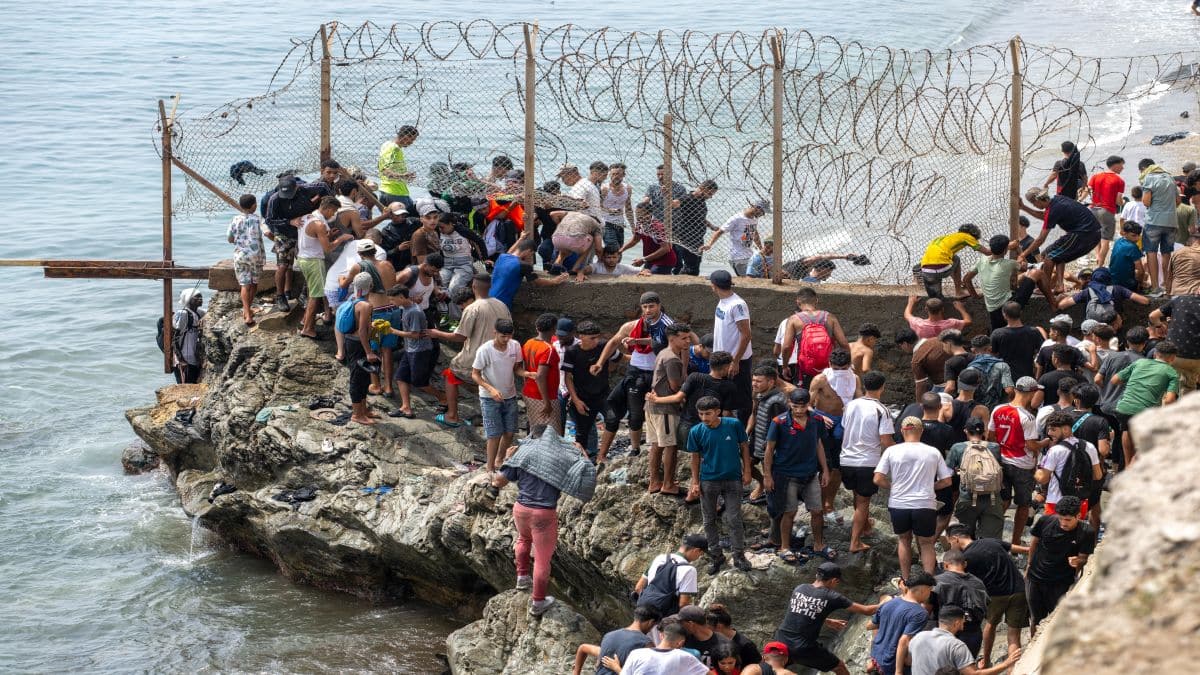
Ceuta Marks New Frontier for Migration-Driven Hybrid Geopolitical Threats
Ceuta on edge: Spain, Morocco brace for new migrant incursion
Meta and TikTok agree to fact-check Spain border crossing content

UPSC Weekly Quiz: 10 Current Affairs Questions for Prelims 2027