

4 days ago
Spain Urges Calm After Anti-Migrant Clashes in Ceuta

Ceuta is a small Spanish territory in North Africa.
In July, tens of thousands of people crossed there from Morocco.
Most have since left, but thousands are still living on streets and beaches.
Some residents protested because they want the situation to return to normal.
Protesters and police clashed, and some migrant belongings were burned.
In separate incidents, migrants threw stones at soldiers and attacked a police officer.
Spain's interior minister and Ceuta's leader said violence is not acceptable.
The government wants to identify each migrant to decide who may receive asylum and who may be deported.
Spain has asked European agencies to help handle the asylum applications.

Residents of Ceuta clashed with police during protests against migrants remaining in the enclave.
Tens of thousands crossed from Morocco into Ceuta over several days in July, while thousands reportedly remain.
A soldier was injured after migrants threw stones at troops, and 14 people were arrested in separate incidents.
Interior Minister Fernando Grande-Marlaska and Ceuta leader Juan Vivas rejected violence and urged calm.
Spain asked the European Commission, the European Union Agency for Asylum and Frontex for processing support.
- Who
- Residents of Ceuta, migrants, Spanish authorities, police and troops; officials cited include Fernando Grande-Marlaska and Juan Vivas.
- What
- Anti-migrant protests escalated into clashes with police amid a continuing migrant presence in Ceuta.
- Where
- Ceuta, a Spanish enclave in North Africa, including a beach where migrants had been sleeping.
- When
- The clashes occurred on Thursday, with official calls for calm issued on Friday; the mass influx occurred over several days in July.
- Why
- Residents protested over migrants remaining in Ceuta after the mass influx, while the government is assessing asylum and deportation cases.
Government and Local Authorities
Right-Wing and Far-Right Parties
Response to protests
Government and Local Authorities
Officials say peaceful demonstrations demanding a return to normality are legitimate, but reject vandalism and violence.
Right-Wing and Far-Right Parties
Right-wing and far-right parties have demanded that all migrants be rounded up and sent back to their home countries.
Handling migrants
Government and Local Authorities
The government says each person must be identified to determine asylum eligibility or possible deportation, with special protection for unaccompanied children.
Right-Wing and Far-Right Parties
The parties calling for mass returns oppose the government's case-by-case approach by demanding the migrants be sent back.
Political rhetoric
Government and Local Authorities
Interior Minister Fernando Grande-Marlaska accused commentators supporting the hard-line position of inciting hatred and confrontation.
Right-Wing and Far-Right Parties
The article describes the parties' demand for returns but does not provide their response to the minister's accusation.
Key facts
- Ceuta population
- About 80,000 inhabitants.
- Ceuta area
- 18.5 square kilometres, or about seven square miles.
- Migration influx
- Tens of thousands of people crossed from Morocco into Ceuta over several days in July.
- People remaining
- Spain's government says most have left, but thousands remain in the enclave.
- Arrests
- Twelve Moroccan migrants were arrested after stones were thrown at troops, and two more arrests followed an alleged attack on a police officer.
- European assistance requested
- Spain requested support from the European Commission, the European Union Agency for Asylum and Frontex.
Quotes

Fernando Grande-Marlaska
Spain’s interior minister
“I call for calm and an end to any form of violence, because... violence is not the way to resolve any problem with the complexity”
 firstpost.com
“We totally reject the use of any kind of violence.”
firstpost.com
Sources
Related news
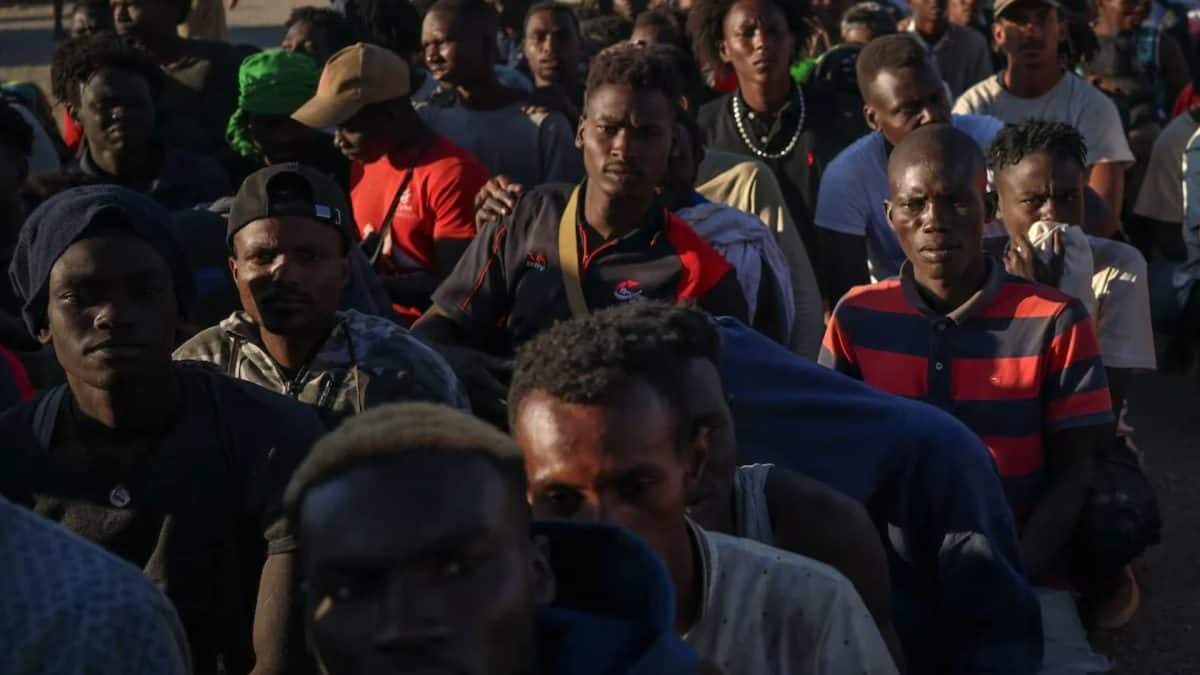
Migrants protest in Ceuta, demand asylum over return to Morocco
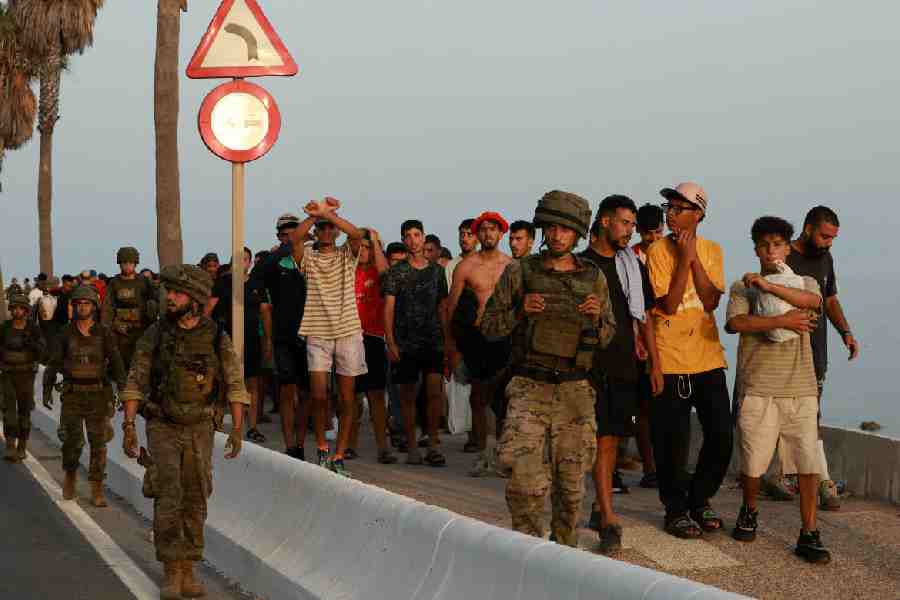
Ceuta Migrants Remain Stranded Amid Spain’s Shelter Crisis
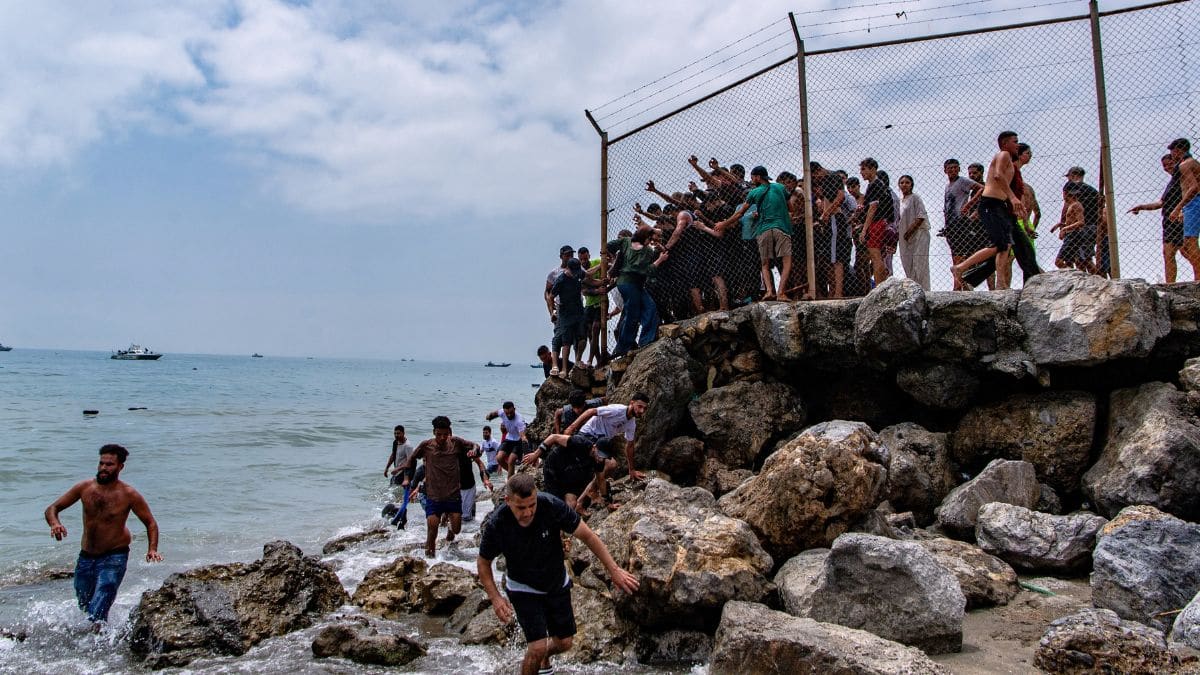
Ceuta warns of 'unsustainable' child migrant situation, pleads for aid
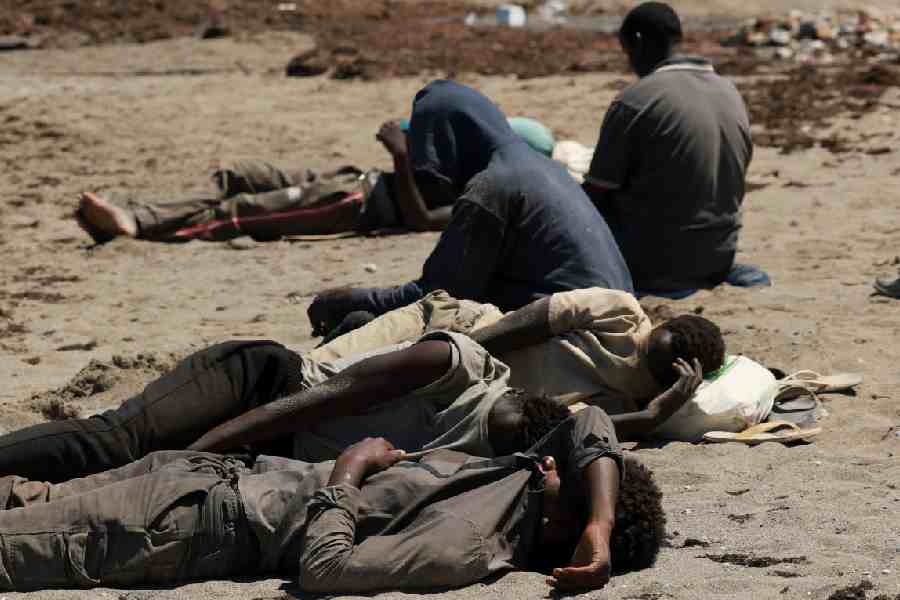
Spain's Ceuta seeks transfer of unaccompanied minors after border rush

Sitharaman Pursues Economic Cooperation with Russia and South Korea

EU Regulators Quiz Publishers on Google AI Opt-Out Proposal

Europe’s Gas Storage Faces Pressure as Middle East Conflict Escalates

Trump Administration Plans $4 Million For Right-Wing Media Europe
