0 months ago
Ceuta Marks New Frontier for Migration-Driven Hybrid Geopolitical Threats
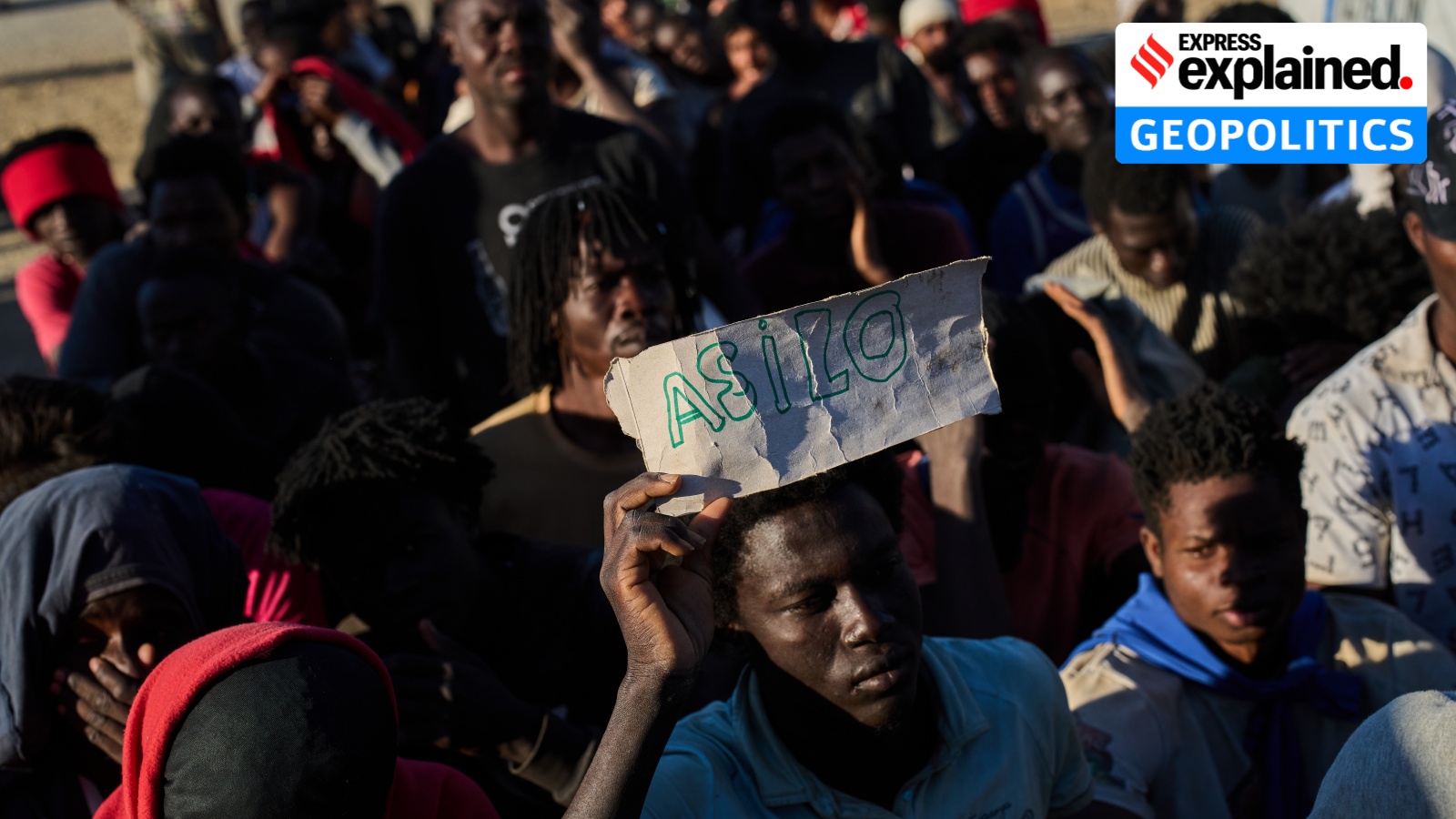
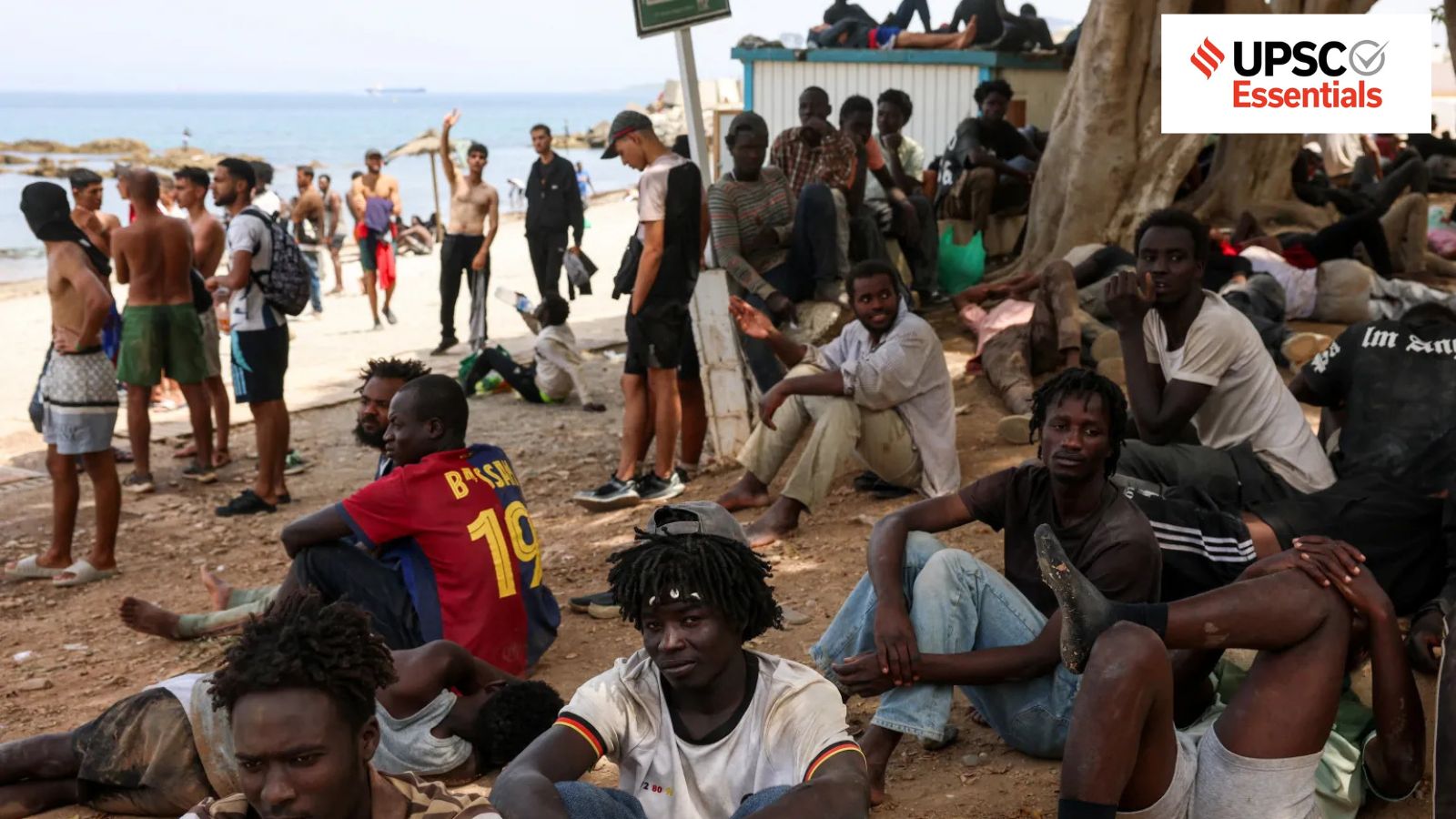
Ceuta is a tiny piece of Spain that sits on the coast of Africa, right next to the country of Morocco.
It is one of the only places in the world where Europe and Africa are connected by land.
Sometimes, lots of people travel there from Africa hoping to get into Europe.
In May 2021, more than 10,000 people, many of them children, arrived in just two days.
Later, around 60,000 people came at once, and Spain needed its Army to help calm things down.
Many leaders believe the big rush of people was not an accident.
Morocco was upset because Spain let a man named Brahim Ghali visit for medical reasons, so Morocco loosened its border checks and let many people cross.
That turned migration into a kind of tool that countries can use to put pressure on each other.
European countries do not agree on what to do: some want to be kind and share the work, while others want much stronger borders.
People around the world are watching because the movement of people can change politics just as much as wars can.

Ceuta and Melilla, Spain's enclaves on the North African coast, form Europe's only land frontier with Africa and share a border with Morocco.
In May 2021, over 10,000 migrants, many of them minors, entered Ceuta within a matter of two days.
Around 60,000 people recently stormed into Ceuta from Morocco, overwhelming local administration until Spain brought the situation under control with the Army.
Morocco relaxed border controls after Spain allowed Polisario Front leader Brahim Ghali entry on medical grounds, which Morocco saw as undermining its claim over Western Sahara.
European countries remain divided, with Germany and Spain favoring a humanitarian approach while Hungary, Poland, the Czech Republic and Italy back firmer border controls and rapid deportation.
- Who
- Spain, Morocco, migrants crossing from Morocco, and Polisario Front leader Brahim Ghali
- What
- Mass migrant crossings into the Spanish enclave of Ceuta, used as a diplomatic lever linked to the Western Sahara dispute
- Where
- Ceuta and Melilla, Spanish enclaves on the North African coast at the entrance to the Mediterranean Sea
- When
- May 2021, followed by a more recent influx of around 60,000 people
- Why
- Morocco perceived Spain's decision to admit Brahim Ghali on medical grounds as undermining its claim over Western Sahara and relaxed border controls in response
Humanitarian Approach
Security-First Approach
Europe's Response to Migration
Humanitarian Approach
Germany and Spain advocate a humanitarian approach, burden sharing, migration pathways and strengthened border management.
Security-First Approach
Hungary, Poland, the Czech Republic and Italy strongly advocate firm border control, tougher asylum procedures and rapid deportation of irregular migrants, with Italy also adopting a more stringent approach.
Spain's Handling of Brahim Ghali
Humanitarian Approach
Spain's decision to allow Brahim Ghali, leader of the Polisario Front, entry on medical grounds was a humanitarian act.
Security-First Approach
Morocco perceived the decision as undermining its claim over Western Sahara and relaxed border controls, enabling thousands of migrants to cross into Ceuta and setting a new precedent of using migration as a diplomatic lever.
Key facts
- Ceuta area
- 18.5 square km
- Ceuta population
- Around 85,000 people
- Melilla area
- 12.3 square km
- Melilla population
- Around 87,000 people
- May 2021 influx
- Over 10,000 migrants in two days
- Recent influx
- Around 60,000 people from Morocco
- Border status
- Europe's only land frontier with Africa
- Trigger
- Spain's admission of Polisario leader Brahim Ghali on medical grounds
Sources
Related news
Ceuta Border Surge Exposes the Power of Migration Diplomacy
Ceuta migrant surge reignites Europe's migration and far-right debate
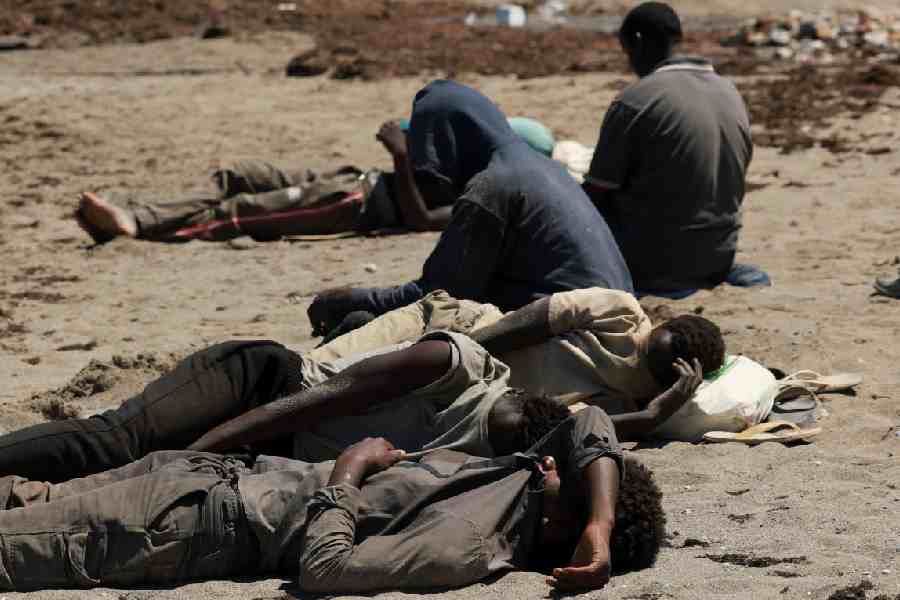
Ceuta migration crisis demands both security and compassion

Spain Urges Calm After Anti-Migrant Clashes in Ceuta

Ceuta on edge: Spain, Morocco brace for new migrant incursion
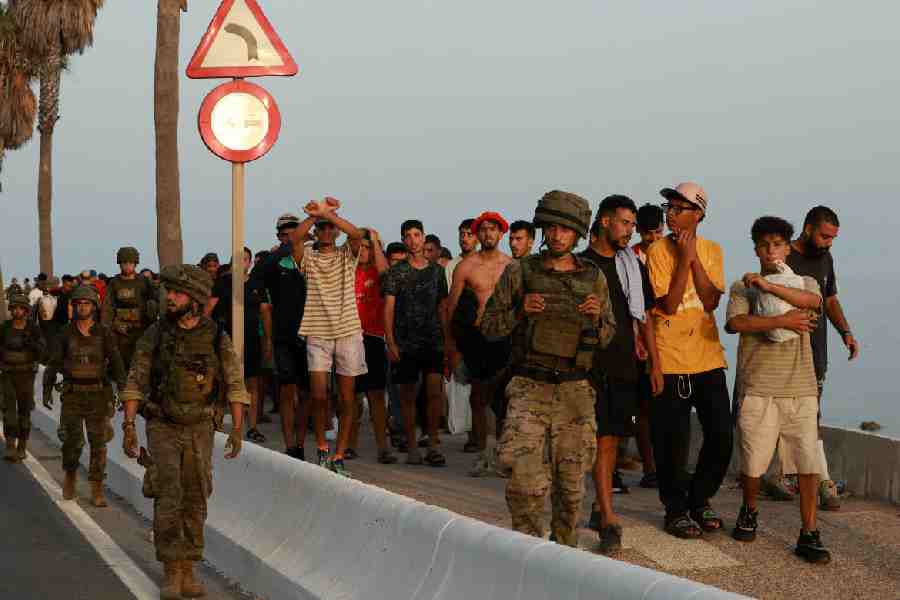
Meta and TikTok agree to fact-check Spain border crossing content
UPSC Weekly Quiz: 10 Current Affairs Questions for Prelims 2027