2 weeks ago
Migrants protest in Ceuta, demand asylum over return to Morocco

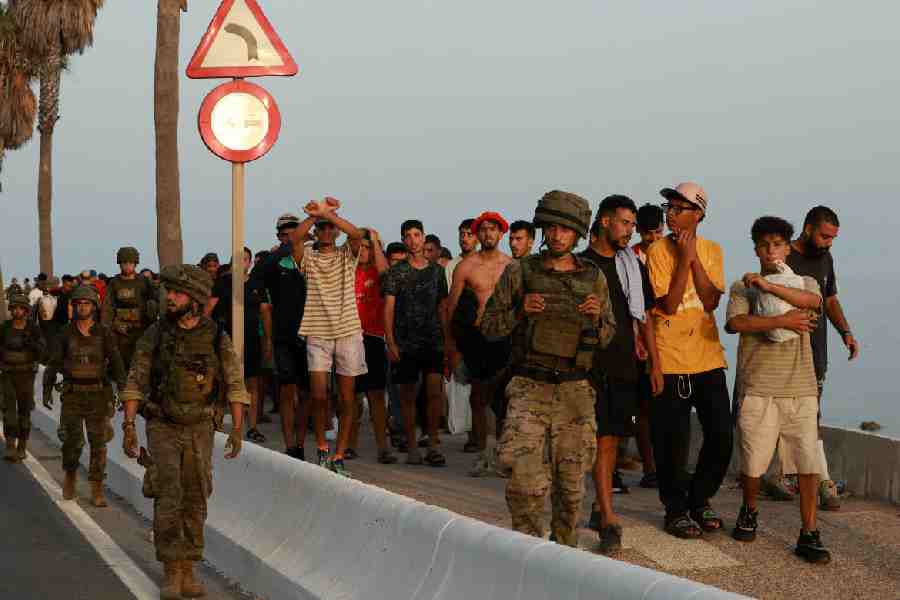
Some people came to a city called Ceuta, which belongs to Spain but is in Africa.
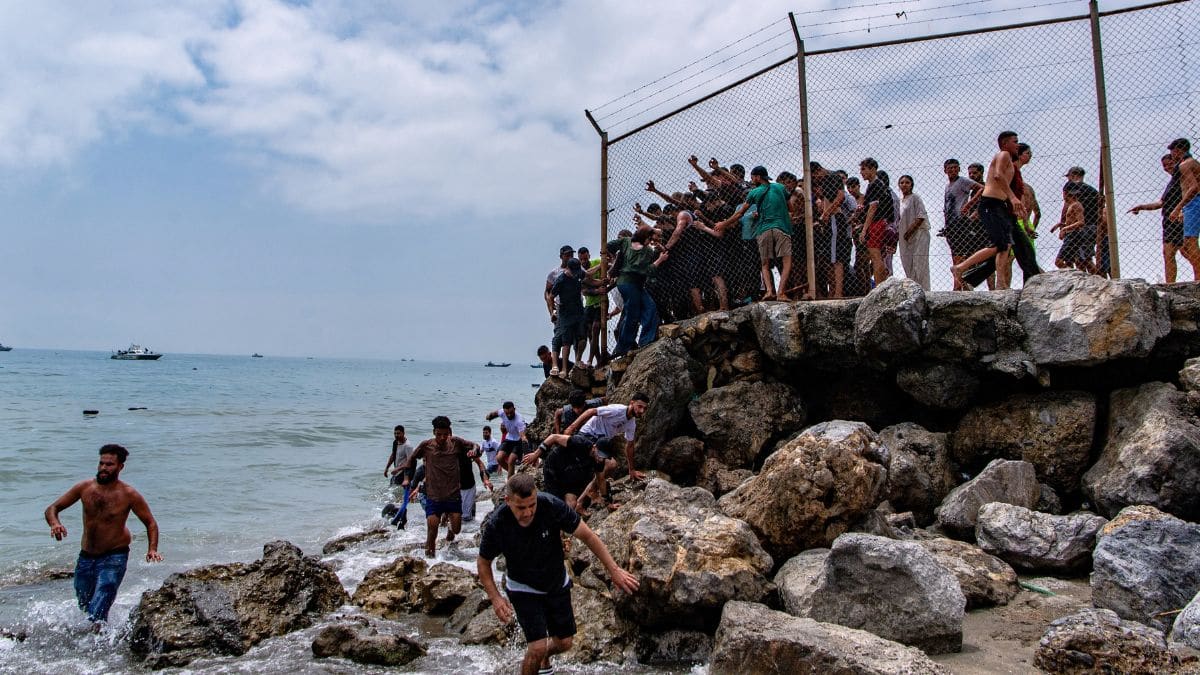
They crossed the border from Morocco in large numbers.
Many of them want to stay in Spain and asked for asylum.
Spain says most of them must go back to Morocco.
The people protested on a beach to show they do not want to leave.
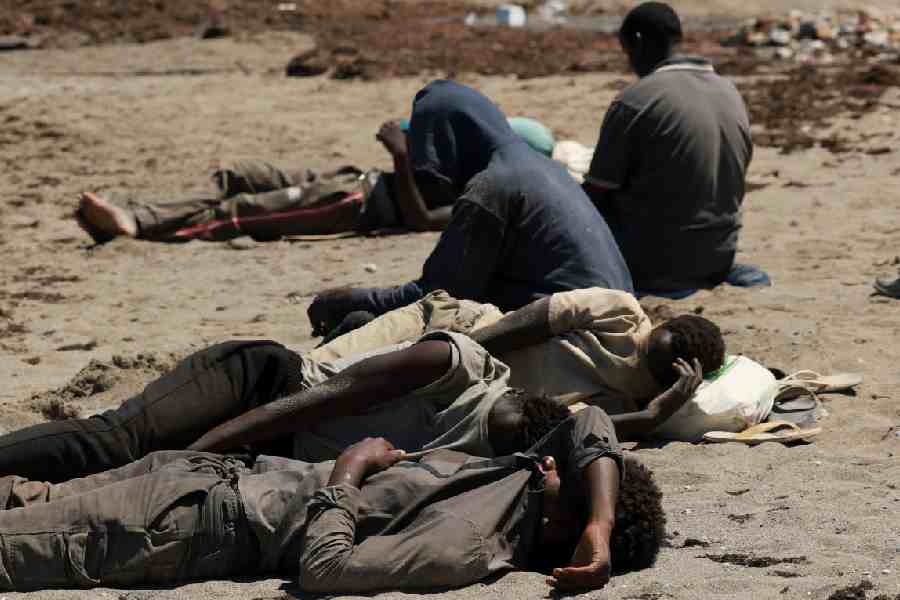
Many are sleeping outside because there is not enough room.
Doctors in Ceuta say they are very tired and some people are getting sick.
Spain's health minister says the hospitals are not broken, just busy.
The migrants say they left home because they were poor, unsafe, or treated unfairly.
They hope to find a better life in Europe.

Hundreds of migrants stranded in Ceuta protested on a beach, demanding asylum and the right to remain in Spain.
More than 72,000 people entered Ceuta during the mass border crossing two weeks ago; most returned voluntarily, with an estimated 5,000 to 8,000 still in the enclave.
Interior Minister Fernando Grande-Marlaska said migrants who entered irregularly would not be allowed to stay, travel to mainland Spain, or obtain legal status except in rare cases of extreme vulnerability.
Ceuta's medical board head Enrique Roviralta said healthcare workers were exhausted and diseases such as infectious diarrhoea and scabies were breaking out, while Health Minister Monica Garcia rejected claims that services had collapsed.
Migrants cited poor working conditions, low salaries, conflict, and persecution as reasons for seeking asylum in Europe.
Many of the remaining migrants are sleeping in makeshift conditions around El Trampolin beach and on the outskirts of the city.
- Who
- Hundreds of migrants stranded in Ceuta, Spanish Interior Minister Fernando Grande-Marlaska, Health Minister Monica Garcia, and Ceuta medical board head Enrique Roviralta.
- What
- Migrants protested on a beach demanding asylum rather than being returned to Morocco.
- Where
- Ceuta, Spain's North African enclave, at El Trampolin beach.
- When
- Sunday, two weeks after a mass border crossing into Ceuta.
- Why
- Migrants seek asylum due to poor working conditions, low salaries, conflict, and persecution, while Spain plans to return most irregular entrants to Morocco.
Migrants and local health officials
Spanish government
Asylum and return policy
Migrants and local health officials
Migrants demand asylum and refuse to return to Morocco, saying they would rather die than go back.
Spanish government
Spain will return migrants who entered irregularly to Morocco, except in rare cases involving extreme vulnerability.
Health situation in Ceuta
Migrants and local health officials
Ceuta's medical board says healthcare workers are exhausted, diseases are breaking out, and the central government's response has been slow.
Spanish government
Health Minister Monica Garcia rejects claims that local health services have collapsed, saying they are under pressure with a moderate epidemic risk for migrants.
Migration and illness framing
Migrants and local health officials
Local medical officials highlight disease outbreaks and rising violence-related injuries among migrants.
Spanish government
The health minister says associating migration with illness is unjust and xenophobic.
Key facts
- Location
- Ceuta, Spain's North African enclave
- People who entered during surge
- More than 72,000
- Estimated migrants still in enclave
- 5,000 to 8,000
- Protest site
- El Trampolin beach
- Interior Minister
- Fernando Grande-Marlaska
- Health Minister
- Monica Garcia
- Average monthly salary cited
- 3,000 dirham ($324)
- Diseases reported
- Infectious diarrhoea and scabies
Quotes
Mohammad Ismail Hossain
34‑year‑old electrician from Bangladesh who fled Nigeria
“Once I reached Spanish soil, I felt like I was born again. I'd rather die than return.”
 firstpost.com
“I'm fighting for a better life for them, and I would take any job I was offered.”
firstpost.com
Sources
Related news
Ceuta Migrants Remain Stranded Amid Spain’s Shelter Crisis

Spain Urges Calm After Anti-Migrant Clashes in Ceuta
Ceuta warns of 'unsustainable' child migrant situation, pleads for aid
Spain's Ceuta seeks transfer of unaccompanied minors after border rush

Utah Emerges as Media Powerhouse

Jen Shah Released Early from Prison

Jen Shah, 'Real Housewives' Star, to be Released Early from Prison