

2 weeks ago
Delhi's southeast district may see 7 lakh voter names deleted
Before elections happen, the government needs to know exactly who is allowed to vote.
The list of voters is called the electoral roll.
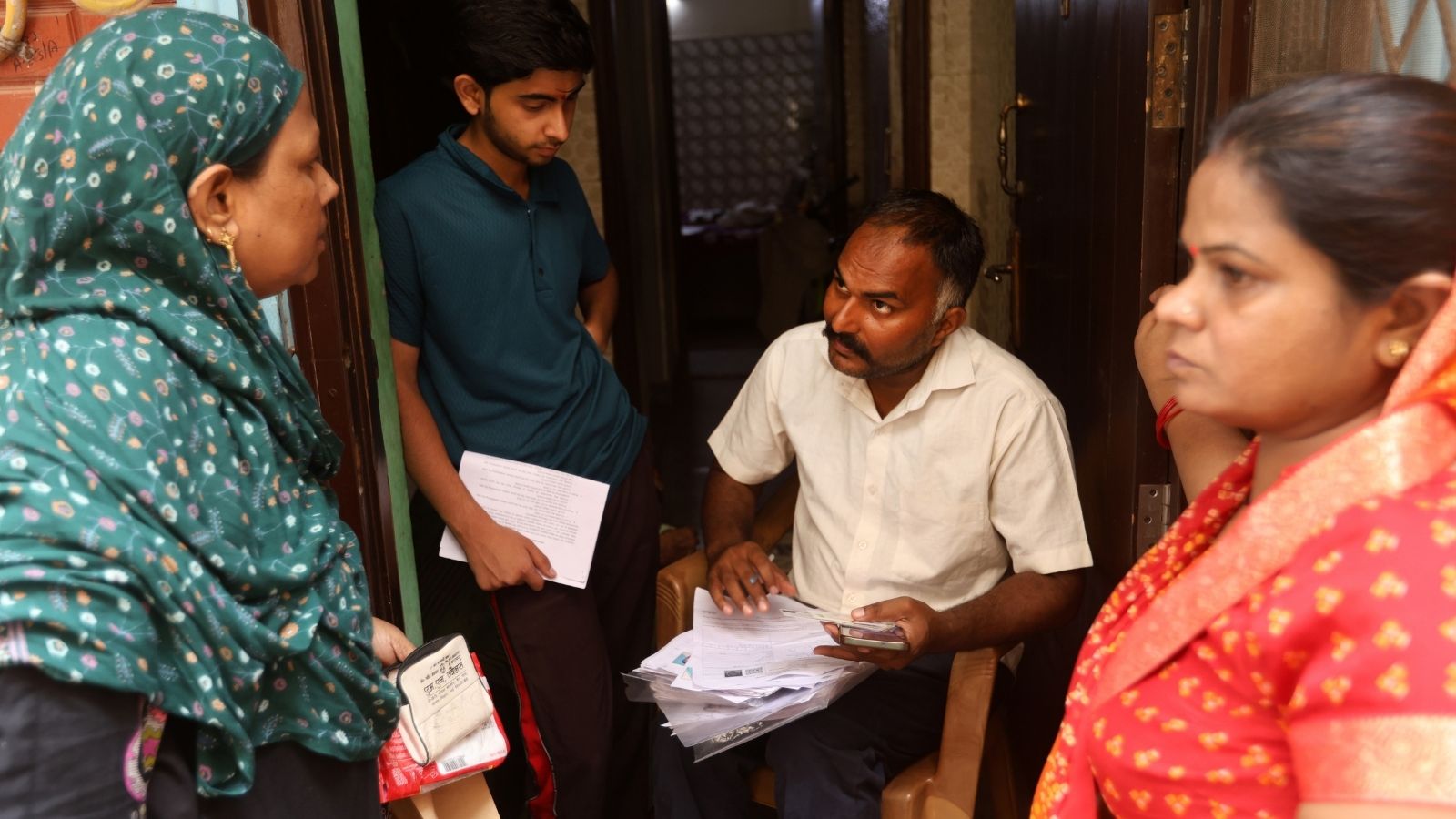
In Delhi, officials called booth level officers went door to door to check voters.
They gave people forms to fill in and confirm they still lived there.
But many people could not be found.
Some had moved away for work, and some had passed away.
So their forms were never returned.
In the South East part of Delhi, a very large number of forms were missing.
This means about 7 lakh people — that's 700,000 people — might not be on the draft voter list.
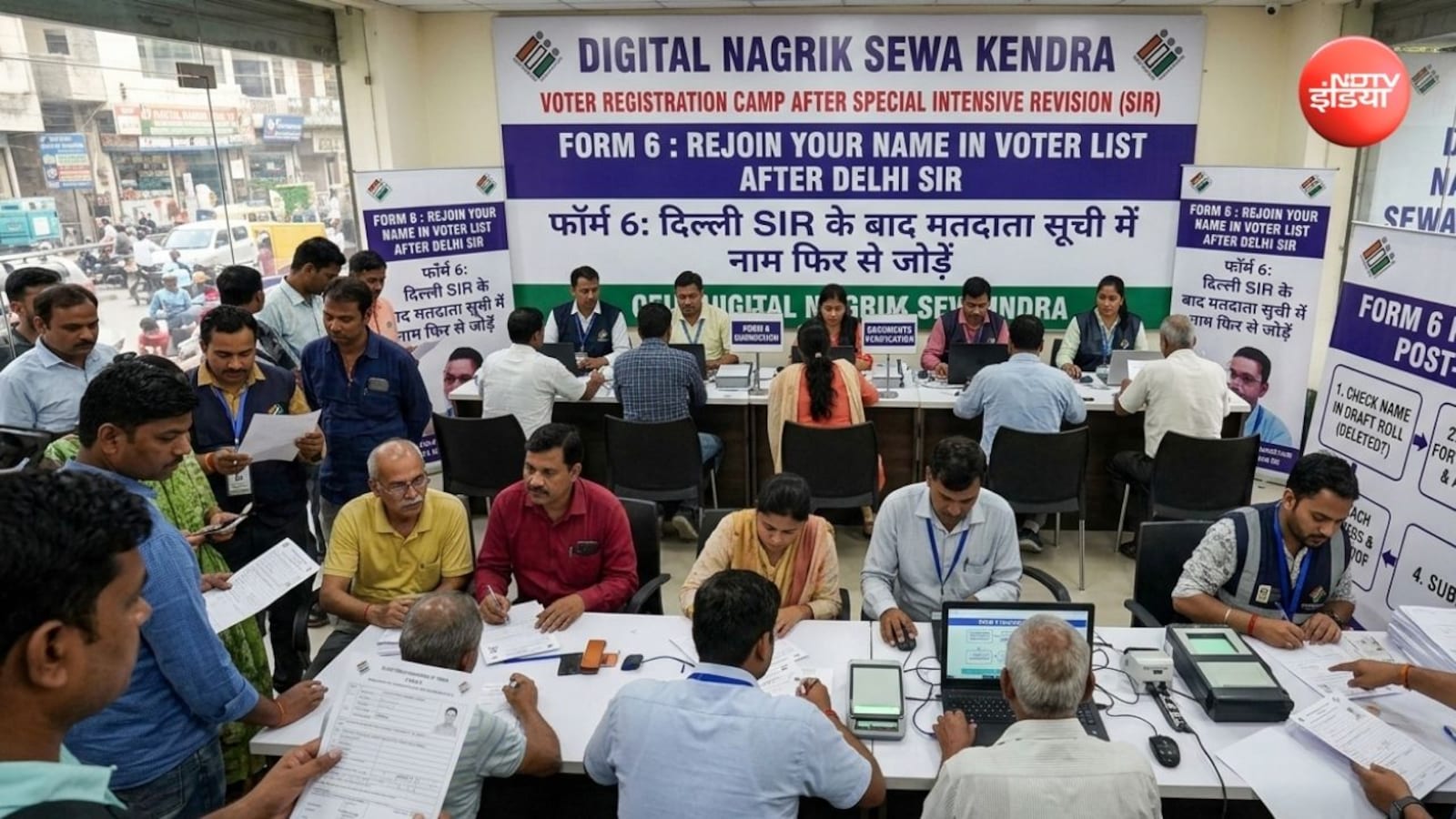
However, this draft list can still be fixed, and real voters can ask to be added back before the final list is published in October.

South East Delhi is expected to be the worst-hit district, with nearly 7 lakh of its 15.5 lakh electors left out of the draft electoral roll.
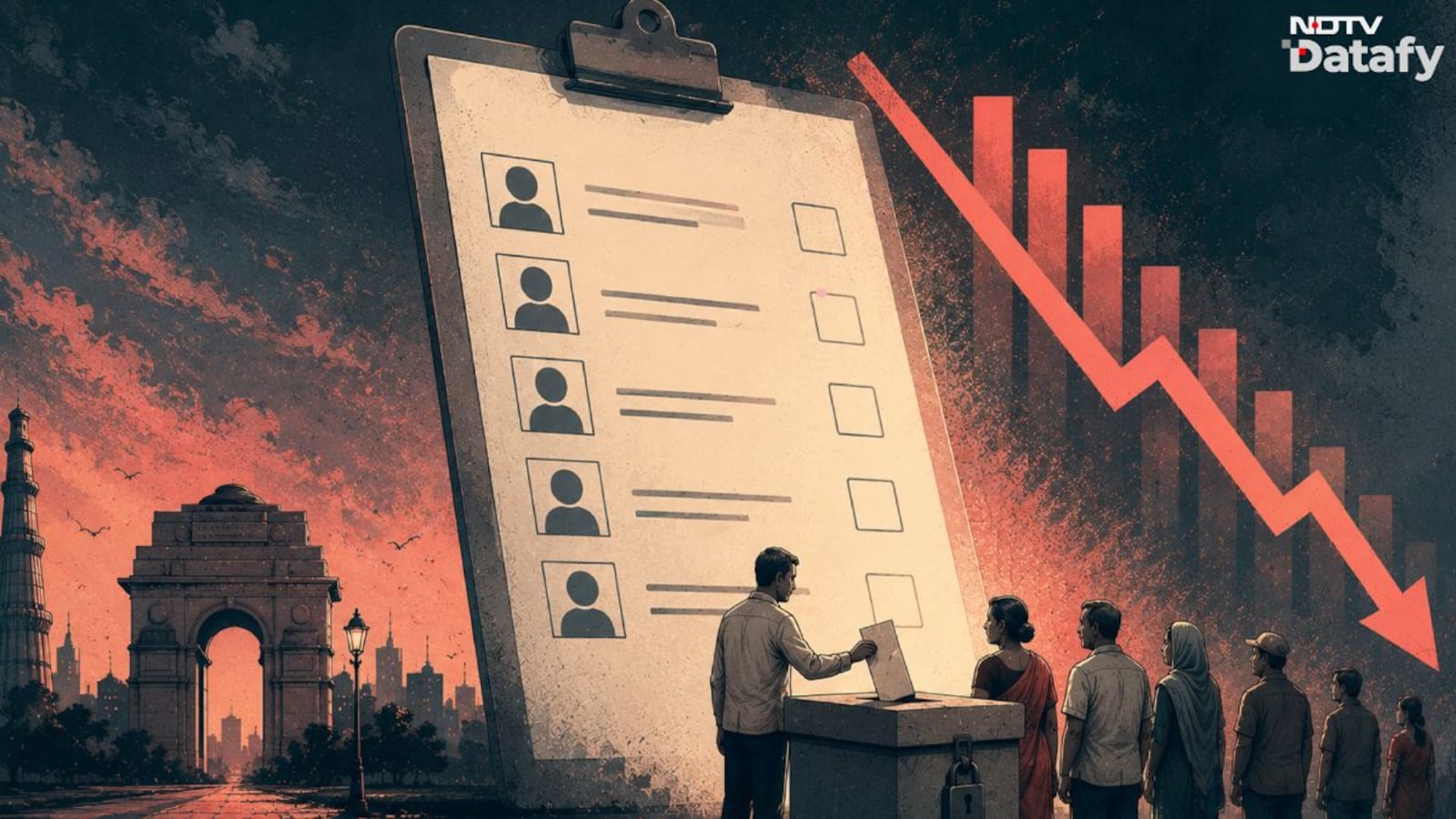
By the end of the enumeration phase, forms for only 97.47 lakh of Delhi's 1.45 crore electors — about 67% — had been collected and digitised.
South East Delhi recorded the lowest digitisation rate of electoral forms at 56.32%, while Outer North Delhi had the highest at 75.68%.
The remaining 47.62 lakh electors (33%) will be marked 'uncollectible,' covering electors who were absent, moved, died, or had duplicate entries.
The Election Commission says genuine electors deleted from the draft roll can be added back during the one-month claims-and-objection period before the final roll is published on October 27.
- Who
- Delhi's Chief Electoral Officer's office, its booth level officers, the Election Commission of India, and electors across Delhi.
- What
- The draft Special Intensive Revision (SIR) of Delhi's electoral rolls, expected to delete names of electors whose enumeration forms were not collected, with nearly 7 lakh deletions expected in South East Delhi alone.
- Where
- Delhi, with South East Delhi the worst-hit district, followed closely by New Delhi, South Delhi and Central Delhi.
- When
- The enumeration phase ended Monday; the draft roll publishes on August 24 and the final rolls on October 27.
- Why
- Many electors, particularly migrant labourers, government employees and armed forces personnel, moved frequently or died without updating their addresses, so their enumeration forms could not be collected.
Key facts
- Event
- Special Intensive Revision (SIR) of electoral rolls
- Draft roll publication
- August 24
- Final roll publication
- October 27
- Enumeration forms collected
- 97.47 lakh (about 67% of 1.45 crore electors)
- Electors marked uncollectible
- 47.62 lakh (33%)
- Lowest digitisation rate
- 56.32% (South East Delhi)
- Highest digitisation rate
- 75.68% (Outer North Delhi)
- Expected deletions in South East Delhi
- Nearly 7 lakh names
Quotes
Chief Electoral Officer's office official
Official from Delhi’s Chief Electoral Officer’s office
“Delhi has a large population of migrant labourers, government employees and private‑sector professionals, all of whom move frequently and often do not update their addresses”
 indianexpress.com
“Some have even completed the SIR in Uttar Pradesh and Bihar because they need address proof in their villages”
indianexpress.com
Sources
Related news
Delhi SIR Could Exclude 47.6 Lakh Voters From Draft Roll

Delhi draft electoral roll may delete a third of names

49 Lakh Delhi Electors Likely Absent, Shifted, Dead or Duplicate

Delhi Draft Voter Rolls Exclude 47.56 Lakh; Claims Remain Open
Delhi SIR Draft Roll Leaves 47.6 Lakh Voters Unlisted
Delhi Draft Rolls Show Most Deletions in Low-Turnout Districts

Delhi Police Transfers 26 Inspectors in Capital Reshuffle

Delhi High Court admits appeals in Ankit Sharma murder case

Sood accuses AAP over conspiracy behind 2020 Delhi riots
Supreme Court to Hear Ten Diverse Pleas on Aug 3
